Organophosphate Exposure as a Cause of Chronic Pain Conditions
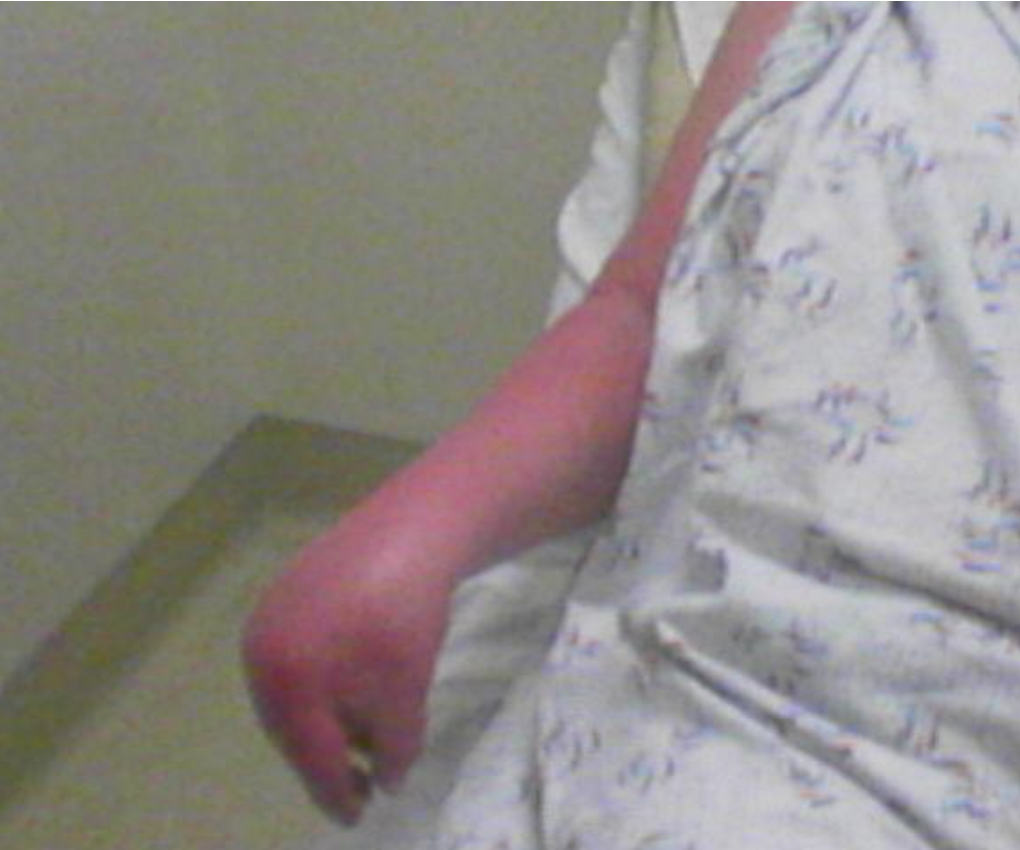 Very few people who develop a chronic pain condition like Complex Regional Pain Syndrome (CRPS) would ever consider organophosphate exposure as a potential cause. But organophosphates are ubiquitous in the air, in the water, and even in our food in the developed world. They are so mundane to us, as modern humans, that we don’t consider their role in our health and in our lives most of the time. Indeed, doctors even prescribe bisphosphonate-drugs to osteoporosis patients and neither doctor nor patient ever question whether these drugs are safe or not (they’re not – “bisphosphonate” is essentially just another word for “organophosphate”).
Organophosphates are “organic phosphates”. While our bodies generally prefer “organic” foods, the body does NOT like organic phosphates. Our bodies prefer inorganic phosphates. But the body tries to figure out what to do with organic phosphates when exposure levels are high enough. The body must try to process organic phosphates somehow.
Healthy inorganic phosphates are stored in bones until our body has a need to produce more energy. When energy is needed, phosphates (negatively charged) and calcium ions (positively charged) in the soft tissues and the interstitial spaces between cells do an electricity-producing dance that animates our physical form. Organic phosphates don’t really have a place in the bones or in the process of animating our bodies. Nonetheless, the body stores these organic, toxic phosphates in bones where they disrupt the natural crystalline structure of the calcium and inorganic phosphates that produce strong bones and teeth. Organic phosphates go on to them produce nervous system disorders and so-called “metabolic” problems throughout the body.

Click here to schedule a health coaching session with us.
Our bodies are truly amazing. Though calcium ions and phosphates are two really vital nutrients that we use to produce energy, they are stored in a crystalline, hard-matrix-state in our bones. So the same two substances (calcium and inorganic phosphates) that our bodies use to produce energy are also used to produce the hard structure of our bodies: the skeleton. When our bodies need more energy, it can place an order to get more calcium and inorganic phosphates from bone tissues. When the energy needs are lower, the body can store calcium and inorganic phosphates for a later time in the bones and teeth to make the structure of the body stronger.
Organophosphates are used in agriculture as pesticides and herbicides. They are also used as nerve agents in warfare and, of course, doctors prescribe them to patients as a treatment for weak bones. Indeed, organophosphates create a disruption in the crystal pattern produced by calcium and healthy inorganic phosphates such that bones that have been exposed to organophosphates (in the form of bisphosphonate drugs) often look impressively dense on X-ray. However, these same bones tend to suffer a higher-than-average number of fractures, particularly at a specific location on the thigh-bone due to their weakness. Nonetheless, doctors still show their patients X-ray evidence that their bones are getting more dense through organophosphate / bisphosphonate exposure and patients buy into this lie only to suffer debilitating thigh fractures later or worse, they develop dementia or both.
As nerve agents, organophosphates specifically hijack the cholinergic system of the body. This system is mostly made up of muscarinic and nicotinic receptors. Organophosphates inhibit the enzyme acetylcholinesterase that would normally break down acetylcholine, the main neurotransmitter functioning in the cholinergic system. Excess levels of acetylcholine develop as a result of enzyme inhibition and a surplus of acetylcholine can lead to a wide array of different symptoms of disease including the development of chronic pain.
 Everything You Never Wanted to Know About the Treatment of Chronic Pain... and How to Avoid Painkillers That Will Eventually Kill You - BUY HERE!!!
Organophosphate Exposure, CRPS, and the Buildup of Pressure Inside Bones
One interesting, but little-known cause for chronic pain conditions is bone marrow edema. Complex regional pain syndrome (CRPS) and bone marrow edema syndrome are related chronic pain conditions and they may, in fact, be the exact same health problem according to some scientists. Though in conventional medicine, bone marrow edema syndrome is viewed as a separate disease from CRPS, but in fact they are very similar and some doctors even argue that they are, in fact, the same disease.Complex Regional Pain Syndrome (CRPS) is also known as:
- Südeckse dystrophy
- Post traumatic dystrophy
- Reflex sympathetic dystrophy
- Algoneurodystrophy
The sheer number of names used to describe this chronic pain condition suggests that Big Pharma is trying to hide the cause and the cure as multiple labels for the same disease make it hard for scientists or laypeople alike to do comprehensive research on this disorder. Because Big Pharma is run by the same people who run Big Ag, it makes sense that CRPS would be a disease for which the scientific research and honest-to-goodness scientific dialogue would need to be covered up and hidden from plain sight.
It isn’t common knowledge that the pain experienced in CRPS comes from excessive bone breakdown and the resulting fluid buildup (edema) inside bone tissues. Increased pressure inside the bone tissue is what causes non-specific pain that can be hard to locate precisely in the body. Few people who feel the persistent and severe pain in a limb following an injury would think of that pain as something that is coming from inside their bones, yet it seems that this is something we need to seriously consider in order to treat and overcome this disease.
Following an injury that stresses or damages the bone tissues, CRPS patients develop disproportionate pain in a limb. This pain might move from limb to limb to produce burning or throbbing as well as extreme sensitivity to touch, skin color changes, temperature changes, inflammation on the exterior of the limb, stiffness, as well as tremors, and muscle weakness. A bone that has an excessive buildup of organic phosphates from organophosphate exposure will tend to have lower levels of bone formation at the tissue and cellular level than healthy people who have not been exposed to organophosphates.
Long-term exposure to organophosphates tends to produce an insidious effect on bone formation and the ability of a person’s bones to naturally adapt and remodel themselves in response to an injury. Acute, short-term exposure to high levels of organophosphates might produce a slightly different effect that centers more on nervous system symptoms. Of course, depending on a person’s diet and their overall health, organophosphate exposure could center itself more on the nervous system or more on the bone tissues as proper nutrition can protect the body from toxin exposure in some cases. But in agricultural workers who are chronically being exposed to organophosphates year after year, bone remodeling and bone healing can be a problem. Of course anyone who lives or has lived in an agricultural community is also at risk of the same organophosphate-health issues.
In CRPS, pain can be really severe, if not agonizing. Even a light tough to the affected limb can produce an intense feeling of pain. Stress triggers flare-ups as the body asks for more inorganic phosphates and calcium to be released for energy production in order to overcome the stress. But if the bones are not properly calcified (with calcium ions), inorganic phosphates might also be in short supply. Energy levels may be effected as well as bone tissues. We have to consider all of this in light of the research demonstrating that organophosphate exposure is the underlying cause.
Tremors and muscle weakness that develops in some patients with CRPS, is 100% consistent with organophosphate poisoning symptoms (organophosphate poisoning is also known as “intermediate syndrome”). And pressure and bone marrow “lesions” caused by fluid build-up in the bones produces the exact same symptoms as CRPS pain. Bone lesions are a common identifiable symptoms associated with chronic organophosphate exposure. Meanwhile, bone tissues may appear “dense” (albeit too dense and therefore lacking in the flexibility required by the bones in order to withstand the sheer forces to which they are exposed), but sick in the internal, bone-marrow, blood-producing core.

Click here to do a free trial of EMDR to Release Trauma.
Bone Marrow Edema and CRPS: What You Need to Know
Bone marrow edema syndrome is relatively rare and doctors diagnose this disorder only after they’ve excluded all other possible diagnoses. So bone marrow edema is a diagnosis of exclusion which further lends credibility to the idea that in fact, bone marrow edema is actually a form of CRPS (and CRPS is ultimately caused by edema building up pressure inside the bones). CRPS is less rare than bone marrow edema, but doctors generally aren’t aware of the association between bone marrow edema and CRPS that’s been established in the scientific literature. Currently, in conventional medicine, doctors view CRPS as a disease that occurs because the body is “over-reacting” to a (relatively) small injury. Doctors often tell patients that the root cause is “genetics” which causes patients to feel hopeless about possibly finding a cure.Doctors, in fact, often prescribe bisphosphonate-drugs to treat CRPS and bone marrow edema. Initially, this treatment works, but over time, it stops working and new, additional symptoms of disease become apparent. But how is this possible? Why would bisphosphonates work initially and then later stop working?
If the body is low in certain nutrients like, for example, vitamin K2 / MK-7, the bones will be starving for calcium, not because calcium is not present in the diet (calcium is in practically every food that you eat), but because without vitamin K2 / MK-7, the body can’t take calcium that’s in the bloodstream and place it into the bone tissues. Vitamin D is the nutrient that can push calcium from the intestines into the blood, but if vitamin K2 isn’t present like a relay runner to catch the calcium-baton, the calcium from your diet will end up lodging itself in your soft tissues like the breasts or the pineal gland and it will never make it into your bone tissues. In this type of scenario, soft tissues like the blood vessels end up calcifying, which can be deadly (as in cases of atherosclerosis), while bone tissues are sick from lack of calcium. Without calcium in the bones, the body may begin to mistake toxic organic phosphates for healthy inorganic ones which creates a vulnerability at the bone-level to organophosphate poisoning. With calcium in the soft tissues, people become vulnerable to all kinds of health problems and a misdiagnosis of cancer (with doctor mis-identifying calcifications for tumors).
A person who develops CRPS is likely experiencing bone marrow edema as the body tries to flush out the organophosphates. Ongoing exposure or poor diet or both can lead to poor outcomes. On the other hand, detoxifying the body and removing organophosphates in a safe way can lead to healing.
Some scientists who know nothing about the organophosphate-weak-bone tissue issue have noted that the increased fluids that are causing pressure and lesions inside bones in those with CRPS and bone marrow edema may be due to poor bone health and vitamin deficiency, specifically vitamin K2 / Menaquinone-7 / MK-7. Organophosphate exposure factors heavily into this equation as organophosphates are used on genetically modified foods (GMOs). While the toxic organophosphates are stored in the bones because there’s a lack of calcium (ultimately caused by a lack of vitamin K2) the crystalline pattern of calcium and phosphorus is disrupted. Bones become too dense and inflexible and prone to breakage. The body lacks the energy (from calcium and inorganic phosphates) to heal itself and detoxify.
Normally, calcium and inorganic phosphates create strong, healthy bone tissues. Organophosphates are nerve agents which means that they impact the nerve tissues in a negative way, but as organic phosphates, they also create confusion in the body and they lead to a disruption in the strong crystalline patterns needed to produce strong and healthy bone tissues. Though a number of different health conditions (like blood and bone cancers, for example) might erupt around the perfect storm caused by GMO foods (which lack nutrients like vitamin K2 / MK-7, in contrast to organic foods) combined with organophosphate exposure, but CRPS and certain other pain conditions involving fluid-buildup in the interior of the bone.
So a person with CRPS might be feeling the effects of organophosphate exposure most readily in their bones as a deep and excruciating pain, as the place where these toxins are stored, but also, when the organophosphates are released into the blood supply at times, they may also create irritation and nerve dysfunction (read: tremors and muscle weakness).
Bone marrow edema syndrome was first observed in pregnant women in their third trimester who developed pain as a result of too much pressure inside their bones. Women do naturally release calcium and phosphates from bone tissues during pregnancy to fuel the growth of the fetus which seems to set off the disease process involving stored organophosphates in bone tissue, particularly in the last trimester of gestation. Liver disease such as cirrhosis and hyperlipoproteinemia has also been correlated with the development of bone marrow edema. The liver is one of the primary organs of detoxification and it is also a site where vitamin D is activated as the nutrient that hands calcium ions up from the intestines into the blood supply where vitamin K2 takes it from there.
Most patients who develop fluid-buildup inside their bones, develop this condition almost exclusively in the legs. The femoral head and the legs are often the most devastated part of the body when a person is exposed to organophosphates on a regular basis, so it makes sense that fluid buildup inside bones and CRPS-pain would be caused by organophosphate exposure. There may be other causative agents or situations too that would lead to bone marrow edema, but in any pain conditions that’s caused by bone marrow edema, pain relief will be challenging unless the underlying issue of detoxification can be addressed.
Nonetheless, bone marrow edema is less common in the upper limbs, though it can occur. Middle-aged men between the ages of 30-60 years and young women between 20-40 years of age are most likely to develop bone marrow edema. This makes sense in that young women of childbearing age would be most likely to produce children, setting off the disease process. On the other hand, men might take longer to either buildup enough organophosphates through work exposure perhaps to cause CRPS or bone marrow edema or it may just take longer for them to experience an injury at middle-age that triggers CRPS symptoms or bone marrow edema.
Scientists have suggested vitamin D deficiency, but in fact, vitamin K2 / MK-7 deficiency is a much more likely candidate. Vitamin D deficiencies are rare and taking too much vitamin D can be harmful and lead to soft-tissue calcifications. Vitamin D is produced naturally in the skin when we’re exposed to sunlight. Only people who live in low-sun conditions would need a small amount of vitamin D supplementations (500 IU is usually sufficient depending on sources of vitamin D in the diet).
Vitamin K2 Deficiency Due to GMO Staple Foods in the Diet
Organophosphates as herbicides only work on genetically modified crops (GMOs). Genetic modification of staple foods like wheat, corn, and soy is aimed at producing plants that do not go through the Shikimate Pathway. The Shikimate Pathway produces important nutrients like L-tryptophan, L-tyrosine, some of the B vitamins like methyl-folate that are so essential for nervous system health, coenzyme Q10, and yes, also vitamin K2 / Menaquinone-7 / MK-7. When we take vitamin D supplements without adequate amounts of vitamin K2 in the diet (from staple foods that normally produce vitamin K2), we end up with calcification of soft tissues and weak bones. This happens because while vitamin D acts to push calcium into the blood supply from the intestines, vitamin K2 is the nutrient substance that makes sure that calcium ends up in the bones and teeth and not in soft tissues such as the breasts or the pineal gland.

Click here to learn more about the DreamLight.app, an online guided meditation and brain-entrainment tool.
CRPS and Excess Pressure Inside Bones
Pain in CRPS and other bone-marrow-edema-syndromes tend to be migratory with involvement of both legs or both sides of the body in just under half of patients. Men are affected more than women by this disorder which makes sense because men would be disproportionately exposed in greater, perhaps more meaningful quantities of organophosphates through direct contact in agricultural jobs.Patients with CRPS tend to experience a severe loss of tissue and also body function. It develops in response to a minor injury and then it progresses in a chaotic or seemingly uncontrollable fashion. Some scientists have noted the role of prostaglandin imbalances in the development of CRPS. Indeed, the salicin-containing herbs are prostaglandin-balancing, pain-relieving herbs that are quite safe in comparison with NSAIDs like aspirin or ibuprofen for pain control and these are useful for CRPS-related pain. The salicin-containing herbs must be used consistently and religiously every day for best results.
Because CRPS seems to be caused, at least in part, or possibly entirely due to pressure buildup inside unhealthy bone tissues, patients should focus on rebuilding their bone-health through vitamin K2 supplementation, detoxification and removal of organophosphates and other offending toxins to reduce fluid-levels and heal the bone marrow, improve nervous system transmission and function, and while seeking pain control at the same time.
Below, we’ll talk more about the issues that cause CRPS to develop and how to naturally (but powerfully) undo damage that’s been done to bone tissues as a result of organophosphate exposure.
Click here to subscribe to the Living Database now.
Carpal Tunnel Syndrome and Fluid Buildup Inside Bones
Carpal tunnel syndrome is correlated with the later development of CRPS, but it’s possible that the wrist joints are just the first part of the body to be impacted by organophosphate exposure. Those with carpal tunnel syndrome may respond to the same treatments that we suggest below to control pain, detoxify after organophosphate exposure, rebuild bone tissues, and improve nerve transmission to reduce pain.Remineralize Bones to Heal CRPS and Bone Marrow
Relieving the edema inside bones is important, but in order to reduce fluid buildup permanently, vitamin K2 supplementation is necessary. Administer a vitamin K2 / MK-7 supplement at a dose of 2000 mcg per day for 6 weeks. Over the course of 6 weeks, about half of the calcium that has built up in soft tissues where it doesn’t belong as a result of vitamin K2 deficiency will be moved into bone tissues to heal the bones. This could lead to detox-symptoms as the organophosphates move from the bone tissues into the blood for removal from the body via the kidneys. Nervous system symptoms and symptoms of fatigue might develop as part of this detoxification reaction. After 6 weeks, lower the dose to 500 mcg of vitamin K2 / MK-7 daily to continue moving excess calcium in the soft tissues into bones and teeth.Vitamin K2 / Menaquinone-7 / MK-7 (as opposed to the MK-4 form which is almost useless in the body) will help your body put calcium into bones so as to heal the bone marrow. The calcium, in turn, will pair with healthy inorganic phosphates from the diet. Do not take a phosphorus supplement (as this can negatively impact the remodeling process of your teeth to create dental problems), but rather eat a healthy diet with a lot of organic fruits and vegetables instead.
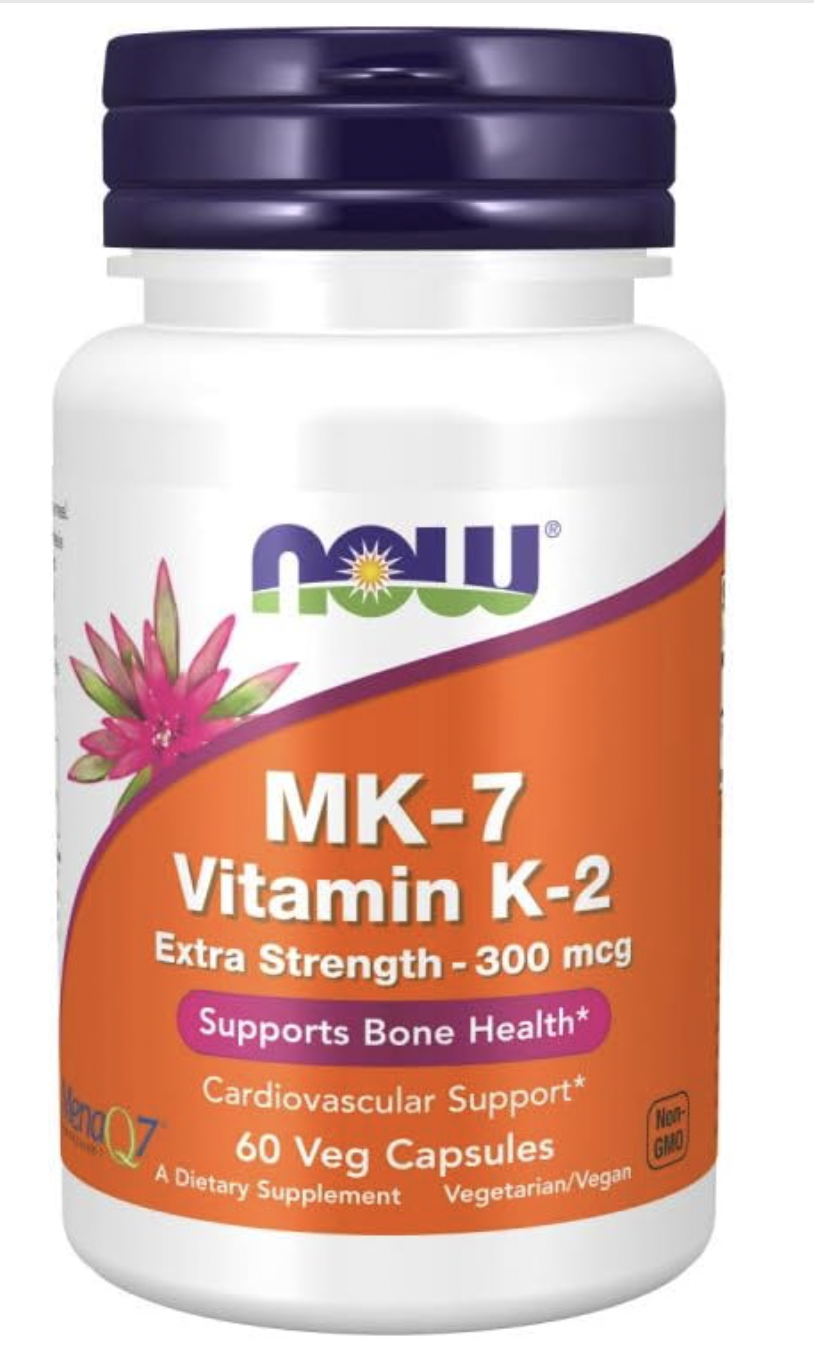
Click here to buy vitamin K2 / MK-7.
To support the need for inorganic phosphates, be sure to drink a daily dose of horsetail tea (Equisetum arvense). Horsetail tea contains a high level of silica to support bone healing and healthy bone formation and density. Equisetum arvense can improve bone density naturally when combined with vitamin K2 / MK-7. Equisetum arvense is also a diuretic that can help reduce excess buildup of fluid in the bone tissues by promoting detoxification through the kidneys. Drink 2 teaspoons of horsetail tea daily for 6 weeks and then take a break from it from for 1 week before continuing to work with it for another 6 weeks.Additionally, work with pulsed electromagnetic frequencies (PEMF) to help the bone tissues rebuild themselves in a healthy way. PEMF improves bone healing after fractures and as you work to release organophosphates from bones and replace them with healthy, inorganic phosphates, PEMF can help with this process.

Click here to buy a PEMF device to heal bone tissues.
DMSO and NAC for CRPS
While the salicin-containing herbs like meadowsweet are an excellent choice for pain-control that won’t harm the stomach lining or cause bleeding issues sympathetic nerve blockade-medications can also be extremely useful.Dimethylsulfoxide (DMSO) is a sympathetic nerve blocking agent that can be used to control pain, but also heal the underlying cause of the health issue. In one study, one group of 73 patients administered DMSO 50% five times per day to the affected areas of the body for 17 weeks. Another 73 patients in a second group administered N-acetylcysteine / NAC (a detoxifying nutrient-substance) at a dose of 600 mg three times per day for 17 weeks. Patients were given the option to switch to the other medication after 17 weeks and continue treatment for up to 1 year under the watchful eye of the scientists. DMSO was particularly beneficial for warm CRPS I while NAC was more beneficial for cold CRPS I.
Neural Therapy / Stellate Ganglion Block for CRPS
A stellate-ganglion block is a type of sympathetic nerve block performed by a neural-therapy doctor in a clinic to block pain in people with CRPS, post-traumatic stress disorder (PTSD), and other pain conditions. It is a minimally invasive treatment performed with a long needle, procaine (the very first anesthetic ever invented) and sometimes DMSO. The injection is done at the neck to relieve pain in the body.The medicines used to do a stellate ganglion block is not especially toxic in terms of the treatment itself although general anesthetic or sedation might contain toxic ingredients. Procaine is gentle on the liver and the kidneys and it can produce long-lasting effects. DMSO is also non-toxic. The procedure, of course, requires the patient to go to a clinic and be treated by a doctor and because CRPS is a pain-condition that is triggered by stress, the stellate-ganglion block is something that many CRPS patients avoid.
It’s positive when patients feel a sense of control over their own pain. The stellate ganglion block can provide relief, but patients don’t administer the medicine themselves. That’s okay, but over the course of time, patients who undergo this treatment might desire to seek out other options that are easier for them to administer to themselves. Nonetheless, the stellate-ganglion block is a viable, relatively non-toxic, minimally invasive treatment option to reduce pain in CRPS patients. It does not, however, cure the underlying problem and depending on other medications administered by a doctor, can contribute to increased toxicity in the body.
Ketamine for CRPS
Ketamine is also a sympathetic nerve block with psychoactivity. It can be administered in low doses using a nasal spray that’s prescribed by a doctor or it can be administered as an IV in a clinic at a higher dose that produces psychoactive effects. A ketamine trip involves a release from this world and patients go to a different, dissociative reality that can, at times, be incredibly healing on many levels. Ketamine can relieve pain, but it can also help release triggers that cause the “wind up” pain in the body as a result of CRPS which can, in turn, reduce pain generally over time.Ketamine does not directly treat the underlying cause of CRPS which is likely toxic exposure to chemicals like organophosphates that are stored in bone tissues, but it can release trauma which sets off a pain response to slowly give patients more control over their pain in general with time.
Kratom for CRPS
Patients report relief from using Mitragyna speciosa / kratom, an herbal remedy for pain that works a bit like opioid drugs, but without the same level of addiction risk and without the other dangers involved with opioid use. Kratom, in fact, is used by many people to break an opiate addiction because of its ability to reduce pain via the opioid receptors without causing addiction. Mitragyna speciosa / kratom for CRPS can be life-saving. Kratom gives CRPS patients control over administration as well as dosing for pain control.Kratom is a plant that grows with different “vein” colors in the leaves. Different colored veins (red, green, and white) produce slightly different effects in the body. Yellow “vein” is a fermented kratom product that produces a result similar to red vein and to green vein depending on the dose. CRPS patients might wish to start with green vein products such as Green Malay during the daytime or a gold / yellow vein product. At night, choose Red Hulu or Red Bali for a more sedative effect with pain control.
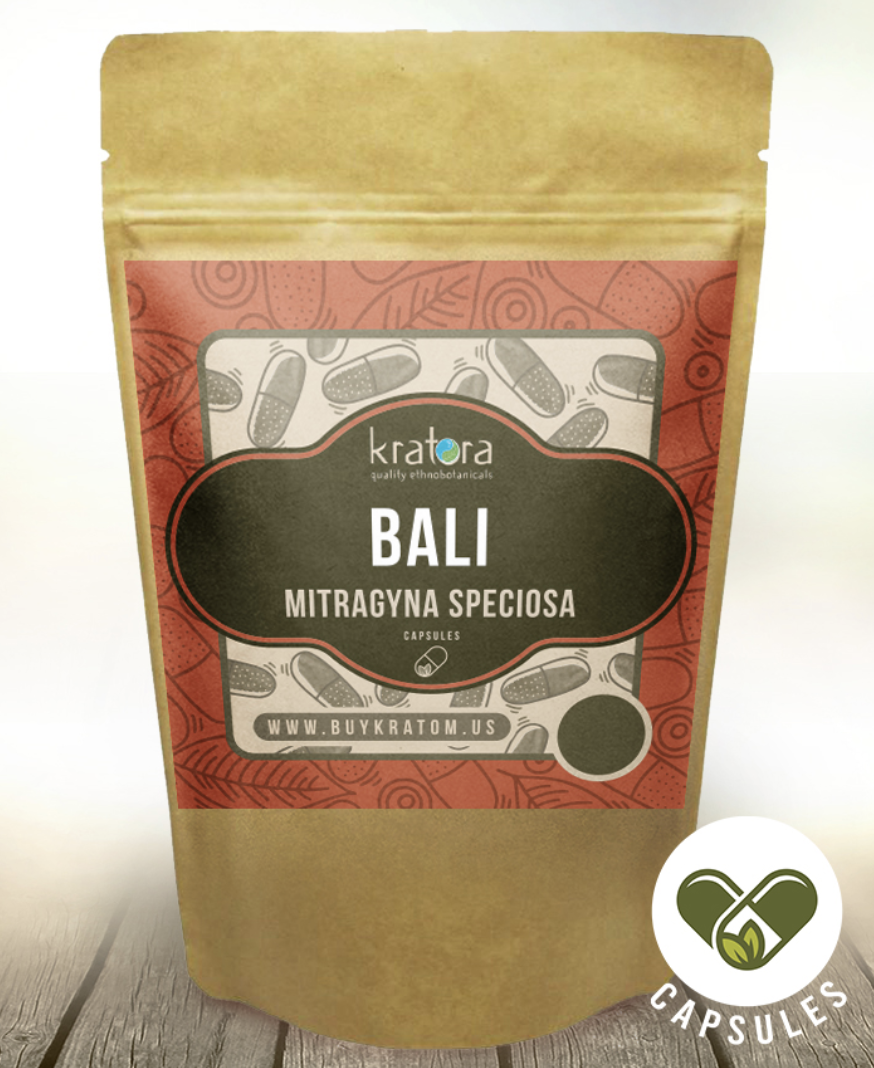
Click here to buy Kratom / Mitragyna speciosa.
Different strains like “Malay” or “Bornea” have to do with the region where the kratom is grown. Different strains, like different veins of kratom also have different medicinal effects with some strains being more relaxing and sedative and others stimulating. Lower doses of kratom tend to be more stimulating while higher doses tend to be more relaxing with more pain reducing effects. A low dose would be between 1-5 grams daily. Higher doses go up to 8 grams per day. A dose of 4 grams in the morning and 4 grams in the early afternoon (around 1-2 PM) of a stimulating strain and vein (Green Malay, for example) with one dose of cayenne pepper (500 mg, 40,000 Heat Units) can prolong the effects of the kratom.Start by taking just 1 gram of kratom and increase the dose up to 4-6 grams until you find the proper pain-relieving dose that works for you. Note that kratom is a sacred medicine and there are many strains and also veins to work with. Most people eventually find a combination of daytime and evening kratom veins / strains that suits them, but you have to interact with this plant medicine to really understand what it can do. One rule of thumb though is to take a different vein / strain combination daily and take breaks from veins / strains by doing a 3-4 day cycle with your kratom products. On a Monday, you might take 4 grams of Green Malay in the morning and 4 grams in the afternoon and then switch to Red Hulu overnight. On a Tuesday, you might instead take 4 -5 grams of Red Maeng Da in the morning and in the afternoon and take Red Bali overnight. The next day, you might take Yellow Borneo at a dose of 3-5 grams early in the day and then take the evening and night off from kratom before starting the cycle over again the next day.
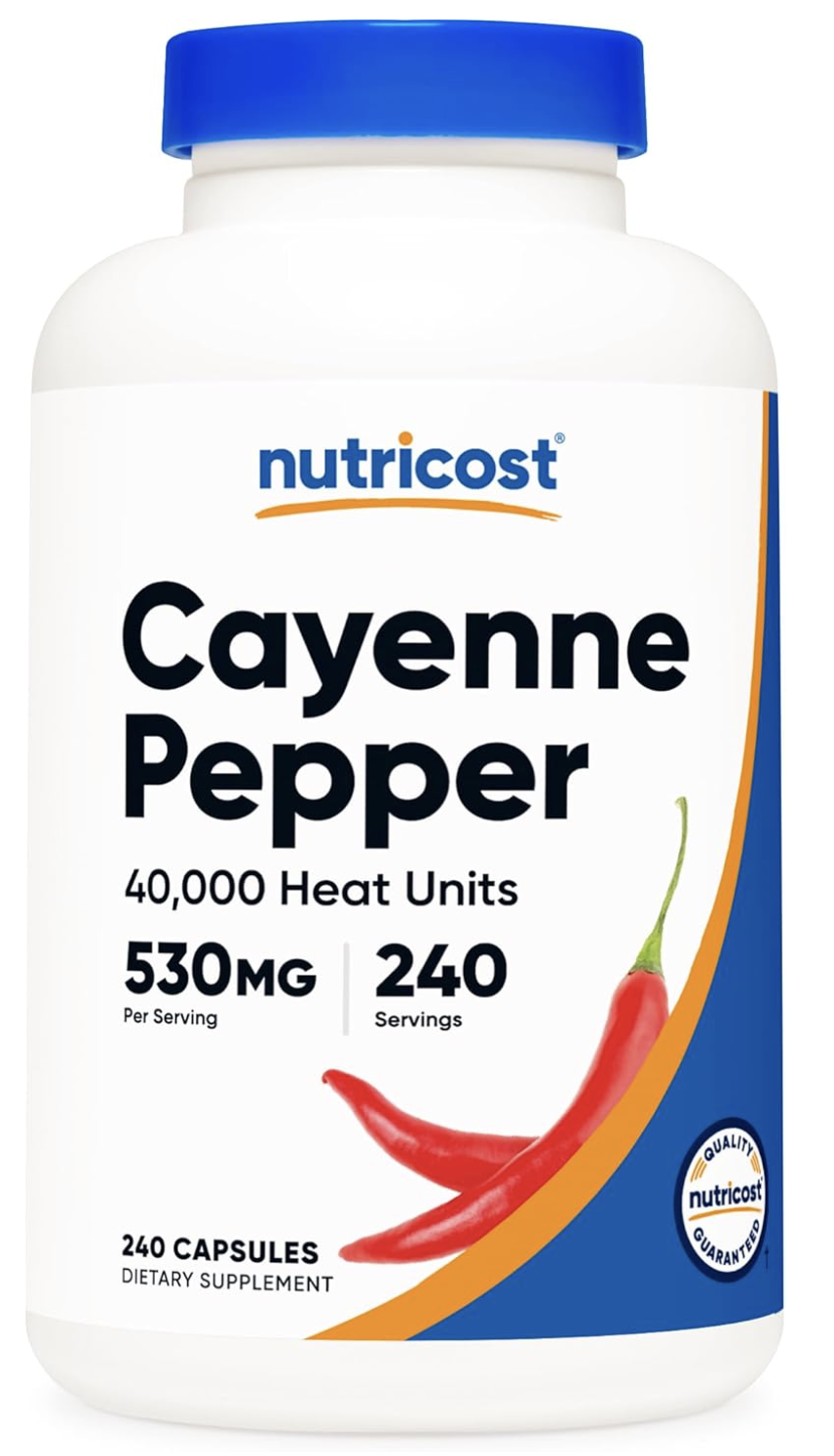
Click here to buy Cayenne Pepper.
Tianeptine for CRPS
Some patients might be able to obtain tianpetine in low-doses (25-50 mg daily) to treat CRPS. Tianeptine is more addictive than kratom, but at low doses like the dose we recommend here, the risk of addiction is significantly lower.Low-Dose Nicotine Patches and Amanita Muscaria to Remove Organophosphates from the Nervous System
The cholinergic system is the part of the autonomic nervous system that is most impacted by organophosphate toxicity. This system of the body uses endogenous acetylcholine to function, but acetylcholine is a neurotransmitter that can interact with both nicotinic and muscarinic receptors (these are the two basic types of receptors in the cholinergic system).Nicotinic receptors produce effects that essentially connect our energy field — our thoughts, both conscious and unconscious as well as our feelings – into our bodies so that we can express what we’re thinking and feeling fluently in social situations. Nicotine is a medicine (or a toxin, depending on dose and context) that has the ability to dislodge toxins have lodged themselves in the nicotinic receptors. For example, certain types of snake venom and certain bacteria produce toxins that are “nicotinic” to hijack nicotinic receptors and produce symptoms like Locked-In or Totally Locked-In Syndrome. In Totally Locked-In Syndrome a person may be 100% conscious, awake, able to feel all sensations in the body, but unable to move a muscle. A person with Totally Locked-In Syndrome looks dead but isn’t dead. In the 18th and 19th centuries “safety coffins” were developed with a little bell at ground-level to prevent people from being buried alive during the cholera epidemic. Cholera is a disease that can produce Totally Locked-In Syndrome.
The COVID spike protein is nicotinic in nature and can produce symptoms of Locked-In syndrome (which are less dramatic than symptoms of Totally Locked-In Syndrome).
On the other hand, muscarinic receptors are the primary type of receptor that organophosphates interact with. Intermediate syndrome, which is caused by exposure to a high dose of organophosphates, produces symptoms that doctors remember via the acronym SLUDGE. This acronym stands for: Salivation, Lacrimation (production of tears), Urination, Defecation, Gastrointestinal upset, and Emesis (vomiting). While poisons / toxins that lodge themselves in the nicotinic receptors produce symptoms that make the body appear less animated or even dead, poisons / toxins like organophosphates that lodge themselves in the muscarinic receptors cause the liquids in the body to be purged in various ways (through tears, salivation, urination, vomiting, and diarrhea).
While low-dose nicotine patches or wild tobacco / Nicotiana rustica treatments using ambil or Hapé / Rapé are standard for treating toxic exposure to nicotinic-receptor disruptors, Amanita muscaria is a mushroom that can be used as a medicine in microdoses to dislodge organophosphates from the muscarinic receptors.
Though vitamin K2 is a nutrient that can help the bone tissues remove organophosphates to replace them with healthy inorganic phosphates, Amanita muscaria mostly works with the nervous system and organophosphates that are interacting with muscarinic receptors in the soft tissues. There is often a temptation to work with a medicine like Amanita muscaria at the highest possible microdose, but this is a situation where less may really be more. As you dislodge organophosphates to remove them from the body, your kidneys and liver must be able to process them properly. Lower doses with breaks between dosing may be the best strategy for patients with CRPS.
Summary
CRPS is a tricky disease that may require patients to relocate if constant toxin-exposure is an issue. Patients should make a strong effort to detoxify their lives in a general way. At the same time, patients should also seek to treat the underlying cause and reduce bone marrow edema by working with vitamin K2 / MK-7 and Equisetum arvense. Pain relief might involve several different treatments with kratom as one of the pain-relieving treatments offering a lot of control for patients.Resources:
• Benchouk, S. et al. (2020). Complex regional pain syndrome and bone marrow oedema syndrome: family ties potentially closer than expected. Retrieved October 9, 2025 from https://pmc.ncbi.nlm.nih.gov/articles/PMC7451491/
• Davis, D. D. and Kane, S. M. (2023). Bone Marrow Edema Syndrome. Retrieved October 9, 2025 from https://www.ncbi.nlm.nih.gov/books/NBK559176/
• Poh, Y. J. et al. (2011). Magnetic resonance imagining bone edema is not a major feature of gout unless there is concomitant osteomyelitis: 10-year findings from a high-prevalence population. October 9. 2025 from https://pubmed.ncbi.nlm.nih.gov/21965640/
• Van der Veen, P. (2015). CRPS: A contingent hypothesis with prostaglandins as crucial conversion factor. Retrieved October 9, 2025 from https://www.sciencedirect.com/science/article/abs/pii/S0306987715002819#:~:text=Prostaglandins%20are%20ubiquitously%20present%20substances,a%20maximum%20at%20Point%20B.
• Robb, E. L. et al. (2023). Organophosphate Toxicity. Retrieved October 9, 2025 from https://www.ncbi.nlm.nih.gov/books/NBK470430/
• Littman, J. et al. (2023). Spontaneous Bone Marrow Edema: Perfusion Abnormalities and Treatment with Surgical Decompression. Retrieved October 9, 2025 from https://www.mdpi.com/1422-0067/24/7/6761
• Compston, J.E. et al. (1999). Reduced bone formation after exposure to organophosphates. Retrieved October 13, 2025 from https://www.sciencedirect.com/science/article/abs/pii/S0140673699044669#:~:text=Summary,level%20than%20in%20healthy%20controls.
• Guo, J. Y. et al. (2024). Associations between organophosphate esters and bone mineral density in adults in the United States: 2011-2018 NHANES. Retrieved October 13, 2025 from https://pubmed.ncbi.nlm.nih.gov/38714086/
• Perez, M. R. S. G. et al.(2003). The treatment of complex regional pain syndrome type I with free radical scavengers: a randomized controlled study. Retrieved October 13, 2025 from https://pubmed.ncbi.nlm.nih.gov/12670672/
• Cohen, S. P. et al. (2023). Sympathetic Blocks as a Predictor for Response to Ketamine Infusion in Patients with Complex Regional Pain Syndrome: A Multicenter Study. Retrieved October 13, 2025 from https://pubmed.ncbi.nlm.nih.gov/36269190/