How to Work with Opioids for Pain Relief without Addiction
 It’s unfortunate, but the opioid system in the body has been somewhat demonized by modern media due to its association with addictive opioid drugs (like heroin or oxycodone). However, the reality is that the body’s natural opioid system – although it can be activated by certain dangerous and addictive drugs – is an essential part of the body’s ability to regulate pain, mood, pleasure, stress, and more. Opioid receptors are found throughout the body, but are especially concentrated in the digestive system, immune system, brain, and peripheral nervous system, which gives us a clue in terms of where opioids (natural or otherwise) are most active and important. The body even produces its very own natural opioids – endogenous opioids – that bind with these receptors. And, there are also safe, natural medicines that bind with different opioid receptors to achieve specific pain-relieving and therapeutic effects in the body.
What does the opioid system do?
The opioid system is responsible (at least in part) for managing the following things in the body:
- Nociception (this is a specific type of pain, we’ll discuss this more below)
- Analgesia (a specific type of pain relief)
- Breathing
- Digestive activity
- Stress response
- Emotional expression
- Endocrine system activity
- Immune function
- Pleasure (physical, emotional, mental, etc.)
- Addictive behaviors
The opioid system is fascinating, but tragically, it is also deeply misunderstood. So, let’s start with the basics, beginning with the fact that, in essence, the opioid system is a neurotransmitter system not unlike the dopaminergic system, the endocannabinoid system, or the serotonergic systems. As with these other neurotransmitters, it’s possible to have a kind of “deficiency” in terms of natural, endogenous opioids.

Click here to schedule a health coaching session with us.
Endorphin Deficiency / Endogenous Opioid Deficiency
Endorphins are a type of natural, endogenous opioids.Signs of endorphin “deficiency” might include symptoms and specific health conditions such as the following:
-
- Pain
- Anxiety
- Depression
- Addiction and substance abuse (including alcoholism)
- Sleep issues
- Fibromyalgia
- In fibromyalgia patients, the number of kappa and delta opioid receptors in particular is higher than in other individuals creating imbalances in the opioid system.
- Post-traumatic stress disorder (PTSD)
- Borderline personality disorder
- Headaches
- Crohn’s disease
- Bipolar disorder
- Schizophrenia
- HIV/AIDS
- Cancer
- And more…
Endorphin deficiency is often accompanied by GABA and/or serotonin deficiencies as well. We’ve talked about serotonin and how serotonin acts to prolong healing autonomic nervous system rest-and-digest states. GABA is also a neurotransmitter that produces relaxation responses in the body. In people with these other more widely accepted neurotransmitter deficiencies, pain-relieving or antidepressant / anti-anxiety medications that target these other neurotransmitter systems may not be entirely effective. In terms of creating a natural protocol for pain relief or for treating a major illness related to endorphin deficiency, it’s important to consider ways to support all of these systems (the serotonin system, the GABA-glutamate system, and the opioid system) in order to actually be successful.
Risk factors for developing endorphin deficiency specifically include:
- Chronic, ongoing stress
- Adrenal fatigue
- Blood sugar instability (diabetes or pre-diabetes for example)
- Dysbiosis of the gut microbiome
- Caffeine/alcohol consumption
- Physical/emotional trauma
- Spinal subluxation (misalignment of the spinal cord)
It’s also worth noting that women tend to be more at risk of developing an endorphin “deficiency” than men. This is thought to be largely due to the menstrual cycle, which directly alters levels of hormones and neurotransmitters that affect endorphins and other endogenous opioids, as well ability to directly alter the levels of the endogenous opioids themselves. This is important since women are also more at risk of developing chronic pain due to factors that we’ve already discussed involving reproductive hormones among other things.
Deficits in endogenous opioids have also been linked to specific conditions. Alcoholism is a unique example of this. People who are genetically predisposed to having lower levels of beta-endorphin are more likely to develop an addiction to alcohol, but also, if they do happen to develop an alcohol addiction, chronic alcohol abuse can lead to a more severe endorphin deficiency over time. Alcohol abuse, for some people, is thus a form of “self medicating” in that alcohol consumption can increase deficient beta-endorphin levels temporarily. Other safer, natural substances can also offer a balancing effect for people with a predisposition to low beta-endorphin levels, however, and treatment to overcome deficiency of the endogenous opioids may ultimately help people with alcoholism break an addiction once-and-for-all.
Some natural medicines, like kratom / Mitragyna speciosa, for example, work like natural opioids to bind with the body’s opioid receptors and relieve the symptoms of these kinds of health issues (including chronic pain). The natural opioid agonists that are found in kratom, after all, are significantly less toxic than pharmaceutical or street opioid drugs, and can also have therapeutic effects that can actually heal the root cause of a particular, relevant health problem over time. The substance found in kratom that produces an opioid-like-effect by interacting with opioid receptors is not, itself an opioid. Though it is possible to get addicted to kratom, breaking this addiction is much less serious than breaking an addiction to synthetic opiates. Some people have compared an addiction to kratom to an addiction to coffee in terms of seriousness.
That said, if you suspect that you struggle with an endorphin deficiency, it’s important to take action to replenish your body’s natural endorphin levels in addition to working with nontoxic medicines to manage symptoms. Breathwork, certain foods (like raw cacao and spicy foods), meditation, exercise, socialization, acupuncture, massage, and aromatherapy can all naturally boost endogenous endorphin levels, for example.
A Note About Low-Dose Naltrexone…
Low-dose naltrexone therapy, sometimes referred to as simply “LDN”, is a conventional medicine treatment for conditions like fibromyalgia, TMJ, other chronic pain-related disorders, some autoimmune diseases, and cancer. Naltrexone is a unique pharmaceutical drug in that it works as an opioid antagonist, meaning that it actually blocks opioid receptors temporarily. This forces the body to produce more of its own natural endogenous opioids – endorphins and enkephalins specifically – which ultimately can help relieve the symptoms of these health problems over the course of time. After the body produces extra endogenous opioids, they can help “wash away” the naltrexone from the opioid receptors and provide relief from pain, improvements in mood, and other positive effects.While low-dose naltrexone therapy is an interesting treatment option, it comes with a number of uncomfortable common side effects like insomnia, nausea, nightmares, anxiety/depression, and other symptoms. For someone with chronic pain, these additional symptoms of discomfort can be hard to tolerate. Naloxone is another commonly prescribed pharmaceutical drug with similar opioid antagonist effects. Both of these drugs are antagonistic to the mu, kappa, and delta opioid receptors, though naloxone specifically has a 10x higher affinity for the mu receptors than for the kappa receptors (we’ll talk about the implications of this later in this discussion). These drugs are also commonly used to treat opioid drug overdose.
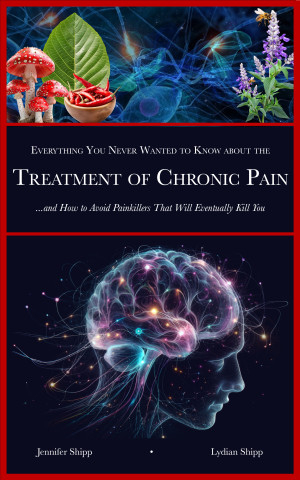
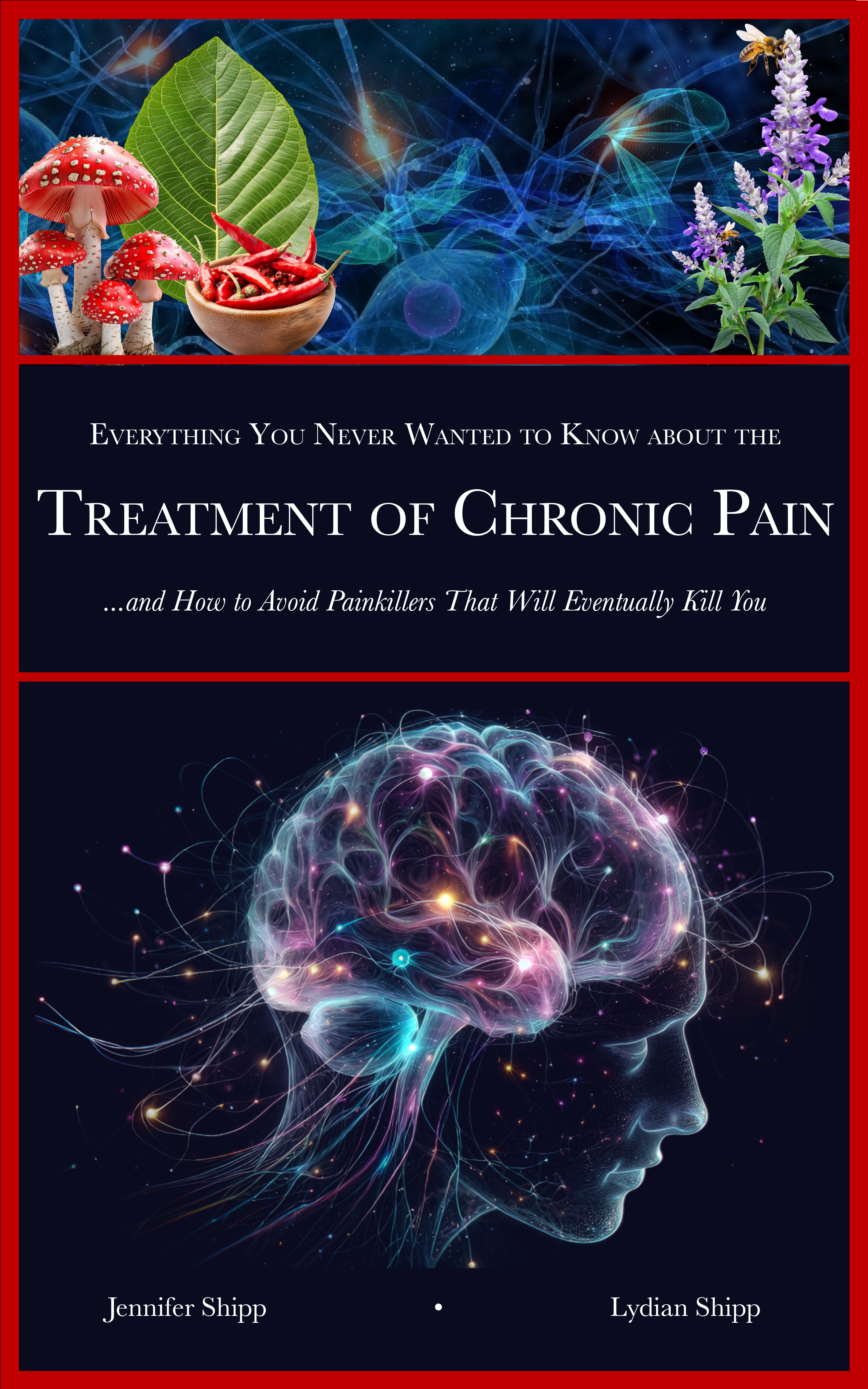 Everything You Never Wanted to Know About the Treatment of Chronic Pain... and How to Avoid Painkillers That Will Eventually Kill You - BUY HERE!!!
How Opioids and Opioid Receptors Work: The Basics
Opioid agonists – these can be natural or synthetic substances that activate the opioid receptors – work by inhibiting the release of excitatory substances like Substance P, glutamate, acetylcholine, norepinephrine, and serotonin. They also directly inhibit the transmission of pain signals from the nerves in the dorsal horn in the spinal cord. We’ve discussed the fact that people with severe chronic pain develop “sympathetic sprouts” from the dorsal root ganglion in the spinal cord and these “sprouts” produce “baskets” of extra nerves to the dorsal root ganglion to transmit more pain information to the brain. This anatomical change that happens to people with chronic pain explains why chronic pain does, in fact, lead to the production of more pain. Nerve-blocking agents like ketamine or kratom / Mitragyna speciosa are able to prevent the development of these extra nerve fibers and these treatments can also encourage the body to remodel and remove these excess pain-transmitted nerves too.The activity of opioids at a cellular level is thought-provoking in that it demonstrates how opioid substances – natural or otherwise – are involved in cellular signalling as well as in the permeability of cell membranes via their ability to alter the function of calcium and potassium at a cellular level. Opioid activity that modifies cellular membrane permeability may also explain the relationship between alcohol addiction and opioid addiction. Opioids may function a bit like insulin to produce cells that are “dormant” and closed off to the outside world, or opioids might open the cell membrane to admit nutrients and allow the cell to detoxify and also communicate with other cells.
A cell’s ability to signal other cells is worth some consideration as cellular signaling (or a lack of cellular signaling and “dormancy”) is associated with diseases like autism / ASD, for example. Pain relief for autism / ASD is always on parent’s minds because children with this disorder are often in pain. Cellular dormancy is also an issue for children with diabetes. Indeed, diabetes and alcoholism are metabolically nearly identical. So the fact that opioids play a role in cellular membrane permeability is significant.
Depending on whether or not an opioid substance activates an opioid receptor on the ascending or descending pain pathways, it can have somewhat different effects:
When an opioid receptor on an ascending pain pathway is activated – meaning that the signal is coming from the peripheral areas of the body and traveling toward the brain and spinal cord – two things happen:
- The Ca2+ channels close, leading to a decreased influx of presynaptic calcium into neuronal cells. This inhibits neuronal firing as well as the release of excitatory substances like those mentioned above (e.g. glutamate).
- Postsynaptic K+ expulsion increases, leading to hyperpolarization of the synapses that also prevents neuronal activation.
In contrast, the binding of opioids to opioid receptors on the descending pain pathways – those traveling from the brain/spinal cord to areas that are experiencing pain – causes the activation of special inhibitory neurons that send signals to the spinal cord to inhibit the activation of pain-transmitting neurons.
At a cellular level, the body’s natural endogenous opioids are made from pre-propeptide opiate precursors. These are modified in the endoplasmic reticulum to become propeptide opiate precursors, which are then sent to the Golgi apparatus where they can finally be made into the final endogenous opioid product. Malfunctions in the body’s process of producing endogenous opioids have been linked to both schizophrenia and autism / ASD, suggesting that natural opioid therapies or therapies that work with the opioid system may be critical in managing and healing these two conditions in particular. As we’ve noted elsewhere, however, an over-the-counter medicine like dimethylsulfoxide / DMSO can be used to heal cells at a deep level to cure schizophrenia, autism / ASD, and even Down’s syndrome.
Click here to subscribe to the Living Database now.
Types of Opioid Receptors and Endogenous Opioids
Opioid receptors are unique among pain-relieving receptors in that they can relieve both the sensory and affective elements of pain. What this means is that, when opioid receptors are activated by either natural or synthetic substances, they can relieve both physical and emotional pain. In terms of medicines to manage chronic pain conditions especially, considering both the physical and emotional aspects of pain, is essential to success since indeed, having chronic physical pain can be emotionally traumatizing as well. Thus, opioid-activating natural medicines can offer a balancing effect and can give patients with chronic pain a sense of control over their situation as well as a renewed sense of hope that healing is possible. So let’s talk about the different types of opioid receptors and endogenous opioids and how to increase endogenous opioid production in the body.Endogenous Opioids: The Body’s Natural Opioids
When we think of endogenous opioids – or natural opioids that are produce inside the body – most people will automatically think of endorphins. But, in reality, there are a few different types of endogenous opioids beyond just endorphins, and all of them play a critical role in emotional, mental, and physical pain. The 3 main types of endogenous opioids are endorphins, dynorphins, and enkephalins, though endomorphins and nociceptin are also relevant. I’ve discussed each of these below in combination with the opioid receptor that they interact with most frequently for the sake of clarity. The three main endogenous opioids are all members of the G protein-coupled receptor family, and like other members of this family, they inhibit adenylyl cyclase. Inhibition of adenylyl cyclase through activation of the opioid receptors – especially of the mu opioid receptors – by endogenous or exogenous opioids also lowers cAMP levels.Endogenous Opioids: The Body’s Natural Opioids
When we think of endogenous opioids – or natural opioids that are produce inside the body – most people will automatically think of endorphins. But, in reality, there are a few different types of endogenous opioids beyond just endorphins, and all of them play a critical role in emotional, mental, and physical pain. The 3 main types of endogenous opioids are endorphins, dynorphins, and enkephalins, though endomorphins and nociceptin are also relevant. I’ve discussed each of these below in combination with the opioid receptor that they interact with most frequently for the sake of clarity.The three main endogenous opioids are all members of the G protein-coupled receptor family, and like other members of this family, they inhibit adenylyl cyclase. Inhibition of adenylyl cyclase through activation of the opioid receptors – especially of the mu opioid receptors – by endogenous or exogenous opioids also lowers cAMP levels.

Click here to do a free trial of EMDR to Release Trauma.
Mu Opioid Receptors
The mu opioid receptors are found primarily in the following areas of the brain and body:- Dorsal horn (spinal cord)
- Nucleus accumbens (brain)
- Thalamus (brain)
- Caudate putamen (brain)
- Neocortex (brain)
- Amygdala (brain)
- Interpeduncular complex (brain)
- Inferior and superior colliculi (brain)
- Periaqueductal gray (brain)
- Raphe nucleus (brain)
- External plexiform layer (olfactory bulb / brain)
- Intestinal tract
The mu opioid receptors play a key role in the following bodily functions:
- Pain / pain relief
- Mood
- Hormone balance
- Breathing
- Temperature regulation
- Feeding
- Digestive function
- Heart and general cardiovascular health
- Immune function
Mu opioid receptors help regulate serotonin release in a similar way to how the kappa opioid receptors regulate dopamine release.
Mu opioid receptors, given their presence in the intestinal tract, are known for their effects on digestive function. Mu receptor agonists inhibit peristalsis, meaning that this specific receptor, when activated, can sometimes lead to constipation if not managed appropriately.
Morphine is one of the main alkaloids that interacts selectively with the mu opioid receptors. While isolated morphine is sometimes given as a pharmaceutical drug, morphine is also found naturally in opium. Though this is technically a natural alkaloid, it’s extremely powerful and addictive, especially for people with a predisposition to addiction. That said, understanding morphine and other commonly used, selective mu opioid receptor agonistic drugs can be helpful in terms of understanding the role of the mu opioid receptors in the body.
Methadone is another potent mu opioid receptor agonist, for example, but it also has noteworthy NMDA receptor blocking activity as well as inhibitory activity against monoaminergic reuptake transporters. These various effects explain why, in conventional medicine practices, methadone can sometimes be more effective than other opioids in relieving challenging types of pain, such as neuropathic pain or cancer pain. This profile is important to consider for patients who are either wanting to stop using methadone for pain relief and to switch to a natural pain-relief protocol, or who have these types of difficult-to-manage pain-types but who don’t want to take methadone at all.
Other highly selective mu opioid receptor agonist drugs include fentanyl, DAMGO, codeine, heroin, oxycodone, hydrocodone, levorphanol, tianeptine, and meperidine (among others). Note however that tianeptine can be used at very low doses with little risk of addiction to as part of a protocol to reverse diabetes and alcoholism.
Plant-based, natural (and relatively safe) full or partial mu opioid receptor agonists include 7-hydroxymitragynine (a kratom alkaloid). Kratom, when used by itself as an herbal pain-reliever, is very safe and it also has the ability to lower blood sugar and therefore, work with a protocol to cure diabetes as well as alcohol addiction. For those with diabetic neuropathy or other forms of neuropathy, kratom can help reverse the underlying disease process that is causing neuropathic pain while simultaneously working to relieve chronic pain.
Click here to learn more about the DreamLight.app, an online guided meditation and brain-entrainment tool.
Endorphins: The Primary Endogenous Opioid for the Mu Receptors
Endorphins are one of the most famous types of natural opioids found in the body, though most people likely aren’t aware that, indeed, endorphins are opioids and they interact with the opioid receptors. Endorphins specifically prefer to bind to the mu-opioid receptors.There are 4 subcategories of endorphins:
- Alpha-endorphins
- Beta-endorphins
- Beta-endorphins are most often associated with the kind of “high” experienced after intense exercise.
- Gamma-endorphins
- Sigma-endorphins.
Endorphins are produced in the hypothalamus and in the pituitary gland from a precursor protein known as proopiomelanocortin (POMC) – this protein is also a precursor for the production of adrenocorticotropin (ACTH), a stress hormone. The fact that pain-relieving endorphins and pain-producing adrenocorticotropin are derived from the same precursor, POMC, highlights a high-level connection in the body between pleasure and pain. After production, endorphins are stored in core vesicles in the hypothalamus and pituitary glands, as well as in immune cells. Upon receiving the appropriate signals, the brain or immune cells can release endorphins to relieve pain or inflammation in areas of the body that are injured or otherwise weak and struggling.
When the body experiences some kind of physical (or emotional) pain or stress, nerves in the spinal cord send a message communicating this pain to the hypothalamus in the brain. Then, the hypothalamus releases endorphins in response to the pain/stress, which can then bind with opioid receptors in the brain (and beyond) in order to produce pain relief. The pain relieving effects of endorphins are also related to this particular opioid’s ability to reduce levels of the pain-causing hormone, Substance P. Endorphins can also produce feelings of pleasure or focus, in part due to an increase in dopamine release.
But at this juncture, we need to emphasize the importance of POMC, not just in terms of pain-relief, but also in terms of how the body interacts with the external environment. POMC, as it turns out, is also the precursor protein for alpha-melanocyte stimulating hormone, the hormone responsible for melanin release from melanocytes. Melanocytes are tiny cells in the skin that are responsible for skin color, eye color, and hair color, but melanocytes do more than just provide a specific coloring to our skin, hair and eyes – melanocytes act like tiny solar panels in the skin to pick up both positive and negative radiation from the sun.
Melanocytes, when properly nourished with nutrients like sulfur and iodine, act as armor against negative forms of radiation in the environment, but they also act to pick up and use positive forms of radiation that our bodies convert into energy as well as nutrients and nutrient-substances (such as vitamin D and fumaric acid). Melanocytes are connected directly to the sympathetic nervous system via tiny nerves that ultimately allow these melanocyte-solar-panels to communicate directly with the pineal gland (located at the base of the brain at the so-called “third eye” – the pineal is also known as the “seat of the soul”) about ambient temperature, light, season (based on the angle of the sun), time of day, social tension, “danger”, and more. While the U.S. military builds tanks and weapons coated in synthetic forms of melanin (that are manufactured to resemble human melanin) because of the armor- and radar-capabilities of melanin, the U.S. healthcare system tells us to wear (carcinogenic) sunscreen to block out radiation from the environment and “protect” the body.
Vaccines that contain thimerosal, a substance high in mercury, hijack the melanin-producing melanocytes in the body which, in turn, hijacks the body’s ability to reduce pain and to synchronize with the natural environment. Children with autism / ASD tend to be pale in terms of their ethnicity and mercury-exposure had been cited as a reason why this paleness occurs. Paleness, of course, has to do with melanocytes and melanin release. Sulfur is one of the primary ingredients in healthy melanin production which might explain why dimethylsulfoxide / DMSO can provide pain relief. Indeed, DMSO has been used to cure diabetes, type 1 and type 2, along with methylsulfonomethane / MSM, another high-sulfur supplement that can help the body improve melanocyte and melanin health for pain relief. Both DMSO and MSM are used in the treatment of arthritis as well as neuropathic pain, complex regional pain syndrome, fibromyalgia, rheumatism, and low-back pain among others.
Endomorphins: A Secondary Endogenous Opioid for the Mu Receptors
Endomorphins have an affinity for the mu-opioid receptors, and like endorphins, also have notable pain-relieving effects.Kappa Opioid Receptors
The kappa opioid receptors are found primarily in the following areas of the brain and body:- Cerebral cortex (brain)
- Nucleus accumbens (brain)
- Claustrum (brain)
- Hypothalamus (brain)
The kappa opioid receptors are involved in the following activities in the body:
- Pain perception
- Feeding
- Urine production
- Neuroendocrine production
- Immune function
- Motor control
- Consciousness
Opioid medications and natural medicines that stimulate the kappa opioid receptors may have a particular affinity for reducing inflammation, general pain, as well as itching (the pharmaceutical drug nalfurafine is an antipruritic that selectively targets the kappa opioid receptors). Kappa opioid receptor agonist substances are also diuretic (through their inhibition of vasopressin / anti-diabetic hormone / ADH), neuroprotective against hypoxia and ischemia, and potentially anticonvulsant or with protective effects in the case of convulsions / seizures.
Stimulation of the kappa opioid receptors may also help treat mania in patients with bipolar disorder. One clinical study found that the drug pentazocine, a kappa receptor agonist, quickly and effectively relieved mania symptoms in bipolar patients. The researchers speculated that this response may have been in part due to the fact that activation of the kappa opioid receptors can prevent excessive dopaminergic signalling in the reward pathways in the brain. The over-the-counter nutrient, lithium orotate, has also been used successfully in the treatment of bipolar disorder and studies have indicated that lithium orotate may also be able to balance the opioid system. I should also note that lithium orotate is an important pain-reliever.
Kappa opioid receptors also have an effect on relieving nociceptive pain, though they don’t bind with the nociceptin opioid receptors. Substances that bind with the kappa opioid receptors can indeed relieve pain, but many people also report uncomfortable side effects from kappa-receptor-specific drugs, such as hallucinations, dysphoria, and dissociation. Diviner’s Sage, or Salvia divinorum, and the isolated plant compound Salvinorin A, is a prime example of a powerful, natural kappa opioid receptor agonist. While Salvia divinorum can often have pain-relieving effects, its unique, dissociative effects as a sacred medicine can be off-putting to some people because of its ability to produce dysphoria and “paradoxical” emotions. This medicine can, however, be microdosed to produce the same pain-relieving and healing effects without producing an intensely dissociative experience. Salvia divinorum is particularly important as a medicine for pain or discomfort in the gastrointestinal system.
Ibogaine – an alkaloid from the Tabernanthe ibogaine plant – is another natural kappa opioid receptor agonist with dissociative and hallucinogenic effects. Iboga and the isolated ibogaine alkaloid are both frequently employed, with success, as treatments for chronic pain conditions like arthritis, fibromyalgia, and more. Iboga is also an extremely powerful sacred plant medicine for treating addiction, PTSD, mental health problems, and more. Like other sacred plant medicines, this is a treatment that works to treat not only the physiological aspects of pain, but also the mental, emotional, and spiritual aspects of pain and dis-ease.
Plants in the Mentha species, such as peppermint or spearmint, contain menthol, a monoterpenoid with weak kappa opioid receptor agonistic effects. Applied topically, menthol can relieve pain by activating the kappa opioid receptors, as well as by activating the TRPM8 receptor, otherwise known as the “cold/menthol receptor 1”.
Kratom also contains some natural plant compounds that interact with the kappa opioid receptors, though it doesn’t interact exclusively with these opioid receptors which makes this herb unique as a broader-spectrum herbal remedy for pain relief.

Become an Expert. Do our Anticancer Video Course Series Online.
Kappa Opioid Receptors and Addiction
Stimulation of the kappa opioid receptors by street or pharmaceutical drugs is often implicated in the development of drug addiction. Natural substances that antagonize the kappa opioid receptors thus may have more therapeutic potential in terms of relieving opioid withdrawal symptoms and in actually breaking the cycle of addiction (whether the addiction be to opioids or another substance/activity). Kappa receptor antagonists have been shown to be potentially useful in relieving depressive symptoms in patients experiencing opioid drug withdrawals, for example, even though kappa receptor antagonists may also produce dysphoria. We might think of the mu-opioid-medicines that target just mu-opioid receptors as pain-relievers that can be addictive because they relieve pain without treating underlying issues (emotional or biological). The kapp-opioid antagonists, in contrast, relieve pain through a detoxification of some kind (emotional or biological). They produce paradoxical feelings and experiences that are more complex and that might be regarded, perhaps, as emotionally purgative.
Many studies have shown a link between stress-induced drug relapse and a lack of activation of the kappa opioid receptors. Research has specifically focused on the role of kappa opioid receptors in cocaine addiction. In cases of cocaine overdose, the number of kappa opioid receptors nearly double in the nucleus accumbens, the same part of the brain where a decreased number of dopamine D2 receptors is known to contribute to addictive behaviors. The administration of kappa opioid agonist medications has also been found to effectively help reduce drug-seeking behaviors in cocaine addicts.
Prolactin levels may also play a role in how kappa receptor agonists treat addiction. Again, in cocaine addicts specifically, prolactin levels and prolactin response is lower than average. This particular hormone is, of course, associated with breastmilk production in nursing mothers, but it’s also crucial for learning, the myelination of nerves, and for promoting neuronal plasticity. Administration of kappa opioid receptor agonists can cause the body to release prolactin, which may offer another view into how activation of this specific opioid receptor may help prevent and treat addiction. Indeed, Salvia divinorum is an herb that remyelinates nerve fibers to cure multiple sclerosis and other diseases that involve de-myelination of the nerves.
Dynorphins: The Primary Endogenous Opioid for the Kappa Receptors
Dynorphins bind mostly to the kappa-opioid receptors. This endogenous opioid is often thought to be the body’s natural “addiction control mechanism”, and some research has even shown genetic alterations to the expression of dynorphin and its accompanying kappa opioid receptors is a strong marker for the later development of alcoholism. One study in lab animals with alcohol dependence even found that a single administration of a kappa opioid antagonist dramatically increased alcohol consumption – this suggests logically that a kappa receptor agonist may have the opposite effect of decreasing alcohol consumption. Similar studies have been done with similar effects in animals with heroin addiction.Though dynorphins can reduce pain by binding with the kappa opioid receptors (and often do), they also can play a role in stimulating pain through their ability to bind with the bradykinin receptors, particularly those in the lumbar region of the spinal cord. Dynorphins also can sometimes cause an increase in p38 MAPK (phosphorylated p38 mitogen-activated protein kinase) in the microglia cells in the dorsal horn of the spinal cord. The release of this particular enzyme has also been associated with NMDA-induced prostaglandin release, as well as with the regulation of astrocyte proliferation (an action specifically linked to neuropathic pain management).
Dynorphins also interact with the dopaminergic system by binding with kappa opioid receptors found on dopamine nerve terminals. By binding with kappa opioid receptors in these specific terminals, dynorphins can decrease the release of dopamine. This is directly connected to the role of kappa opioid receptors and dynorphins in addiction. Cocaine specifically has been found to ultimately increase dynorphin production by boosting transcription of prodynorphin mRNA in cells, leading to increased binding with the kappa opioid receptors that inhibit dopamine release. Cocaine and other stimulant drugs also lead to dopamine “flooding”, however, so this unusual dual activity could explain why drugs like cocaine in particular can be so addictive and why tolerance can increase quickly in some people.
That said, while dynorphins can sometimes reinforce addictive behaviors, in other people with a particular “high output” genetic configuration that allows them to produce more dynorphin mRNA, risk of drug addiction and tolerance is lower. Researchers speculate that people with specific “high output” genes in fact have a kind of “built-in defense mechanism” against drug addiction, and are less likely to get addicted to drugs even if they choose to take said drugs.
Other roles and relationships that dynorphin has in the body include these:
- Dynorphin release is stimulated by corticotropin-releasing factor (CRF).
- Stress-related dysphoria symptoms are thought to occur when CRF2 in particular activates dynorphin release and subsequently the kappa opioid receptors.
- Dynorphin A and dynorphin B levels are increased in the hippocampus and nucleus accumbens in animals with learned helplessness (which is related to depression). Administration of a kappa opioid receptor antagonist effectively ameliorated symptoms of learned helplessness.
- Dynorphins A and B are also increased in the hippocampus and nucleus accumbens in animals who are currently experiencing or who have experienced immobilization stress.
- Forced swim-related stress in animal models increased dynorphin A levels.
- Excess levels of dynorphin in the brain block glutamate release. Lower glutamate levels can relieve pain in patients with excess glutamate levels, but can also inhibit learning ability or cause symptoms of depression in other patients with a different profile.
- Dynorphin levels are higher during the daytime hours, and lower at night.
- Deprivation of food and/or water in animals caused daytime dynorphin levels to rise higher than normal, suggesting a key connection between dynorphin and circadian rhythms and homeostasis.
- Dynorphin is an appetite stimulant. Higher levels lead to increased eating. Stress-eating has been linked to elevated dynorphin levels.
- High-fat diets can lead to an increased expression of dynorphin in hypothalamus.
- Very hot environments and cases of hyperthermia can also stimulate increased dynorphin release, particularly in the hippocampus, cerebellum, cerebral cortex, and the brain stem. Administration of nitric oxide in animal studies reduced dynorphin levels and effectively managed hyperthermia and the heat-stress response.
Delta Opioid Receptors
The delta opioid receptors are found in the highest concentrations in the following areas of the brain and body:- Dorsal horn (spinal cord)
- Neocortex (brain)
- Caudate putamen (brain)
- Nucleus accumbens (brain)
- Amygdala (brain)
- Thalamus (brain)
- Hypothalamus (brain)
- Basal ganglia (brain)
- Neocortex (brain)
The delta opioid receptors play a role in the following actions in the body:
- Pain relief
- Mood (specifically in regard to depression and anxiety)
- Cardioprotection
One unique action of the delta opioid receptors is their ability to, when activated by exogenous opioids, produce ischemic preconditioning – this is a function that can help prevent stroke and heart attack by increasing the body’s ability to tolerate losses of blood or oxygenation to myocardial tissues specifically. Activation of delta opioid receptors can thus be significantly cardioprotective. Natural agonists of the delta receptors may help heal the heart and prevent further damage in patients with cardiovascular diseases.
The delta and mu opioid receptors interact with each other in that activation of the delta opioid receptors potentiates – or strengthens – the effects of activated mu opioid receptors. In this sense, drugs or single / combination natural remedies that activate both the delta and mu opioid receptors can sometimes be more powerful than those that activate only one or the other. That said, it’s important to note that while mu opioid receptors regulate acute pain (e.g. pain caused by an active injury or wound), the delta opioid receptors are related more to chronic pain and a person’s perception of chronic pain.
The delta opioid receptors also are related to and interact with the beta-2 adrenergic receptors, the arrestin beta-1 hormone, and the GPRASP1 hormone.
Other Honorary “Opioid” Receptors and Opioid Substances
Sigma receptors, epsilon opioid receptors, and GPR139 receptors are other receptors in the body that interact with endogenous opioids, opioid drugs, or both, but which are not traditionally grouped with the other formal opioid receptors discussed above. I’m only mentioning them here so as to be thorough, but I will not go into detail on these since they’re not relevant to this particular discussion of the opioid system.A sub-category of enkephalin known as [Met(5)]-enkephalin (or alternatively as “opioid growth factor / OGF”) also binds with the zeta opioid receptors. The zeta receptors are quite different from other opioid receptors and are only classified in this category since they interact with one of the body’s endogenous opioids. Opioid growth factor and the zeta opioid receptors regulate tissue growth and wound repair, and are involved in embryonic development as well as in the development of some types of cancer. OGF is antiproliferative, and thus anticancer.
Some other lesser-known, nonclassical endogenous opioids include these:
-
- Hemorphin - Hemorphins are a grouping of endogenous opioids produced from the proteolytic cleavage of hemoglobin in the blood.
- Hemorphin-4 - Hemorphin-4 binds with the mu, kappa, and delta opioid receptors, but its affinity for the kappa opioid receptors is notably higher than for the other two receptors types. It is antinociceptive, and is known to inhibit angiotensin-converting enzyme (ACE), thus regulating blood pressure. ACE inhibition is also linked to decreased breakdown of enkephalin. When bound to mu opioid receptors, hemorphin-4 can significantly suppress seizure activity, relieve pain, and reduce involuntary bladder contractions.
-
-
- Valorphin - Valorphin is a member of the hemorphin family of endogenous opioids. It binds preferentially to the mu opioid receptors, and has analgesic, cytotoxic, and antiproliferative effects in the body.
-
- Spinorphin - This is another hemorphin opioid peptide. Spinorphin regulates enkephalinases, thus helping regulate levels of enkephalin in the body. It also is pain-relieving through its antinociceptive, antiallodynic, and anti-inflammatory properties.
- Adrenorphin - Adrenorphin is sometimes referred to as metorphamide; it is found throughout the brain, as well as in the adrenal medulla of the adrenal glands. It is produced from the proteolytic cleavage of proenkephalin A, a precursor peptide that also produces met-enkephalin. Adrenorphin binds equally with the mu and kappa opioid receptors (but not with the delta opioid receptors), and has analgesic and respiratory depressant qualities.
- Opiorphin - Opiorphin is found in the saliva. It is thought to have a pain-relieving effect even more powerful than that of morphine, and works primarily by preventing the breakdown of pain-killing enkephalin opioids in the spinal cord. Opiorphin may also have antidepressive and antipanic effects.