 Fly Agaric for Fibromyalgia Pain, Neuropathic Pain, Menstural Pain, Arthritis, Migraines, and More...
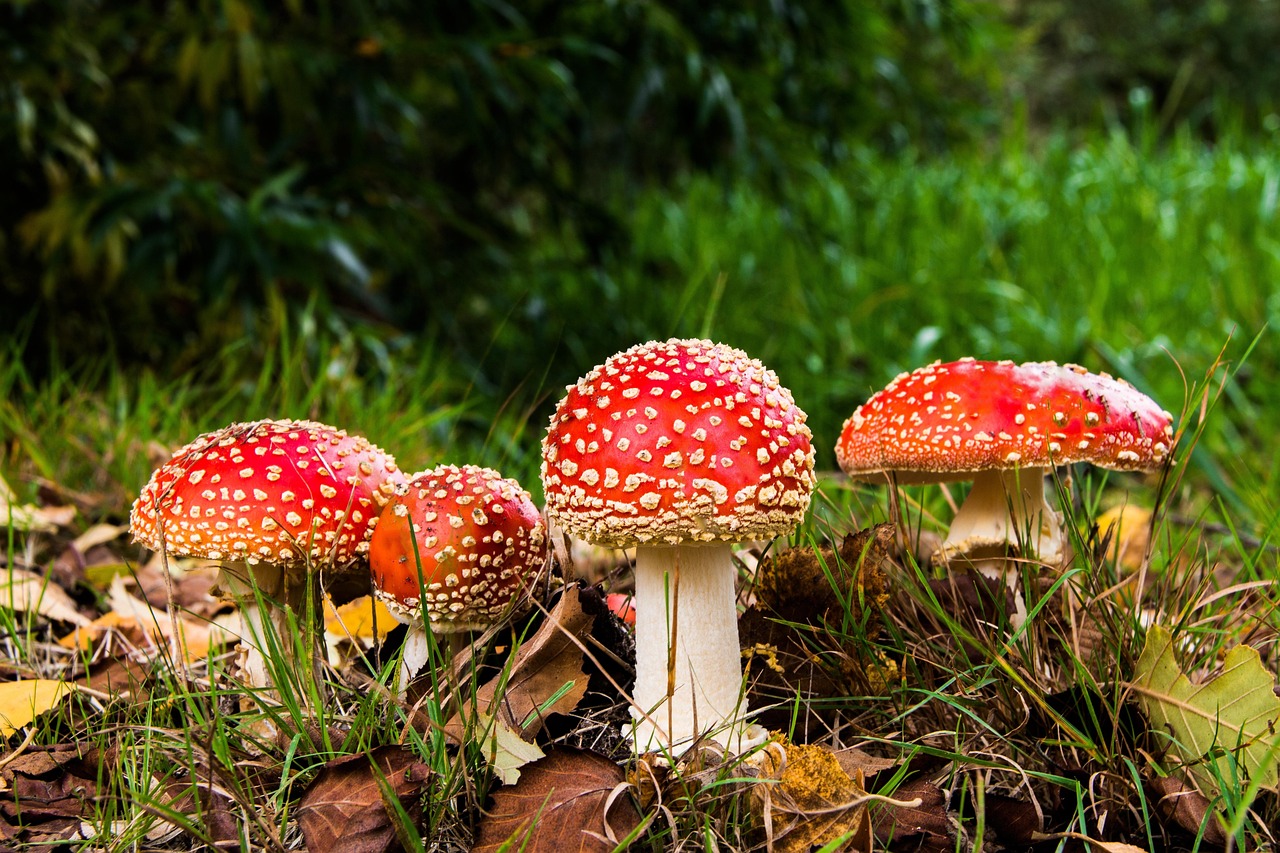
Amanita muscaria, a medicinal mushroom otherwise known as fly agaric, is well-known for its mind-altering effects. But, beyond this, Amanita is also an important and powerful medicine for the treatment of chronic pain, digestive problems, hormone imbalances, and much, much more.
Pregnant/lactating women and children and infants should not take Amanita muscaria.
Therapeutically, the Amanita muscaria mushroom has been used to treat the following pain-related conditions and other health problems:
- Pain-related conditions
- Rheumatism
- Fibromyalgia
- Migraine headaches
- Arthritis
- Menstrual pain
- Neuropathic pain
- Sleep disorders
- Insomnia
- Mental/emotional health problems
- Autism spectrum disorders (ASD)
- Addiction
- High stress levels
- Depression / Anxiety
- Asthenia
- Neurological health problems
- Tardive dyskinesia
- Parkinson’s disease
- Alzheimer’s disease
- Epilepsy
- Multiple sclerosis (MS)
- Huntington’s chorea
- Spasticity
- Skin problems
- Eczema
- Warts
- Skin pigmentation
- Psoriasis
- Onychomycosis (nail fungus)
- Burns (topical application)
- Digestive system problems
- Heartburn
- Constipation
- Dysentery
- Asthma
- Allergies
- Choriocarcinoma
- Goiter
- Gingivitis
- Hormone imbalances (in both men and women)
- Low libido (in both men and women)
- Hypertension / High blood pressure
- Prostatitis
- Cardiac arrest / Heart attack (for improved recovery)
- Chronic cystitis
- Helicobacter pylori
- Post-chemotherapy recovery
- HIV / AIDS
Amanita has the following medicinal properties:
- Psychoactive / Psychedelic
- Depressant
- Sedative-hypnotic
- Dissociative
- Deliriant
- Anti-inflammatory
- Neuroprotective
 Everything You Never Wanted to Know About the Treatment of Chronic Pain... and How to Avoid Painkillers That Will Eventually Kill You - BUY HERE!!!
Medicinal Compounds in Fly Agaric
There are 3 main psychoactive (but also medicinal) compounds found in Amanita muscaria. These are ibotenic acid, muscimol, and muscarinic acid. But, in addition to these three compounds (which I’ll discuss more below), fly agaric also contains:- Muscazone
- Muscarine
- Choline
- Acetylcholine
- Betaine
- Hyoscyamine (the main psychotropic/toxic alkaloid compound in the famous Hyoscyamus niger / black henbane)
- Atropine (found in Atropa belladonna)
- Scopolamine (found in Hyoscyamus niger, Datura spp, and Brugmansia spp., among other plants)
- Bufotenine (a main compound in the frog venom medicine, Sapito)
- Bufotenine, known scientifically as 5-HO-DMT, is a tryptamine alkaloid similar to serotonin and psilocin. It is able to cross the blood-brain barrier, and is known to have agonistic effects on the 5-HT1A and 5-HT1B serotonin receptors.
- Antioxidants
- Polysaccharides
- Fucomannogalactan (FMG-Am)
- Beta-glucans (βGLC-Am)
- Pigments
The compounds found in Amanita muscaria all work primarily with the muscarinic receptors of the autonomic nervous system.
Muscimol
This is a key psychotropic compound in Fly Agaric that directly affects the nervous system. It is known to be a GABA receptor agonist (meaning in this case that it produces effects in the body that resemble those produced by GABA, but that the substance itself, muscimol, is not GABA) and specifically acts as an inhibitory substance in the nervous system. Muscimol’s inhibitory actions are particularly notable in the forebrain, such as in the thalamus, hippocampus, putamen, and caudate nucleus.Muscimol’s action in the GABAergic receptors and throughout the nervous system ultimately leads to this substance's direct effects on neurotransmitter levels. Muscimol can thus lead to an increase in serotonin, dopamine, and acetylcholine levels, and a decrease in noradrenaline levels. However, although muscimol can produce effects similar to psilocybin and does alter serotonin levels in the body, unlike psilocybin, it does not interact specifically with the 5-HT2A serotonin receptors. The effects of Fly Agaric and Psilocybin mushrooms on the central nervous system are therefore different.
While it’s important to keep in mind that Fly Agaric is a plant medicine with many compounds, I wanted to include some information about the individual effects of muscimol also. Research has found that, when isolated, a dose of just 15mg of muscimol can lead to toxicity, which includes symptoms like dizziness, fatigue, nausea, visual/auditory hypersensitivity, space distortion, colorful hallucinations, lack of time awareness, or a feeling of weightlessness. This information may be valuable primarily in that different batches of Amanita muscaria may have different amounts of muscimol, thus leading to more or less intense effects; for example, a concentration as high as 1210mg/ml of muscimol has been found specifically in young Fly Agaric mushrooms.
Animal studies have found that the administration of muscimol at an appropriately low therapeutic dose, however, is able to improve social behavior and reduce anxiety symptoms in rats. In fact, muscimol is as effective as the commonly prescribed pharmaceutical drug, diazepam, in this context. This particular research suggests that Amanita muscaria may not only be effective in treating certain emotional and mental health problems, but that it may also work as a treatment for benzodiazepine addiction, especially in cases where the addict is also suffering from underlying mental/emotional issues.
In the treatment of pain, other research has found that in rat models of pain due to spinal cord injury, the administration of muscimol can be highly effective. One study found that a combination therapy using muscimol and endomorphin-1 (an endogenous opioid peptide that’s produced naturally in the body) successfully reduced the symptoms of neuropathic pain as a result of spinal cord injury in rats who were given this treatment for 7 consecutive days.
Ibotenic Acid
Ibotenic acid is referred to in some texts as “pre muscimol”, since this compound is decarboxylated in the body into muscimol after the Amanita mushroom either is dried, or after it enters the acidic stomach environment if it is taken fresh.Muscimol mimics GABA, while ibotenic acid mimics glutamic acid. In the same way that glutamic acid is decarboxylated into GABA in the body, ibotenic acid is also decarboxylated into muscimol. However, an important difference here is that the decarboxylation of ibotenic acid is spontaneous, and since it doesn’t rely on an enzyme to be decarboxylated, it transforms into muscimol at a variable rate. As such, the effects of ibotenic acid are just as relevant as those of muscimol; not all ibotenic acid gets converted to muscimol after drying or consumption of Amanita muscaria.
Muscarine
Muscarine is one of the most toxic compounds found in Amanita muscaria (and in other mushrooms), and can lead to circulatory collapse or even death when taken in excessive quantities. This is another reason, of course, to exercise caution and to be respectful when working with Fly Agaric; low doses can be extremely therapeutic, but too-high doses can be deadly. Below, I’ve included more detailed information about dosing so that readers can start working with this mushroom confidently and without fear, since Amanita is indeed a very powerful and highly effective medicine when used correctly.This compound in Fly Agaric is a neurotransmitter agonist, and as such, it has a broad spectrum of action on various neurons and endocrine cells throughout the body, especially when Amanita is administered consistently as a microdose. It specifically occupies the muscarinic acetylcholine receptors in the parasympathetic nervous system. These receptors can either be occupied by actual acetylcholine, or by agonists like muscarine. While acetylcholine is broken down into choline by cholinesterase shortly after occupying a receptor, muscarine isn’t acetylcholine, so it can’t be broken down by cholinesterase in this way. Thus, it is able to signal neurons to perform certain functions for a longer period of time than acetylcholine. This action is both part of what makes Amanita both so healing and so potentially toxic, and is an essential part of understanding how Fly Agaric works in the body to treat disease (and also how it can work to produce psychedelic effects in some cases).
Muscarine is present in tiny quantities in fruiting Amanita bodies (only 0.02% in dry weight), yet it is responsible for the vast majority of the autonomic nervous system effects that are seen when Fly Agaric is ingested, especially those effects related to the gastrointestinal system. Muscarine is known to produce effects like increased sweating, salivation, and lacrimation (“tearing up” in the eyes), bradycardia (decreased heart rate), fatigue, and diarrhea. Unlike ibotenic acid, though, muscarine cannot cross the blood-brain barrier, so it doesn’t affect the central nervous system receptors. It primarily affects the parasympathetic nerves, which are found in the highest concentrations in the smooth muscles and glands throughout the body.
Pain-Relieving Polysaccharides in Amanita muscaria
- Fucomannogalactan (FMG-Am), a heterogalactan
- Beta-glucans (βGLC-Am), a β-D-glucan
One animal study on rats found that isolated polysaccharides from Fly Agaric, specifically FMG-Am and βGLC-Am, had notable pain-relieving qualities. In the study, the hind paws of rats were injected with formalin to induce pain. Each of the test rats were given a dose of between 1-10mg/kg of FMG-Am in combination with 1-30mg/kg of βGLC-Am administered intraperitoneally 30 minutes before the formalin injections. The administration of βGLC-Am in particular effectively reduced neurogenic pain, and even completely inhibited it when rats were given a higher dose of the polysaccharide. FMG-Am did not have an effect on neurogenic pain (the “early phase” pain where, in this case, formalin activates pain receptors in the body), however both FMG-Am and βGLC-Am had a positive effect on late phase, inflammatory pain.
The fucomannogalactan FGM-Am was compared to a very similar fucomannogalactan found in Agaricus bisporus, another medicinal mushroom (one that is edible and which does not have psychedelic properties). Although both of the fucomannogalactans were found to have pain-relieving and anti-inflammatory properties, Amanita’s FGM-Am was found to have notably more potent effects than the fucomannogalactans in Agaricus bisporus.
Other research has found that a similar fucomannogalactan present in Shiitake mushroom (Lentinula edodes) produces similar antinociceptive and anti-inflammatory effects in the body, albeit under different pain-inducing circumstances where abdominal constriction were induced through administration of acetic acid. This particular detail supports the idea that Amanita muscaria may be able to also help heal the digestive system and directly work to reduce referred pain and inflammation whose origin is in the gastrointestinal tract and other digestive organs.
Amanita muscaria as an Anti-Addiction Medicine
While Amanita may be effective for the treatment of all types of addictions, according to research it has been found to be especially effective in the treatment of alcoholism (85%), amphetamine addiction (78%), cocaine addiction (74%), and opiate addiction (68%). It is 57% effective in treating cannabis addiction and 40% effective in treating caffeine addiction.Fly Agaric for Fibromyalgia and Chronic Pain
One of the most popular therapeutic uses of Amanita muscaria is as a treatment for pain. It has been used effectively to treat not only minor aches and pains (like those felt after heavy physical labor or exercise), but also for chronic pain caused by nerve injuries, fibromyalgia pain, arthritic pain, menstrual pain, and more. Indeed, the fly agaric mushroom has a long history of use for preventing and relieving pain. It has historically been used in microdoses by Koryak women, for example, to prevent muscle soreness and increase endurance while tanning fur or going about other strenuous day-to-day tasks. Amanita muscaria is an essential pain-relieving remedy to have available, especially for people who experience chronic or regular pain of any kind.How Fly Agaric Relieves Pain
Amanita muscaria relieves pain through a variety of different compounds and mechanisms of action. Muscimol and certain polysaccharides found in the mushroom seem to be the most important pain-relieving compounds, although other factors I won’t discuss in-depth here may also play a role. One of the main other potential pain-relieving mechanisms of action is through the detoxification of organophosphates. Fly agaric is known to help “clear out” the muscarinic receptors in the body, and indeed, the mushroom and its chemical constituents are used in this way to treat organophosphate poisoning. Low to moderate level, chronic organophosphate exposure in particular has been linked to specific painful conditions like rheumatoid arthritis, neuropathy and polyneuropathy, and others.
Root Cause: Common Environmental Toxins and How to Protect Yourself From Them - BUY HERE!
Pain-Relieving Polysaccharides in Amanita muscaria
There are 2 main types of pain-relieving polysaccharides found in Amanita muscaria:- Fucomannogalactan (FMG-Am), a heterogalactan
- Beta-glucans (βGLC-Am), a β-D-glucan
One animal study on rats found that isolated polysaccharides from fly agaric, specifically FMG-Am and βGLC-Am, had notable pain-relieving qualities. In the study, the hind paws of rats were injected with formalin to induce pain. Each of the test rats were given a dose of between 1-10mg/kg of FMG-Am in combination with 1-30mg/kg of βGLC-Am administered intraperitoneally 30 minutes before the formalin injections. The administration of βGLC-Am in particular effectively reduced neurogenic pain, and even completely inhibited it when rats were given a higher dose of the polysaccharide. FMG-Am did not have an effect on neurogenic pain (the “early phase” pain where, in this case, formalin activates pain receptors in the body), however both FMG-Am and βGLC-Am had a positive effect on late phase, inflammatory pain.
The fucomannogalactan FGM-Am was compared to a very similar fucomannogalactan found in Agaricus bisporus, another medicinal mushroom (one that is edible and which does not have psychedelic properties). Although both of the fucomannogalactans were found to have pain-relieving and anti-inflammatory properties, Amanita’s FGM-Am was found to have notably more potent effects than the fucomannogalactans in Agaricus bisporus.
Other research has found that a similar fucomannogalactan present in Shiitake mushroom (Lentinula edodes) produces similar antinociceptive and anti-inflammatory effects in the body, albeit under different pain-inducing circumstances where abdominal constriction were induced through administration of acetic acid. This particular detail supports the idea that Amanita muscaria may be able to also help heal the digestive system and directly work to reduce referred pain and inflammation whose origin is in the gastrointestinal tract and other digestive organs.
Muscimol and GABA-A Receptor Interactions
Muscimol also plays a crucial role in the pain-relieving properties of Amanita muscaria since this alkaloid interacts with the body’s GABA-A receptors. Studies have found that muscimol, as an isolated compound, has a dose-dependent pain-relieving effect, meaning that it is more effective at higher doses (this does NOT mean that you should start with a high dose of fly agaric; always start very low and work your way up gradually as you feel comfortable).In addition to its interactions with the GABAergic system, muscimol’s antioxidant, free radical scavenging properties may help prevent pain caused by inflammation and oxidative damage in damaged tissues. Plus, some research suggests that muscimol improves the plasticity of the posterior horn of the spinal cord, making it an important treatment option for treating nerve injuries as well as for treating pain throughout the body.
Finally, muscimol has the unique ability to cross the blood-brain barrier, which can make it a good choice for alleviating pain in all areas of the body. This ability, combined with muscimol’s action in improving plasticity in the spinal cord, may also help explain Amanita muscaria’s broad, wide-reaching effects on health and healing.
Amanita muscaria for Pain Relief: Case Reports and Statistics
According to Baba Masha’s research, Amanita muscaria is indeed a very promising and highly effective medicine for pain relief. It can be used to treat pain caused by a wide variety of conditions, including everything from exercise-related aches to severe arthritis symptoms, and beyond. In the treatment of arthritis, 70% of people (out of a group of 477 patients) had positive results from using fly agaric; the remaining 30% had no results. Both oral microdosing and topical tincture application, or a combination of the two, may help relieve arthritic symptoms, including in cases of osteoarthritis and rheumatoid arthritis (and in the treatment of other types of arthritis as well).Migraine headache relief was seen in 65% of cases (in a group of 110 people), and neuropathic pain was relieved in 86% of cases (in a group of 64 people). Amanita muscaria can also be effective in the treatment of menstrual pain; 52% of women with menstrual pain who used fly agaric microdosing experienced positive, pain-relieving effects.
Other individual case reports include the following:
- A 45-year-old female with a torn knee ligament that led to severe, chronic pain and swelling in the legs for 3 years found complete relief of the pain and swelling after only 4 days of using Amanita muscaria tincture.
- Another individual reported that rubbing alcohol-based Amanita muscaria tincture directly into their joints effectively relieved the symptoms of incapacitating, deformative osteoarthritis after 3 weeks of use. The effects lasted for approximately 6-9 months until this individual was able to collect more fly agaric in the fall.
- One person reported that “on-again, off-again” use of Amanita muscaria helped to effectively manage pain caused by rheumatoid arthritis that began in childhood.
- A 63-year-old woman with chronic back and neck pain reported that topical application of Amanita muscaria tincture to the affected areas offered instant relief from this pain for the first time in years, and had the added benefit of a good night’s sleep and a rejuvenated feeling upon waking. She ended up canceling 3 of her next chiropractic appointments since she was no longer in pain, and when she finally visited again, her chiropractor was shocked at how much her body’s alignment had improved even in spite of not having had any adjustments for 3 weeks.
- One person reported that their mother experienced total relief from arthritis symptoms after starting use of a topical Amanita muscaria ointment. They said that their mother forgot about the pain and suffering entirely after working with the fly agaric.
- Another person said that their father, who had rheumatoid arthritis, slept better as a result of the pain relief offered by the Amanita muscaria.
- One person collected, dried, and prepared Amanita muscaria for their 78-year-old grandmother, who had severe arthritis pain and was unable to walk. They administered 1.5 grams of dried Amanita muscaria in the morning, and another 2 grams in the evening, and shortly after starting this protocol their grandmother “came to life” and was able to walk out to visit her garden, laughed and smiled more readily, and even was able to cook dinner for the family.
- An individual who had been diagnosed with rheumatoid arthritis after a case of the flu experienced relief from severe, chronic knee pain after 1 month of taking Amanita muscaria microdoses.
- Another person experienced complete relief from chronic back pain and intercostal neuralgia after years of suffering from these conditions.
- One woman reported that after microdosing 2.5g of Amanita muscaria in the morning for 2 months, her menstrual periods regularized and became pain-free (after having had a lifetime of painful, irregular menstruation).
- Another woman reported that Amanita muscaria tincture was able to relieve strong, painful menstrual cramps within only 30 minutes of administration.
- After working with Amanita muscaria microdoses, one woman reported that not only did her lifelong menstrual pain dramatically diminish, but her PMS symptoms also diminished. The fly agaric helped her to sleep better, have an improved mood throughout the month, and keep working consistently without having to rely on debilitating pharmaceuticals to manage her menstrual pain symptoms.
These are only a few of the numerous reports of pain relief that exist in Baba Masha’s book and other online forum-type platforms. The number of positive reports about the use of Amanita muscaria for pain relief from all kinds of pain-causing health issues were so prolific that it would be unrealistic to include them all here, and beyond the scope of this article.
Amanita muscaria: Spirituality, Mythology, and Shamanic Usage Across the World
Fly Agaric has been used in a number of different cultures across the world, including in Mexico, Siberia, Europe, the United States, and India, among other countries and areas. Since Amanita muscaria is mycorrhizal, meaning that it only grows underneath and in tandem with specific types of trees, it only grows in areas of the world where these trees grow (this unique characteristic of Amanita also means that it can’t be cultivated easily). Specifically, Amanita creates symbiotic relationships with birch, oak, pine, spruce, cedar, and fir trees, which may partially explain the high regard that many cultures have for these trees in particular (beyond the fact that these trees are all, in and of themselves, important medicinal plants also).Japan
In Japan, Amanita muscaria is known as Beni-Tengu-Take; “Tengu” is a Japanese name for a group of mythological goblins that live in the mountains of Japan and have long noses, red faces, glittering eyes, and wings, while “Take” means “mushroom/fungus” and “Beni” means “red”. The Tengu goblins are associated with Amanita, and are believed to possess Yamabushi Buddhist monks who live in the mountains and occasionally consume Fly Agaric.Siberia
Among various ethnic groups in Siberia, including the Khanty, Chukchi, Koryak, Eskimos, and the Russians of the Kamchatka peninsula, Amanita muscaria is regularly used medicinally. In fact, some researchers have documented up to 15 different ways of consuming the Fly Agaric mushroom among these groups! However, only shamans are permitted (generally speaking) to consume larger, trip-inducing quantities of the Amanita mushrooms; average people regularly work with the mushroom in much smaller quantities as a kind of stimulant to provide energy and strength for daily tasks.According to Koryak legend, Amanita muscaria was created from the spit of the God of Existence, known as Vahiyinin.
Europe
Fly Agaric has a long history of use as a medicine in Europe as well, even in recent history. As the whole mushroom, prepared as a tincture, a dose of 5 drops of 1% Amanita extract was routinely given as a treatment for night sweats caused by debilitating diseases. Culbreth, an herbalist who worked in the early part of the 20th century, reported prescribing Amanita to patients as a treatment for intestinal torpor, duodenal catarrh, diabetes, and as an atropine antidote (as an alternative to physostigmine), though he acknowledged that this medicine must be used wisely in the appropriate dose in order to avoid toxicity.Homeopathic Amanita muscaria, which is known by the name Agaricus, is often used to treat chorea and skin afflictions, and is noted to be a “specific” for bunions, some kinds of cataracts, and sunstroke.
Like in Siberia, traditional tales from Europe give Fly Agaric divine origins. In Nordic and Slavic mythologies, Amanita muscaria is thought to have been formed from the bloody spit that falls from the mouth of Odin’s / Wotan’s horse during the Wild Hunt. Experts believe that, in Nordic mythology, Amanita may be the true origin of the famous Mead of Inspiration, a drink that gave divine inspiration to the Norse Gods; notably, this Mead was also created from spit when the Aesir and Vanir gods spit into a cauldron to create the god Kvasir, a balancing force. Kvasir was very wise, but was later killed by dwarves, who mixed his blood with honey to create the Mead of Inspiration. In a later store, Odin accidentally dropped some of the Mead to earth on one of his journeys, making it inadvertently available to humans. Given that Fly Agaric is known for its salivation-inducing effects, these stories are especially noteworthy.
North America
In the United States, some Native American groups have a tradition of using Amanita muscaria in shamanic practices. The Ojibwe people specifically are known for using Fly Agaric to aid shaman in journeys to seek divine guidance and information.Dosing Guidelines for Amanita muscaria
Like with any entheogen medicine, a person can take either a microdose or a macrodose (AKA a “full trip”) with Amanita muscaria. However, although you can do a full Fly Agaric “trip” complete with hallucinations and other sensory altering experiences, the vast majority of people who work with this particular mushroom stick to microdosing. This is mostly because Fly Agaric can be toxic in too-high doses, and its “full trip” effects aren’t always appealing at first. That being said, some people work with low macrodoses in order to gain more wisdom from this mushroom, and/or may incorporate focused meditation into their microdosing practice.Amanita muscaria must be approached differently than Psilocybin. While these are, of course, both medicinal, entheogenic mushroom medicines, they are very different from each other, especially in terms of what happens with a full, tripping dose. They can be used together though in some ways, as we’ll discuss below.
Readers should also be aware that the time of day for taking an Amanita microdose is relevant and should be paid close attention to. If you take your microdose in the morning, this mushroom can not only help stabilize mood, but can also produce the following effects:
- Improved communication abilities
- Increased energy, vitality, and virility
- A better sense of balance
- Improved endurance
- Increased mental clarity and stamina
- Improved physical strength and endurance
- Decreased irritability and anxiety/nervousness
- Improved creativity
- Increase motivation and creativity
- A feeling of happiness, bliss, peacefulness, and general well-being
- Improved focus and concentration
- Better ability to be decisive and to take action
Although Fly Agaric can cause sleepiness in some people when taken in the morning, this is the experience for very few people (only 12% of people get sleepy after taking Amanita in the morning). If you are one of the people who does get sleepy after taking Fly Agaric in the morning, switch to taking your microdose in the evening for 1 week and then switch back to morning in order to “reset” things.
Taking Amanita muscaria at night produces somewhat different effects. People who take this mushroom in the evening generally fall asleep more quickly and deeply, and have powerful, realistic dreams. Increased energy and mental clarity in the morning are also reported after taking Fly Agaric at night.
Fly Agaric, like other entheogenic medicines, will have variable effects. No one person will have the exact same experience with a particular dose or even with a particular dose of the same batch of mushrooms. Some people are particularly sensitive to the compounds in Amanita, which may mean they will need a lower optimal dose, while other people may need to take a higher dose to account for a lower sensitivity. Keep in mind that this is a plant medicine, and as such, it has its own consciousness. You alone may take 500mg one day, and the same dose the next, and have two entirely different experiences. That being said, here are some basic dosing guidelines to consider when you start working with Amanita muscaria.
- An optimal Amanita microdose is between 500-2000mg (0.5-2g) of dried mushroom. Some people may need to take up to 3000mg (3g) of the mushroom per microdose. Always start with taking only 500mg, though, since different packaging/presentations of mushroom powder (or other forms) can sometimes increase dramatically in weight. Also, starting with the lower dose and increasing gradually allows you to assess your personal response and sensitivity to Fly Agaric.
- Start with 1 microdose of Amanita per day. You may take up to 2 microdoses of this mushroom each day, one in the morning and one in the evening. Some other people choose to take only 1-3 microdoses of Fly Agaric per week.
- There are 2 cycles on which you could choose to work with Fly Agaric microdoses (many people report that the effects of this mushroom medicine are cumulative, so while breaks are important, it’s also important to be consistent and to be aware that it may take some time to see real results while working with this plant):
- Take the Amanita for 3-4 days, then take a break in between for 1-2 days. Continue this cycle indefinitely, as needed.
- Take the Amanita for 1 month, and then take a break for 10 days to reassess the condition(s) you’re working to treat and determine whether or not to continue working with this mushroom medicine.
- Symptoms like euphoria, uncontrollable laughter, hallucinations and perceptual changes, fractals, dizziness, drowsiness, sudden weakness, apathy, aggression, irritability, depression, energy depletion, insomnia, or unusual emotional changes may all indicate that the dose of Amanita is too high.
The Traditional Preparation of Lacto-Fermented Amanita muscaria in Japan
In areas of Japan where Amanita muscaria grows, like Sanada, a town right outside Tokyo in the Nagano Prefecture, locals regularly prepare and pickle this mushroom for culinary use. In these parts, pickled Amanita muscaria is a kind of delicacy, and is frequently eaten at festivals and other special events, and especially during New Year’s celebrations. Local Japanese travelers (and some foreigners) are aware of this area’s unique method of preparing Amanita, so some hotels, restaurants, and other tourist locales may offer pickled mushrooms to travelers as a special, local “treat”. Picking mushrooms in this Japanese way completely eliminates the ibotenic acid and muscimol content of Amanita muscaria, making it safe for consumption without concern for toxicity or dramatic hallucinogenic effects.Though some locals dry and powder the mushroom for use as a rice flavoring, the most common technique for preparing the mushroom is through pickling. The basic technique for pickling Amanita muscaria in Japan is outlined below:
- First, the fresh Amanita muscaria mushroom is boiled for at least 10 minutes, or alternatively, for 3 rounds of 5-minute boilings; the water is thrown away after each boiling, no matter if one or three boilings are used. A general rule is to boil the mushrooms until they’ve been blanched white (or nearly so).
- Next, the boiled mushrooms are rinsed with running water for 1-3 minutes (similarly to how pasta is rinsed after boiling to remove excess starches from the cooking water; a colander is helpful here)
- The boiled, rinsed mushrooms are coated in salt and then packed into a glass container. Many individuals weigh the mushrooms, and then use an equal weight of salt to mix with the mushrooms. After packing the salted mushrooms into a glass container, they’re weighted down (this is, essentially, a lacto-ferment).
- The mushrooms are left for 1 month to pickle before being consumed. Before eating, the mushrooms are removed from the glass container and soaked in fresh, clean water for a least a few hours (or overnight) in order to remove excess salt. Then, the Amanita muscaria mushrooms are eaten as a kind of appetizer, or added to sautés, stir-fries, or to rice dishes.
Men especially are known to grill Amanita muscaria caps (and sometimes the stems, which are widely regarded as being less toxic) due to the richness of flavor of the mushroom. However, readers should note that this preparation method does not, in fact, diminish the toxicity of the mushrooms in the way that pickling does. The other common method of preparation that involves drying and powdering Amanita actually enhances the content of ibotenic acid and muscimol in the Fly Agaric mushroom, and increases its effects. That being said, the powdered mushroom is used in very small quantities in rice, only as a mild flavor enhancer, so in this context it likely functions in the body similarly to how Amanita can work as a microdose.
Some Japanese people also combined Amanita muscaria mushrooms with sake (Japanese rice wine), and let this sit for a few days to a week, to make a kind of tincture. This tincture can then be used in small quantities to promote relaxation.
In North America, some Native American groups have also been known to prepare Amanita in a similar way for culinary use. These groups actually collect and use Amanita pantherina. They first peel the skins from the pilei of the Amanita mushrooms (these skins are discarded), and then parboil the remaining parts of the mushrooms. The water in which the mushrooms are boiled is discarded, and then these prepared mushrooms are canned. This system of preparing Amanita pantherina is, in fact, so effective in eliminating toxicity that the Native American groups in Washington State where this technique is used are generally unaware of the fact that fresh Amanita pantherina mushrooms can be toxic/hallucinogenic.
Contraindications
Based on Baba Masha’s research, individuals with more serious mental illnesses, like bipolar disorder and schizophrenia, should not work with Amanita (at least not initially) since it's more likely that these people will have a negative experience. Pregnant and nursing women should also NOT take this mushroom.People with urolithiasis (kidney stones) should be aware that Amanita muscaria has been found to activate the release of stones from the kidneys and bladder. While this is ultimately a positive, healing thing, individuals with known stones (not just “gravel”) should consider working with other medicines to reduce the size of the kidney stones first before working with Fly Agaric.
Other Amanita Mushrooms
Amanita muscaria, otherwise known as Fly Agaric, is the main Amanita mushroom discussed in terms of psychedelic “trips” and spiritual healing. However, there are also some other important types of Amanita mushrooms to be aware of (some of these are likely to be familiar while others are lesser known):- Amanita phalloides - This is the Death Cap mushroom.
- Amanita pantherina - This is another commonly used Amanita mushroom for psychedelic “tripping” as well as for spiritual use in general. It is sometimes sold alongside or as a substitute for Amanita muscaria, however, many people report that this particular Amanita mushroom is more powerful than Fly Agaric, so proceed with caution.
- Amanita citrina, Amanita gemmata, Amanita porphyria, Amanita regalis, and Amanita strobiliformis - These are all types of Amanita that are also thought to have psychoactive properties. They should likewise be used with caution, since they haven’t been as well-studied or commonly used, even in traditional societies, as tools for healing or spiritual growth.
- Amanita caesarea - Otherwise known as Caesar's mushroom, this is an edible type of Amanita that is commonly used in cooking. Like the other culinary, edible Amanita mushrooms, it must be thoroughly cooked before eating in order to get rid of the toxic compounds found in the mushroom.
- Amanita vaginata and Amanita fulva - Tawny grisette and grisette amanita, respectively, these are two other relatively well-known edible species of Amanita.
- Amanita zambiana - A type of Amanita otherwise known as Zambian slender Caesar, Christmas mushroom, or tente or ndelema in local languages, this is an edible Amanita mushroom that is commonly seen in markets in Central Africa.
- Amanita basii - This is an edible mushroom found in Mexico.
Resources:
• Wikipedia (2025). Amanita muscaria. Retrieved March 10, 2025 from: https://en.wikipedia.org/wiki/Amanita_muscaria#Uses
• Growchowska, Julia, et. al. (2025). Harmfulness and Potential Health Benefits of the Fly Agaric (Amanita muscaria): A Literature Review. Retrieved March 10, 2025 from: https://www.termedia.pl/HARMFULNESS-AND-POTENTIAL-HEALTH-BENEFITS-OF-THE-FLY-AGARIC-AMANITA-MUSCARIA-A-LITERATURE-REVIEW,99,55453,1,1.html
• Benders, Martijn (n.d). Amanita muscaria and Fibromyalgia. Retrieved March 10, 2025 from: https://www.martijnbenders.nl/amanita-muscaria-and-fibromyalgia/
• Meade, Elaine, et. al. (2022). Mycotherapy: Potential of Fungal Bioactives for the Treatment of Mental Health Disorders and Morbidities of Chronic Pain. Retrieved March 14, 2025 from: https://www.mdpi.com/2309-608X/8/3/290
• Ruthes, Andrea Caroline, et. al. (2013). Fucomannogalactan and glucan from mushroom Amanita muscaria: Structure and inflammatory pain inhibition. Retrieved March 14, 2025 from: https://www.sciencedirect.com/science/article/pii/S0144861713006577
• Grady Phipps, Allan (2000). Japanese Use of Beni-Tengu-Dake (Amanita muscaria) and the Efficacy of Traditional Detoxification Methods. Retrieved March 18, 2025 from: https://digitalcommons.fiu.edu/etd/4451/
• Baba Masha, M.D. (2022). Microdosing with Amanita muscaria: Creativity, Healing, and Recovery with the Sacred Mushroom. Park Street Press.
• Arnold, Mira (2024). Unlocking the Power of Amanita muscaria: A Masterclass. Amazon / MamaMuscaria.
• Ramawad, Hamzah Adel, et. al. (2023). Muscimol as a treatment for nerve injury-related neuropathic pain: a systematic review and meta-analysis of preclinical studies. Retrieved June 3, 2025 from: https://synapse.koreamed.org/articles/1516083975
• Hosseini, Marjan, et. al. (2020). Simultaneous intrathecal injection of muscimol and endomorphin‐1 alleviates neuropathic pain in rat model of spinal cord injury. Retrieved June 3, 2025 from: https://pmc.ncbi.nlm.nih.gov/articles/PMC7218251/
• N.A. (n.d). Endomorphin-1. Retrieved June 5, 2025 from: https://www.tocris.com/products/endomorphin-1_1055
• Broccardo, M., et. al. (1981). Pharmacological data on dermorphins, a new class of potent opioid peptides from amphibian skin. Retrieved June 5, 2025 from: https://pmc.ncbi.nlm.nih.gov/articles/PMC2071698/?page=4
• Feeney, Kevin (2013). The Significance of Pharmacological and Biological Indicators in Identifying Historical uses of Amanita muscaria. Retrieved June 5, 2025 from: https://www.researchgate.net/publication/280051645_The_Significance_of_Pharmacological_and_Biological_Indicators_in_Identifying_Historical_uses_of_Amanita_muscaria
• Wikipedia (2025). Mitragyna speciosa. Retrieved June 5, 2025 from: https://en.wikipedia.org/wiki/Mitragyna_speciosa
• Wikipedia (2024). Sinomenine. Retrieved June 5, 2025 from: https://en.wikipedia.org/wiki/Sinomenine
• Wikipedia (2024). Hodgkinsine. Retrieved June 5, 2025 from: https://en.wikipedia.org/wiki/Hodgkinsine