Mucuna pruriens: Herb for Depression, Anxiety, and Other Mental Health Issues
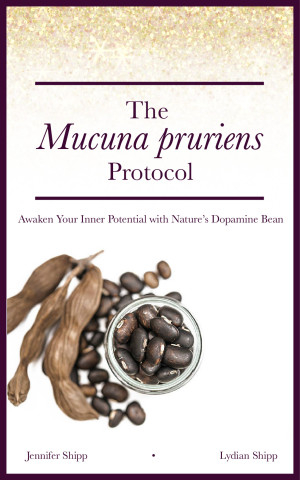
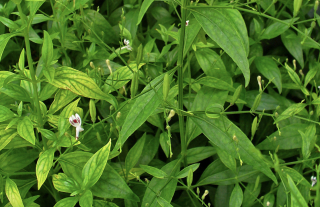
 Mucuna pruriens is an herbal remedy for mental health issues that works by healing dopamine neurons and receptors in the brain and body. For mental health issues, we recommend using the a whole-bean version of this herb versus an extract.
The Mucuna pruriens protocol can be used as a front-line treatment for mental health issues including:
- Addiction
- Depression / Major Depressive Disorder / Clinical Depression
- Bipolar Depression / Manic Depressive Disorder
- Dissociative Identity Disorder
- Anxiety Disorders
- Panic Disorder
- Generalized Anxiety Disorder / GAD
- Obsessive-Compulsive Disorder / OCD
- Phobias
- More..
- Personality Disorder
- Attachment Disorder
- More..
Click here to do a free EMDR trial online.
What do we mean by Human-Tech?
When we talk about “human-tech”, we’re talking about how the body has natural ways to release and integrate trauma. One of these is back-and-forth, right-to-left eye movements. We’re built from birth to make these eye movements during Rapid Eye Movement (REM) sleep. During REM sleep, insulin release is halted in the body. Insulin is the general contractor of cells and it takes its rest from building and distributing nutrients to cells during REM sleep. At this same time, Growth Hormone, the blueprint-maker – the architect– is released into the body. Growth Hormone is essential in order for our bodies to heal from any physical or emotional issue. During REM-Growth Hormone release, we dream and our dreams help the architect, Growth Hormone, to produce a blueprint that’s based on the dialogue between the right-brain and the emotional and physical experiences of the body with the logical, rule-centric and narrative-focused left-brain. We need the logic and the emotional experience in our daily lives in order to heal the body emotionally and physically. If we experience traumas or stressors when the body is in a state of dopamine deficiency or in a state of deficiency of other nutrients that are required in the production of dopamine, the trauma / stressor can be trapped in the autonomic nervous system as a “sub-personality” that is not fully embodied or that’s even hidden from us consciously. The sub-personality produced from a trauma is unconscious and not-integrated and therefore “dissociated” from the material that we have in our arsenal to work with to solve our daily problems and to overcome negative mood states. The Mucuna protocol helps the unconscious right-brain material connect to the conscious left-brain material so that the two can communicate during REM sleep, but for people who are overloaded with trauma that has been neglected for many years without release and integration, Eye Movement Desensitization and Reprocessin / EMDR may be extremely helpful to get trauma-release started up again. However, if you suffer from psychosis or dissociative identity disorder, EMDR is not always the best choice because it relieves only surface trauma and people with psychosis or DID need more powerful treatments like psilocybin therapy, Iboga, or Ayahuasca to overcome their own inner resistance to certain material.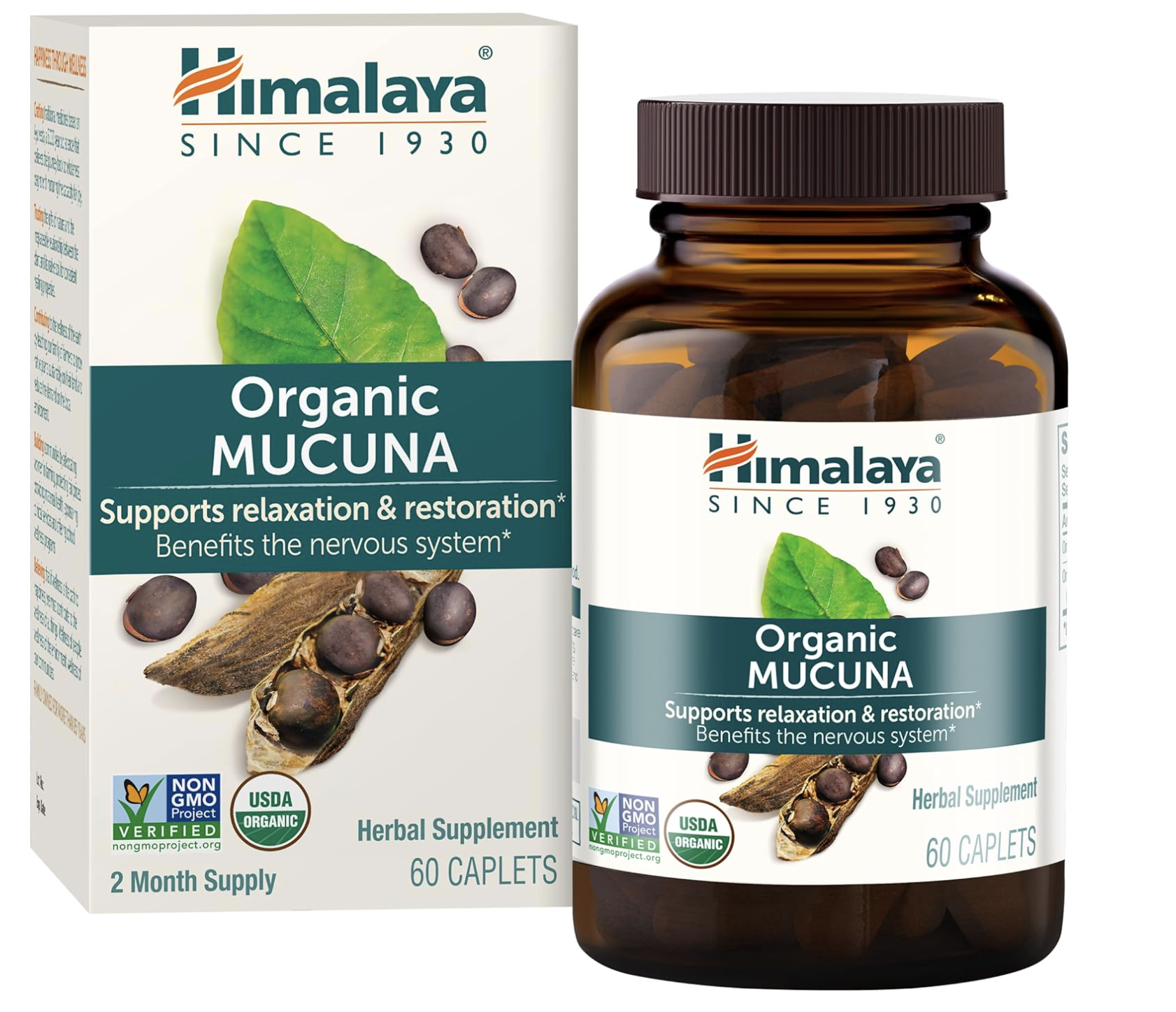
Click here to buy Organic Mucuna pruriens.
For those with DID or psychosis, craniosacral therapy may be a better first choice to begin to relieve trauma in the initial stages of the Mucuna protocol. Eye movements and subtle adjustment and the gentle and non-invasive body-to-body communication of craniosacral therapy are part of our human-tech – the body’s built-in technology that we can use to release our own trauma. Let me explain… When we breathe, we normally don’t have to think about breathing. We inhale and exhale unconsciously. Breathing is managed unconsciously by a part of us, the right-brain, that we rarely, if ever, acknowledge in the modern world. But we can take conscious control over our own breathing too using the logical left brain. When we talk about the “human-tech” in terms of trauma-release, we’re talking about using the logical left-brain to accomplish something that we know about, as modern humans, for the autonomic nervous system (the right-brain and the unconscious control of our organs and most of our body movements). The idea of “human tech” is a big topic. There are a lot of interesting things that our bodies can do naturally or that we can consciously take control of in an intentional way to overcome trauma and to adapt to stress. For now, we just want for readers to understand that human-tech is similar to the concept of “somatic therapy” or “trauma-informed therapy”. The technology of the human body is what we use intentionally in order to heal ourselves. There are inputs and outputs in the Human Technology of the body. Outputs are a source of information that we can use to adjust the inputs. If you’re new to the idea of trauma-informed therapy or somatic therapy and Human Tech, just know that Mucuna pruriens primes the brain to be able to release trauma, but you have to intentionally use the technology of the body to actually do the trauma-release. We suggest that most people with mental illness begin with the following treatments at first:
- EMDR
- Alpha-Theta Therapy
- Brain Entrainment
- Guided-Meditation
- Breathwork
- Craniosacral Therapy
- Psilocybin microdosing
Click here to buy the Ko-Ka-Ko-La Cure book.
Depression and Bipolar: Serotonin and Acetylcholine Treatments
Serotonin and acetylcholine are involved in a lot of mental health issues as well as in Parkinson’s disease and the whole Mucuna bean can provide a small boost to these systems of the body as well. But many people need more than just the Mucuna pruriens protocol and trauma-informed therapies to reset their physiology to overcome a specific mental health issue. For example, in those depression, Mucuna pruriens can also benefit from working with N-Acetyl-Cysteine, lithium orotate, and 5-HTP.Those with bipolar disorder should work with lithium orotate, a natural form of lithium that’s found in drinking water. Lithium orotate for bipolar depression is typically administered at a dose of 5 - 80 mg per day (10-20 mg up to 4 times daily).
Methylene Blue is an over-the-counter MAOI that is often combined with the Mucuna pruriens protocol along with N-Acetyl-Cysteine / NAC. Choline supplements are also important for those with depression or bipolar depression.
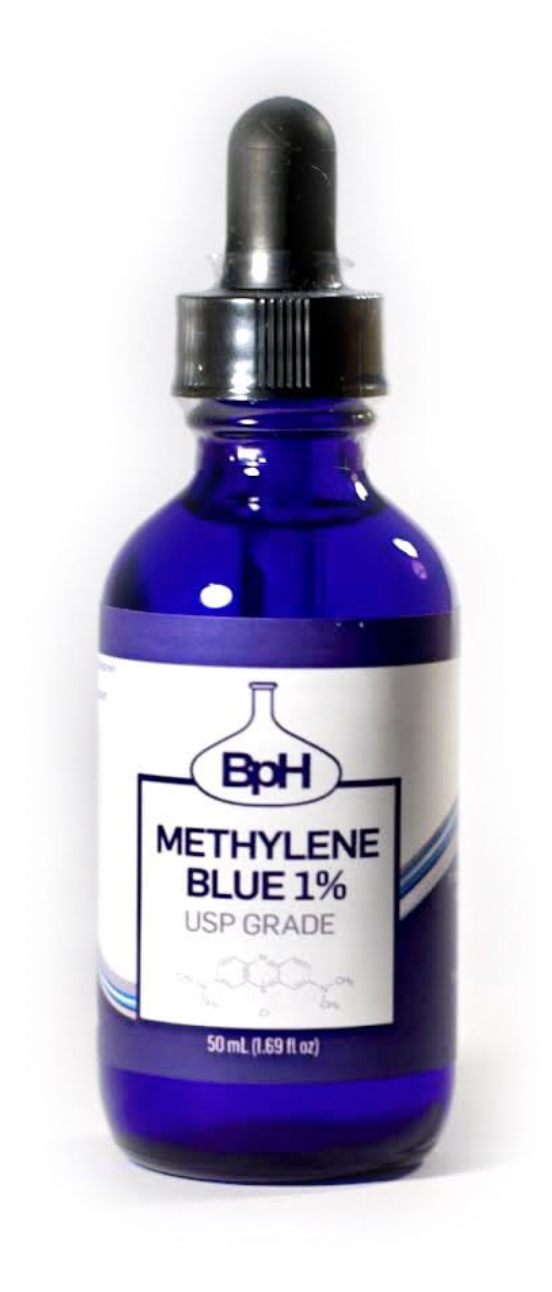
Click here to buy Methylene Blue 1%.
Anxiety Disorders
For those with anxiety-related disorders, be sure to read about how trauma can cause anxiety-related issues and seek out trauma-informed therapies right away when you begin working with Mucuna pruriens to begin releasing the trauma that’s causing these symptoms. Anxiety disorders are some of the easiest to treat using the sacred medicines, especially psilocybin therapy in tandem with the Mucuna pruriens protocol. Most people begin with psilocybin microdosing for anxiety, but macrodosing works more quickly to relieve symptoms of anxiety. However, macrodosing without the proper intention and direction for a trip won’t necessarily work out the way that you intend unless you have guidance. We’ve spent years honing our work with anxiety to help clients self-administer psilocybin in a manner that yields lasting anti-anxiety results.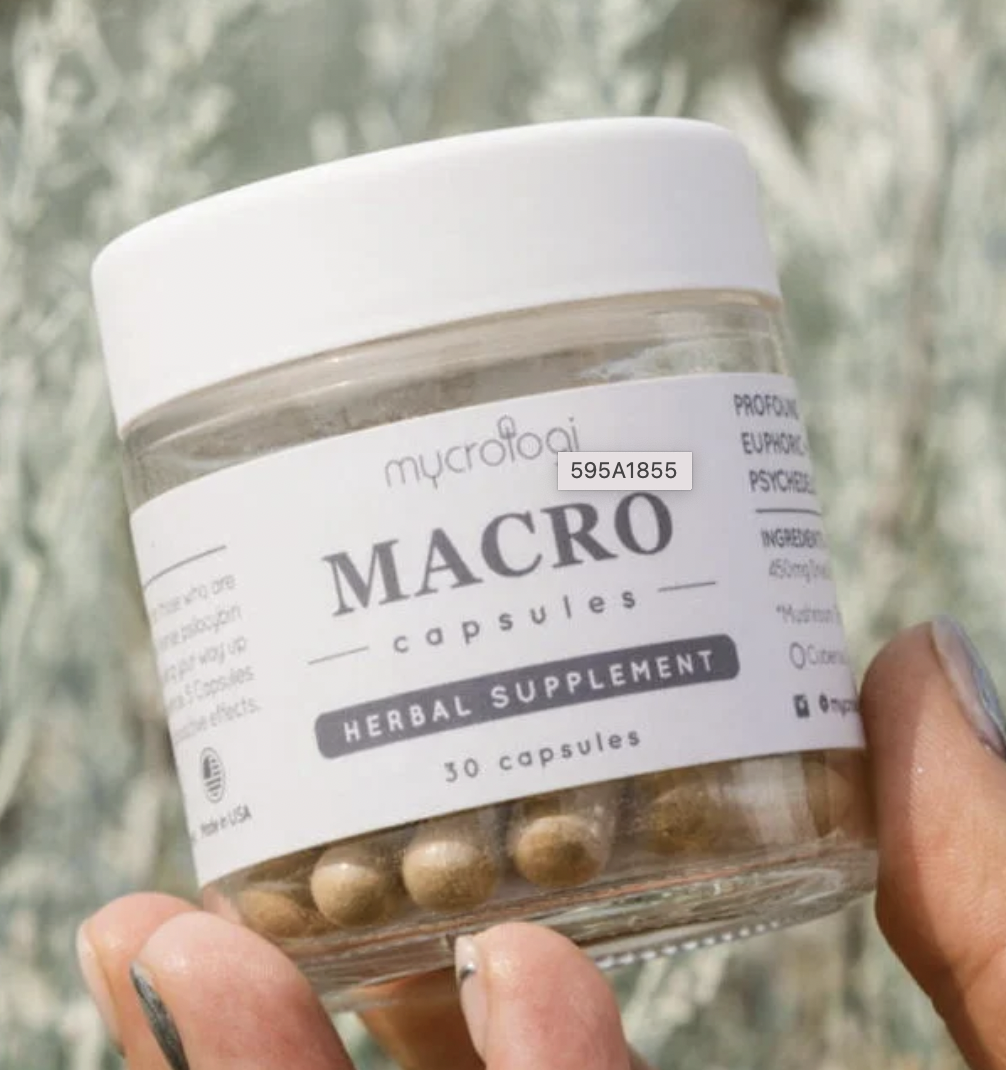
Click here to buy Psilocybin Mushrooms online.
Get Rid of Attachment Disorder and Personality Disorders
Those with attachment disorders and personality disorders may begin by working with Mucuna pruriens in preparation for working with a sacred medicine like San Pedro or Iboga. When we work with health coaching clients who wish to get rid of attachment disorder or personality disorder symptoms, we recommend the use of long-trip sacred medicines that can rework the basic weave of the personality structure. Both attachment disorder and personality disorder are caused by chronic or severe childhood neglect or abuse and many people with these types of disorders need to work with sacred medicines that produce a longer trip in order to get past their own resistances. Psilocybin therapy may also be needed to address traumas that were not as chronic – what we refer to as short-burst trauma / stress. Psilocybin can also be administered in successivel doses to produce a longer trip to reduce inner resistance if a client can’t access some of the sacred medicines that work to reweave the fabric of a person’s relationship with themselves and the world.
Click here to schedule a health coaching session with us.
Heal Dissociative Identity Disorder / DID
For those with dissociative identity disorder / DID (also known as multiple personality disorder in some circles), the Mucuna pruriens is administered in 4 daily doses for at least 5 months to overcome mood related issues of the person’s “alters” or sub-personalities in preparation for integration. The Mucuna protocol can be in-progress when the client with DID begins working with other sacred medicines to integrate dissociated parts. Mucuna balances the physiology of the body. Psilocybin therapy is used as a microdose with weekly or bi-weekly macrodosing (full-trips) to integrate dissociated “parts”. When we work with clients to overcome DID permanently, we use Dr. Richard Schwartz’ “parts therapy” as a foundation for our approach combined with Bert Hellinger’s constellations therapy. The client has to be willing and able to work consistently with their dissociated parts by taking psilocybin when different parts come forward in order to hear each part’s “story”. Some sub-personalities require multiple psilocybin trips and some may also require long-trip sacred medicines like iboga, Ayahuasca, or San Pedro so as to express their story completely.DID is, in fact, the model that we use for all of the other mental health issues because we’ve never worked with a mental health or physical health client who did not have some level of dissociation that was driving their symptoms. Some people are conscious of their dissociation while other people are not. The Mucuna pruriens protocol primes the body to do re-integration of parts that are traumatized and that need to tell their stories and integrate. We usually begin work within a few weeks with clients either online or in-person using psilocybin therapy, and other sacred medicines with integration counseling to overcome dissociative states that are maladaptive for the person. In our model that we work with, dissociation is part of the human-tech of the body and of modern humans, but we have to learn how to use dissociative state intentionally or they can be harmful and extremely uncomfortable. We have to heal dissociative states that are damaging and painful and learn, through work with the sacred medicines and natural treatments, to heal dissociation that’s hurting us and how to use dissociative states in ways that make survival and our relationships with others and with ourselves healthy.
Most people with mental health issues that are persistently troubling need to look at the Mucuna pruriens protocol as a first step in a process that should eventually involve psilocybin therapy, Ayahuasca, Iboga, Sapito, Kambo, Xananga / Sananga or a combination of all of these treatments over the course of time.
Click here to learn more about the DreamLight.app, a guided meditation and brain-entrainment tool for natural trauma-release.
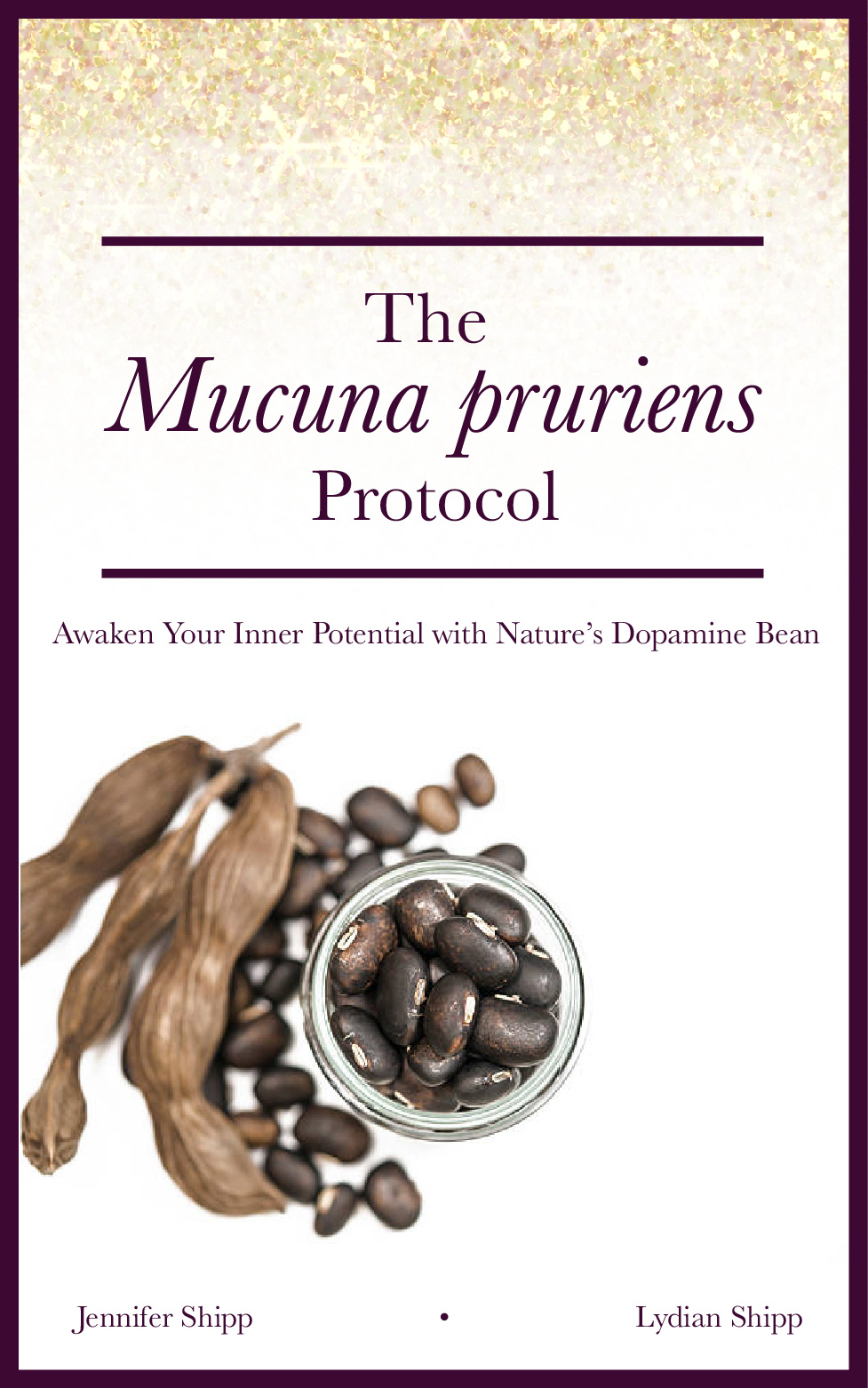
The Mucuna pruriens Protocol: Overcome Dementia, Addiction, ADHD, Mood and Mental Health Disorders
Resources:
• Kamkaen, N. et al. (2022). Mucuna pruriens Seed Aqueous Extract Improved Neuroprotective and Acetylcholinesterase Inhibitory Effects Compared with Synthetic L-Dopa. Retrieved September 22, 2022 from https://pubmed.ncbi.nlm.nih.gov/35630617/
• Quik, M. et al. (2008). Nicotine and Parkinson’s disease; implications for therapy. Retrieved May 8, 2025 from https://pmc.ncbi.nlm.nih.gov/articles/PMC4430096/
• Van der Goes, M., Bossema, E. R., Hartkamp, A., Doaert, G. L. R. (2011). Cortisol During the Day in Patients with Systemic Lupus Erythematosus or Primary Sjogren’s Syndrome. Retrieved June 5, 2021 from https://www.researchgate.net/publication/49684916_Cortisol_During_the_Day_in_Patients_with_Systemic_Lupus_Erythematosus_or_Primary_Sjogren's_Syndrome#:~:text=The%20level%20of%20morning%20cortisol,higher%20inflammatory%20markers%20(151)%20.
• Kondeva-Burdina, M. et al. (2019). Effect of Amanita muscaria extract on different in vitro neurotoxicity models at sub-cellular and cellular levels. Retrieved May 8, 2025 from https://www.sciencedirect.com/science/article/abs/pii/S0278691519304764
• Kamkaen, N. et al. (2022). Mucuna pruriens Seed Aqueous Extract Improved Neuroprotective and Acetylcholinesterase Inhibitory Effects Compared with Synthetic L-Dopa. Retrieved September 22, 2022 from https://pubmed.ncbi.nlm.nih.gov/35630617/
• Bromberg-Martin, E. S. et al. (2011). Dopamine in motivational control: Rewarding, aversive, and alerting. Retrieved May 8, 2025 from https://pmc.ncbi.nlm.nih.gov/articles/PMC3032992/
• Belujon, P. and Grace, A. A. (2017). Dopamine System Dysregulation in Major Depressive Disorders. Retrieved May 7, 2025 from https://pmc.ncbi.nlm.nih.gov/articles/PMC5716179/
• Dunlop, B. W. et al. (2007). The Role of Dopamine in the Pathophysiology of Depression. Retrieved May 7, 2025 from https://jamanetwork.com/journals/jamapsychiatry/article-abstract/482227
• Trafton, A. (2018). Dopamine primes the brain for enhanced vigilance. Retrieved May 7, 2025 from https://news.mit.edu/2018/dopamine-brain-vigilance-anxiety-1107
• Zarrandast, M. R. et al. (2015). The Modulatory Role of Dopamine in Anxiety-Like Behavior. Retrieved May 8, 2025 from file:///Users/jennifershipp/Downloads/65_Sep015_009.pdf