What causes pain? How Histamine Plays a Role…
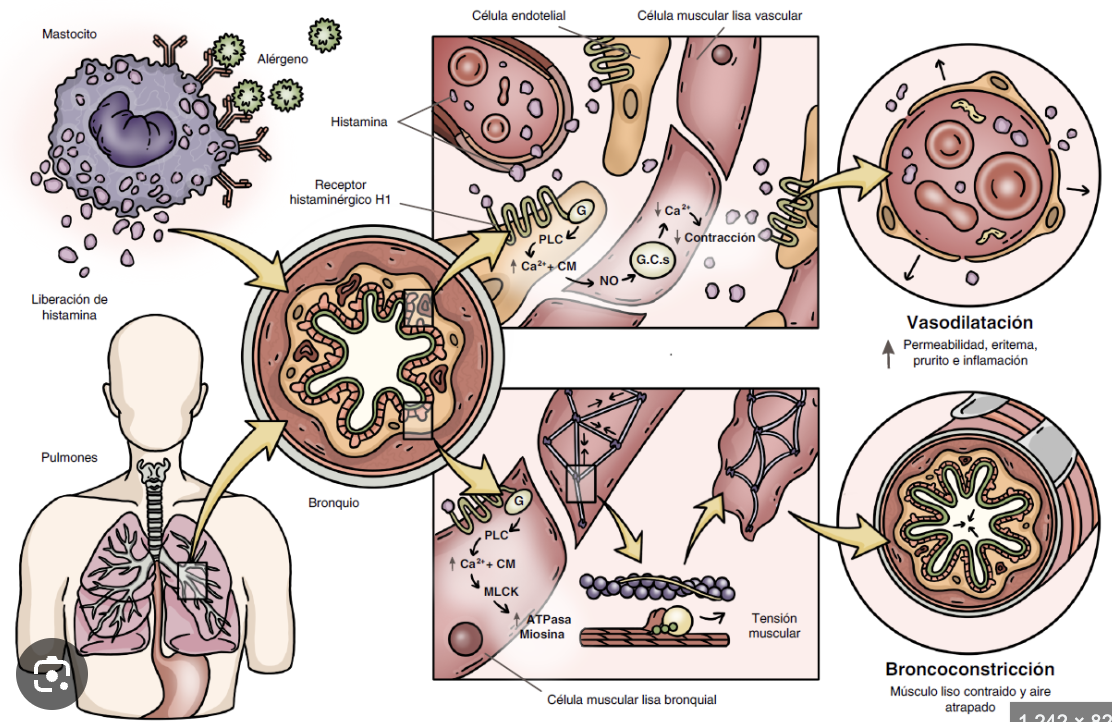 In this discussion, we’re going to talk about the role that histamine plays in the perpetuation of chronic pain in situations that were originally set off by trauma or a period of chronic, ongoing stress. Histamine is a hormone that works with our boundaries, both emotional and physical. It is a neurohormone that specifically deals with our ability to identify Self and Non-Self. When a person does not feel “safe” in their environment or if that person is not able to create a boundary around themselves to achieve a fully relaxed state on a reliable basis, histamine-related pain or health issues can become a problem. In homeopathy, allergies and histamine-related symptoms are caused by an irritation or suppressed grief. Chronic pain often involves a histamine-related a “allergic response” that goes beyond just histamine involvement.
That being said, humans are a special type of animal. Even when an environment is technically “safe”, our minds and bodies can serve up looping “trauma reels” that play unconsciously. These “trauma reels” that can make us feel unsafe even though we are, indeed, perfectly safe, are known as “flashbacks” in conventional psychology. A great deal of energy must be expended in order to suppress these “trauma reels” in our waking lives which can cause the body-mind to act like a computer with a cache that is full. In other words, trauma from the past that is not properly released can cause the feelings of being traumatized in the present. And keeping the trauma from the past properly corked in the bottle takes energy as this trauma is always trying to pop out and express itself so that it can be permanently released.
In humans, histamine can be released not only in response to actual danger-issues, but also in response to unconscious or perceived danger-issues. The topic of histamine and chronic pain, but also the topic of histamine and serious allergy-related diseases like Mast Cell Activation Syndrome / MCAS is thought-provoking to say the least, especially if you can find your way around some of the smokescreen-studies about the histamine response that involve a lot of recursive thinking and non-insights into something a bit more productive like endobiogeny models and the like, there are medicines and treatments that can actually get an untethered histamine response under control again. It takes time and consistency, and the acknowledgement that the body IS the mind and that we are not beings with a body that is totally separate from the mind.
In this discussion, we’re going to talk about the role that histamine plays in the perpetuation of chronic pain in situations that were originally set off by trauma or a period of chronic, ongoing stress. Histamine is a hormone that works with our boundaries, both emotional and physical. It is a neurohormone that specifically deals with our ability to identify Self and Non-Self. When a person does not feel “safe” in their environment or if that person is not able to create a boundary around themselves to achieve a fully relaxed state on a reliable basis, histamine-related pain or health issues can become a problem. In homeopathy, allergies and histamine-related symptoms are caused by an irritation or suppressed grief. Chronic pain often involves a histamine-related a “allergic response” that goes beyond just histamine involvement.
That being said, humans are a special type of animal. Even when an environment is technically “safe”, our minds and bodies can serve up looping “trauma reels” that play unconsciously. These “trauma reels” that can make us feel unsafe even though we are, indeed, perfectly safe, are known as “flashbacks” in conventional psychology. A great deal of energy must be expended in order to suppress these “trauma reels” in our waking lives which can cause the body-mind to act like a computer with a cache that is full. In other words, trauma from the past that is not properly released can cause the feelings of being traumatized in the present. And keeping the trauma from the past properly corked in the bottle takes energy as this trauma is always trying to pop out and express itself so that it can be permanently released.
In humans, histamine can be released not only in response to actual danger-issues, but also in response to unconscious or perceived danger-issues. The topic of histamine and chronic pain, but also the topic of histamine and serious allergy-related diseases like Mast Cell Activation Syndrome / MCAS is thought-provoking to say the least, especially if you can find your way around some of the smokescreen-studies about the histamine response that involve a lot of recursive thinking and non-insights into something a bit more productive like endobiogeny models and the like, there are medicines and treatments that can actually get an untethered histamine response under control again. It takes time and consistency, and the acknowledgement that the body IS the mind and that we are not beings with a body that is totally separate from the mind.

Click here to schedule a health coaching call with us.
Chronic Stress, Trauma, the Immune System, and Pain
A number of chronic pain disorders originate from the problem of an over-solicitation of the fight-or-flight system of the body (also known as the Sympathetic Nervous System, a branch of the Autonomic Nervous System). When a person (a child or an adult) is under chronic, ongoing stress, or if that person experiences a sudden traumatic experience, the sympathetic nervous system (the fight-of-flight system) can end up in a state of near-constant activation or periodic inappropriate activation in response to an emotional trigger. Triggers are typically unconscious which means that no one knows consciously what triggers them. Sometimes people recognize what the emotional trigger was after they work with the sacred medicines and release the traumatic memory, but prior to that, the whole point of dissociation where traumatic emotional content becomes unconscious rather than consciously accessible, is to protect the conscious mind from having to interact daily with traumatic memories and powerful, painful emotions in the body.During states of sympathetic nervous system activation, patients feel pain. Sometimes the pain feels like it’s inside the body and the tissues, sometimes it feels as though it “floats above the skin” in the energy field overlying the actual material body. In any case, sympathetic nervous system activation tends to produce muscle tension, constriction of the blood vessels such that oxygen may not be as available to organ tissues or the brain or to peripheral areas of the body.
This state of near-constant activation of the sympathetic nervous system is often punctuated by periods of a parasympathetic “freeze” or “play dead” response that involves extreme lethargy or brain fog and other symptoms associated with chronic fatigue syndrome or just plain exhaustion in those with chronic pain. The “freeze” or “play dead” response of the dorsal parasympathetic branch of the autonomic nervous system is important in situations involving extreme danger. This is the branch of the nervous system that can “release the soul” from the body just prior to death so as to prevent the experience of extreme pain. Also, if you are being chased by a tiger, this “freeze” response that’s built into your nervous system will cause total paralysis and collapse that will make your body look as though it is dead. This response, in a situation involving a tiger (as just one example), can save your life. For example, imagine that an active shooter begins gunning down the people around you and your body goes into a state of “freeze” and you collapse to the ground as though dead. This response is unconscious and it can save your life by making you appear dead to a potential predator.
Unfortunately though, the “freeze” response can be triggered by non-life-threatening situations that are emotionally overwhelming too. As a child, if your parent suggests to you that they won’t take care of you anymore if you don’t follow a particular rule, for example, you may experience this type of threat as a threat to your survival. The parent may or may not be producing a serious threat to the child’s survival, but a child might interpret it as such (or the parent may actually be threatening to not take care of the child anymore). Again, we are not conscious of the material that traumatizes us until we can properly process it through the body and through culturally sanctioned methods for trauma-release. Thus, traumatic emotional content remains in the body, unprocessed while the memory of the trauma may still be accessible to us consciously (sans any emotion attached to it). Our bodies have built-in ways to release trauma, but we consciously override these built-in functions in order to soldier on in our daily lives and fulfill the expectations of the people around us.
In trauma-informed psychology, we might say that the left, logical hemisphere of the brain works with the narrative memories, judgment, rules, and other aspects of our existence as humans. Our bodies, which we also refer to as the right, creative hemisphere of the brain, in contrast, works with emotions. The left hemisphere of the brain is dopamine-centric while the right hemisphere of the brain is dominated by thyroid releasing hormone. Through the year, as the earth shifts on its access through the seasons, the brain and body shifts to be more dopamine, left-brain centric or more thyroid-releasing hormone and right-brain centric. This shift, which is caused by a geomagnetic change in the earth, is something that can naturally spur small bouts of trauma release throughout the year. Allergies are often seasonal, but they may or may not always be caused by physical allergens and can, in fact, be triggered by emotional “allergens” during the geomagnetic shifts. Chronic pain that involves the histamine response may wax and wane in response to seasonal shifts as well with certain times of the year producing more pain than other times of the year. For people who are doing trauma-informed therapy or working with the sacred indigenous medicines for trauma release, certain times of the year may yield better results and a more powerful healing response than at other times because of the geomagnetic shift.
In our view of chronic pain and allergies, the immune system is not a separate entity that a person could study and understand without combining an observation of the immune system components with observation of the autonomic nervous system and the endocrine system. This is also an endobiogeny-view of immunity that combines the immune system with the autonomic nervous system and the endocrine system. Whenever we talk about the autonomic nervous system, there are corresponding changes happening in the immune system and in the endocrine system. When we speak of trauma, we tend to focus on the autonomic nervous system because dysautonomia fairly easy to understand and treatment is something that the average person can comprehend and work with at home or at least using their own personal volition to seek out treatments that work. Dysautonomia produces anxiety and then depression with rare situations when the body-mind feels balanced. A person with chronic pain finds themselves constantly battling states where they feel either pain-free but exhausted, brain foggy, and depressed or states where they feel anxious and jittery, unable to sleep and afflicted with pain. The goal is to get the body into a ventral parasympathetic states of rest-and-digest as often as possible as this is the holy grail for pain control and mood control. This state of rest-and digest is naturally produced when a person gets into a flow state or when they are socializing with someone they enjoy with whom they are comfortable and safe. A lot of people in today’s world, which is dominated by screen time and social media, have a hard time producing the necessary connection with other human beings to produce a rest-and-digest state that heals the body and the mind. We might think about the whole process of healing dysautonomia and the back and forth of going between depression / exhaustion / lethargy (chronic fatigue) and anxiety / pain / inability to concentrate like we’re learning how to do tricks on a balance beam. If you’ve never done work with balance on a balance beam or a similar balancing apparatus, it might be time to try. There’s no way to teach a body how to balance without putting the body in a situation where it can try over and over again.
The whole process of healing chronic pain begins with noticing whether you’re in a state of “freeze” (exhaustion / depression / digestive system upset / brain fog) or “fight-or flight” (anxiety / physical pain / inability to concentrate). Histamine plays a role in producing dysautonomia, but you can’t really target histamine directly without throwing other hormones and neurotransmitters off balance at the same time. Nonetheless, understanding histamine and its role in dysautonomia is important and can give your left-brain something to work with as you undo whatever it is that’s triggering your chronic pain or allergy symptoms.
 Everything You Never Wanted to Know About the Treatment of Chronic Pain... and How to Avoid Painkillers That Will Eventually Kill You - BUY HERE!!!
The Sympathetic Nervous System in Rheumatic or Fibromyalgia-Type Pain and Chronic Fatigue Syndrome
The sympathetic nervous system is just one branch of the Autonomic Nervous System (ANS). The ANS is a part of the central nervous system that deals with unconscious control over organs, circulation, and all aspects of our bodily function that we don’t consciously regulate. The ANS is made up of four branches:- Sympathetic Nervous System Branches
- Alpha-Sympathetic - awake and aware, but in a state of relative relaxation.
- Beta-Sympathetic - fight-or-flight
- Parasympathetic Nervous System Branches
- Dorsal Parasympathetic - “freeze” responses involving lethargy and brain fog
- Ventral Parasympathetic - rest-and-digest states of rejuvenation
Brainwave States in Children and Adults
Chronic pain that takes shape in a young adult, particularly in women and young mothers, is often tied to the challenges of motherhood combined with a total lack of understanding and support from the culture that surrounds them. For this reason, to give insight into how this problem takes shape, we discuss brainwave states in children and adults below. Healthy adults are typically in a beta brainwave state or perhaps gamma (sometimes) during their waking hours with episodes of alpha during transitions in the day and brief bouts of theta. At night, adults rest into an alpha brainwave state with punctuations of theta and when its time to sleep, they go between delta, theta, and alpha. Older children with autism (for example), often experience far more sleep-oriented brainwave states like delta or theta during their waking hours. They may be wakeful and experiencing an episode of beta and then be overwhelmed by theta or delta waves that bring negative unconscious material to the surface. In autism / ASD, brainwave states may be incoherent and they may not always follow the established pattern in non-ASD children of the same age. In newborn babies, the delta brainwave state is predominant. Delta brainwave states are rejuvenating states of mind that involve deep sleep. Newborns are often even in a delta brainwave state when they have their eyes open. Delta brainwave states tend to be oriented toward inner reality as opposed to information from the environment. By the time a baby reaches one year of age, they typically begin to spend more and more time in theta brainwave states. Theta brainwave states in adults typically involve sleep or a very groggy state, but during a hypnotherapy session, for example, an adult who is hypnotized to a theta state is very suggestible. They interact with their environment and data coming into their awareness without any protection afforded by the logical left-brain to explain data that comes in. In hypnotherapy, we say that children lack the “critical factor” that acts as a filter. This “critical factor” doesn’t exist in children until they reach the age of discretion when their left-brain begins to be critical of external data (such that the child can judge for him or herself whether he/she agrees with the data they’re being exposed to). One of the positive things about hypnotherapy is that is allows patients to bypass the critical left-hemisphere of the brain that can get in the way of hope or healing. Two year old children tend to orient more to the theta brainwave state. This is a suggestible state of mind that is also very creative. While most adults are in beta or alpha states, in order to “tune in” to a two-year old, parents must be able to get into a theta-brainwave state without falling asleep. A two year old in a theta brainwave state is not oriented to the same reality as an adult, but adults can attune to a theta state at times during the day if they aren’t overloaded with trauma. If the parent is overloaded with trauma, a two-year old can easily “hack” into their parent and end up accessing the parent’s unconscious trauma. Obviously this might be one of the main ways in which ancestral trauma is transmitted during the time in a child’s life before the critical factor has developed. Children absorb a lot of information during the time period before they settle into alpha and beta brainwave states, but this information is encoded mostly in the body and not in the critical-thinking left-brain. Three and four year olds are also primarily theta-oriented, but they also have a bigger vocabulary with which to express themselves to the adults around them. It isn’t until age 5 that children begin to transition into lower alpha-brainwave states. A child who does not have the opportunity to go through brainwave states like delta, theta, and alpha with the proper amount of time spent in each can develop symptoms of disease or mental illness. Brainwave states are “contagious” in that we tend to “entrain” to brainwave states and vibrations around us – that includes other human beings. So if an adult has incoherent brainwave states as a result of trauma, this can lead to various symptoms of illness or mental illness in children. Children may do “hacking” behaviors involving a lot of neediness in an effort to get their parent to “tune in” and “stay present” with them rather than having the parent “go away” to a past tense trauma-flashback. Of course, the “hacking” behavior and the “hacking response” that parents have work against each other which is unfortunately. In any case, parents with chronic pain should consider ways to promote positive, developmentally appropriate brainwave states for everyone in the family. Our experience working with children and families is that, often, after a trip using the sacred indigenous medicines to release a specific trauma, children who normally wake up at night will be able to sleep. In fact, when children can’t sleep or when their sleep is poor or they have a lot of nightmares, parents who do treatment on themselves to release their trauma often end up having kids that sleep better.
Click here to learn more and download the Living Database now.
Histamine
Histamine is not always bad. In fact, histamine does a lot of good things in the body:- Histamine is a signaling molecule that’s found naturally in plants and animals.
- Histamine regulates:
- Digestion
- Sexual function
- Sleep
- Blood pressure
- Neurotransmission
- Histamine balances our adaptation and arousal response to stressful stimuli.
- Mast Cells - These are a type of white blood cell that’s found in connective tissues throughout the body. Mast cells are found in relatively small numbers in the connective tissues under normal circumstances. Mast cells can migrate to different locations in the body, as needed and then mature and receive information from T-cells about antigens found on invading pathogens.
- Basophils - These are another type of white blood cell that are less common than mast cells. In contrast to mast cells, basophils are found in blood. Like mast cells, they can also rapidly migrate to areas of the body where they’re needed. An influx of basophils is usually accompanied by a simultaneous influx of Th2 lymphocytes and eosinophilic granulocytes. Basophils often show up too late to address allergens directly – they tend to arrive several hours after allergen exposure, and many scientists believe that by the time basophils arrive, allergens have cleared.
- Eosinophils - Eosinophils interact with mast cells in the late stages of an allergic reaction.
- Enterochromaffin-like Cells - Enterochromaffin-like cells in the stomach produce histamine which, in turn, stimulates the release of gastric acids for the digestion of food.
- Neurons - Certain neurons in the central nervous system and digestive tract produce histamine.
- Platelets - Platelets can produce histamine in small amounts.
Antihistamines: Safety and Effectiveness at Reducing Histamine Levels
There isn’t a great deal of research into antihistamine safety and effectiveness. Most of the studies into antihistamine drugs are short-term and most of them use a very small sample size and they make broad-sweeping general assumptions. There are no studies showing how antihistamines impact people with long-term histamine-related issues such as allergies who take antihistamine drugs for a long period of time. No studies exist to compare the effectiveness of the various antihistamine drugs that are currently on the market. First generation antihistamines are also anticholinergic medications. Studies have shown that the anticholinergic effects are associated with a heightened risk of dementia and cognitive decline in older patients. Many men develop erectile dysfunction as a result of their antihistamine use never realizing that their sexual issues are caused by their allergy medications. Diphenhydramine can cause and worsen depression. If you don’t already struggle with depression, why take a drug that might bring it on? These are just a few of the issues that are compounded in people who work with antihistamine drugs. That being said though, histamine can and should be balanced in people with dysautonomia and chronic pain conditions. The point we wish to make here is that anti-histamine pharmaceuticals are not worth the potential harm they can cause.Iodine Deficiency and Pain Disorders
For many people who have chronic pain due to arthritis, fibromyalgia, chronic fatigue syndrome, or any number of disease states involving inflammation, iodine deficiency is a major problem that contributes to chronic pain. In the modern world, iodine deficiency almost never exists in vacuum – it is typically accompanied by bromide and fluoride toxicity as these two substances masquerade in the body as iodine and hijack the thyroid gland and in turn, the thymus gland. Often people experience a significant boost in energy and also improved pain control after they get through the detoxification from toxic halide exposure after regular supplementation with Lugol’s iodine 2% for 30-60 days.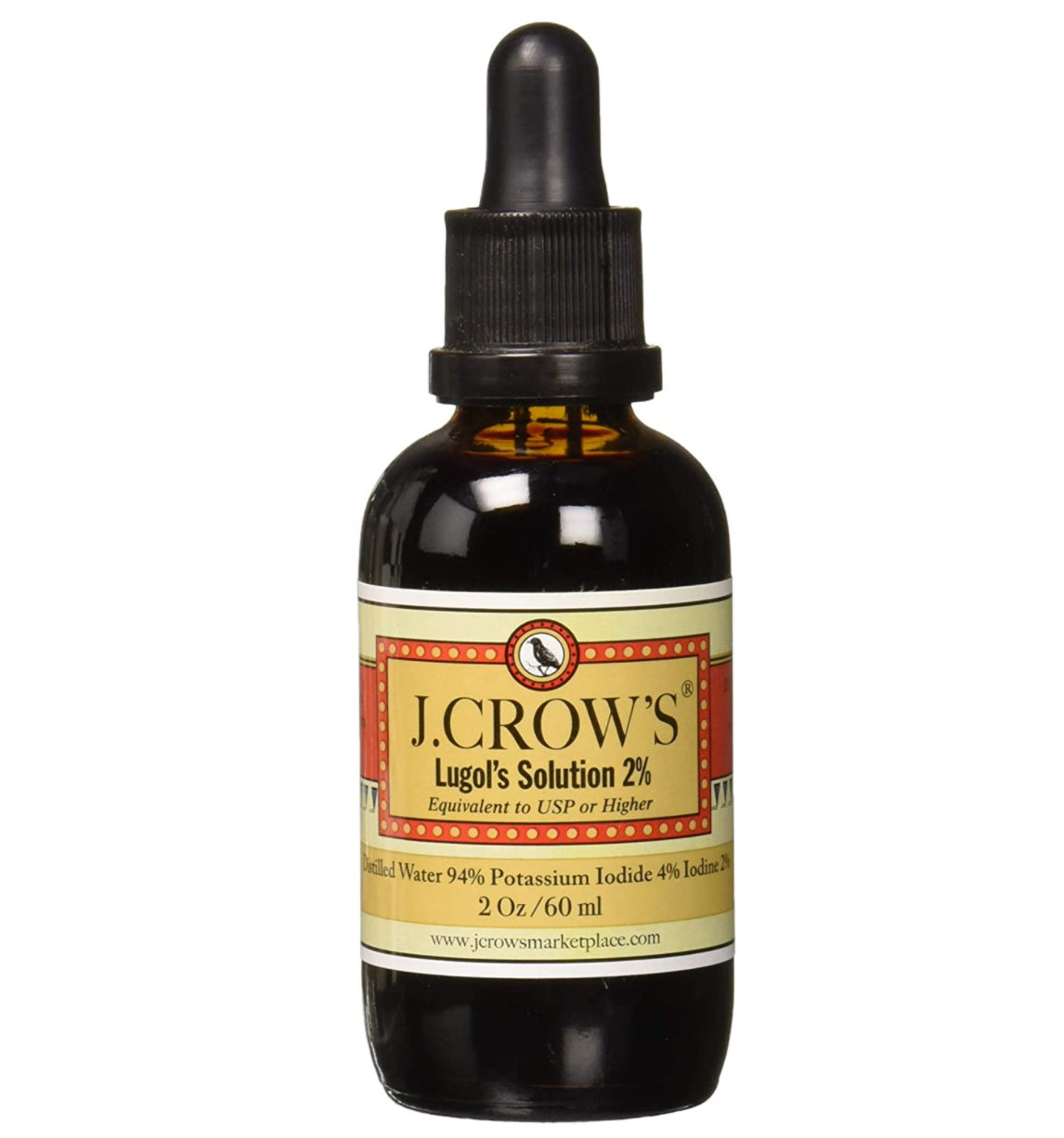
Click here to buy Lugol's iodine 2%.
The thymus gland is essential in proper immune function. Indeed, the thymus gland is one of just a few essential organs / glands of the immune system. B lymphocytes that originate in the bone marrow (“B” for Bone) migrate to the thymus gland to go through “military training” in this gland that’s located behind the sternum to become T lymphocytes (“T” for Thymus). The B lymphocytes that make the cut (not all of them do) are rewarded with T cell status. T cells that make it through the training process in the thymus gland are then able to police the body looking for pathogens. When they find a pathogen, their job is to grab an antigen off that pathogen that they can then present to a mast cell. Mast cells then choose from an arsenal of weapons and tools to decide how to respond to the threat. Histamine is one of the tools that mast cells can use to overcome a pathogen invasion.The thymus gland is like a military base in the body where T lymphocytes are vetted and trained from a pool of elite B lymphocytes fresh from the bone marrow. Humoral factors produced in the thymus gland are essential for the maturation and development of T lymphocytes, which act as “soldiers” that stand sentinel against invading pathogens. But the humoral factors that play such an important role in thymus gland activity are regulated by thyroid hormones. For example, if the thyroid gland is hyperfunctioning (hyperthyroid), the thymic humoral factor known as “thymulin” will be too high. If the thyroid gland is hypofunctioning (hypothyroid), then thymulin levels will be too low.
A malfunctioning thyroid gland is one of the most common health problems in the developed world right now because bromide and fluoride exposure is so ubiquitous. More than 12.5% of the U.S. population is known to have thyroid problems with a number of other people suffering from poor thyroid function without realizing it yet. Again, bromide, fluoride, and also organophosphate exposure is a big part of the problem, but the body isn’t so vulnerable to these toxins if it is exposed to the right nutrients like iodine and vitamin K2 / MK-7 among others. The thing is, genetically modified (GMO) foods like wheat, corn, and soy (staple foods in the developed world) no longer go through the shikimate pathway. This means that these foods lack an array of nutrients that ultimately downgrade thyroid function. The health consequences are devastating for people with chronic pain as one of the outcomes of this problem.
Remember, thyroid-releasing hormone (TRH) is one of the two main neurohormones that govern the body’s switch during geomagnetic shifts. Dopamine is the other. When we are in a TRH mode, we have more vivid dreams and the right-brain is dominant and willing to release trauma more readily. Without iodine to feed the thyroid gland and ensure that thyroid hormone can be produced and “released” which is one of the main functions of TRH, our bodies will become overloaded with trauma and unable to recover from emotional assaults that we’ve experienced, not to mention the physical impact of not being able to produce thyroid hormone in appropriate quantities to serve the body’s needs.
Iodine supplementation helps restore normal nervous system function to reduce pain in complex regional pain syndrome, neuropathy, and fibromyalgia, so this is a vital nutrient. To get the most out of Lugol’s iodine supplementation though, we recommend doing this protocol which addresses the other nutrient deficiencies that are caused by eating a diet high in GMO foods.
Histamine as an Endocrine Regulator
The tuberomamillary nucleus (TMN) is an area of the hypothalamus where histamine neurons produce histamine. Histamine release in this area is catalyzed by the enzyme histidine decarboxylase which deconstructs the amino acid histidine into histamine. On the other hand, histamine is deactivated into an inactive form (tele-methylhistamine / t-MeHA) by the enzyme N-methyltransferase. All histamine receptor types are G-protein coupled. The histaminergic system involves four histamine receptor types, H1 to H4. The histaminergic system controls the following physiological functions:- Sleep-wake cycles
- Energy homeostasis
- Endocrine homeostasis
- Sensory functions
- Motor functions
- Cognitive functions
- Learning
- Attention
- Memory
Dysfunction of the histaminergic system can contribute to the following disorders including:
- Alzheimer’s disease
- Parkinson’s disease
- Narcolepsy
- Schizophrenia
- Tourette syndrome
- Autism / ASD
- Depression
- Insomnia
- Chronic pain conditions
Click here to learn more about the DreamLight.app, a guided meditation and brain-entrainment tool.
Histamine Intolerance and Fibromyalgia and Chronic Fatigue Syndrome
“Histamine intolerance” is the buzz phrase used to describe the problem of having histamine that’s gone rogue and that’s no longer coordinated into a normal, controlled “reactionary moment” in the human experience. In other words, if you’ve experienced prolonged stress or a major trauma (or many major traumas) in your life, you might be experiencing flight-or-flight / beta-sympathetic states too often or for too long in a sequence involving other autonomic nervous system states. These fight-or-flight feelings might not be synced up with your actual experience of the present moment. You might, for example, have anxiety or panic for no reason that you can readily identify. Your body may go from a resting state quickly into a fight-or-flight state and your histamine levels might be untethered from the symphony of other hormones that normally work in concert with it. In psychology, this is called Post Traumatic Stress Disorder (PTSD), but you don’t have to paste this label to your forehead if you don’t feel like it fits you. To simply say that you have trauma that has not been properly released yet is an acceptable way of putting the experience of being out-of-sync with the present moment into words. Even ongoing stress at work or at home can produce symptoms of trauma and negative changes in autonomic nervous system function. Stress and trauma are mundane in the lives of modern humans. All of us have plenty of both and few opportunities to release either of them in a way that ultimately balances the autonomic nervous system.Pain disorders like rheumatism, fibromyalgia, and chronic fatigue syndrome (among other types of chronic pain) seem to have no biological origin in part because they are rooted in trauma and derived from the body’s normal trauma response. Trauma and trauma-informed therapies are a field that deals with the mind-body connection, namely the autonomic nervous system and the endocrine system. While trauma-informed therapists rarely discuss things like an exaggerated histamine response with their clients, in fact, histamine “intolerance” (a misnomer) is something that becomes a focal point when clients get to the end of trauma-release therapy using sacred indigenous medicines like psilocybin, Ayahuasca, or Iboga. Once a person has done a number of “trips” using the sacred medicines (usually over 120 hours, sometimes double that or more), for example, their bodies have an opportunity to re-tether the histamine response using medicines like Piracetam, for example. Piracetam is a pharmaceutical that’s available over-the-counter in many countries. This drug remodels cellular membranes to make them more fluid, less rigid, and more “bouncy”. That’s right. Piracetam makes it easier for us to let things bounce off of us at the cellular level.
But going back to histamine and histamine intolerance, in order to understand the histamine response, we have to step away from mainstream science and look at histamine from a totally different perspective. What if, as humans, we have the ability to feel other people using our bodies and not our narrative, logical minds? What if we are energetically connected to other people in a way that can cause us to energetically respond or react to them?
Maybe this idea resonates with you. Maybe it repulses you. We’ve already discussed the idea of brain entrainment and it’s an established fact that if you have someone work with a machine that produces specific brainwave states (such as a PEMF machine), that the human brain will begin to vibrate at the same frequency. So it isn’t hard to imagine that if you are spending a lot of time with another person who is producing a specific brainwave state or pattern that you would begin to resonate with that person. That person would sync up with you as well.
And what if we have the ability, as humans, to send our consciousness to other “realms” that are only tenuously connected to the present tense? What if PTSD and trauma-related dissociation is actually like breaking energy away from the consciousness of the human organism to leave it in a past-tense moment of trauma or to send it into future-tense planning projects in an effort to escape from the mess of the present moment? Let’s say that, instead of another “realm”, we, as humans, have the ability to put the negative emotional content of a traumatic moment in a specific location in the body.
For example, let’s say that a young adult person is in a serious car accident that’s emotionally traumatic. Let’s imagine that this person was on their way to a birthday party. Though this trauma could be released using a variety of techniques, we are no longer schooled in these methods in modern society and we don’t use them. The trauma of experiencing this car accident, thus causes the person to leave a part of their energy, their consciousness in the past where it re-lives the accident over and over again. This person experiences flashbacks or emotional “vortices” of the fear they felt during the accident every time they are exposed to birthdays, birthday party supplies, or anything birthday related that they might see online or on TV. Now, let’s say that this “vortex” involving the replay of the traumatic event centers itself in a particular place or system in the body.
This hypothetical person would be triggered often by birthday-related material because birthdays are common and birthday supplies are seen in a number of contexts. So this person might develop a phobia about birthdays and birthday parties so as to provoke avoidance of the trigger. To cope with it, this person might avoid all of the big box stores or any location where birthday supplies are sold. The person might also develop a generalized anxiety disorder or even depression or psychosis in response to triggers. Physical symptoms of disease might develop, in part, to help this person notice that their body is suffering with trauma overload. This person might develop an autoimmune disease that creates a type of incapacitation that makes it easier for the person to avoid birthday-related material if the “vortex” centers itself in a particular area of the body, weakening it to produce specific symptoms.
This is an over-simplified hypothetical situation, but it depicts how we try to cope with trauma when trauma isn’t properly released within a timely manner. Click here to read more about a real-life scenario involving trauma and how the triggers and unconscious material was portrayed in everyday, conscious life.

Click here to do a free trial of EMDR online.
Overcome Fibromyalgia and Other Chronic Pain Conditions Naturally by Targeting the Histaminergic System
Scientists have demonstrated already that there’s a direct connection between fibromyalgia and overactive mast cells. Pain cells are also involved in the chronic pain disorder known as Complex Regional Pain Syndrome (CRPS). Migraine headaches and mast cells are linked because mast cells in the meninges are released in response to neuropeptide release at the trigeminal nerve. In neuropathy, mast cells contribute to nerve tissue inflammation and pain. Indeed, MCAS is associated with neuropathic symptoms and dysautonomia. So there’s a powerful, established relationship between chronic pain conditions and mast cell activation.
In a lot of the content online about fibromyalgia (as one example) and overactive mast cells, the mast cells are cast as the problematic focus driving the chronic pain. While mast cells are, in fact, one type of cell that produces and releases histamine, leukocytes, and enterochromaffin cells in the stomach also release histamine. And an elevated histamine release is caused, in the initial stages of fibromyalgia development, by chronic, ongoing alpha-sympathetic (alert, per-fight-or-flight) states. In other words, elevated histamine release is caused by chronic, ongoing stress, or by the buildup of moderate or major traumatic experiences that have not been properly process by the body.
In a normal, healthy cycle of arousal and adaptation, we begin in a rest-and-digest state. This state is supported and prolonged by the release of serotonin in the gut and in the brain. If something happens in our environment that activates our attention in preparation for a possible fight-or-flight situation, we launch into an alpha-sympathetic state which is supported and prolonged by histamine. If this alpha-sympathetic level of arousal is elevated to fight-or-flight (beta-sympathetic), histamine, at normal levels in the body, will help to return the body back to a brief state of first, dorsal parasympathetic “freeze” response, and then into a state of ventral parasympathetic rest-and-digest.
When a person has been chronically stressed or even chronically triggered in terms of their traumas from the past, the alpha-sympathetic state gets prolonged and histamine levels (read: rhythms and patterns of release) are elevated as a result. Histamine, as we’ve discussed above, communicates with the body through patterns of release more than through quantity, after all. For a while, to calm the body down, histamine remains dependent on adrenaline and other hormones that spur the alpha-sympathetic state, but over time, if the pattern of prolonged alpha-sympathetic continues, human tissues begin to produce more and more histamine receptors to accommodate the increased presence of histamine. In other words, the body listens to the urgency of the demand for histamine that’s being produced by stress or trauma stimuli. The body or, in other words, the autonomic nervous system creates a milieu for histamine to begin acting on its own without solicitation from the arousal and adaptation cycle.
If histamine levels remain elevated in this way, histamine will begin to prolong alpha-sympathetic states in a way that increase the release of adrenaline. Adrenaline release can be delayed too and also exaggerated in terms of the severity of the adrenal response. This creates and perpetuates the problem of being “out of sync” with environmental cues about time (sunrise, sunset, moon phases, seasons, etc.) and also social cues that would normally promote a rejuvenative and restorative rest-and-digest parasympathetic state. The “out-of-sync” nature of this experience could be characterized as an ongoing state of “flashback” with bursts of present-tense every now and then. At this stage in the development of fibromyalgia, histamine acts to produce pain that sometimes feels like it’s in the body, sometimes like it’s floating over the body.
Histamine is produced in the stomach by enterochromaffin cells and as the body starts to heal from fibromyalgia, some patients notice that their internal organs, specifically the stomach, is upset and somehow involved in producing the pain. As histamine begins to retether, the body begins to alternate between pain-states involving pain in the muscles and connective tissues and discomfort and malaise involving the digestive system.
Like fibromyalgia and chronic fatigue syndrome as well as other chronic pain conditions, allergies are driven by elevated and unhinged histamine release that’s no longer hooked into the trajectory of the human arousal and adaptation cycle. To overcome fibromyalgia and chronic fatigue syndrome, you’ll have to release your trauma using the sacred indigenous medicines. This can be a long process (it usually takes 1-2 years depending on the patient profile and the frequency of trips and treatments) to produce a permanent cure for fibromyalgia and chronic fatigue syndrome. Patients experience landmarks of progress as they work toward the permanent goal with emotional relief happening first, followed by a slow but steady “retethering” of histamine to the arousal sequence to the adrenal and serotonergic response again.
To learn more about how to work with the sacred medicines to overcome chronic pain, set up a health coaching session with us here.
Also, click here to learn more about nicotine patches and amanita muscaria, both of which work very well to naturally cure fibromyalgia, particularly when the patient also works to release trauma as a part of the protocol.
How to Cure Mast Cell Activation Syndrome (MCAS) via Histamine Tethering
In Mast Cell Activation Syndrome (MCAS), people often experience postural orthostatic tachycardia syndrome (POTS) when their body fails to time the shift from a parasympathetic rest-and-digest state (a seated position) to an alpha-symapthetic state that’s more active (standing). As we discussed above, histamine tethers one state of arousal to another to make a smooth adjustment from rest-and-digest (or “freeze” / “play dead”) to “fight-or-flight”, etc. Flushing and shortness of breath is an alpha-sympathetic or a beta-sympathetic phenomena. Symptoms such as headaches, skin rashes, excessive urination, light-headedness, gastrointestinal symptoms, and even vomiting can all be traced back to this overzealous arousal response that’s normally tightly regulated and kept balanced by histamine.The frustrating thing about MCAS is that it is experienced as a physical disease, but it often begins as a result of an emotional trauma. To retether the histamine response back into the arousal sequence properly, you have to work with mind-body medicines like Ayahuasca, psilocybin, or San Pedro. Working with the sacred medicines can provide a permanent cure for MCAS, but it takes work and persistence. To learn more about how to work with the sacred medicines to overcome MCAS, set up a health coaching session with us here.
Pain Relief While Releasing Trauma
In this discussion, we established that histamine is not a good target for pain treatment, but that histamine does provide us with a scientifically validated model of the biology of trauma. This discussion of histamine gave us a launching point to discuss trauma, brainwaves, the idea that we can “feel” other people and entrain to them, as well as the idea that the autonomic nervous system, the endocrine system, and the immune system are so tightly interlinked that they should be considered as one system in the body. Histamine “behavior” in the human body gives us something to look at in the real world when we observe the stress and trauma response that seems to have gone off the rails.So while we won’t be ending this discussion with ways to lower histamine levels naturally, or ways to control histamine release, etc. we do want to end the discussion by saying that the approach that we use here in Mexico to overcome chronic pain involves a combination of sacred medicines to release trauma, trauma-informed therapies like EMDR, craniosacral therapy, etc., combined with pain-relieving treatments like bee venom therapy that rebalances the autonomic nervous system while also relieving pain in the body. We provide guidance on how to use kratom without becoming addicted to it and how to work with medicines like Amanita muscaria and either low-dose nicotine patches or wild tobacco as a sacred medicine. Wild tobacco has the added benefit of being able to release trauma and kill biological and emotional “parasites” that may be contributing to chronic pain conditions. We also work with modified forms of neural therapy, neurofeedback, and technologies like PEMF entrainment therapy to relieve pain and release trauma at the same time. Ketamine therapy is also available in our area to reboot the glutamate system and release trauma while providing simultaneous pain relief.
Pain relief during the trauma-releasing process is so important. The ability to relieve your own pain is a first step toward believing that there’s hope for a permanent cure. It isn’t necessary or desirable to work with opiates for pain relief though many of our clients have been addicted to opiates before learning how to control pain without them.
Contact us at [email protected] for more information or to set up a health coaching call to find a protocol for pain relief and trauma release that works for you and your lifestyle.
Summary
If you have chronic pain and/or allergies that are due to histamine levels that have "gone off the rails", consider working with Garcinia kola as an herb that balances all hormones at the same time, including histamine. Garcinia kola (also known as the bitter kola nut and also sometimes as Cola accuminata) is a front-line treatment for healers in Africa who work with clients who have an array of serious symptoms, including chronic pain. Garcinia kola is a powerful treatment for inflammation and for pain, so it works on various types of pain to heal the root cause.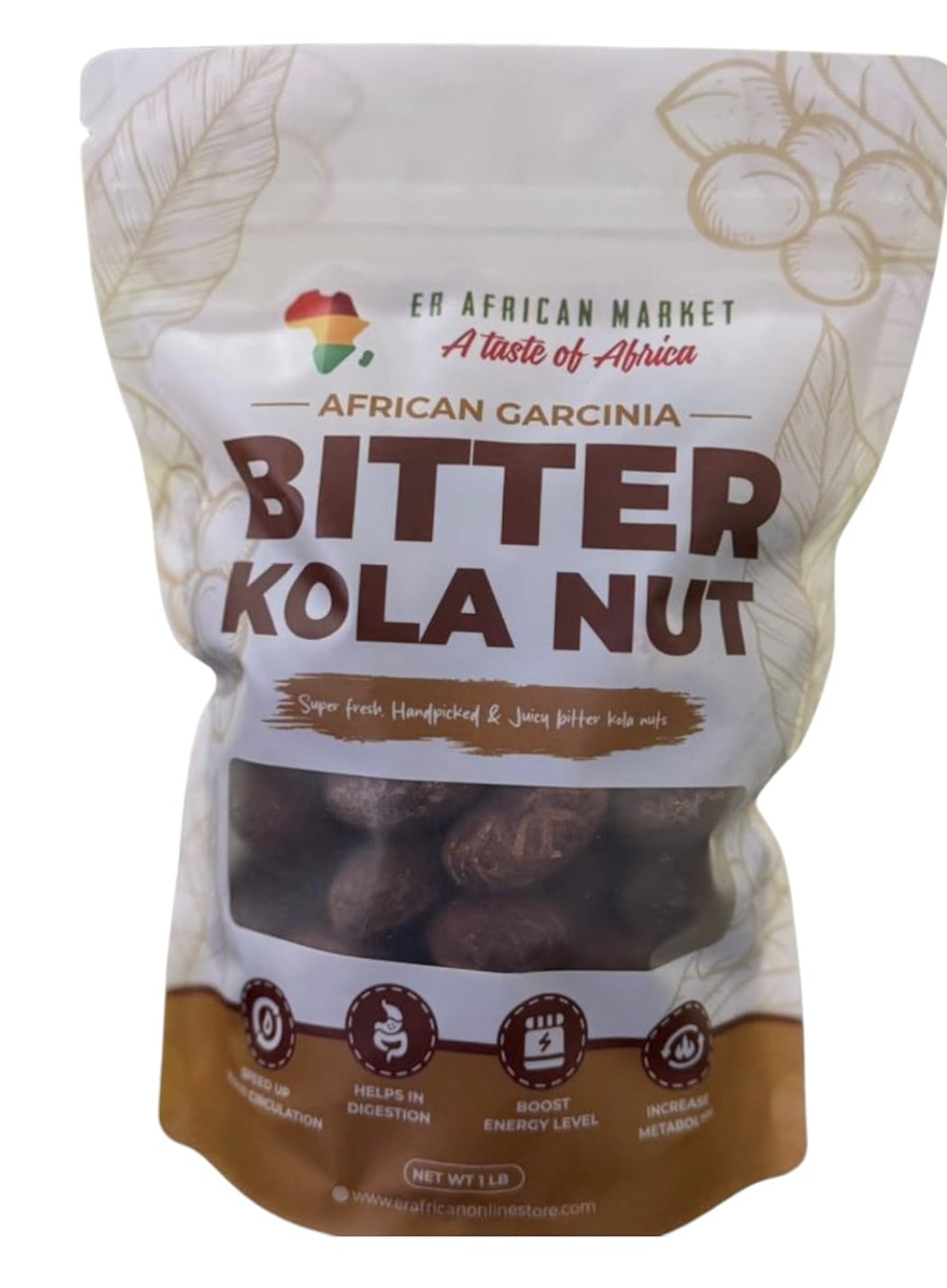
Click here to buy Bitter Kola Nut.
Garcinia kola isn't technically a pain-relieving herb in that it doesn't specifically work on the systems of the body that produce pain relief, but rather it works on root-cause elements to reduce inflammation and heal the body. Garcinia kola is a good herb to work with if you wish to heal your body. It can be used in combination with other pain-relieving treatments that do no harm so that the person with chronic pain can be working to treat the underlying health issue and imbalances while relieving the pain on a day-to-day basis so as to return to a normal life as soon as possible. Be sure to learn more here about how to prepare and take this herbal remedy for chronic pain.
Click here to buy The Home Brewed Ko-Ka-Ko-La Cure.
If you aren't ready to work with the sacred medicines to release trauma in order to cure fibromyalgia, chronic fatigue, chronic pain syndromes, or MCAS, start by working with the DreamLight.app, a brain entrainment and guided meditation tool as an alternative that gives you the power to release trauma using at-home treatments.
Click here to learn more about the DreamLight.app, a guided meditation and brain-entrainment tool.
Many people use the DreamLight.app in tandem with Eye Movement Desensitization and Reprocessing / EMDR, another at-home trauma-release tool. EMDR and the DreamLight.app are not nearly as powerful as psilocybin or Ayahuasca for trauma-release, but many people begin their journey by working with these tools. Craniosacral therapy can also be extremely valuable as a tool to release deep trauma.
Click here to do a free trial of EMDR online.
Resources:
• Hedayat, K. M. & Lapraz, J. C. (2019). The Theory of Endobiogeny: Volume 1. Academic Press: London.
• Gomez-Arguelles, J. M. et al. (2022). Improvement of digestive symptoms of fibromyalgia patients following a diet modification according to histamine release test - an observational study. Retrieved February 19, 2025 from https://pmc.ncbi.nlm.nih.gov/articles/PMC9301665/
• Elixir Compounding Pharmacy (2020). Fibromyalgia and Histamine Intolerance. Retrieved February 19, 2025 from https://www.elixircompounding.com.au/post/fibromyalgia-and-histamine-intolerance?srsltid=AfmBOor3-bet4AVRBg-IPyZ9SAfzz7I8ljKp7cT4q-O7uFTkGMQ2v3Wb
• Clayton, P. et al. (2021). Palmitoylethanolamide: A Natural Compound for Health Management. Retrieved February 20, 2025 from https://pmc.ncbi.nlm.nih.gov/articles/PMC8157570/
• Haas, H. & Panula, P. (2003). The role of histamine and the tuberomamillary nucleus in the nervous system. Retrieved February 19, 2025 from https://www.nature.com/articles/nrn1034
• GIlfillan, A. M. and Tkaczyk, C. (2006). Integrated signalling pathways for mast-cell activation. Retrieved February 21, 2025 from https://pubmed.ncbi.nlm.nih.gov/16470226/
• Urb, M. & Sheppard, D. C. (2012). The Role of Mast Cells in the Defence against Pathogens. Retrieved February 21, 2025 from https://pmc.ncbi.nlm.nih.gov/articles/PMC3343118/#:~:text=Mast%20cells%20are%20found%20in,in%20the%20fight%20against%20pathogens.
• Fede, C. et al. (2023). Detection of Mast Cells in Human Superficial Fascia. Retrieved February 21, 2025 from https://pubmed.ncbi.nlm.nih.gov/37511360/
• Knol, E. F. (2011). Basophil Granulocyte. Retrieved February 21, 2025 from https://www.sciencedirect.com/topics/immunology-and-microbiology/basophil-granulocyte
• Piliponsky, A. M. et al .(2001). Human eosinophils induce histamine release from antigen-activated rat peritoneal mast cells: A possible role for mast cells in late-phase allergic reactions. Retrieved February 21, 2025 from https://www.jacionline.org/article/S0091-6749(01)21163-4/pdf
• Sanyal, R. K. (1960). Histamine Sensitivity in Children after Pertussis Infection. Retrieved February 21, 2025 from https://www.nature.com/articles/185537b0
• Fabris, N. et al. (1986). Thyroid function modulates thymic endocrine activity. Retrieved February 21, 2025 from https://pubmed.ncbi.nlm.nih.gov/3944232/
• Shan, L. et al. (2021). The tuberomamillary nucleus in neuropsychiatric disorders. Retrieved February 21, 2025 from https://pubmed.ncbi.nlm.nih.gov/34225943/
• Shan, L. and Swaab, D. F. (2022). Changes in Histaminergic System in Neuropsychiatric Disorders and the Potential Treatment Consequences. Retrieved February 21, 2025 from https://pubmed.ncbi.nlm.nih.gov/34521328/
• Scammell, T. E. et al. (2019). Histamine: neural circuits and new medications. Retrieved February 24, 2025 from https://pmc.ncbi.nlm.nih.gov/articles/PMC6335869/#:~:text=Thus%2C%20drugs%20that%20interfere%20with%20H3%20receptor,norepinephrine%2C%20dopamine%2C%20and%20possibly%20other%20neurotransmitters%20[11].
• Malmberg-Aiello, P. et al. (2000). Antiamnesic effect of metoprine and of selective histamine H(1) receptor agonists in a modified mouse passive avoidance test. Retrieved February 24, 2025 from https://pubmed.ncbi.nlm.nih.gov/10869801/
• HealthRising (n.d.). Piracetam for Chronic Fatigue Syndrome and Fibromyalgia. Retrieved February 24, 2025 from https://www.healthrising.org/treating-chronic-fatigue-syndrome/drugs/piracetam/