Reproductive Hormones and Pain: Chronic Pain Treatments That Rebalance Hormones and More...
 Studies have shown that males and females experience pain very differently as a result of their different hormonal makeup. Males, for example, have higher levels of testosterone than females. This increases their pain threshold. Biological females, in contrast, experience dramatic hormonal fluctuations that cause pain to be more noticeable and acute. Lower levels of testosterone in females may also contribute to their lower pain threshold.
If you experience chronic pain, tailoring your approach based on your gender can be important. Transgender studies are currently in progress to observe how pain sensitivity changes as people transition from one gender to another, but to date, there are studies being done, but they aren’t complete. Nonetheless, in this discussion, we’re going to talk about reproductive hormones and how they impact a person’s experience of pain and how to use herbal medicine to overcome pain.
Studies have shown that males and females experience pain very differently as a result of their different hormonal makeup. Males, for example, have higher levels of testosterone than females. This increases their pain threshold. Biological females, in contrast, experience dramatic hormonal fluctuations that cause pain to be more noticeable and acute. Lower levels of testosterone in females may also contribute to their lower pain threshold.
If you experience chronic pain, tailoring your approach based on your gender can be important. Transgender studies are currently in progress to observe how pain sensitivity changes as people transition from one gender to another, but to date, there are studies being done, but they aren’t complete. Nonetheless, in this discussion, we’re going to talk about reproductive hormones and how they impact a person’s experience of pain and how to use herbal medicine to overcome pain.

Click here to schedule a health coaching session with us.
Estrogen and Pain
There are several different types of estrogens in the human body. As a general rule, a fluctuation in estrogen level of any type, tends to increase pain perception.Estrogens may have an important regulatory effect on pain through their impact on intracellular receptors, genes and gene expression, and G-coupled proteins in both the central and peripheral nervous system. Also, estrogens have an influence on neural pathways that modulate the experience of pain in the body including the serotonin system, the noradrenaline system, endogenous opioid pathways, and the dopamine system, but at the time of this writing, the most important relationship between estrogens and pain perception pertains to changes in estrogen levels. Correlations between the presence of estrogen at higher or lower levels in the body and pain perception are less noteworthy than correlations between estrogen fluctuations and increases in pain perception.
Click here to buy The Home Brewed Ko-Ka-Ko-La Cure.
For women with chronic pain, it is most important to reduce the severity of hormone fluctuations in the body throughout the menstrual cycle. For this purpose, Garcinia kola (also known as the bitter kola nut – one of the main ingredients in the original, medicinal version of Coca Cola) is one of the most important medicinal herbs for females. The nutrient supplement known as Lugol’s iodine is also essential in balancing reproductive and thyroid hormone levels.
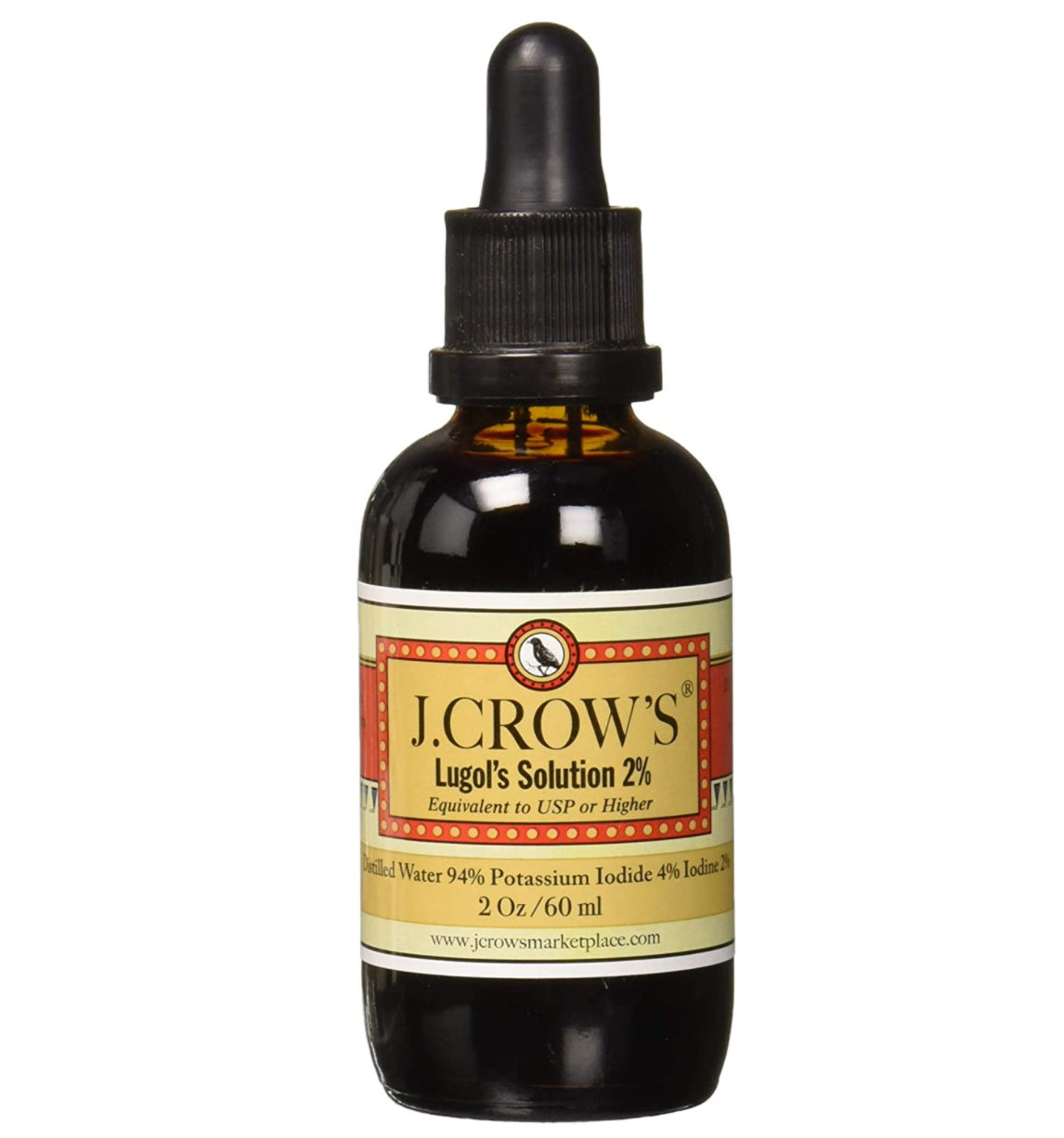
Click here to buy Lugol's iodine 2%.
Testosterone Levels and Pain
Both males and females need a certain amount of testosterone in their body to be healthy and to feel good. Even women need a small amount of testosterone to feel okay and be physically healthy. Testosterone can improve mood and motivation, energy levels, libido, and sleep as well as providing pain control in both men and women.Many doctors try to sell patients testosterone therapy or “low-T” therapy for pain relief, but we don’t recommend that patients work with synthetic or bioidentical hormones as the reproductive hormones should not be injected. In the endocrine system, reproductive hormones are released in a symphony that was designed to mesh with the external environment as well as other hormones in the body. The symphony of hormones is seriously disrupted by a big “tuba” or honking “clarinet” of hormone injections that are not sync-ed up with the rest of the hormonal milieu. Some of the most dire health coaching situations that we’ve encountered over the years have involved synthetic or bioidentical hormone “treatments”. It’s currently impossible for doctors to replicate the rhythm and nuance of reproductive hormone release. Rather, it’s best to work with an herb to balance reproductive hormones, such as Garcinia kola.
In the endocrine system, there’s a drum beat of cortisol that helps the body synchronize with time-of-day, seasons, social cycles, and environmental conditions like heat or cold, darkness or sunlight. Cortisol, like many hormones, produces a rhythm of bursts to signal other hormones to be released in rhythm with it. This is the hormone symphony and if you inject a burst of a bioidentical or synthetic hormone into the delicate music of our endocrine hormones, you produce cacophony and imbalance that can be hard to correct.
Rather than working with testosterone injections from a doctor for pain, a far better approach is to administer herbs that increase testosterone levels in both males and females. These include:
Click here to subscribe to the Living Database now.
Differences between Males and Females in Regard to Pain Perception
Scientists currently believe that androgen receptor distribution in the limbic system is responsible for some of the differences in how pain is perceived between genders. Also, down-regulation of estrogen receptor expression as a result of high androgen levels in males may cause men to have a much higher pain threshold than women according to some studies. There have been several epidemiological studies into differences in pain perception between males and females. As a whole, females tend to experience painful stimuli as more painful than men. They have more instances of chronic pain and they are more prone to developing chronic pain-related conditions like migraines, fibromyalgia, tension headaches, irritable bowel syndrome, interstitial cystitis and temporomandibular joint syndrome. Scientists have theorized that there are anatomical and hormonal reasons why women experience pain more acutely than men, but conventional medicine conveniently leaves out the emotional basis for physical pain in its speculations. Humans feel their emotions in the body. We have thoughts about our emotions, but the physical feelings associated with a given emotion always take shape in the body. But in a society that doesn’t recognize that emotions are felt in the body won’t be able to recognize that pain can be caused by emotions that we aren’t allowed to feel or express. As such, pain can be caused by emotions that have gotten trapped in the autonomic nervous system. The scientific research indicates that testosterone produces a physiological response to painful stimuli that is very different for men than it is for women. Emotionally, men and women differ in terms of how they express and process stress and trauma and testosterone likely plays a role in this difference. Women tend to have greater access to their emotions than men throughout their lives while men become more open to their emotions as their testosterone levels diminish over the course of time. Nonetheless though, there is some evidence to support the idea that women experience pain more severely than men as a result of reproductive hormone differences. Hormones, after all, modulate several neurobiological pathways involving serotonin and dopamine, both of which play a role in the production of pain. Testosterone levels have a protective effect against pain in males. In males, high testosterone levels (in comparison with females) limits the production of pro-inflammatory cytokines such as tumor necrosis factor-alpha. This produces a significantly higher pain threshold in males. This might be an evolutionary effect that’s occurred because of the role of men in protecting the household from physical insults. Studies have shown that the human Y chromosome (the chromosome normally associated with “maleness”) has a surprisingly low level of genetic diversity. Scientists believe that the low level of genetic diversity in the Y chromosome might be due to wars that reduced the population of males dramatically in relation to the population size of females during certain eras of human history.
Click here to learn more about the DreamLight.app, an online guided meditation and brain-entrainment tool.
Low levels of genetic diversity and the loss of large numbers of men in wars throughout history may have contributed to an evolutionary change in the way men process emotions, trauma, and also physical pain. Women, in contrast, have evolved to be able to feel pain more acutely than men, but perhaps at least some of the pain that women feel is due to unprocessed or unrecognized emotional trauma or stress as a result of having been left alone without a spouse over the course of time to raise children. In order to survive the loss of men in families, women would have needed to evolve a greater level of empathy in order to understand and tune into infants and babies who can’t speak yet. Testosterone also diminishes capsaicin receptor-mediated signals in the dorsal root neurons as yet another mechanism of action through which males experience a somewhat heightened level of protection against pain. In females, hormonal fluctuations have been shown to increase a woman’s experience of pain. In contrast to males, in females, when hormones are more stable, pain levels are lower. Studies have confirmed the relationship between fluctuating hormone levels and increased susceptibility to pain, but most women can attest to this problem through their experience with headaches or other aches and pains that occur just before the menstrual period when there is an abrupt drop in estrogen levels. Progesterone is also involved in pain signaling and it can act as a neuro-steroid in peripheral nerves, but a metabolite of progesterone known as allopregnanolone is able to reduce the activation of the trigeminal nucleus caudalis at the GABA-A receptors. Allopregnanolone thus acts to reduce pain levels. Allopregnalone is produced in both men and women.
Click here to do a free trial of EMDR to Release Trauma.
Functional Pain
Pain is essential for living beings because it helps us distinguish between what is safe and what is dangerous. Many triggers can produce pain including mechanical, thermal, and chemical pain. Tissue damage and inflammation produce pain thus alerting us to issues that need to be resolved.The endocrine system and the immune system respond in various ways to pain depending on the dominant hormones that are present at the time when the pain occurs. In females, estrogens tend to produce a more pronounced anti-inflammatory response than in males though the fluctuation of estrogen levels produces a greater inflammatory and pain response. Females produce a more active phagocytic response than males against pain-producing insults. In contrast, males produce a more active macrophage and microglial response in comparison with females.
 Everything You Never Wanted to Know About the Treatment of Chronic Pain... and How to Avoid Painkillers That Will Eventually Kill You - BUY HERE!!!
Peroxisome Proliferated-Activated Receptors and Pain Relief
Peroxisome Proliferated-Activated Receptors (PPAR) seem to play a role in relieving pain and inflammation. There are PPAR-alpha and PPAR-gamma receptors that play a role in pain relief and they both also play a role in the use of fatty acids and the storage of lipids. It’s important to note, however, that in animal studies, male and female mice responded differently to PPAR-alpha vs. PPAR-gamma treatments. In males, PPAR-alpha treatments experienced a reduction in pain after peripheral nerve injury. In females, PPAR-gamma treatments reduce pain more powerfully. Thus, there are two different lists of pain-relieving herbs for men and women. The PPAR-alpha herbs for men and the PPAR-gamma herbs for women.PPAR-alpha Herbs for Chronic Pain in Men
There are a number of herbs and spices that activate PPAR-alpha receptors in men including:- Chili pepper
- Caraway
- Black pepper
- Licorice root
- Nutmeg
- Coriander
- Paprika
- Cinnamon
- Oregano
- Majoram
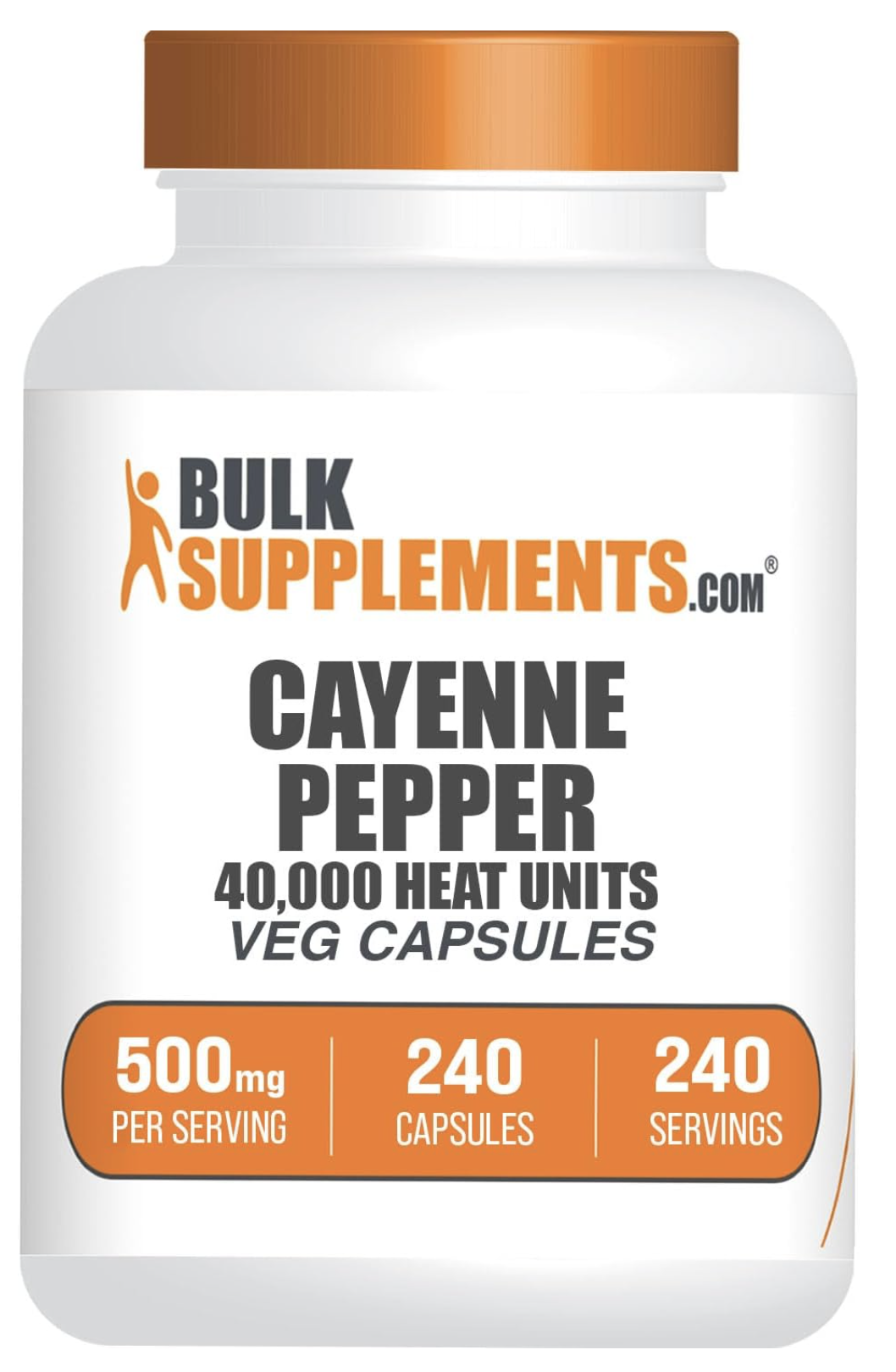
Click here to buy Capsaicin / chili pepper capsules for pain relief.
PPAR-gamma Herbs for Chronic Pain in Women
In females, herbs that contain PPAR-gamma receptor agonists may be better suited for the natural treatment of chronic pain. Examples of herbs that activate PPAR-gamma receptors include:- Clove
- Cinnamon
- Pomegranate
- Holy Basil
- Marjoram
- Thyme
- Sage
- Rosemary
- Apple
- Green Coffee
- Bilberry
- Bay Leaves
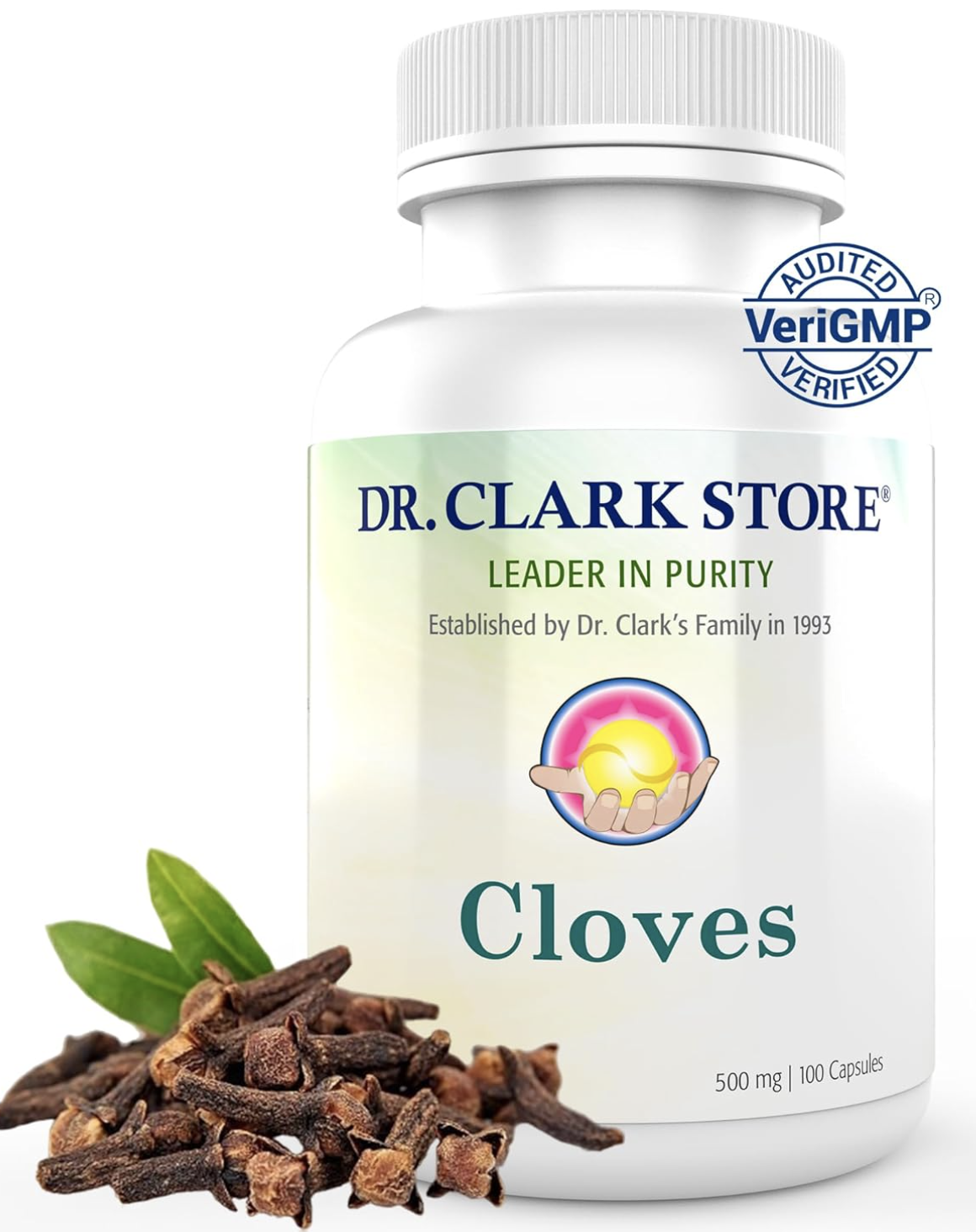
Click here to buy a Clove supplement.
Resources:
• Athnaiel, O. et al. (2023). The Role of Sex Hormones in Pain-Related Conditions. Retrieved December 6, 2024 from https://pmc.ncbi.nlm.nih.gov/articles/PMC9915903/
• EverydayHealth (1996-2024). Pain Management. Retrieved December 6, 2024 from https://www.everydayhealth.com/pain-management/can-low-t-cause-migraines.aspx#:~:text=Researchers%20are%20discovering%20that%20low,types%20of%20headaches%20in%20men
• Tsuyoshi, M. et al. (2008). Herbal medicine, Hachimi-jio-gan, and its component cinnamomi cortex activate the peroxisome proliferator-activated receptor alpha in renal cells. Retrieved September 5, 2025 from https://pubmed.ncbi.nlm.nih.gov/18469482/#:~:text=Herbal%20medicine%2C%20Hachimi%2Djio%2D,receptor%20alpha%20in%20renal%20cells
• Mueller, M. and Jungbauer, A. (2009). Culinary plants, herbs, and spices – A rich source of PPAR-gamma ligands. Retrieved September 5, 2025 from https://www.sciencedirect.com/science/article/abs/pii/S0308814609005299#:~:text=rights%20and%20content-,Abstract,pepper%2C%20holy%20basil%20and%20sage.
• Smith, S. J. et al. (2021). Examining the Effects of Herbs on Testosterone Concentrations in Men: A Systematic Review. Retrieved September 5, 2025 from https://www.sciencedirect.com/science/article/pii/S2161831322001028#:~:text=From%20the%204%20databases%20searched,registered%20at%20PROSPERO%20as%20CRD42020173623
• Edwards, S. E. (2015). Horny Goat Weed. Retrieved September 5, 2025 from https://www.researchgate.net/publication/319535032_Horny_Goat_Weed
• Sayres, M. A. W. et al. (2014). Natural Selection Reduced Diversity on Human Y Chromosomes. Retrieved September 5, 2025 from https://pmc.ncbi.nlm.nih.gov/articles/PMC3886894/