Nuciferine as a Natural Treatment for Psychosis and More…
- Nymphaea caerulea
- Blue Nile Flower
- Blue Lotus
- Sacred Blue Lily of the Nile
Click here to schedule a health coaching session with us.
Nuciferine is an alkaloid that’s present in lotus leaves from plants such as Nymphaea caerulea and also Nelumbo nucifera. Nelumbo nucifera is used regularly in Ayurvedic medicine as a treatment for mental health issues. Nelumbo nucifera and Nymphaea caerulea are different plants with different medicinal effects, but they both contain nuciferine. In Traditional Chinese Medicine (TCM), a medicinal agent known as Tangzhiquing contains the alkaloid nuciferine as well. Nuciferine and Blue Lotus / Blue Nile Flower are noteworthy in their ability to treat severe mental illnesses such as dementia, schizophrenia, certain types of psychosis, post-traumatic stress disorder (PTSD), dissociation, depression, and more. This herb has also been used as a natural treatment for neuropathic pain, fibromyalgia, and obesity because it contains and opioidergic substance that can produce pain relief and also blood sugar-lowering properties. It is also an herbal remedy for postpartum psychosis which can develop as a result of trauma during childbirth and subsequently high prolactin levels.Click here to buy Blue Lotus Flowers.
High prolactin levels play a role in the development of dementia and psychosis. Studies have shown that prolactin levels tend to be elevated in patients with Alzheimer’s disease, for example. We’ve talked elsewhere about the fact that prolactin and dopamine work together intimately to keep each other balanced which, in turn, plays a role in our experience of reality. Let’s review these ideas briefly in regard to Nuciferine:Dopamine and Prolactin in Dementia and Psychosis
We might think of dopamine and prolactin as the horizontal and vertical axis of a rectangular lens through which we view reality. The lens is always restrictive and can’t take in all aspects of reality from all directions at the same time, but some people have a smaller lens and other people have a bigger, broader lens through which they look at reality. The size of the Reality Lens depends on the amount of dopamine relative to the amount of prolactin and vice versa that’s normally released. This is an oversimplifying metaphor, but it helps us understand the importance not just of dopamine as an antipsychotic medication, but also prolactin and how, normally these two neurohormones work together to keep that Reality Lens focused on a specific set of ideas that are a part of Consensus Reality. If dopamine and prolactin levels become imbalanced or if dopamine fails to properly inhibit prolactin levels and vice versa, issues develop with the Reality Lens and people may begin to become aware of things that exist outside of the normal lens of Consensus Reality. This goes for both those with dementia as well as those with psychosis. People who still have a fairly good focus on Consensus Reality, but who have become aware of a much broader reality may also experience dysphoria. When I was in graduate school for psychology, dysphoria was presented as a lesser version of depression. As a student, at that time, I had personal experience with severe depression but dysphoria was something I didn’t understand yet because the definition that was given wasn’t quite correct. I didn’t realize that I often had severe dysphoria that I described to myself as “feeling fat”. This feeling would motivate me to go for extremely long jogs (up to 20 miles or more several times per week). In fact, jogging is something that can relieve dysphoria. My dysphoria was severe enough that I technically developed a disorder around this feeling and my jogging. I wasn’t fat, but I would often “feel fat”. Many years later in my life, I had the opportunity to experience dysphoria again as a “psychic overlay” experience that involved ancestral trauma and blame that was projected onto me and my life story. You see, prolactin and dopamine are regulated via kappa-opioid receptors that produce and relieve dysphoric experiences. Prolactin and oxytocin work together with the same level of intimacy as prolactin and dopamine in the body. Oxytocin is the “love hormone” that helps us make human attachments, but that can also instigate an experience of dysphoria in regard to the reality presented to us in our close relationships, particularly in regard to our family. Oxytocin plays a role in breastfeeding and in orgasm, but if we think of oxytocin as a “love hormone” that can also set off dysphoric states through its relationship with prolactin, it’s easier to see how oxytocin can play a role in altering the shape and size of our Reality Lens. Again, prolactin and dopamine are regulated by kappa-opioid receptors and kappa-opioid receptors play a role in producing and mitigating feelings and situations involving paradox.Apomorphine
The Nymphaea caerulea plant contains apomorphine, a substance that, despite its name, does not interact with the opioid receptors. Rather, apomorphine acts directly on dopamine receptors. As we discussed above, kappa opioid receptors modulate the size and shape of the Reality Lens that has a (metaphorical) horizontal axis of dopamine and a (metaphorical) vertical axis of prolactin. Kappa opioid receptors modulate dysphoric states and they can reduce pain in the body. Apomorphine interacts with dopamine receptors which, in turn, interacts with the kappa-opioid receptors that act generally as an “anti-reward” pathway. Dopamine is regarded, of course, as the reward pathway, so we can think about those kappa-opioid receptors as a structure that balances reward. Endogenous dynorphin interacts with kappa-opioid receptors in the body and this endogenous, natural substance can prevent apomorphine from activating receptors. Endogenous dynorphin is released when a person goes out on a long jog, for example, activating the kappa-opioid receptors. When activated in a balanced manner, these receptors seem to reduce pain and produce a feeling of okay-ness. When left inactivated, however, kappa-opioid receptors seem to produce a state of “openness” to feelings of “other” or “homesickness” that define the experience of dysphoria. Dysphoria, in turn, is a precursor experience that’s related to dementia or psychosis. So apomorphine is not more powerfully attracted to the kappa-opioid receptors than our natural dynorphin. In a competition between who gets to occupy the receptor, dynorphin wins. But the real problem with dysphoria, dementia, and psychosis seems to take shape when a person has nothing occupying the kappa-opioid receptors, or perhaps if kappa-opioid receptors are overly stimulated by something that won’t release from the receptor sites to make room for our naturally-produced dynorphin opioids. Peripheral (organ) versus centrally (brain) stimulated kappa-opioid receptors produce different effects in the body as well. Note that kratom / Mitragyna speciosa is a kappa-opioid receptor modulator that also modulates dopamine levels. It is a natural anti-psychotic medicine that can also be used for dementia.Click here to buy Kratom.
Nuciferine for Trauma, Dementia, and Psychosis
Nuciferine and Blue Lotus / Blue Nile Flower are noteworthy in their ability to treat severe mental illnesses such as schizophrenia, certain types of psychosis, post-traumatic stress disorder (PTSD), dissociation, depression, and more. It has also been used as a natural treatment for neuropathic pain, fibromyalgia, and obesity. It is also an herbal remedy for postpartum psychosis which can develop as a result of trauma during childbirth. Ideally, if you are working with nuciferine as a natural cure for postpartum psychosis or other types of mental illness, it would be ideal to also work with Eye Movement Desensitization and Reprocessing / EMDR and Craniosacral Therapy during the initial stages of treatment to stabilize the patient and begin releasing trauma in small doses. Seek out psilocybin microdosing and continue with both Nuciferine (taken as a tea or as a tincture). Note that right before a major traumatic "packet" of memories is released, the patient may seem to get notably worse. Once the traumas are released, the patient will experience a relief from symptoms. The process can take several years.Click here to do a free trial of EMDR online.
The water lilies Nymphaea caerulea and Nelumbo nucifera cause the following medicinal effects in the body:
- Produces sedation
- Can be used to induce sleep
- Can be used as a lucid dreaming herb
- Inhibits amphetamine toxicity (by functioning as a dopamine receptor antagonist)
- Dopaminergic properties via its inhibition of the dopamine transporter
- Strengthens the effects of morphine as a pain reliever even at sub-analgesic doses
- Strengthens the anti-convulsive effects of phenytoin even at sub-anticonvulsive dosages
- Assists with weight loss
- Balances and reduces cholesterol levels
- Balances blood sugar levels
- Balances uric acid levels
- Reduces inflammation
- Natural cancer treatment
- Protects against obesity-related diseases
Click here to buy Blue Lotus tincture.
Nuciferine as a Natural Weight Loss Medicine
In addition to its most well-known medicinal effects as a natural mental health treatment, lotus leaf (Nelumbo nucifera leaves) has been used as an anti-obesity treatment since the Ming Dynasty in China about 1000 years ago. Recently, in China, lotus leaf tea and lotus leaf dietary supplements have increased in popularity for natural weight loss and fat reduction.
A lot of anti-obesity agents in conventional medicine come with a lot of scary adverse effects. Nuciferine, on the other hand, is a naturally-occurring substance found in lotus plants that has an anti-obesity effect with few side effects. Indeed, in addition to promoting weight loss, nuciferine is also has the following relevant medicinal effects:
- Anti-obesity
- Anti-dyslipidemia (balances cholesterol levels)
- Anti-hyperglycemic (balances blood sugar levels)
- Anti-hypouricemic (balances uric acid levels)
- Anti-inflammatory
- Anti-tumor
- Protects against obesity-related diseases
Though nuciferine is best known for its mental health-promoting effects, this alkaloid also balances and regulates the activity of certain molecules and signaling pathways in the body that are related to inflammation, metabolism, gut flora, and the development of cancer. As a medicinal agent that works both on the brain and the body, nuciferine has an excellent profile as natural obesity treatment.
Click here to buy Blue Lotus flowers.
Nuciferine: How to Get Over PTSD on Your Own
Nuciferine is an alkaloid that has antipsychotic properties similar to chlorpromazine. This is relevant to severe PTSD which can be misdiagnosed as schizophrenia, depression with psychosis, biplar disorder or even dissociative identity disorder. Even “mild” PTSD might be misdiagnosed. Indeed, these various diagnoses have a lot of overlap with other mental health issues like depression (which can include psychosis or loss of touch with reality), bipolar disorder, obsessive compulsive disorder, panic disorder, and other anxiety disorders. Though the western system of psychiatry and psychology tries to differentiate one mental illness from the other mostly for insurance purposes, other systems of medicine like shamanism, Traditional Chinese Medicine, or Ayurveda look at mental illness from an entirely different, holistic perspective wherein most mental illnesses involve the same general problem: a type of soul loss, life energy problem, or imbalance. If the imbalance is restored and energy is brought back into the body to circulate freely as it was always meant to do, the mental illness goes away.When I studied for my master’s degree in psychology, I had to take two semesters on the DSM-IV to learn all of the various diagnostic designations and labels used to describe mental illness. But I belonged to a group of students and teachers who were not completely sold on the value of labels for psychological illness. Indeed, today, as I approach 50 years of age and lots of experience working with people from all different walks of life to overcome physical and emotional health problems, I find the diagnostic labels to be problematic at best. While it may seem like PTSD is different from, for example, a substance abuse problem, most of the time substance abusers have some kind of trauma that they’re trying to manage through “self-medication”. If you know that substance abuse is a problem that can easily be “cured” (where the addict doesn’t have to go through severe withdrawal symptoms) using herbs like Mucuna pruriens or Kudzu along with amino acids and some nutritional supplements to rebuild the brain, substance abuse as a disorder takes on a whole new meaning. Most drug rehab facilities, after all, try to treat substance abusers through talk therapy that supposedly targets trauma. But trauma lives in the body not in the mind. It’s a disorder of the Autonomic Nervous System (ANS).
Click here to schedule a health coaching session with us.
Once you begin to understand trauma in terms of how it works and what it does, it’s harder to differentiate one mental health problem from another. Not long ago, I took a sacred indigenous medicine known as Sapito in Mexico. During the trip, I felt as though I dissolved like a pixelating spirit and then slowly, all the tiny pieces of me came back together. It was an amazing experience, but for about a week after this experience, I had nightmares that my tongue was being cut out of my mouth and then I was being thrown off a dam into deep water. And then, about a month later, I developed panic attacks. The panic attacks were a new experience for me. I worried that “my spirit was sitting beside my body” during the attacks which seemed a little psychotic to me. I didn’t connect the panic attacks to the nightmares or to the Sapito for many years afterwards.Obviously, here I am writing about these panic attacks now. I no longer have panic attacks. It took a little time for me to realize that the Sapito had given me access to a recent trauma I’d experienced at a dental clinic just months before the Sapito experience where I’d had all of my amalgam fillings removed and replaced with healthy composite fillings. The dentist had installed the rubber dam in my mouth and I hadn’t been prepared to not be able to breathe out of my mouth. I sat up as soon as the dam was installed and I panicked in the dental chair and asked for sedation, but they couldn’t give it to me at that stage in the process. So, I felt like I was drowning and I also couldn’t move my tongue to speak. It was a painful procedure and in an effort to cut time from the total treatment, the dentist numbed my entire face and removed all amalgam fillings on the top and bottom of both side of my mouth. But despite the numbing, I could still feel certain parts of the deep work inside my teeth. I had studied hypnosis luckily, so I hypnotized myself in the chair and I dissociated, creating a mini-me that received all of the pain and fear of that experience. This mini-me or soul part, left for a time after the dental experience (in a sense), or you could say that it was caged up inside me until the Sapito trip and then, when it returned to me, it had this story to tell about how it had experienced its tongue being cut out of it mouth and being through from a dam to drown in deep, dark waters.
I didn’t understand what was happening to me at the time. The panic attacks were debilitating. I hated being panicky.
Eventually, I paired my panic attacks with Candida and realized there was a connection between Candida, an infection that is caused by an organism that is always present in the gut but that can sprout roots and burrow into the intestines as hyphal yeast. When Candida puts down roots, it can hijack the autonomic nervous system to cause a variety of mental illnesses. For me, the bentonite clay in drinking water 3 times per day was all I needed to clear up the panic attacks, but I credit Sapito with having helped me gain access to the trauma in the first place to release it. Note, however, that for more complex or extreme forms of trauma, it is likely that you'll need to work with something like Eye Movement Desensitization and Reprocessing (EMDR), craniosacral therapy, and sacred indigenous medicines. Click here to learn more about the use of sacred indigenous medicines like Ayahuasca or psilocybin as a cure for PTSD.
Click here to buy psilocybin online.
Click here to learn more about craniosacral therapy and EMDR as a cure for PTSD.
How Trauma Is Viewed in Shamanism
In shamanism, trauma is regarded as anything that causes a part of the soul or spirit to leave the body either for a moment or permanently due to fear or some other negative emotion. If the idea of soul parts leaving the body is off-putting to you, think of it more like energy or even chi that’s lost as a result of a traumatic experience. So while Sapito did not traumatize me, it did bring back the part of my soul that I’d lost during that dental treatment. And then, that soul part told me about what had happened to it. Sapito is a relatively short “trip” so I didn’t get the full story from this part of my soul. I didn’t fully integrate the trauma which left me with panic attacks. Once I did more work with Sapito, I was able to fully integrate the trauma, get the whole story of what happened from my body’s perspective of the events, and then I no longer suffered from panic attacks.Click here to do a free trial of EMDR online.
Internal Family Systems Therapy
This is how trauma works. Indeed, one mainstream view of trauma known as Internal Family Systems therapy acknowledges that our psyche is made up of parts that split off from the Higher Self in order to survive trauma. Trauma can be anything from giving birth to living through a really severe thunderstorm depending on the person’s age and experience with the traumatizing event. Most people think of trauma as only combat trauma when we talk of PTSD. But PTSD is something that affects most of the people of the world today.Trauma in Conventional Medicine
Imagine though, if I had gone to a psychiatrist and told him or her that I was afraid that “my spirit was sitting beside my body” as the reason why I was having a panic attack. The psychiatrist could have diagnosed me with any of several different mental illnesses. And then, the psychiatrist could have prescribed medication that would make me think fewer of the anxiety-provoking, psychotic thoughts, but without any hope of ever being able to tolerate my own thoughts without the medication. If I had gone to a psychiatrist, I likely never would’ve discovered the root cause of my panic attacks.Click here to learn more about the DreamLight.app, a guided meditation and brain-entrainment tool.
Trauma as a When Rather Than a Where
My point here is that I could’ve been diagnosed as a schizophrenic, but I wasn’t psychotic. If I were older, I might’ve been diagnosed with dementia. I could’ve been diagnosed with generalized anxiety with panic attacks or I could’ve been diagnosed with some other psychotic illness not otherwise specified. When I had a panic attack, my autonomic nervous system was in a state of fight-or-flight, but not because of what was happening in the present moment. Rather, the panic came from a moment from the past. I like to think of PTSD (and many other mental illnesses) as situations where one or more soul parts get stuck in one moment in the past. Healing involves bringing that soul part back into the present-tense. There are many ways to do this. If you are medicated with a synthetic pharmaceutical that does not heal the body and the brain and also rebalance the autonomic nervous system, then you won’t get better over time if you have PTSD. On the other hand, people who are wondering, can PTSD heal itself might be interested in knowing that PTSD can, in fact be cured, but it won’t go away on its own because of how PTSD works. PTSD is all about having a part of you stuck in the past in a scary or awful moment in time while the rest of you is trying to live in the present. While your mind is aware (more or less) that you are in the present tense, your body feels as though it were experiencing a bad moment in the past. So the present moment often has an overlay of this past-tense, scary moment in time. Your body feels as though you’re living through a traumatic moment. It’s in a state of fight or flight or sometimes “play dead”. Most people with PTSD seek out experiences in their present-tense-current lives that “match up” with whatever feelings were associated with the trauma from the past. This is why PTSD doesn’t just go away. A person must intentionally seek out treatments to help them bring soul parts back into the present and release the physical manifestations of the trauma in order to cure PTSD. While nuciferine has a very different molecular structure from chlorpromazine, a powerful antipsychotic that is often used to treat psychosis like schizophrenia, it functions in a similar way by interacting with the same receptors in the brain. Nuciferine as an antipsychotic supplement has also been compared to clozapine, one of the most popular antipsychotics prescribed in conventional medicine. Patients who have been diagnosed with PTSD or any other type of severe mental illness, especially if the mental illness involves a disconnection from reality such as delusions or hallucinations, may benefit from taking nuciferine. Note however, that nuciferine should not be taken with other antipsychotic drugs.Click here to subscribe to the Living Database!
Trauma as a When Rather Than a Where
My point here is that I could’ve been diagnosed as a schizophrenic, but I wasn’t psychotic. I could’ve been diagnosed with generalized anxiety with panic attacks or I could’ve been diagnosed with some other psychotic illness not otherwise specified. When I had a panic attack, my autonomic nervous system was in a state of fight-or-flight, but not because of what was happening in the present moment. Rather, the panic came from a moment from the past. I like to think of PTSD (and many other mental illnesses) as situations where one or more soul parts get stuck in one moment in the past. Healing involves bringing that soul part back into the present-tense. There are many ways to do this.
If you are medicated with a synthetic pharmaceutical that does not heal the body and the brain and also rebalance the autonomic nervous system, then you won’t get better over time if you have PTSD. On the other hand, people who are wondering, can PTSD heal itself might be interested in knowing that PTSD can, in fact be cured, but it won’t go away on its own because of how PTSD works. PTSD is all about having a part of you stuck in the past in a scary or awful moment in time while the rest of you is trying to live in the present. While your mind is aware (more or less) that you are in the present tense, your body feels as though it were experiencing a bad moment in the past. So the present moment often has an overlay of this past-tense, scary moment in time. Your body feels as though you’re living through a traumatic moment. It’s in a state of fight or flight or sometimes “play dead”. Most people with PTSD seek out experiences in their present-tense-current lives that “match up” with whatever feelings were associated with the trauma from the past. This is why PTSD doesn’t just go away. A person must intentionally seek out treatments to help them bring soul parts back into the present and release the physical manifestations of the trauma in order to cure PTSD.
While nuciferine has a very different molecular structure from chlorpromazine, a powerful antipsychotic that is often used to treat psychosis like schizophrenia, it functions in a similar way by interacting with the same receptors in the brain. Nuciferine as an antipsychotic supplement has also been compared to clozapine, one of the most popular antipsychotics prescribed in conventional medicine. Patients who have been diagnosed with PTSD or any other type of severe mental illness, especially if the mental illness involves a disconnection from reality such as delusions or hallucinations, may benefit from taking nuciferine. Note however, that nuciferine should not be taken with other antipsychotic drugs.
Nuciferine: Natural Antipsychotic Medicine
Nuciferine has been studied as a natural antipsychotic medicine that may work a bit like clozapine. Researchers aren’t entirely sure how nuciferine works to prevent psychosis, but they know that it produces results that are comparable to clozapine and chlorpromazine. It has been compared to chlorpromazine as well. Nuciferine has demonstrated dopamine-receptor activity through the promotion of the following behaviors in research subjects:- Stereotypy: the excessive repetition of behaviors, phrases, patterns of speech, ideas, or movements.
- Increased motor activity
- Inhibition of conditioned avoidance responses
- Increased pain sensitivity
Investigative studies, on the other hand, have also found evidence that nuciferine causes dopamine receptor blockade as well. Behaviors associated with dopamine receptor blockade include:
- Decreased motor activity
- Catalepsy
- Trance-like states of consciousness
- Chills
Nuciferine has sedative-hypnotic properties and natural anti-anxiety effects. It is quickly absorbed and eliminated by the body after oral administration. This alkaloid has neuroprotective effects. It relieves cerebral swelling / edema and prevents brain damage due to middle-cerebral artery infarction. In other words, nuciferine has an anti-stroke effect and it generally promotes brain health in those who have been diagnosed with dementia or psychosis.
Click here to buy Blue Lotus flowers.
Nuciferine: Natural Treatment for Ulcerative Colitis / Natural Treatment for Crohn’s Disease
Nuciferine has powerful anti-inflammatory properties. One study looked at the use of nuciferine against Inflammatory Bowel Diseases. In the study, nuciferine treatment led to a significant improvement in IBD symptoms. Nuciferine reduced inflammation markedly and improved the composition of the gut flora at the same time. This alkaloid was able to reverse gut dysbiosis in animal models of ulcerative colitis. Scientists also showed that nuciferine improved immune function. The digestive effects of nuciferine are similar to Mitragyna speciosa / kratom, an herb that’s been used to cure Crohn’s disease and ulcerative colitis.Click here to buy Kratom.
Nuciferine: Natural Cure for Neuroblastoma / Natural Cure for Colorectal Cancer
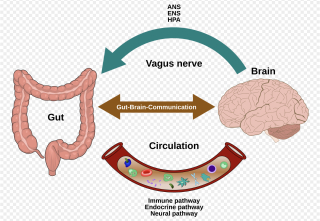
The autonomic nervous system (ANS) sends nerves into the gut. It is, in fact, this part of the nervous system that tells organs what to do and when to do it. So while nuciferine is perhaps best well-known as a mental health supplement, it makes sense that this alkaloid also positively impacts gut health because gut health and mental health are powerfully related.Nuciferine has the ability to cure colorectal cancer (when it is used as part of a protocol that also includes alkalizing, Iodine, vitamin K2, and vitamin B17). Its anti-tumor activity as a cure for neuroblastoma as well as colorectal cancer has been observed a number of times in scientific studies. Nuciferine functions as a cure for neuroblastoma and colorectal cancer by inhibiting the PI3K-AKT signaling pathway and interleukin-1 levels in SY5Y and CT26 cells.
Nuciferine for Diabetes: Stimulate Insulin Production Naturally
One scientific study showed that nuciferine was able to stimulate insulin production better than the pharmaceutical Glyburide. Nuciferine relieves hyperlipidemia and hyperglycemia by promoting glucose uptake by cells. This is one of the reasons why nuciferine functions as an anti-obesity medicine.Nuciferine: Liver Protector
Once again, in addition to its ability to regulate mental and emotional states, nuciferine is also a liver protector. This makes sense in terms of Traditional Chinese Medicine which views the liver as the site where unresolved anger is stored in the body. Anger, as an emotion, lodges itself in the tissues of the liver according to TCM. Severe mental illnesses such as dementia, depression, phobias, PTSD, and schizophrenia often involve a component of stored anger. Thus, healing the liver would be an important part of the overall process of healing a severe mental illness.Resources:
• Hesselink, J. M. K. (2018). Blue Nile Flower Rituals from the Perspective of Transpersonal Psychology - The Role of Nuciferine and its Putative Value as an Antipsychotic Drug. Retrieved September 20, 2023 from https://www.researchgate.net/publication/332025224_Blue_Nile_Flower_Rituals_from_the_Perspective_of_Transpersonal_Psychology_-_The_Role_of_Nuciferine_and_its_Putative_Value_as_an_Antipsychotic_Drug
• Wan, Y. et al. (2022). Nuceferine, an active ingredient derived from lotus leaf, lights up the way for the potential treatment of obesity and obesity-related diseases. Retrieved September 21, 2023 from https://www.sciencedirect.com/science/article/abs/pii/S1043661821005867
• Zhu, Y. et al. (2022). Nuciferine Regulates Immune Function and Gut Microbiota in DSS-Induced Ulcerative Colitis. Retrieved September 21, 2023 from https://www.ncbi.nlm.nih.gov/pmc/articles/PMC9328756/
• Qi, Q. et al. (2016). Identification of the anti-tumor activity and mechanisms of nuciferine through a network pharmacology approach. Retrieved September 21, 2023 from https://www.nature.com/articles/aps201653
• Nguyen, H. K. et al. (2012). Nuciferine Extracted from Sacred Lotus Stimulates Insulin Secretion in vitro Better than Glyburide. Retrieved September 21, 2023 from https://www.canadianjournalofdiabetes.com/article/S1499-2671(12)00737-X/fulltext
• Zhou, T. et al. (2023). Nuciferine relieves type 2 diabetes mellitus via enhancing GLUT4 expression and translocation. Retrieved September 21, 2023 from https://www.sciencedirect.com/science/article/pii/S2213453023000721
• Ning, Q. et al. (2019). Nuciferine Prevents Hepatic Steatosis by Regulating Lipid Metabolism Diabetic Rat Model. Retrieved September 21, 2023 from https://www.ncbi.nlm.nih.gov/pmc/articles/PMC7874802/
• Farrell, M. S. et al. (2016). In Vitro and In Vivo Characterization of the Alkaloid Nuciferine. Retrieved September 21, 2023 from https://www.ncbi.nlm.nih.gov/pmc/articles/PMC4786259/
• Leong, K. (2020). Blue Lotus Effects, Dosage, Legality and User Reviews. Retrieved September 24, 2023 from https://www.redstormscientific.com/blue-lotus-effects-dosage/
• Ye, L. H. et al. (2018). Pharmacokinetics of Nuciferine and N-Nornuciferine, Two Major Alkaloids from Nelumbo nucifera Leaves, in Rat Plasma and the Brain. Retrieved September 24, 2023 from https://www.ncbi.nlm.nih.gov/pmc/articles/PMC6123365/
• Wang, F. X. et al. (2021). Natural Aporphine Alkaloids with Potential to Impact Metabolic Syndrome. Retrieved September 24, 2023 from https://www.ncbi.nlm.nih.gov/pmc/articles/PMC8540223/
• Xu, Y. et al. (2024). The Association Between Prolactin Levels and Cognitive Function in Female Patients with Severe Mental Disorders. Retrieved June 11, 2026 from https://pmc.ncbi.nlm.nih.gov/articles/PMC11321871/
• Chaulagain, R. P. et al. (2025). The neurobiological impact of oxytocin in mental health disorders: a comprehensive review. Retrieved June 11, 2026 from https://pmc.ncbi.nlm.nih.gov/articles/PMC11981257/
• Kopruszinski, C. M. (2022). Exploring the neurobiology of the premonitory phase of migraine preclinically - a role for hypothalamic kappa-opioid receptors? Retrieved June 11, 2026 from https://pharmacology.arizona.edu/exploring-neurobiology-premonitory-phase-migraine-preclinically-role-hypothalamic-kappa-opioid
• Toyoshi, T. et al. (1995). Intrastriatal injection of opioid receptor agonists inhibits apomorphine-induced behavior in 6-hydroxydopamine-treated mice. June 11, 2026 from https://pubmed.ncbi.nlm.nih.gov/8750728/
• Burtscher, J. and Schwarzer, C. (2017). The Opioid System in Temporal Lobe Epilepsy: Functional Role and Therapeutic Potential. Retrieved June 11, 2026 from https://pubmed.ncbi.nlm.nih.gov/28824375/
• Neuroscience News.com (2022). Daylight Hours Impact Opioid Receptor Levels in Brown Fat. Retrieved June 11, 2026 from https://neurosciencenews.com/daylight-opioid-receptors-fat-21596/?fbclid=IwY2xjawSX96FleHRuA2FlbQIxMQBicmlkETF6UmpvM3JFRWp1SXh0bTlMc3J0YwZhcHBfaWQQMjIyMDM5MTc4ODIwMDg5MgABHhFezn73Dmni4Cm45CvZ30gpmuSSeEt69SrvVPzlyiq7k5SRjj4xgkW2Mk0M_aem_Wpdq9MUMCmiBvP47Xp38MA