How Mucuna pruriens Works as an Herbal Treatment for Addiction
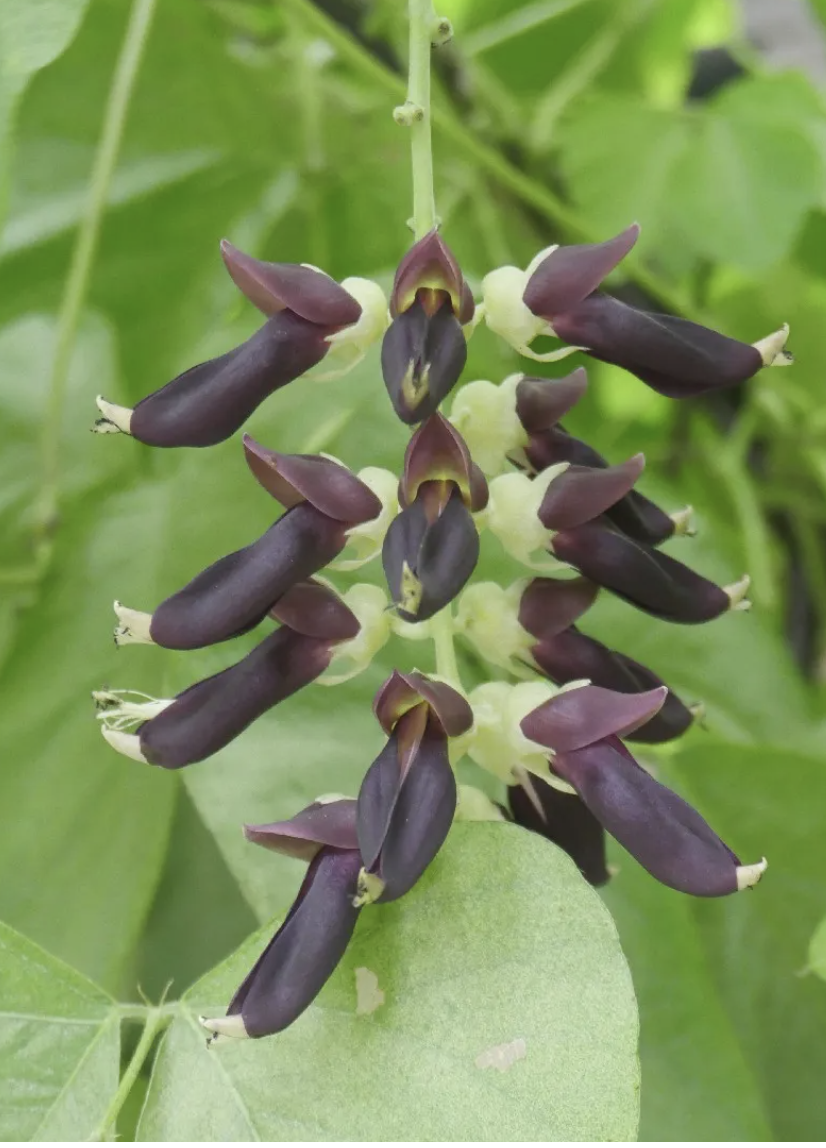 One of the big questions that people always have about Mucuna pruriens, especially if they working with this herb for addictions or Parkinson’s disease, is whether or not it is addictive. To understand how an herb could have such a big impact on the dopaminergic system and be non-addictive, we use a metaphor that makes the scientific information easier to understand. In this metaphor, dopamine is viewed like water that’s stored in a watering can (the neuron) for a garden of dopamine receptors (the flowers) that sit on the other side of the synaptic gap in the dopaminergic system.
Is Mucuna pruriens addictive?
In the dopaminergic system, neurons produce dopamine that’s stored in a “watering can” (the neuron) on one side of a synaptic gap. On the other side of the synaptic gap are dopamine “flowers” (the receptors) that can interact with dopamine that’s “poured” into the garden (the synaptic gap) to produce a nerve impulse in the nervous system.Though the dopaminergic systems may not be something that people readily understand or know about, most people are familiar with gardens and flowers so we can use that familiarity and that metaphor to understand how dopamine works in the body and why Mucuna pruriens is not addictive.

Click here to schedule a health coaching session with us.
Dopamine Basics: Anticipation
Dopamine is released naturally in anticipation of an experience that could be rewarding, neutral, or painful. This neurotransmitter is released on the cusp of these experiences so that we can use the dopamine as fuel to record our experiences and then make future decisions about whether or not the experience was indeed rewarding or not. Contrary to popular portrayals of dopamine and the idea of a “dopamine hit”, in reality, dopamine is not released as a result of an addictive event itself. Rather, it is released in anticipation of a behavior or future event that is identified and then anticipated.Dopamine is not JUST about rewards, but also punishments. This is one of the reasons why drugs and behaviors that cause a massive release of dopamine are so damaging and addictive. Drugs that cause dopamine release in massive quantities release much of the dopamine that’s being stored in the neurons, leaving little left for the future with which to make healthy decisions about the drug and other potentially negative (or positive) experiences. A person’s initial experience with a drug may be terrible, but because the drug or behavior causes dopamine to be expended in massive quantities into the synapse and, in those who go on to develop addiction, little dopamine is left for decision making when confronted with a second opportunity to engage with the drug.
When dopamine is released in a massive burst into the synaptic gap, dopamine receptors are “flooded” with too much dopamine. This flood of dopamine can kill dopamine receptors in the same way that a flood of water can kill a garden of flowers.
Click here to learn more about the DreamLight.app, a guided meditation and brain-entrainment tool for natural trauma-release.
At the same time, if a massive release of dopamine (as a result of drug-use, for example) is followed up by a period of “drought” where neurons cannot produce dopamine in sufficient quantities (for lack of the precursor amino acid known as L-dopa) to ensure that a person is able to make healthy decisions for himself or herself, addiction happens. Both a “flood” and “drought” of dopamine can be extremely damaging to the dopamine receptors that are on the other side of the synaptic gap.
The two big problems that occur in addiction involve 1) a lack of dopamine production due to a lack of precursors like L-tyrosine and L-dopa on one side of the synaptic gap and 2) dopamine receptors that have been damaged or killed by flooding and subsequent droughts of dopamine.
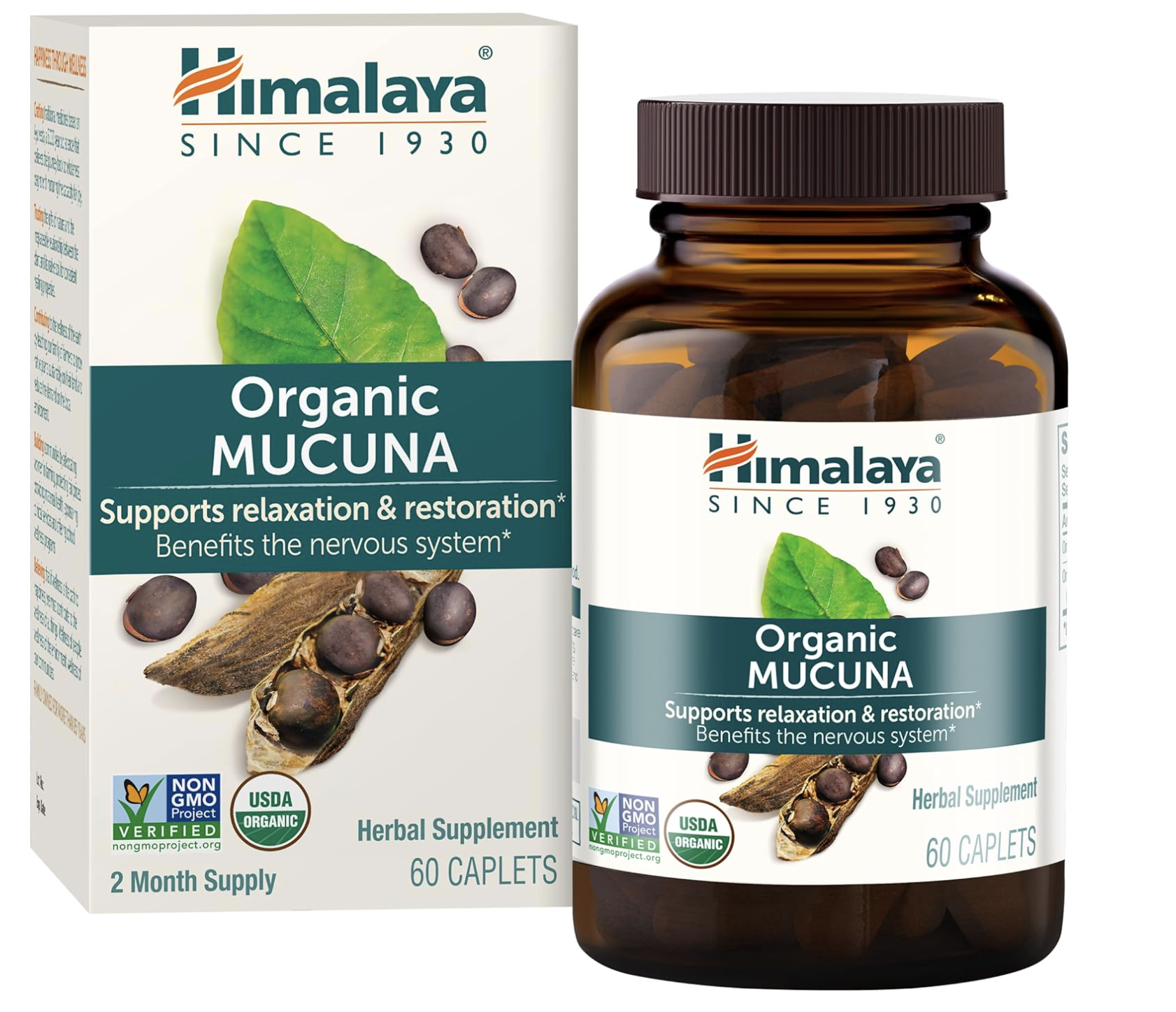
Click here to buy Organic Mucuna pruriens.
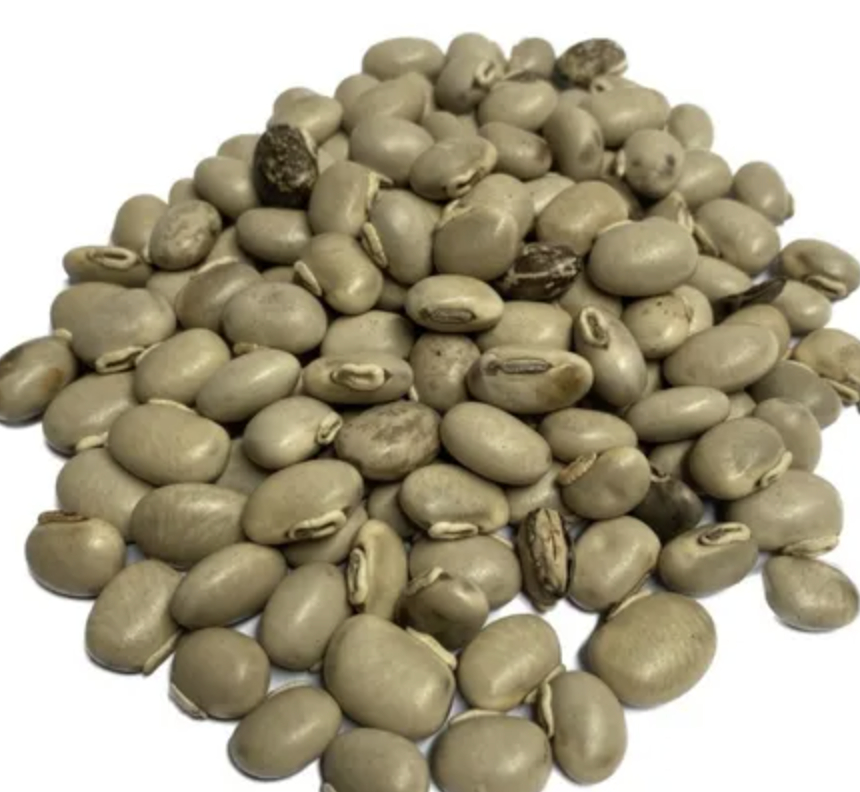
Mucuna pruriens
Mucuna pruriens and the supportive nutrients supply the necessary ingredients for the body to produce dopamine. Having a steady supply of dopamine won’t prevent flooding of dopamine receptors if a person is addicted to a drug like methamphetamines or cocaine , but it can prevent the drought of dopamine that is deadly for dopamine neurons. Having a steady supply of dopamine in the neurons provides the brain with the fuel that it needs to be able to make positive decisions based on prior experiences.Let’s think about this in terms of the garden metaphor again. Hardy flowers (such as the dopamine receptors) can tolerate a bit of flooding if they are not also suffering from drought in between floods. Imagine that you have a garden of flowers that you watering with a fine mist throughout the day on a regular basis. Imagine that these flowers are healthy and strong because of the regular misting whether it’s rainy or sunny at any given time of year. A person who takes regular doses of Mucuna pruriens with the supportive nutrients will be offering their dopamine-receptor flowers a “fine mist” like this by ensuring that dopamine neurons contain plenty of dopamine (the water in our metaphor).
But now, let’s say that a person who is addicted to methamphetamines goes on a binge while taking Mucuna pruriens…
Click here to do a free EMDR trial online.
Mucuna pruriens: Herb for Addiction
Normally, methamphetamines would cause dopamine to be released in massive quantities, leaving little to no dopamine left in the dopamine neurons for later use. But for someone who is taking Mucuna pruriens and the supportive nutrients, after a massive release of dopamine, the body would automatically build more dopamine that this person could use as fuel for decision-making in anticipation of taking methamphetamines to make new and different decisions based on past experiences with methamphetamines.While a drug like methamphetamine, when administered without Mucuna pruriens and the supportive nutrients, normally causes a flood followed by a serious drought of dopamine in the brain which leads, in turn, to the death of dopamine receptors, the fine mist of dopamine that becomes available in the synapse of those who are taking regular high doses of Mucuna pruriens helps to heal and grow the dopamine receptor-flowers on the other side of the synapse.
Dopamine helps us make decisions about our behaviors based on past experiences, good or bad. Dopamine encourages us to try new things and explore. When we have enough dopamine in the neurons, we feel confident that we can make decisions on our own behalf. Dopamine tunes us into relationships with other people to help us solve relationships problems productively. It allows us to be parental so that we can make decisions not only for ourselves, but also for other people who might need our help (our children, for example).
As a decision-making neurotransmitter, dopamine is also related to movement and coordination.
Click here to learn more and subscribe to the Living Database now.
We need dopamine and healthy dopamine receptors in order to direct ourselves physically as well as emotionally. Movement involves decisions-making.
So, in short, Mucuna pruriens is NOT addictive and in fact, can be used to treat and overcome addiction. The L-dopa in Mucuna is used to build dopamine to ensure that we have the fuel that we need to be able to make decisions and direct ourselves emotionally and physically. The natural L-dopa found in Mucuna pruriens also keeps our garden of dopamine receptors watered so that they stay as healthy as possible. The supportive nutrients also help keep the dopamine receptors healthy.
Many of the addiction clients that we work with are looking for a way to get through withdrawals and detox more easily so as to do some work with the sacred medicines like Iboga, Ayahuasca, Psilocybin mushrooms, Kambo, and Sapito. These sacred medicines all work to help people overcome addiction permanently, but for many people, the big hurdle has to do with detoxification from their drug of choice prior to working with these sacred medicines as the sacred medicines should not be mixed with drugs / substances. The Mucuna pruriens protocol can help people get through withdrawals so that they can detoxify their body of the addictive substance and then be able to safely work with the sacred medicines like Iboga or Ayahuasca to take the process of overcoming addiction across the finish line.
In summary, for anyone who is struggling with addiction, Mucuna pruriens can help with dopamine-related issues and a reduction in withdrawal symptoms. There are other herbs and supplements that we talk about in our anti-addiction book that can be used in specific instances and types of addictions as well to target and significantly reduce withdrawal symptoms. Additionally, people who are struggling with addiction should also work with trauma-informed therapies like Eye Movement Desensitization and Reprocessing / EMDR as well as craniosacral therapy during detoxification in the lead-up to working with a sacred medicine like Ayahuasca for addiction.
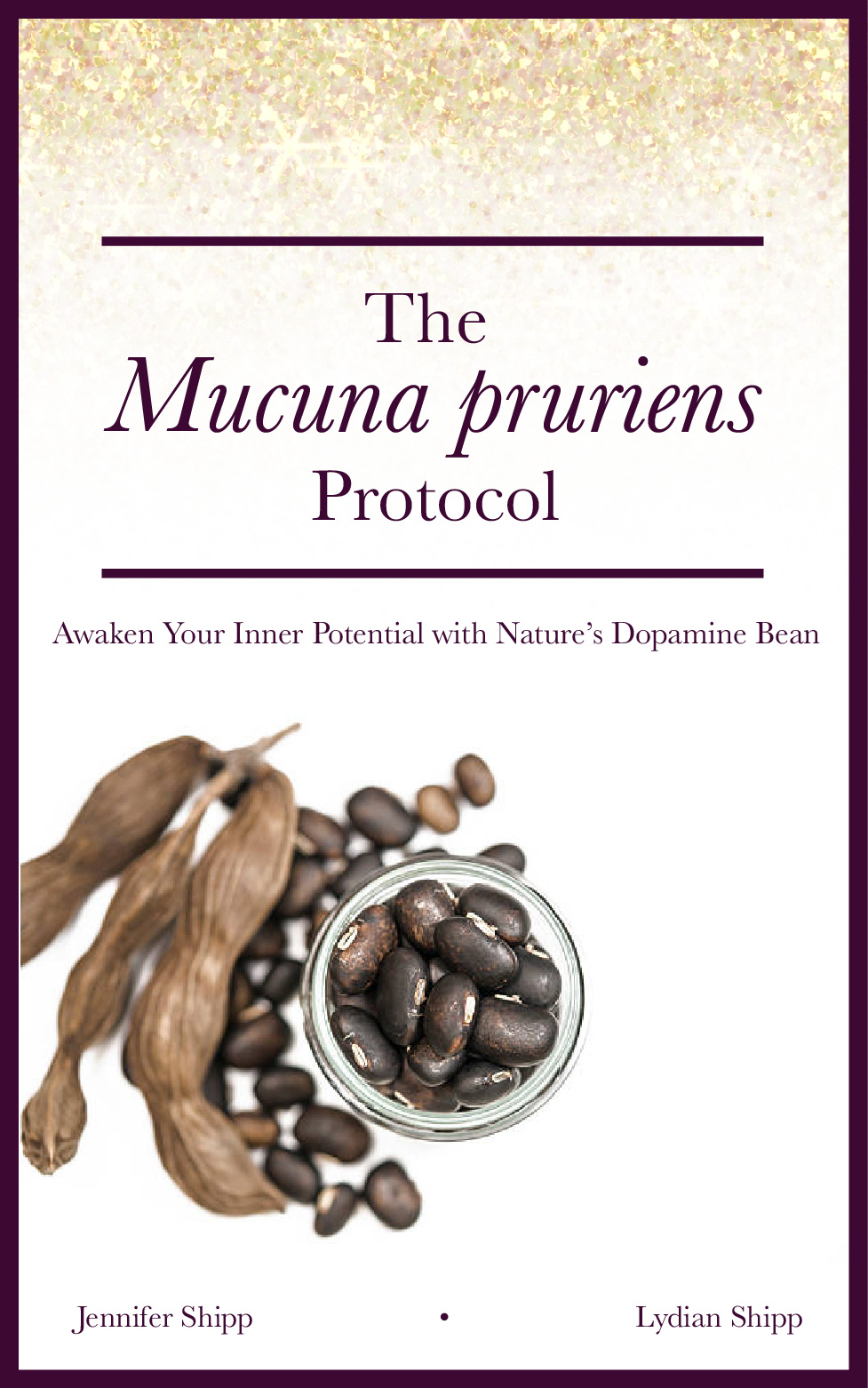
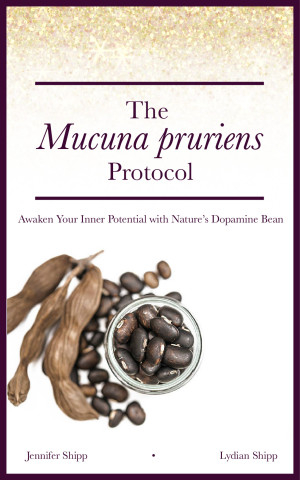
The Mucuna pruriens Protocol: Overcome Dementia, Addiction, ADHD, Mood and Mental Health Disorders
Resources:
• Quik, M. et al. (2008). Nicotine and Parkinson’s disease; implications for therapy. Retrieved May 8, 2025 from https://pmc.ncbi.nlm.nih.gov/articles/PMC4430096/
• Kamkaen, N. et al. (2022). Mucuna pruriens Seed Aqueous Extract Improved Neuroprotective and Acetylcholinesterase Inhibitory Effects Compared with Synthetic L-Dopa. Retrieved September 22, 2022 from https://pubmed.ncbi.nlm.nih.gov/35630617/
• Kondeva-Burdina, M. et al. (2019). Effect of Amanita muscaria extract on different in vitro neurotoxicity models at sub-cellular and cellular levels. Retrieved May 8, 2025 from https://www.sciencedirect.com/science/article/abs/pii/S0278691519304764
• Kamkaen, N. et al. (2022). Mucuna pruriens Seed Aqueous Extract Improved Neuroprotective and Acetylcholinesterase Inhibitory Effects Compared with Synthetic L-Dopa. Retrieved September 22, 2022 from https://pubmed.ncbi.nlm.nih.gov/35630617/