Lou Gehrig's Disease and Amyotrophic Lateral Sclerosis Treatment Overviewsis
DISCLAIMER: CONSULT WITH A DOCTOR BEFORE DECIDING ON A TREATMENT PLAN FOR ANY DISEASE.
ome links may be affiliate links. We may get paid if you buy something or take an action after clicking one of these. We use this revenue to keep the site free to you.
Amyotrophic Lateral Sclerosis / Lou Gehrig’s Disease Overview
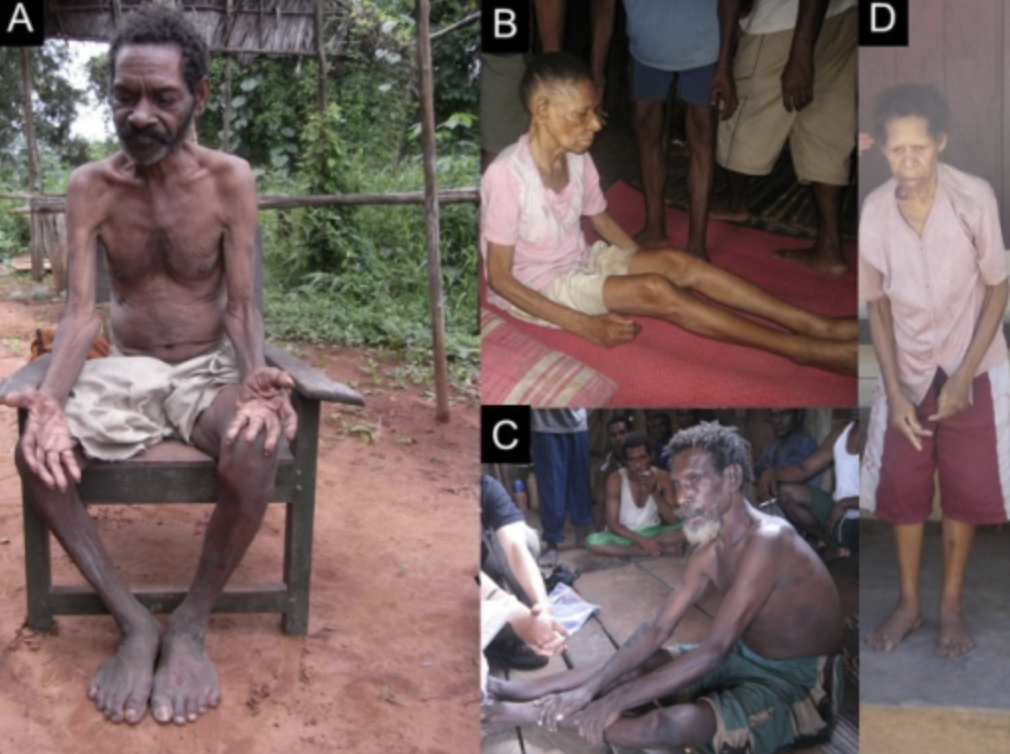
In the TV series known as The OA, a female ALS patient is paralyzed and she has to hold onto and remember a particular movement for many years that will save the protagonist even though her entire body is paralyzed. The movement was about the moth as an animal (in the show, the main characters had to find and ingest an animal so that they could discover its specific “movement”). In the show, the woman with ALS looked, to my eyes, a lot like someone who had developed a nicotinic blockade like the cholera toxin or the Amazon arrow-poison known as curare. I write a bit about the nicotinic receptors in this article, which, when blocked, can cause total paralysis throughout the body.
Click here to schedule a health coaching session with us.
I worked in 16 different nursing homes as an agency nursing assistant in long-term care facilities in Nebraska for 5 years in the late 1990’s. During that time, I never saw a single Amyotrophic Lateral Sclerosis (ALS) patient. I don’t know why I never saw an ALS patient, but it makes me curious. Maybe Nebraska was not an ALS hot-spot (but I worked in facilities on both ends of the state so that seems unlikely). This strikes me as exceedingly odd, but it’s also possible that somehow, despite seeing literally hundreds of patients for whom I had full access to their diagnoses, there was never a single ALS patient in any long-term care facility I went to.
According to Pharmaceutical-Technology.com, ALS was first observed in 1824 and the term “amyotrophic lateral sclerosis” was coined in 1874 by Jean-Martin Charcot, the so-called “father of modern neurology”. The diagnostic label was chosen from the Greek term “amyotrophic” which means “without nourishment to muscles”. Prior to the application of this diagnostic label, ALS sufferers were lumped in with other patients who had been diagnosed with “hysteria”.
Apparently, it wasn’t until 1939 that ALS became a well-known disease when Lou Gehrig, the “iron man of baseball” was diagnosed with the disease.
In modern, conventional medicine, ALS is regarded as a genetic disease – a disease that’s passed down through DNA. This is bad news because, for the most part, conventional medicine makes the claim that ALS is incurable and also untreatable. That’s what it means when a disease is said to be “genetic”. Yet, genes are constantly being modified in the body. Genes are turned on and turned off all the time to produce proteins or to stop producing them. Some genes that should be turned on are not and some that should be switched off stubbornly resist being switched off. But the rhetoric that a genetic disease is incurable isn’t fully accurate or depictive of what’s possible in terms of genetic treatments. Yet the word, “genetic” is used often as an excuse for over 100 years by Big Pharma to justify the lack of adequate treatments and medicines in doctors’ offices and hospitals to cure disease (any disease).
There is funding aplenty for scientists to seek out “more genes” involved in the ALS problem, yet a cure for the disease is elusive. Finding more ALS genes doesn’t ever equate to finding a cure for ALS in conventional medicine. But studies have demonstrated a link between frontotemporal dementia and ALS suggesting (through our lens) that a lack of blood flow to certain areas of the brain may be a relevant consideration that is treatable. This is easy for most readers to readily understand as a point of potential hope. We’ll expand on that idea a bit more in the discussion about nicotine below.
In the model that we use to discuss mental (cognitive) and physical diseases, the left hemisphere of the brain represents our logical faculties while the right hemisphere of the brain represents the body and the felt sense of our emotional existence on planet earth. In patients with ALS, there seems to be a disconnect between the body’s felt sense and the logical mind. Nicotine (the substance that became famous as a result of cigarettes) and nicotinic receptor blocking agents like curare, provide one of the best models of a disconnect that can produce “Locked In Syndrome” or “Totally Locked In Syndrome”. Both “Locked In Syndrome” and “Totally Locked In Syndrome” (both caused by nicotinic receptor blockers) look almost identical to ALS symptoms suggesting that the nicotinic receptors are involved in this disease. So we’ll talk first about nicotinic receptors and nicotinic agonists including nicotine itself as potential treatments for this disease.
Click here to do a free trial of EMDR to Release Trauma.
ALS and the Nicotinic Receptors
As ALS progresses, it affects the voluntary muscles (those that are consciously controlled). As the disease progresses further, voluntary muscles become paralyzed. Studies into the role of nicotinic receptors have been conflicting in the scientific literature which is not terribly surprising. If studies begin to indicate that there might be a cure for a disease as profitable as ALS, there will be studies created to discount this view. I’m not saying that this is what’s happened with the so-called “science” but I’ve seen it happen before in regard to other diseases and disorders. If something as simple as nicotine and nicotinic agonists (there are many of them in nature) can help prevent or treat ALS, Big Pharma would certainly scramble to cover up this information as thoroughly as possible.
Nicotine exists in nature, but there are also synthetic forms of nicotine that exist. Our bodies were designed to interact with natural forms of nicotine and nicotinic substances found in plants that are similar to nicotine (e.g. lobeline). In the human body, the cholinergic nervous system includes just two basic types of receptors: the nicotinic receptors and the muscarinic receptors. Though both of these receptors interact with and respond to the endogenous and pleomorphic neurotransmitter known as acetylcholine, the nicotinic receptors are so-named for their affinity for nicotine while the muscarinic receptors are named for their affinity for muscarine, a substance found in the Amanita muscaria mushroom.
There are many nicotinic substances that interact with the nicotinic receptors in a variety of ways (some of them are healing and balancing and some cause severe symptoms of disease or death when administered at the wrong dose). In turn, there are also many muscarinic receptor interactors that can be either a source of healing and balance or a source of disease and disorder. Substances that are nicotinic can cause a spectrum of health problems or a spectrum of healing effects on the body that are relatively predictable and easy to understand. The same is true for muscarinic substances that have an affinity for the muscarinic receptors. One might think about the nicotinic and muscarinic receptors and the cholinergic system as a whole as a grouping of receptors that can be “dialed in” (like dimming or brightening a light) or “dialed out” to completely change the environment of the body in different ways (depending on the level of affinity that the nicotinic or muscarinic substance for the cholinergic receptors).
Nicotinic receptors, when activated, tend to “dial in” the consciousness of the body, connecting the mind to the structure of the body as a whole like making a light inside the body much brighter. Nicotinic blockers, in contrast, “dial out” the consciousness of the body such that the consciousness ends up like a very dim light that is “locked in” to the body’s boundaries, like being tucked deep inside the body’s core.
In contrast, the muscarinic receptors, when activated, tend to “dial out” the consciousness like water that leaks from every orifice as tears, diarrhea, mucus, and saliva. The skin turns red under the influence of muscarinic activity that’s been “dialed in” at full force. When muscarinic receptors are “dialed out” in contrast, and they’re blocked by a muscarinic blocker like scopolamine, for example, a person’s consciousness can ends up flowing out the body completely such that it is disconnected from the body by all but the slightest form of attachment. Or a person dies. Scopolamine removes a person’s will and their ability to intend something for themselves. Another person can intend for the scopolamine-victim on the victim’s behalf by providing the left-brain with commands.
So while nicotinic blockers can dim a person’s light to the point of total paralysis in the presence of total consciousness and awareness of the paralysis from inside the body, muscarinic blockers produce suggestibility that produces pliable agreeability and a lack of internal will or intention. If you tell a person on nicotinic blockers to brush their teeth, the person will be paralyzed even to the point of not being able to blink their eyes or breathe. If you tell a person on muscarinic blockers to brush their teeth, they’ll do so in any context at all without questioning the command. Of these two types of receptor-blockades, ALS most resembles nicotinic receptor blockade.
Some studies indicate that smoking can increase the risk of ALS, but other studies indicate that stimulation of nicotinic receptors (smoking is just one way to stimulate nicotinic receptors) can actually protect the brain and nervous system from developing ALS. These are the conflicting scientific studies that suggest that perhaps something is being covered up by Big Pharma. Nicotine seems to be able to protect the brain from glutamate-induced excitotoxicity that can lead to ALS symptoms and studies support this idea, yet contradicting tales that indicate that nicotine and nicotinic receptor agonists are not helpful medicinal agents unfortunately muddle the issue.
Again, it’s possible that the science is simply conflicted, but it’s possible that it is conflicted because of the economics of ALS. I can’t prove it one way or another. All I can point out is that the science is suspect.
Indeed, if you overwhelm the nicotinic receptors with a nicotinic receptor blocker like the Amazonian arrow poison known as curare, a person will become paralyzed. Nicotinic blockade and ALS look very similar to each other except the process involved in producing the paralysis is a much faster process when a nicotinic blockade like curare is administered than the eventual paralysis that overtakes an ALS patient (which can take years to progress to paralysis).
Pathogens like Vibrio cholerae (the cause of the disease known as “cholera”) produce a toxin that can cause the nicotinic receptors to become blocked. Patients with cholera can, at times, experience a profound paralysis that resembles ALS or even death. Cholera is the reason why so-called “Safety Coffins” were developed in the 18th and 19th centuries to try to prevent people who appeared dead (due to total paralysis) from being buried alive.
The striking resemblance in symptoms between a nicotinic receptor blockade and ALS is worth noting. Sometimes, a nicotinic blockade can be prevented with a nicotinic receptor agonist like nicotine or lobeline. These substances can, in some cases, kick a nicotinic receptor blocker out of the nicotinic receptor, clearing it so that acetylcholine can interact with the nicotinic receptors again. Sometimes a nicotinic blockade can be treated with a nicotinic receptor agonist with a strong enough affinity for the nicotinic receptors. This might be why it seems (according to some studies) that smokers are at a bit of an advantage over non-smokers in terms of preventing ALS. The nicotine content in cigarettes may actually protect the nicotinic receptors from becoming blocked.
While I never saw any patients with ALS in all of my years working in long-term care facilities, I saw plenty of patients with COPD and emphysema who were suffocating to death as a result of years of smoking. Though molecular hydrogen therapy is a proven cure for both COPD and emphysema, patients who would like to prevent the development of ALS without potentially harming their lungs might consider working with natural, wild tobacco products like Ambil or Hápe instead of cigarettes as much safer nicotine-containing substance that’s not addictive or harmful to the lungs.
Click here to learn more about the DreamLight.app, an online guided meditation and brain-entrainment tool.
Ji Wu Li for ALS
The Traditional Chinese Medicine / TCM herbal formula known as Ji-Wu-Li is used for ALS treatment and neurodegeneration in general, particularly neurodegeneration that impacts motor neurons. This includes an array of different diseases and diagnoses in conventional medicine.
Ji Wu Li is applied topically (a bit like nicotine patches except treatment with Ji-Wu-Li is lasting and does not stop working after only a month or two) to significantly slow the progression of ALS. It is also taken orally to get the patient to a high enough dose Not surprisingly, Ji-Wu-Li works via nicotinic receptors in the cholinergic system to protect against motor neuron degeneration. Ji-Wu-Li provides nicotinic effects that protect against progressive inflammatory and metabolic stressors.
TCM does not categorize diseases in the same way that conventional medicine categorizes them. In TCM, ALS falls under the category of “flaccidity syndrome”, “Wei syndrome” or “Wei Zheng”. Flaccidity syndrome applies to other diseases besides just ALS and through this alternative diagnostic lens, it is able to find natural treatments that actually work to stop the progression of ALS and the other diseases associated with muscular flaccidity, weakness, limpness, and muscle atrophy.
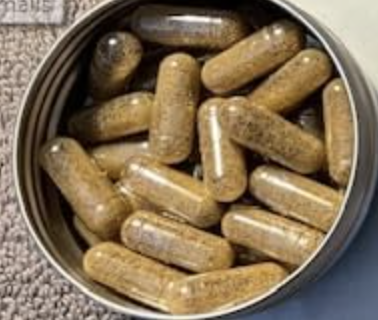
Click here to buy Ji Wu Li Capsules.
Other diseases besides just ALS that would fit into the category of “flaccidity” syndrome include:
-
Neuromuscular disorders
-
Neurological disorders that lead to muscle weakness or paralysis
-
Motor Neuron Diseases / MND
-
Guillain-Barre Syndrome / GBS
-
Myasthenia Gravis
-
Multiple Sclerosis / MS
-
Myelitis
-
Other demyelinating disorders
-
Poliomyelitis
-
Post-Polio Syndrome
-
Peripheral Neuropathy
-
Electrolyte imbalances (hypokalemia)
-
Spinal disorders
-
Spinal Cord Trauma
-
Spinal Cord Tumors
-
All of the Ji Wu Li herbs regulate multiple mechanisms of neurodegeneration in ALS and other diseases that fit into the category of “Wei syndrome” in TCM.
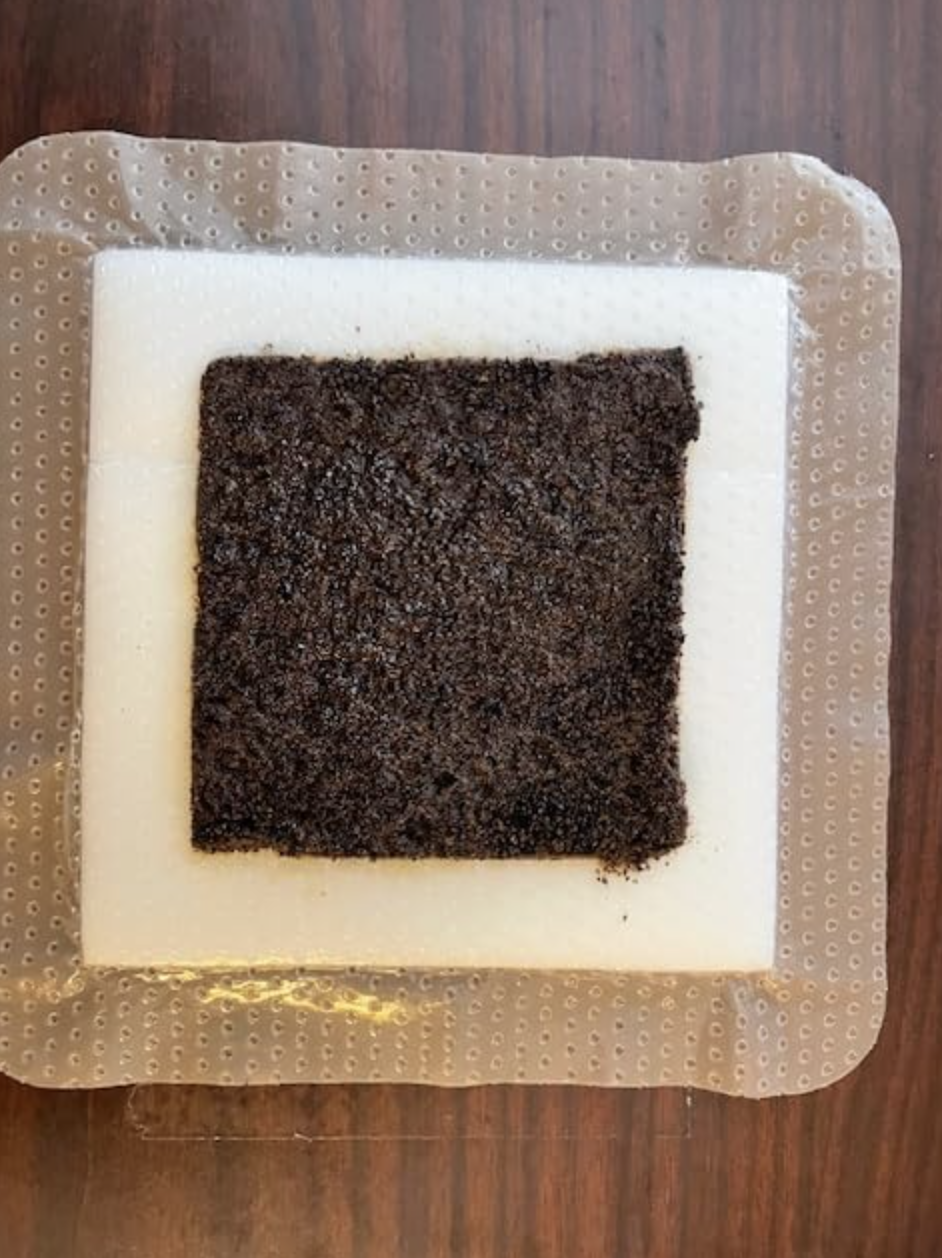
Click here to buy Ji Wu Li Patches.
Ji Wu Li Herbs
The herbs found in the Ji Wu Li formula include:
-
Ginseng Radix
-
Astralagi Radix
-
Cistanchis Radix Herba
-
Atractylodis Macrocephalae Rhizoma
-
Poria cocos
-
Glycyrrhiza Radix
-
Rhodiola Rosea Radix
-
Epimedii Herba
Ji Wu Li Dosing
According to some sources, Ji Wu Li is administered as a transdermal patch or cream that contains 4 grams of the Ji Wu Li herb per patch. This is the adult dose. The patches or creams are applied 6 days of the week with 1 day off. The patch or cream should be worn for 6 hours per day. Patches or cream should be applied topically to the upper back region over the 7th cervical vertebrae as well as over the diaphragm. In severe cases, 20 weeks of treatment is necessary.
Other, more reliable sources say that 32 grams per day is the required dosing for ALS. To achieve this dose, the patient takes part of the dose in capsules by mouth and the rest of the dose is administered either as cream or as a patch.
Skin reactions are common. Local skin redness and swelling might occur at the application site. In some patients, dermatitis might warrant the discontinuation of topical treatment. Nonetheless, Ji Wu Li shows clinical effectiveness at slowing or halting the progression of ALS and weight loss.
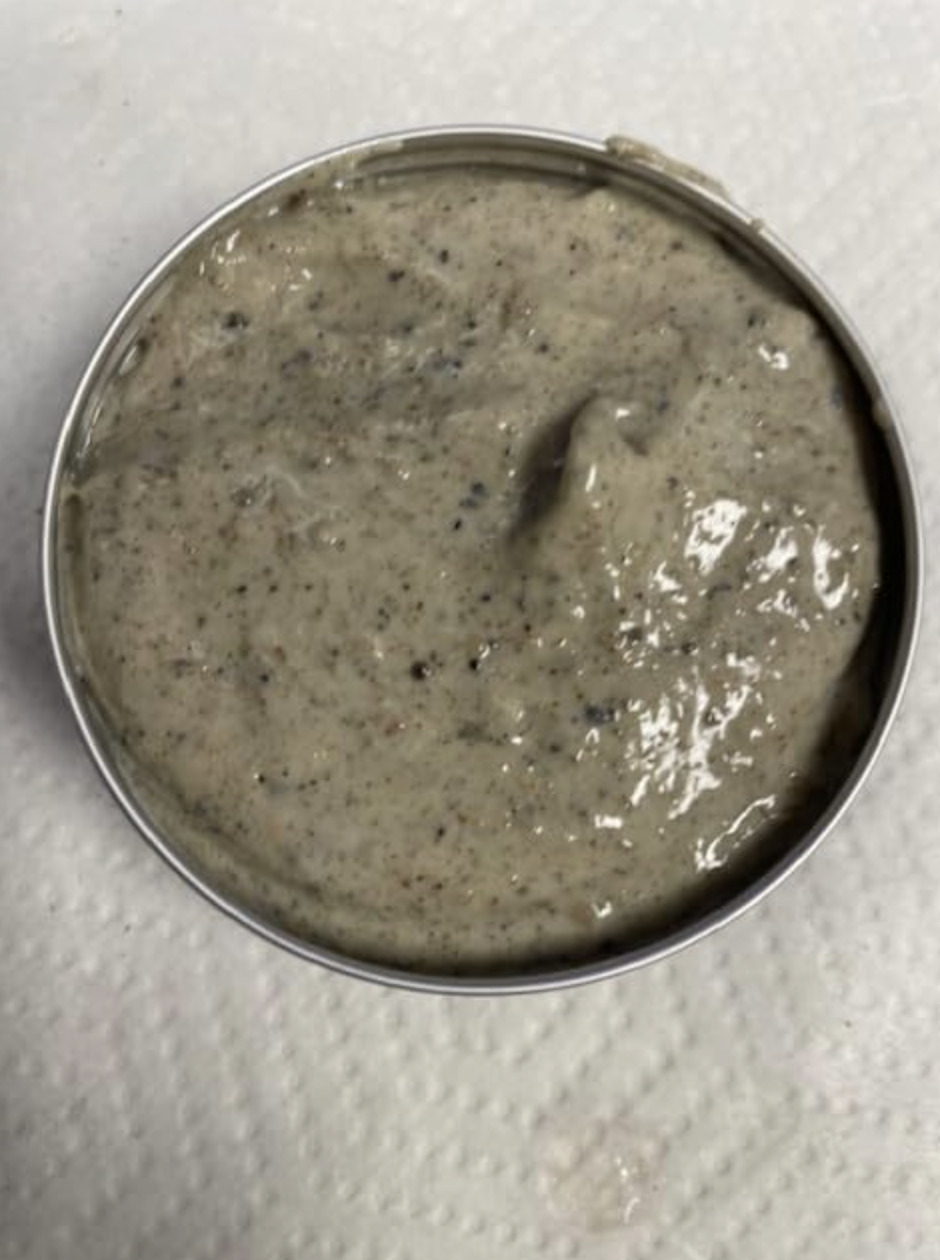
Click here to buy Ji Wu Li Cream.
Hyperbaric Oxygen Therapy for Amytrophic Lateral Sclerosis / ALS
Amyotrophic lateral sclerosis / ALS (also known as Lou Gehrig’s disease) is a rare and fatal nervous system disease that kills motor neurons. As motor neurons are killed, muscles stop working and they become weak and atrophied. Patients stop being able to move, speak, eat, or breathe. Studies have shown that in ALS patients, vascular endothelial growth factor (VEGF) and mitochondrial abnormalities play a role in symptom progression. On this basis, studies have been undertaken to examine the use of hyperbaric oxygen therapy (HBOT) for ALS patients because HBOT promotes both VEGF and mitochondrial healing.
That being said, as I read through the studies into HBOT for ALS, I keep the politics of HBOT in mind and always remember how Cunningham Sanitarium, an HBOT hospital was built and then disassembled by Big Pharma to prevent the healing effects of air pressure modulation and oxygenation of tissues to reach the general public.
In animals with ALS, HBOT can delay the progression of the disease. But even though human studies seem to indicate a similar effect in humans, there is great hesitancy to really study HBOT for ALS patients. Indeed, it’s important for our readers to note that HBOT can be administered as a “mild” therapy at less than 2.0 absolute atmospheres (ATAs) or at higher ATAs above 2.0. This arbitrary line in the sand between “mild” HBOT therapy (below 2.0 ATAs) and “regular” HBOT (above 2.0 ATAs) creates a lot of confusion about what HBOT is and how it actually works to treat major diseases. Mild HBOT is safer than regular HBOT therapy and it is often a better choice for people. But the information about mild vs. regular HBOT is not terribly straightforward.
So I encourage readers to think about hyperbaric treatment in terms of the environmental conditions on earth that inspired this form of therapy in the first place. Being underwater at sea level is a hyperbaric experience, for example. But also, people who are climbing Mt. Everest who “descend” to a lower altitude due to altitude sickness are also doing a form of “hyperbaric” therapy. We have to think about not only reactive oxygen species that kill pathogens that might be causing ALS (perhaps through the slow, but steady release of nicotinic blocking toxins?), but also the oxygenation of tissues that have gotten starved by a lack of oxygen due to anemia, functional anemia, or even erythrocytosis and blood stasis in in the body to really appreciate what HBOT can do for ALS patients.
In one study that looked at HBOT for ALS, four patients reported maximum isometric voluntary muscle contraction improvements of up to 97% except in the right hand. The scientists in this study noted that the right hand muscle grip did not improve for all 4 patients, but they paid little attention to this fact even though it is an interesting artifact. Sadly, though the results of this study were overwhelmingly positive, the scientists reported that “it’s possible that the improvement in muscle strength was a placebo or a learning effect”, essentially discounting the miraculous improvements as though they were not-worth-noting. This study only involved 4 weeks of 60 minute treatments at 2.0 ATA and 100% oxygen. This is only 40 hours of treatment, which is a minimum recommended amount for people with much less serious health problems than ALS. In other words, the study showed excellent results for patients, but patients with ALS would likely do better with 120 hours of treatments.
Elsewhere, we’ve talked about the relationship between HBOT and kidney-health-restoration in Traditional Chinese Medicine (TCM) to detail how this relationship can be conceptualized. TCM is one of many systems of medicine that have been pillaged by Big Pharma to produce drugs from herbal remedies that belong to ancient systems of medical wisdom. Big Pharma might do a study on TCM herbs that are used for ALS to find “lead agents” for new drugs and “steal” the data from TCM. This study then leads to additional studies into how to synthesize a patentable drug from the natural herb in a lab, always making sure that the drug does not actually cure the disease, but only treat the disease (curing diseases is not profitable for Big Pharma). Then, Big Pharma funds propaganda about how the ancient system of medicine is “folk” medicine and therefore inferior to “modern” medicine. Big Pharma rapes and pillages other, well-established wisdom traditions in medicine for “gold nuggets” that it can repurpose into “chunks of coal” that is sells under a massive propaganda campaign that claims that Big Pharma is the original purveyor of all good things in medicine.
So if we look at TCM, in particular, instead of leaning too directly into Big Pharma’s so-called “science”, we can definitely benefit from knowing that HBOT can help ALS patients, but we might also benefit from focusing in more closely on the fact that the four patients in the article we talk about above, did not regain right-hand grip strength. In TCM, an inability to produce a firm grip in either hand can be treated, in part, with the Small Intestine-7 (SI-7) point which is located on the forearm. In other words, we might be inclined to look at the small intestine in patients with ALS, as an organ that might require more than just 4 weeks of treatment (40 hours) in an HBOT chamber. The small intestine may have dysbiosis and it may be under a particularly heavy load of duress in comparison with the other organs of the body. Healing the dysbiosis might be foundational as a cure for ALS.
In the Methods of Acupuncture and Moxibustion from the Golden Mirror of Medicine, the SI-7 acupoint is indicated when there is depression and a “knotting of all the seven emotions” suggesting a powerful emotional component and perhaps trauma that underlies ALS development via the effects of trauma on the gut.
TCM was a very well-developed system of medicine that involved energy healing and a mind-body-spirit mentality. TCM doctors knew that emotions could affect the physical body, for example, and, in fact, that the emotions and the physical organs of the body were intimately connected. The Chinese Revolution and then Big Pharma completely halted the practice of TCM for decades which led to the loss of some of the sacred knowledge and skills that TCM practitioners tended to pass down within their families. Today, TCM practitioners outside of China are largely licensed by Big Pharma in many (but not all) countries of the world. The more spectacular healers in TCM today are mostly concentrated in China in places like Guang’anmen Hospital though there are exceptions to that rule, of course. TCM practitioners in the United States, Canada, Europe, etc. may be exceptional in their skill, but like other licensed practitioners in healthcare, they must answer to Big Pharma and thus, their practice of medicine is restricted.
ALS is primarily a movement disorder as opposed to neurological disorders that produce hallucinations or cognitive deficiencies. HBOT can be beneficial in delivering much-needed oxygen to the muscles throughout the body, but this form of treatment may also be able to get rid of pathogens that are causing gut dysbiosis in the small intestine or in other areas of the body that disrupt the mind-body connection.
For paralysis, TCM also notes Spleen-7 (SP-7) and Large Intestine-15 (L.I.-15).
ALS in Traditional Chinese Medicine
In Traditional Chinese Medicine (TCM), ALS is known as “flaccidity syndrome” or “Wei Zheng”. It is viewed as a condition involving a root deficiency (ben) combined with superficial excess (biao). It may also involve a spleen impediment (Pi Bi). Spleen impediment is known in conventional medicine as medullary paralysis with bulbar symptoms when slurred speech is an issue.
In TCM theory, flaccidity involves a dysfunction of the five zang organs with an emphasis on the spleen and the stomach as well as the kidneys. The spleen and the stomach govern the muscles and the limbs while the kidneys govern the bones and the Sea of Marrow that pertains the nerves and parts of the brain.
In TCM, qi and yin deficiency along with dampness, blood stasis, and blocked channels can starve the muscles of nourishment and energy. Treatment in TCM aims to nourish qi and warm the kidney yang while invigorating blood flow to improve the vitality of the body.
Herbal remedies and acupuncture are used by modern, post-Chinese Revolution-TCM practitioners to stimulate the flow of qi and relieve muscle cramps while aiming to preserve motor function in the body at the same time. In reality, TCM aims to cure ALS, but most patients choose to walk the line and work with both TCM and Big Pharma-prescribed medications, thinking that this approach will give them the best of both worlds.. Big Pharma recommends this approach, relegating TCM therapies to an “adjunct treatment” status, unfortunately, and most ALS patients worry that if they try to work toward a cure without conventional medicine that they’ll end up at a dead end and doctors will then refuse, at this point, to treat them.
TCM Remedies for ALS
In addition to HBOT sessions, patients may also benefit from working with TCM herbal remedies such as the following:
-
Ji Wu Li
-
Huo Ling Sheng Ji Granules - This herbal remedy is used in TCM to treat ALS, which is known as “flaccidity syndrome” or Wei Syndrome.
-
Qing Zao Jiu Fei Tang - This herbal remedy treats Lung heat. The Lungs are partnered with the Large Intestine in TCM.
-
Er Miao San - Used for damp-heat.
-
Hu Qian Wan - This herbal remedy is beneficial for Liver/Kidney deficiency.
-
Shi Quan Da Bu Tang - Administered for Qi and blood deficiency.
-
Bu Yang Huan Wu Tang - This herbal remedy is used to address trauma and blood stasis.
Note that herbal remedies in TCM may be customized by a TCM practitioner to the patient’s precise needs and their specific ALS root cause.
For “flaccidity syndrome” / ALS, the Yangming Meridian that serves the Stomach and Large Intestine channels is a major focus. By restoring the stomach and large intestinal function in the body, nutrients can be absorbed which, in turn, helps the cells throughout the body begin to heal.
EDTA for ALS: Heavy Metals and Other Environmental Toxins
In about 10% of cases of ALS, there is a Mendelian pattern of inheritance. That being said, our view of genetics is a little different than the prevailing views in conventional medicine. Lydian and I view “genetic” diseases as “ancestral” diseases which can be transmitted not just physically within families but also emotionally and through family dynamics. ALS that gets passed down within families might represent a disease that was unresolved and unable to be healed at some point in the family’s history. Family members who develop ALS are called upon to heal the disease at this juncture in history in order to heal the entire lineage (a big job). ALS might also be a manifestation of a family dynamic that seeks to tell the story of something very challenging (and most likely secret) that happened in the past. Something “paralyzing”. The disease and its symptoms are a metaphor or an expression of a pattern from the past that seeks to be resolved.
In the remaining 90% of ALS cases, some experts have speculated that there is an underlying environmental trigger that might set off the symptoms. Some of the environmental factors that have studied include:
-
Pesticides
-
Exposure to electromagnetic fields
-
Metal exposure
Metal exposure and ionic homeostasis dysregulation has been proposed as an important trigger for motor-neuron degeneration in ALS patients. Areas of the world with higher contamination levels with heavy metals seem to produce a higher incidence of ALS, suggesting that metal exposure at high levels might play a role in the development of this disease.
Toxic metal exposure undoubtedly plays a role in the development of neurodegenerative diseases. The constant presence of toxic metals is always more elevated in ALS patients as well as patients with other neurodegenerative diseases. Toxic metals that have been associated with neurodegenerative disease include:
-
Lead
-
Cadmium
-
Cesium
-
Aluminum
-
Gadolinium
Treatment with EDTA chelation therapy IVs removes toxic metals from patients which tends to improve patient symptoms. Glutathione IVs are another option to improve symptoms of heavy metal exposure too. The sulfhydryl groups in the Budwig smoothie can also improve the body’s ability to safely remove heavy metals and toxins via the kidneys and the liver.
Vitamin B12 for ALS
Vitamin B12 is an essential nutrient that may not be easily absorbed through the digestive tract in people with digestive system disease or in those over the age of 50 years. In the U.S., tragically, the FDA has not approved vitamin B12 injections for the treatment of ALS, which is crazy because vitamin B12 does no harm, but it can, in most cases (according to the literature), do a lot of good.
Most ALS patients respond well to vitamin B12 injections which bypass the need for a healthy digestive system to absorb this nutrient (most people over 50 years of age and those with digestive system disorders cannot properly absorb vitamin B12 when it is taken orally). Vitamin B12 deficiency itself can cause various neurodegenerative symptoms and if this vitamin is administered soon enough after symptoms begin, it can, in some cases, reverse the symptoms and restore health to the patient very abruptly. It used to be standard-care to provide vitamin B12 injections to every patient who came to a doctor’s office who was over age 50 or who had digestive system disease, but the FDA, at one point, realized that it would be much more profitable for them to restrict vitamin B12 injections and allow patients to develop neurodegenerative diseases instead.
Amyotrophic Lateral Sclerosis and Poliomyelitis
Some scientists have noted an association between ALS and poliomyelitis (also known as “polio”). Both are manifestations of anterior horn cell disease. The anterior horn of the spinal cord is the front part of the butterfly-shaped gray matter. It contains the motor neurons responsible for conducting nerve impulses to skeletal muscles. Like ALS, polio infection causes paralysis through the very same structures of the body. This fact makes the Poliovirus and the polio vaccine suspect in the later development of ALS just as the development of hand, foot, and mouth disease during childhood can make a child more vulnerable to developing diabetes later in life.
Like Coxsackievirus and other Enteroviruses, Poliovirus belongs to the Enterovirus genus. The Hepatitis A virus also belongs to this family. Poliovirus infection and vaccination with the Poliovirus vaccine may be related to the later development of ALS, but this information is heavily guarded by Big Pharma and it is not in any way “common knowledge”. Because so many people have been vaccinated against polio, polio antibodies show up throughout the population making it hard to differentiate between which ALS patients might have developed the diseases as a result of an earlier polio infection or exposure and which ones may have had no exposure to polio (through vaccines or otherwise).
Nonetheless, this association between poliomyelitis symptoms and ALS symptoms is noteworthy and it deserves some attention if you wish to cure this disease. If ALS is sometimes or always caused by an underlying Enterovirus infection, this means that it could theoretically be treated and / or prevented entirely if the underlying infection could be successfully treated and eradicated. Enteroviruses are transmitted through the fecal-oral route or through respiratory droplets and the infection begins in the digestive system or in the throat (which is part of the gastrointestinal tract). The virus replicates and then spreads to the lymphatic systems and sometimes also to the bloodstream.
Also, if we look at the Traditional Chinese Medicine model of disease, we should note the important connection between the digestive system, ALS and other motor neuron diseases. Polio, for example, is caused by an Enterovirus – a virus that primarily infects the enteric system (the gastrointestinal system). In conventional medicine, ALS and motor neuron diseased patients tend to get very focused on the nervous system, but the medicines that seem to work best to cure ALS specifically target the gastrointestinal system. An ALS patient who develops ALS in response to an Enterovirus infection like poliomyelitis or even hand, foot, and mouth disease at some point in their life will also likely respond to TCM remedies that target the intestines as well as other involved parts of the body.
Summary
Those of us who were raised to rely exclusively on conventional medicine to treat diseases might struggle to embrace TCM methods of treatment for ALS. Other ancient models of medicine like Ayurveda also have a lot to offer patients with motor neuron disease including ALS. Followers of conventional medicine are at a huge disadvantage in terms of solving major health problems because, for example, a healing TCM remedy for ALS may be marketed only for ALS and it may never become widely known among patients with Multiple Sclerosis / MS, Guillain-Barre syndrome, or Myasthenia Gravis (among others). It’s hard for smaller, less profit-centric medical models to propagate information about a cure for ALS or the various other diseases that might be effectively treated with an herbal remedy like Ji Wu Li, for example.
For readers who come from an almost exclusive conventional medicine background, it can be easier to understand and fully embrace a medicine like Ji Wu Li if there’s content that specifically ties this remedy to this particular diagnosis, but MS patients and patients with other serious neurological diseases might also benefit tremendously from working with Ji Wu Li (and some of the other herbal remedies in TCM or other ancient systems of healing). This is why we recommend reading a book like this cover-to-cover. Many of the cures for neurological diseases are only known for a very specific disease though they would work for a much broader range of diseases.
Resources
Steele, J. et al. (2004). A Phase I safety study of hyperbaric oxygen therapy for amyotrophic lateral sclerosis. Retrieved September 28, 2026 from https://pubmed.ncbi.nlm.nih.gov/15799556/
Monmaney, T. (2024). A devastating nerve disease stalks a mountain village. Retrieved September 28, 2026 from https://knowablemagazine.org/content/article/health-disease/2024/did-eating-false-mushrooms-cause-als-french-village
Kim, K. et al. (2024). Association of smoking with amyotrophic lateral sclerosis: A systematic review, and meta-analysis including dose-response analysis. Retrieved September 29, 2026 from https://www.tobaccoinduceddiseases.org/Association-of-smoking-with-amyotrophic-lateral-sclerosis-A-systematic-review-and,175731,0,2.html
Parkins, K. (2021). Unmet needs: a brief history of ALS and its sparse pipeline. Retrieved September 29, 2026 from https://www.pharmaceutical-technology.com/features/history-of-als/
Ito, T. et al. (2020).The neuroprotective effects of activated alpha-7 nicotinic acetylcholine receptor against mutant copper-zinc superoxide dismutase-1 mediated toxicity. Retrieved September 30, 2026 from https://www.nature.com/articles/s41598-020-79189-y
Corsini, S. et al. (2016). Nicotinic receptor activation contrasts pathophysiological bursting and neurodegeneration evoked by glutamate uptake block on rat hypoglossal motoneurons. Retrieved September 30, 2026 from https://pmc.ncbi.nlm.nih.gov/articles/PMC5108918/
Nakamizo, T. et al. (2005). Stimulation of nicotinic acetylcholine receptors protects motor neurons. Retrieved September 30, 2026 from https://www.sciencedirect.com/science/article/abs/pii/S0006291X05006248
Delgado, M. et al. (2025). Opinion: exploring alternative pathways to neuroprotection – nicotine and carbon monoxide as antioxidative factors in neurodegeneration and delirium. Retrieved October 1, 2026 from https://www.frontiersin.org/journals/neurology/articles/10.3389/fneur.2025.1556456/full
Zhou, Q. et al. (2018). Fingerprint analysis of Huolingshengji Formula and its neuroprotective effects in SOD1G93A mouse model of amyotrophic lateral sclerosis. Retrieved October 1, 2026 from https://www.nature.com/articles/s41598-018-19923-9#:~:text=Traditional%20Chinese%20medicine%20(TCM)%20plays,applied%20for%20treating%20flaccid%20syndrome.
Brooker, J. G. (2023). The Relationship Between Cigarette Smoke and Amyotrophic Lateral Sclerosis Risk and Survival Time in a Population of ALS Subjects. Retrieved October 2, 2026 from https://dash.harvard.edu/entities/publication/1b2a5c03-f0cd-4c9a-9036-c2e8d79ab8fd
Tesauro, M. et al. (2021). Metal(loid)s role in the pathogenesis of amyotrophic lateral sclerosis: Environmental, epidemiological, and genetic data. Retrieved October 2, 2026 from https://pubmed.ncbi.nlm.nih.gov/33027627/
Fulgenzi, A. et al. (2020). EDTA Chelation Therapy in the Treatment of Neurodegenerative Diseases: An Update. Retrieved October 2, 2026 from https://pmc.ncbi.nlm.nih.gov/articles/PMC7460255/
Zubair, A. S. et al. (2024). Patients’ experiences with methylcobalamin injections in amyotrophic lateral sclerosis. Retrieved October 2, 2026 from https://pmc.ncbi.nlm.nih.gov/articles/PMC11034440/
Okumura, H. et al. (1995). Amytrophic lateral sclerosis and polio: is there an association? Retrieved October 4, 2026 from https://pubmed.ncbi.nlm.nih.gov/7611634/
Terao, S. I. et al. (2005). Respiratory failure in a patient with antecedent poliomyelitis: Amyotrophic lateral sclerosis or post-polio syndrome? Retrieved October 4, 2026 from https://www.sciencedirect.com/science/article/abs/pii/S0303846705001435
Schröder, S. et al. (2022). Slower progression of amyotrophic lateral sclerosis with external application of a Chinese herbal plaster – The randomized, placebo-controlled triple-blinded ALS-CHEPLA trial. Retrieved October 16, 2026 from https://pmc.ncbi.nlm.nih.gov/articles/PMC9620479/



Be sure to take a look at a few of our e-Books titles below that might pertain to your health search:
Amyotrophic Lateral Sclerosis / Lou Gehrig’s Disease Overview
In the TV series known as The OA, a female ALS patient is paralyzed and she has to hold onto and remember a particular movement for many years that will save the protagonist even though her entire body is paralyzed. The movement was about the moth as an animal (in the show, the main characters had to find and ingest an animal so that they could discover its specific “movement”). In the show, the woman with ALS looked, to my eyes, a lot like someone who had developed a nicotinic blockade like the cholera toxin or the Amazon arrow-poison known as curare. I write a bit about the nicotinic receptors in this article, which, when blocked, can cause total paralysis throughout the body.
Click here to schedule a health coaching session with us.
I worked in 16 different nursing homes as an agency nursing assistant in long-term care facilities in Nebraska for 5 years in the late 1990’s. During that time, I never saw a single Amyotrophic Lateral Sclerosis (ALS) patient. I don’t know why I never saw an ALS patient, but it makes me curious. Maybe Nebraska was not an ALS hot-spot (but I worked in facilities on both ends of the state so that seems unlikely). This strikes me as exceedingly odd, but it’s also possible that somehow, despite seeing literally hundreds of patients for whom I had full access to their diagnoses, there was never a single ALS patient in any long-term care facility I went to.
According to Pharmaceutical-Technology.com, ALS was first observed in 1824 and the term “amyotrophic lateral sclerosis” was coined in 1874 by Jean-Martin Charcot, the so-called “father of modern neurology”. The diagnostic label was chosen from the Greek term “amyotrophic” which means “without nourishment to muscles”. Prior to the application of this diagnostic label, ALS sufferers were lumped in with other patients who had been diagnosed with “hysteria”.
Apparently, it wasn’t until 1939 that ALS became a well-known disease when Lou Gehrig, the “iron man of baseball” was diagnosed with the disease.
In modern, conventional medicine, ALS is regarded as a genetic disease – a disease that’s passed down through DNA. This is bad news because, for the most part, conventional medicine makes the claim that ALS is incurable and also untreatable. That’s what it means when a disease is said to be “genetic”. Yet, genes are constantly being modified in the body. Genes are turned on and turned off all the time to produce proteins or to stop producing them. Some genes that should be turned on are not and some that should be switched off stubbornly resist being switched off. But the rhetoric that a genetic disease is incurable isn’t fully accurate or depictive of what’s possible in terms of genetic treatments. Yet the word, “genetic” is used often as an excuse for over 100 years by Big Pharma to justify the lack of adequate treatments and medicines in doctors’ offices and hospitals to cure disease (any disease).
There is funding aplenty for scientists to seek out “more genes” involved in the ALS problem, yet a cure for the disease is elusive. Finding more ALS genes doesn’t ever equate to finding a cure for ALS in conventional medicine. But studies have demonstrated a link between frontotemporal dementia and ALS suggesting (through our lens) that a lack of blood flow to certain areas of the brain may be a relevant consideration that is treatable. This is easy for most readers to readily understand as a point of potential hope. We’ll expand on that idea a bit more in the discussion about nicotine below.
In the model that we use to discuss mental (cognitive) and physical diseases, the left hemisphere of the brain represents our logical faculties while the right hemisphere of the brain represents the body and the felt sense of our emotional existence on planet earth. In patients with ALS, there seems to be a disconnect between the body’s felt sense and the logical mind. Nicotine (the substance that became famous as a result of cigarettes) and nicotinic receptor blocking agents like curare, provide one of the best models of a disconnect that can produce “Locked In Syndrome” or “Totally Locked In Syndrome”. Both “Locked In Syndrome” and “Totally Locked In Syndrome” (both caused by nicotinic receptor blockers) look almost identical to ALS symptoms suggesting that the nicotinic receptors are involved in this disease. So we’ll talk first about nicotinic receptors and nicotinic agonists including nicotine itself as potential treatments for this disease.
Click here to do a free trial of EMDR to Release Trauma.
ALS and the Nicotinic Receptors
As ALS progresses, it affects the voluntary muscles (those that are consciously controlled). As the disease progresses further, voluntary muscles become paralyzed. Studies into the role of nicotinic receptors have been conflicting in the scientific literature which is not terribly surprising. If studies begin to indicate that there might be a cure for a disease as profitable as ALS, there will be studies created to discount this view. I’m not saying that this is what’s happened with the so-called “science” but I’ve seen it happen before in regard to other diseases and disorders. If something as simple as nicotine and nicotinic agonists (there are many of them in nature) can help prevent or treat ALS, Big Pharma would certainly scramble to cover up this information as thoroughly as possible.
Nicotine exists in nature, but there are also synthetic forms of nicotine that exist. Our bodies were designed to interact with natural forms of nicotine and nicotinic substances found in plants that are similar to nicotine (e.g. lobeline). In the human body, the cholinergic nervous system includes just two basic types of receptors: the nicotinic receptors and the muscarinic receptors. Though both of these receptors interact with and respond to the endogenous and pleomorphic neurotransmitter known as acetylcholine, the nicotinic receptors are so-named for their affinity for nicotine while the muscarinic receptors are named for their affinity for muscarine, a substance found in the Amanita muscaria mushroom.
There are many nicotinic substances that interact with the nicotinic receptors in a variety of ways (some of them are healing and balancing and some cause severe symptoms of disease or death when administered at the wrong dose). In turn, there are also many muscarinic receptor interactors that can be either a source of healing and balance or a source of disease and disorder. Substances that are nicotinic can cause a spectrum of health problems or a spectrum of healing effects on the body that are relatively predictable and easy to understand. The same is true for muscarinic substances that have an affinity for the muscarinic receptors. One might think about the nicotinic and muscarinic receptors and the cholinergic system as a whole as a grouping of receptors that can be “dialed in” (like dimming or brightening a light) or “dialed out” to completely change the environment of the body in different ways (depending on the level of affinity that the nicotinic or muscarinic substance for the cholinergic receptors).
Nicotinic receptors, when activated, tend to “dial in” the consciousness of the body, connecting the mind to the structure of the body as a whole like making a light inside the body much brighter. Nicotinic blockers, in contrast, “dial out” the consciousness of the body such that the consciousness ends up like a very dim light that is “locked in” to the body’s boundaries, like being tucked deep inside the body’s core.
In contrast, the muscarinic receptors, when activated, tend to “dial out” the consciousness like water that leaks from every orifice as tears, diarrhea, mucus, and saliva. The skin turns red under the influence of muscarinic activity that’s been “dialed in” at full force. When muscarinic receptors are “dialed out” in contrast, and they’re blocked by a muscarinic blocker like scopolamine, for example, a person’s consciousness can ends up flowing out the body completely such that it is disconnected from the body by all but the slightest form of attachment. Or a person dies. Scopolamine removes a person’s will and their ability to intend something for themselves. Another person can intend for the scopolamine-victim on the victim’s behalf by providing the left-brain with commands.
So while nicotinic blockers can dim a person’s light to the point of total paralysis in the presence of total consciousness and awareness of the paralysis from inside the body, muscarinic blockers produce suggestibility that produces pliable agreeability and a lack of internal will or intention. If you tell a person on nicotinic blockers to brush their teeth, the person will be paralyzed even to the point of not being able to blink their eyes or breathe. If you tell a person on muscarinic blockers to brush their teeth, they’ll do so in any context at all without questioning the command. Of these two types of receptor-blockades, ALS most resembles nicotinic receptor blockade.
Some studies indicate that smoking can increase the risk of ALS, but other studies indicate that stimulation of nicotinic receptors (smoking is just one way to stimulate nicotinic receptors) can actually protect the brain and nervous system from developing ALS. These are the conflicting scientific studies that suggest that perhaps something is being covered up by Big Pharma. Nicotine seems to be able to protect the brain from glutamate-induced excitotoxicity that can lead to ALS symptoms and studies support this idea, yet contradicting tales that indicate that nicotine and nicotinic receptor agonists are not helpful medicinal agents unfortunately muddle the issue.
Again, it’s possible that the science is simply conflicted, but it’s possible that it is conflicted because of the economics of ALS. I can’t prove it one way or another. All I can point out is that the science is suspect.
Indeed, if you overwhelm the nicotinic receptors with a nicotinic receptor blocker like the Amazonian arrow poison known as curare, a person will become paralyzed. Nicotinic blockade and ALS look very similar to each other except the process involved in producing the paralysis is a much faster process when a nicotinic blockade like curare is administered than the eventual paralysis that overtakes an ALS patient (which can take years to progress to paralysis).
Pathogens like Vibrio cholerae (the cause of the disease known as “cholera”) produce a toxin that can cause the nicotinic receptors to become blocked. Patients with cholera can, at times, experience a profound paralysis that resembles ALS or even death. Cholera is the reason why so-called “Safety Coffins” were developed in the 18th and 19th centuries to try to prevent people who appeared dead (due to total paralysis) from being buried alive.
The striking resemblance in symptoms between a nicotinic receptor blockade and ALS is worth noting. Sometimes, a nicotinic blockade can be prevented with a nicotinic receptor agonist like nicotine or lobeline. These substances can, in some cases, kick a nicotinic receptor blocker out of the nicotinic receptor, clearing it so that acetylcholine can interact with the nicotinic receptors again. Sometimes a nicotinic blockade can be treated with a nicotinic receptor agonist with a strong enough affinity for the nicotinic receptors. This might be why it seems (according to some studies) that smokers are at a bit of an advantage over non-smokers in terms of preventing ALS. The nicotine content in cigarettes may actually protect the nicotinic receptors from becoming blocked.
While I never saw any patients with ALS in all of my years working in long-term care facilities, I saw plenty of patients with COPD and emphysema who were suffocating to death as a result of years of smoking. Though molecular hydrogen therapy is a proven cure for both COPD and emphysema, patients who would like to prevent the development of ALS without potentially harming their lungs might consider working with natural, wild tobacco products like Ambil or Hápe instead of cigarettes as much safer nicotine-containing substance that’s not addictive or harmful to the lungs.
Click here to learn more about the DreamLight.app, an online guided meditation and brain-entrainment tool.
Ji Wu Li for ALS
The Traditional Chinese Medicine / TCM herbal formula known as Ji-Wu-Li is used for ALS treatment and neurodegeneration in general, particularly neurodegeneration that impacts motor neurons. This includes an array of different diseases and diagnoses in conventional medicine.
Ji Wu Li is applied topically (a bit like nicotine patches except treatment with Ji-Wu-Li is lasting and does not stop working after only a month or two) to significantly slow the progression of ALS. It is also taken orally to get the patient to a high enough dose Not surprisingly, Ji-Wu-Li works via nicotinic receptors in the cholinergic system to protect against motor neuron degeneration. Ji-Wu-Li provides nicotinic effects that protect against progressive inflammatory and metabolic stressors.
TCM does not categorize diseases in the same way that conventional medicine categorizes them. In TCM, ALS falls under the category of “flaccidity syndrome”, “Wei syndrome” or “Wei Zheng”. Flaccidity syndrome applies to other diseases besides just ALS and through this alternative diagnostic lens, it is able to find natural treatments that actually work to stop the progression of ALS and the other diseases associated with muscular flaccidity, weakness, limpness, and muscle atrophy.
Click here to buy Ji Wu Li Capsules.
Other diseases besides just ALS that would fit into the category of “flaccidity” syndrome include:
-
Neuromuscular disorders
-
Neurological disorders that lead to muscle weakness or paralysis
-
Motor Neuron Diseases / MND
-
Guillain-Barre Syndrome / GBS
-
Myasthenia Gravis
-
Multiple Sclerosis / MS
-
Myelitis
-
Other demyelinating disorders
-
Poliomyelitis
-
Post-Polio Syndrome
-
Peripheral Neuropathy
-
Electrolyte imbalances (hypokalemia)
-
Spinal disorders
-
Spinal Cord Trauma
-
Spinal Cord Tumors
-
All of the Ji Wu Li herbs regulate multiple mechanisms of neurodegeneration in ALS and other diseases that fit into the category of “Wei syndrome” in TCM.
Click here to buy Ji Wu Li Patches.
Ji Wu Li Herbs
The herbs found in the Ji Wu Li formula include:
-
Ginseng Radix
-
Astralagi Radix
-
Cistanchis Radix Herba
-
Atractylodis Macrocephalae Rhizoma
-
Poria cocos
-
Glycyrrhiza Radix
-
Rhodiola Rosea Radix
-
Epimedii Herba
Ji Wu Li Dosing
According to some sources, Ji Wu Li is administered as a transdermal patch or cream that contains 4 grams of the Ji Wu Li herb per patch. This is the adult dose. The patches or creams are applied 6 days of the week with 1 day off. The patch or cream should be worn for 6 hours per day. Patches or cream should be applied topically to the upper back region over the 7th cervical vertebrae as well as over the diaphragm. In severe cases, 20 weeks of treatment is necessary.
Other, more reliable sources say that 32 grams per day is the required dosing for ALS. To achieve this dose, the patient takes part of the dose in capsules by mouth and the rest of the dose is administered either as cream or as a patch.
Skin reactions are common. Local skin redness and swelling might occur at the application site. In some patients, dermatitis might warrant the discontinuation of topical treatment. Nonetheless, Ji Wu Li shows clinical effectiveness at slowing or halting the progression of ALS and weight loss.
Click here to buy Ji Wu Li Cream.
Hyperbaric Oxygen Therapy for Amytrophic Lateral Sclerosis / ALS
Amyotrophic lateral sclerosis / ALS (also known as Lou Gehrig’s disease) is a rare and fatal nervous system disease that kills motor neurons. As motor neurons are killed, muscles stop working and they become weak and atrophied. Patients stop being able to move, speak, eat, or breathe. Studies have shown that in ALS patients, vascular endothelial growth factor (VEGF) and mitochondrial abnormalities play a role in symptom progression. On this basis, studies have been undertaken to examine the use of hyperbaric oxygen therapy (HBOT) for ALS patients because HBOT promotes both VEGF and mitochondrial healing.
That being said, as I read through the studies into HBOT for ALS, I keep the politics of HBOT in mind and always remember how Cunningham Sanitarium, an HBOT hospital was built and then disassembled by Big Pharma to prevent the healing effects of air pressure modulation and oxygenation of tissues to reach the general public.
In animals with ALS, HBOT can delay the progression of the disease. But even though human studies seem to indicate a similar effect in humans, there is great hesitancy to really study HBOT for ALS patients. Indeed, it’s important for our readers to note that HBOT can be administered as a “mild” therapy at less than 2.0 absolute atmospheres (ATAs) or at higher ATAs above 2.0. This arbitrary line in the sand between “mild” HBOT therapy (below 2.0 ATAs) and “regular” HBOT (above 2.0 ATAs) creates a lot of confusion about what HBOT is and how it actually works to treat major diseases. Mild HBOT is safer than regular HBOT therapy and it is often a better choice for people. But the information about mild vs. regular HBOT is not terribly straightforward.
So I encourage readers to think about hyperbaric treatment in terms of the environmental conditions on earth that inspired this form of therapy in the first place. Being underwater at sea level is a hyperbaric experience, for example. But also, people who are climbing Mt. Everest who “descend” to a lower altitude due to altitude sickness are also doing a form of “hyperbaric” therapy. We have to think about not only reactive oxygen species that kill pathogens that might be causing ALS (perhaps through the slow, but steady release of nicotinic blocking toxins?), but also the oxygenation of tissues that have gotten starved by a lack of oxygen due to anemia, functional anemia, or even erythrocytosis and blood stasis in in the body to really appreciate what HBOT can do for ALS patients.
In one study that looked at HBOT for ALS, four patients reported maximum isometric voluntary muscle contraction improvements of up to 97% except in the right hand. The scientists in this study noted that the right hand muscle grip did not improve for all 4 patients, but they paid little attention to this fact even though it is an interesting artifact. Sadly, though the results of this study were overwhelmingly positive, the scientists reported that “it’s possible that the improvement in muscle strength was a placebo or a learning effect”, essentially discounting the miraculous improvements as though they were not-worth-noting. This study only involved 4 weeks of 60 minute treatments at 2.0 ATA and 100% oxygen. This is only 40 hours of treatment, which is a minimum recommended amount for people with much less serious health problems than ALS. In other words, the study showed excellent results for patients, but patients with ALS would likely do better with 120 hours of treatments.
Elsewhere, we’ve talked about the relationship between HBOT and kidney-health-restoration in Traditional Chinese Medicine (TCM) to detail how this relationship can be conceptualized. TCM is one of many systems of medicine that have been pillaged by Big Pharma to produce drugs from herbal remedies that belong to ancient systems of medical wisdom. Big Pharma might do a study on TCM herbs that are used for ALS to find “lead agents” for new drugs and “steal” the data from TCM. This study then leads to additional studies into how to synthesize a patentable drug from the natural herb in a lab, always making sure that the drug does not actually cure the disease, but only treat the disease (curing diseases is not profitable for Big Pharma). Then, Big Pharma funds propaganda about how the ancient system of medicine is “folk” medicine and therefore inferior to “modern” medicine. Big Pharma rapes and pillages other, well-established wisdom traditions in medicine for “gold nuggets” that it can repurpose into “chunks of coal” that is sells under a massive propaganda campaign that claims that Big Pharma is the original purveyor of all good things in medicine.
So if we look at TCM, in particular, instead of leaning too directly into Big Pharma’s so-called “science”, we can definitely benefit from knowing that HBOT can help ALS patients, but we might also benefit from focusing in more closely on the fact that the four patients in the article we talk about above, did not regain right-hand grip strength. In TCM, an inability to produce a firm grip in either hand can be treated, in part, with the Small Intestine-7 (SI-7) point which is located on the forearm. In other words, we might be inclined to look at the small intestine in patients with ALS, as an organ that might require more than just 4 weeks of treatment (40 hours) in an HBOT chamber. The small intestine may have dysbiosis and it may be under a particularly heavy load of duress in comparison with the other organs of the body. Healing the dysbiosis might be foundational as a cure for ALS.
In the Methods of Acupuncture and Moxibustion from the Golden Mirror of Medicine, the SI-7 acupoint is indicated when there is depression and a “knotting of all the seven emotions” suggesting a powerful emotional component and perhaps trauma that underlies ALS development via the effects of trauma on the gut.
TCM was a very well-developed system of medicine that involved energy healing and a mind-body-spirit mentality. TCM doctors knew that emotions could affect the physical body, for example, and, in fact, that the emotions and the physical organs of the body were intimately connected. The Chinese Revolution and then Big Pharma completely halted the practice of TCM for decades which led to the loss of some of the sacred knowledge and skills that TCM practitioners tended to pass down within their families. Today, TCM practitioners outside of China are largely licensed by Big Pharma in many (but not all) countries of the world. The more spectacular healers in TCM today are mostly concentrated in China in places like Guang’anmen Hospital though there are exceptions to that rule, of course. TCM practitioners in the United States, Canada, Europe, etc. may be exceptional in their skill, but like other licensed practitioners in healthcare, they must answer to Big Pharma and thus, their practice of medicine is restricted.
ALS is primarily a movement disorder as opposed to neurological disorders that produce hallucinations or cognitive deficiencies. HBOT can be beneficial in delivering much-needed oxygen to the muscles throughout the body, but this form of treatment may also be able to get rid of pathogens that are causing gut dysbiosis in the small intestine or in other areas of the body that disrupt the mind-body connection.
For paralysis, TCM also notes Spleen-7 (SP-7) and Large Intestine-15 (L.I.-15).
ALS in Traditional Chinese Medicine
In Traditional Chinese Medicine (TCM), ALS is known as “flaccidity syndrome” or “Wei Zheng”. It is viewed as a condition involving a root deficiency (ben) combined with superficial excess (biao). It may also involve a spleen impediment (Pi Bi). Spleen impediment is known in conventional medicine as medullary paralysis with bulbar symptoms when slurred speech is an issue.
In TCM theory, flaccidity involves a dysfunction of the five zang organs with an emphasis on the spleen and the stomach as well as the kidneys. The spleen and the stomach govern the muscles and the limbs while the kidneys govern the bones and the Sea of Marrow that pertains the nerves and parts of the brain.
In TCM, qi and yin deficiency along with dampness, blood stasis, and blocked channels can starve the muscles of nourishment and energy. Treatment in TCM aims to nourish qi and warm the kidney yang while invigorating blood flow to improve the vitality of the body.
Herbal remedies and acupuncture are used by modern, post-Chinese Revolution-TCM practitioners to stimulate the flow of qi and relieve muscle cramps while aiming to preserve motor function in the body at the same time. In reality, TCM aims to cure ALS, but most patients choose to walk the line and work with both TCM and Big Pharma-prescribed medications, thinking that this approach will give them the best of both worlds.. Big Pharma recommends this approach, relegating TCM therapies to an “adjunct treatment” status, unfortunately, and most ALS patients worry that if they try to work toward a cure without conventional medicine that they’ll end up at a dead end and doctors will then refuse, at this point, to treat them.
TCM Remedies for ALS
In addition to HBOT sessions, patients may also benefit from working with TCM herbal remedies such as the following:
-
Ji Wu Li
-
Huo Ling Sheng Ji Granules - This herbal remedy is used in TCM to treat ALS, which is known as “flaccidity syndrome” or Wei Syndrome.
-
Qing Zao Jiu Fei Tang - This herbal remedy treats Lung heat. The Lungs are partnered with the Large Intestine in TCM.
-
Er Miao San - Used for damp-heat.
-
Hu Qian Wan - This herbal remedy is beneficial for Liver/Kidney deficiency.
-
Shi Quan Da Bu Tang - Administered for Qi and blood deficiency.
-
Bu Yang Huan Wu Tang - This herbal remedy is used to address trauma and blood stasis.
Note that herbal remedies in TCM may be customized by a TCM practitioner to the patient’s precise needs and their specific ALS root cause.
For “flaccidity syndrome” / ALS, the Yangming Meridian that serves the Stomach and Large Intestine channels is a major focus. By restoring the stomach and large intestinal function in the body, nutrients can be absorbed which, in turn, helps the cells throughout the body begin to heal.
EDTA for ALS: Heavy Metals and Other Environmental Toxins
In about 10% of cases of ALS, there is a Mendelian pattern of inheritance. That being said, our view of genetics is a little different than the prevailing views in conventional medicine. Lydian and I view “genetic” diseases as “ancestral” diseases which can be transmitted not just physically within families but also emotionally and through family dynamics. ALS that gets passed down within families might represent a disease that was unresolved and unable to be healed at some point in the family’s history. Family members who develop ALS are called upon to heal the disease at this juncture in history in order to heal the entire lineage (a big job). ALS might also be a manifestation of a family dynamic that seeks to tell the story of something very challenging (and most likely secret) that happened in the past. Something “paralyzing”. The disease and its symptoms are a metaphor or an expression of a pattern from the past that seeks to be resolved.
In the remaining 90% of ALS cases, some experts have speculated that there is an underlying environmental trigger that might set off the symptoms. Some of the environmental factors that have studied include:
-
Pesticides
-
Exposure to electromagnetic fields
-
Metal exposure
Metal exposure and ionic homeostasis dysregulation has been proposed as an important trigger for motor-neuron degeneration in ALS patients. Areas of the world with higher contamination levels with heavy metals seem to produce a higher incidence of ALS, suggesting that metal exposure at high levels might play a role in the development of this disease.
Toxic metal exposure undoubtedly plays a role in the development of neurodegenerative diseases. The constant presence of toxic metals is always more elevated in ALS patients as well as patients with other neurodegenerative diseases. Toxic metals that have been associated with neurodegenerative disease include:
-
Lead
-
Cadmium
-
Cesium
-
Aluminum
-
Gadolinium
Treatment with EDTA chelation therapy IVs removes toxic metals from patients which tends to improve patient symptoms. Glutathione IVs are another option to improve symptoms of heavy metal exposure too. The sulfhydryl groups in the Budwig smoothie can also improve the body’s ability to safely remove heavy metals and toxins via the kidneys and the liver.
Vitamin B12 for ALS
Vitamin B12 is an essential nutrient that may not be easily absorbed through the digestive tract in people with digestive system disease or in those over the age of 50 years. In the U.S., tragically, the FDA has not approved vitamin B12 injections for the treatment of ALS, which is crazy because vitamin B12 does no harm, but it can, in most cases (according to the literature), do a lot of good.
Most ALS patients respond well to vitamin B12 injections which bypass the need for a healthy digestive system to absorb this nutrient (most people over 50 years of age and those with digestive system disorders cannot properly absorb vitamin B12 when it is taken orally). Vitamin B12 deficiency itself can cause various neurodegenerative symptoms and if this vitamin is administered soon enough after symptoms begin, it can, in some cases, reverse the symptoms and restore health to the patient very abruptly. It used to be standard-care to provide vitamin B12 injections to every patient who came to a doctor’s office who was over age 50 or who had digestive system disease, but the FDA, at one point, realized that it would be much more profitable for them to restrict vitamin B12 injections and allow patients to develop neurodegenerative diseases instead.
Amyotrophic Lateral Sclerosis and Poliomyelitis
Some scientists have noted an association between ALS and poliomyelitis (also known as “polio”). Both are manifestations of anterior horn cell disease. The anterior horn of the spinal cord is the front part of the butterfly-shaped gray matter. It contains the motor neurons responsible for conducting nerve impulses to skeletal muscles. Like ALS, polio infection causes paralysis through the very same structures of the body. This fact makes the Poliovirus and the polio vaccine suspect in the later development of ALS just as the development of hand, foot, and mouth disease during childhood can make a child more vulnerable to developing diabetes later in life.
Like Coxsackievirus and other Enteroviruses, Poliovirus belongs to the Enterovirus genus. The Hepatitis A virus also belongs to this family. Poliovirus infection and vaccination with the Poliovirus vaccine may be related to the later development of ALS, but this information is heavily guarded by Big Pharma and it is not in any way “common knowledge”. Because so many people have been vaccinated against polio, polio antibodies show up throughout the population making it hard to differentiate between which ALS patients might have developed the diseases as a result of an earlier polio infection or exposure and which ones may have had no exposure to polio (through vaccines or otherwise).
Nonetheless, this association between poliomyelitis symptoms and ALS symptoms is noteworthy and it deserves some attention if you wish to cure this disease. If ALS is sometimes or always caused by an underlying Enterovirus infection, this means that it could theoretically be treated and / or prevented entirely if the underlying infection could be successfully treated and eradicated. Enteroviruses are transmitted through the fecal-oral route or through respiratory droplets and the infection begins in the digestive system or in the throat (which is part of the gastrointestinal tract). The virus replicates and then spreads to the lymphatic systems and sometimes also to the bloodstream.
Also, if we look at the Traditional Chinese Medicine model of disease, we should note the important connection between the digestive system, ALS and other motor neuron diseases. Polio, for example, is caused by an Enterovirus – a virus that primarily infects the enteric system (the gastrointestinal system). In conventional medicine, ALS and motor neuron diseased patients tend to get very focused on the nervous system, but the medicines that seem to work best to cure ALS specifically target the gastrointestinal system. An ALS patient who develops ALS in response to an Enterovirus infection like poliomyelitis or even hand, foot, and mouth disease at some point in their life will also likely respond to TCM remedies that target the intestines as well as other involved parts of the body.
Summary
Those of us who were raised to rely exclusively on conventional medicine to treat diseases might struggle to embrace TCM methods of treatment for ALS. Other ancient models of medicine like Ayurveda also have a lot to offer patients with motor neuron disease including ALS. Followers of conventional medicine are at a huge disadvantage in terms of solving major health problems because, for example, a healing TCM remedy for ALS may be marketed only for ALS and it may never become widely known among patients with Multiple Sclerosis / MS, Guillain-Barre syndrome, or Myasthenia Gravis (among others). It’s hard for smaller, less profit-centric medical models to propagate information about a cure for ALS or the various other diseases that might be effectively treated with an herbal remedy like Ji Wu Li, for example.
For readers who come from an almost exclusive conventional medicine background, it can be easier to understand and fully embrace a medicine like Ji Wu Li if there’s content that specifically ties this remedy to this particular diagnosis, but MS patients and patients with other serious neurological diseases might also benefit tremendously from working with Ji Wu Li (and some of the other herbal remedies in TCM or other ancient systems of healing). This is why we recommend reading a book like this cover-to-cover. Many of the cures for neurological diseases are only known for a very specific disease though they would work for a much broader range of diseases.
Resources
Steele, J. et al. (2004). A Phase I safety study of hyperbaric oxygen therapy for amyotrophic lateral sclerosis. Retrieved September 28, 2026 from https://pubmed.ncbi.nlm.nih.gov/15799556/
Monmaney, T. (2024). A devastating nerve disease stalks a mountain village. Retrieved September 28, 2026 from https://knowablemagazine.org/content/article/health-disease/2024/did-eating-false-mushrooms-cause-als-french-village
Kim, K. et al. (2024). Association of smoking with amyotrophic lateral sclerosis: A systematic review, and meta-analysis including dose-response analysis. Retrieved September 29, 2026 from https://www.tobaccoinduceddiseases.org/Association-of-smoking-with-amyotrophic-lateral-sclerosis-A-systematic-review-and,175731,0,2.html
Parkins, K. (2021). Unmet needs: a brief history of ALS and its sparse pipeline. Retrieved September 29, 2026 from https://www.pharmaceutical-technology.com/features/history-of-als/
Ito, T. et al. (2020).The neuroprotective effects of activated alpha-7 nicotinic acetylcholine receptor against mutant copper-zinc superoxide dismutase-1 mediated toxicity. Retrieved September 30, 2026 from https://www.nature.com/articles/s41598-020-79189-y
Corsini, S. et al. (2016). Nicotinic receptor activation contrasts pathophysiological bursting and neurodegeneration evoked by glutamate uptake block on rat hypoglossal motoneurons. Retrieved September 30, 2026 from https://pmc.ncbi.nlm.nih.gov/articles/PMC5108918/
Nakamizo, T. et al. (2005). Stimulation of nicotinic acetylcholine receptors protects motor neurons. Retrieved September 30, 2026 from https://www.sciencedirect.com/science/article/abs/pii/S0006291X05006248
Delgado, M. et al. (2025). Opinion: exploring alternative pathways to neuroprotection – nicotine and carbon monoxide as antioxidative factors in neurodegeneration and delirium. Retrieved October 1, 2026 from https://www.frontiersin.org/journals/neurology/articles/10.3389/fneur.2025.1556456/full
Zhou, Q. et al. (2018). Fingerprint analysis of Huolingshengji Formula and its neuroprotective effects in SOD1G93A mouse model of amyotrophic lateral sclerosis. Retrieved October 1, 2026 from https://www.nature.com/articles/s41598-018-19923-9#:~:text=Traditional%20Chinese%20medicine%20(TCM)%20plays,applied%20for%20treating%20flaccid%20syndrome.
Brooker, J. G. (2023). The Relationship Between Cigarette Smoke and Amyotrophic Lateral Sclerosis Risk and Survival Time in a Population of ALS Subjects. Retrieved October 2, 2026 from https://dash.harvard.edu/entities/publication/1b2a5c03-f0cd-4c9a-9036-c2e8d79ab8fd
Tesauro, M. et al. (2021). Metal(loid)s role in the pathogenesis of amyotrophic lateral sclerosis: Environmental, epidemiological, and genetic data. Retrieved October 2, 2026 from https://pubmed.ncbi.nlm.nih.gov/33027627/
Fulgenzi, A. et al. (2020). EDTA Chelation Therapy in the Treatment of Neurodegenerative Diseases: An Update. Retrieved October 2, 2026 from https://pmc.ncbi.nlm.nih.gov/articles/PMC7460255/
Zubair, A. S. et al. (2024). Patients’ experiences with methylcobalamin injections in amyotrophic lateral sclerosis. Retrieved October 2, 2026 from https://pmc.ncbi.nlm.nih.gov/articles/PMC11034440/
Okumura, H. et al. (1995). Amytrophic lateral sclerosis and polio: is there an association? Retrieved October 4, 2026 from https://pubmed.ncbi.nlm.nih.gov/7611634/
Terao, S. I. et al. (2005). Respiratory failure in a patient with antecedent poliomyelitis: Amyotrophic lateral sclerosis or post-polio syndrome? Retrieved October 4, 2026 from https://www.sciencedirect.com/science/article/abs/pii/S0303846705001435
Schröder, S. et al. (2022). Slower progression of amyotrophic lateral sclerosis with external application of a Chinese herbal plaster – The randomized, placebo-controlled triple-blinded ALS-CHEPLA trial. Retrieved October 16, 2026 from https://pmc.ncbi.nlm.nih.gov/articles/PMC9620479/