Basic Overview of Parasite Infections
 The myth is that parasite infections only happen in third-world countries where there is no clean water and inadequate sanitation is the norm. When first-world patients from countries in Europe or the United States get sick with parasites, doctors counsel patients that these infections derive from third-world countries, primarily from travelers, but this isn’t true. It wasn’t long ago that the neighbor-lady who lived next door (which was over 1 mile away from my family in rural Nebraska) talked about how she would “de-worm” her two boys twice a year. That was only about 30 years ago when her sons were being de-wormed as a part of a ritual that had been passed down in that family to keep both kids and adults healthy. Doctors in those days knew what parasites were and they were aware that normal kids could end up with a “heavy worm load” under certain conditions, even in Nebraska.
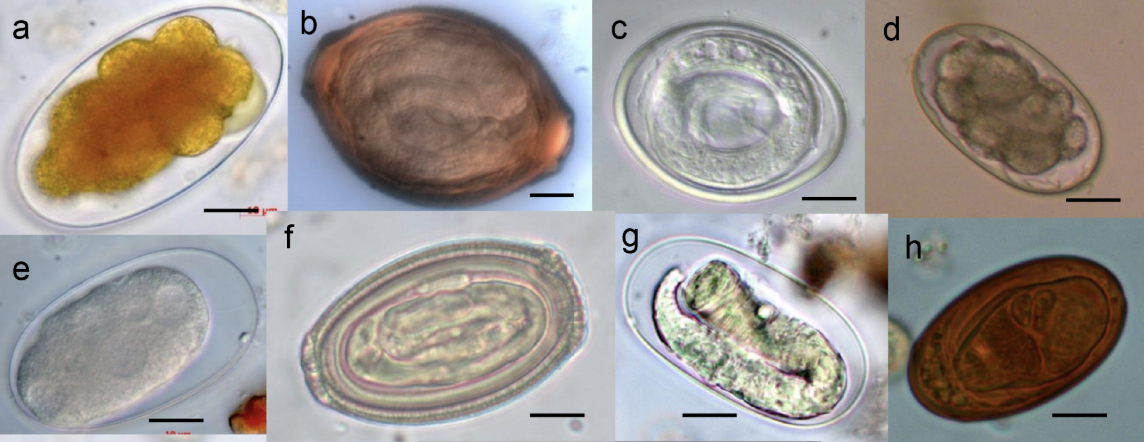
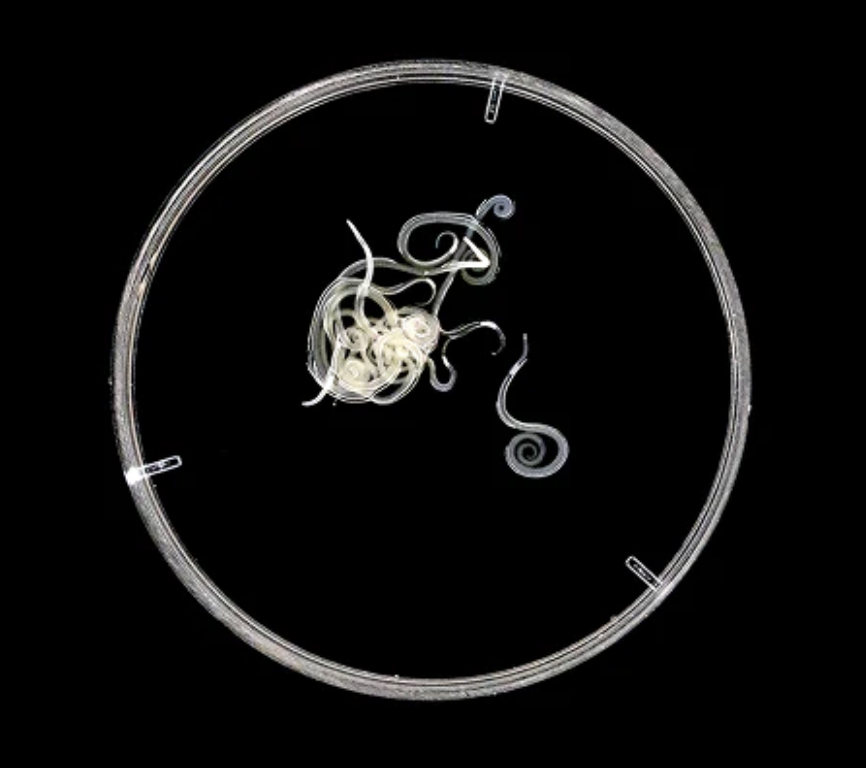
With the passage of time, the idea of parasites has been transformed. Modern people in the developed world often believe that parasites are associated with uncleanliness. But anyone who has confronted the problem of roundworms or pinworms head-on knows that cleanliness is not necessarily what gets rid of roundworms. Rather, heat plays a role. To reduce one’s worm-load quickly, one must dry clothing in a dryer (to heat up the clothes) and also steam bedding and the floors around the beds. Steaming things does not necessarily make them “clean”, but it does kill the roundworm and pinworm eggs.
Indeed, if you have cats or dogs and you walk outside in your lawn or on your sidewalk, it’s possible to get a hookworm infection through the skin. Larvae pass through the skin directly into the bloodstream to produce the infection.

Click here to schedule a health coaching call with us.
Parasites are creepy like this and if you end up with a parasite infection, you wouldn’t be alone in feeling paranoid about these little creatures. They seem to be everywhere! But one of the key things to remember when you begin working to overcome a parasite infection is that your body benefits from having a diverse ecology that includes a few parasites, particularly helminths. Without a few helminths in your digestive system, it’s likely that you’d develop severe, possibly crippling allergies. This is why we talk about “worm-load” rather than “infection”. Having a heavy worm-load is undesirable. If you have a heavy worm-load, your goal will be to reduce it and produce a state of balance, not total obliteration of the worms.
Sporozoa / protozoa are different. They operate more like an infection in the body. But be aware that there are common bacterial infections like Streptococcus pyogenes that can produce symptoms that are similar to those of a parasite infection. Indeed, Streptococcus pyogenes can live in the body for a long time, colonizing organs or tissues and causing insidious symptoms. But luckily, Cinchona officinalis and Artemisia annua are an excellent treatment not only for sporozoa infections, but also Streptococcus pyogenes. Indeed, both of these herbs are also powerful helminth treatments.
Click here to learn more and subscribe to the Living Database now.
How and Why Parasite Infections Happen
Most patients in the modern world believe that intestinal worm parasite infections happen as a result of exposure. They are exposed to the parasite and then, as a result of that exposure, the body becomes “infected”. But as I just noted above, helminths (worms), are often present in our digestive system in small numbers all the time. In fact, we need them there! So, if we already have some intestinal worms in our bodies, exposure doesn’t explain how or why we end up with a “heavy worm load”.On the other hand, protozoal infections like malaria or Cyclosporiasis do involve exposure. Malaria is injected into the body through mosquitos. Cyclosporiasis is transmitted through infected food that contains feces.
Liver flukes are practically ubiquitous, yet not everyone who is exposed to liver flukes ends up with schistosomiasis, for example. This is similar to the fact that not everyone who is exposed to influenza, gets influenza. Terrain theory is one model that’s been used to succinctly explain the idea that a person’s overall health or their “terrain” either makes them vulnerable to infection or it protects them from infection. In other words, the treatment of parasites is always going to involve rebuilding the body’s “terrain” to make it more resistant to infection as well as treatments to kill parasites.
There’s another component to the treatment of parasites that we want to mention here briefly because this component is not mentioned elsewhere, to the best of our knowledge, yet it’s relevant and important. When we work with health coaching clients, we look not just at the physical aspects of disease, but also emotional and spirituals facets of illness as well. Many people who suffer with a parasite infection also struggle with parasitic relationships. This isn’t a strict rule, but it’s something that we consider in our work with clients. A lot of the clients who contact us need help not just with physical, biological treatments to overcome parasites from the medical perspective, but also insight into how to release parasitic relationships and sacred indigenous medicines that can help a person reduce their spiritual vulnerability to people who might wish to suck on their energies.
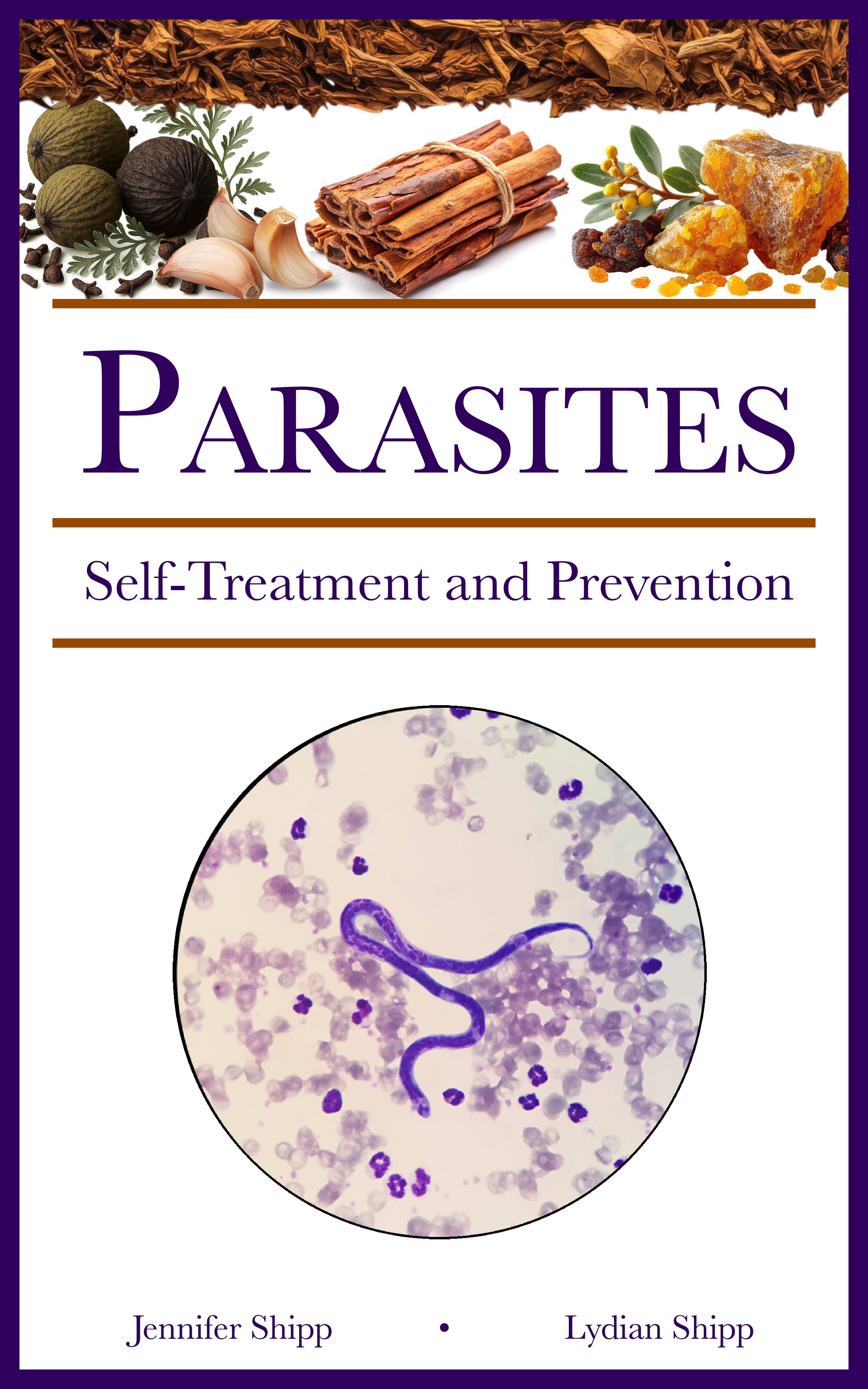
Parasites: Self-Treatment and Prevention - BUY THE eBOOK HERE!!!
Types of Parasites
Protozoa
Protozoa are microscopic, single-celled organisms that exist either as free-living entities in the environment or as parasites within a host. What makes them particularly clinically significant — and what distinguishes them from many other infectious agents — is their capacity to multiply inside the human body. That ability to replicate within the host does two things simultaneously: it ensures their survival, and it means that a serious, overwhelming infection can develop from the introduction of just a single organism. There is no minimum infectious dose in the way we might think of it with other pathogens. Malaria is one famous protozoa that causes serious disease. How protozoa move from one human host to another depends on where in the body they've taken up residence. Intestinal protozoa — those that colonize the human gut — are typically transmitted via the fecal-oral route. This can happen through contaminated food or water, or through direct person-to-person contact, and it's a transmission pattern that maps predictably onto inadequate sanitation, poor hygiene infrastructure, and crowded living conditions. Protozoa that live in the blood or tissues, on the other hand, require an arthropod vector to bridge the gap between human hosts — the bite of a mosquito, a sand fly, or another insect carrier is what puts them into circulation.How Protozoa Are Classified
The protozoa capable of infecting humans are organized into four groups based on how they move — which turns out to be a more meaningful distinction than it might initially appear, since motility reflects something fundamental about how these organisms navigate and survive within a host environment.- Sarcodina — the ameobas, of which Entamoeba is the most common example. These organisms move by extending and retracting pseudopods — temporary projections of their cellular body.
- Mastigophora — the flagellates, which use one or more whip-like flagella for locomotion. Giardia and Leishmania both belong in this category.
- Ciliophora — the ciliates, which propel themselves using dense arrays of hair-like cilia. Balantidium is the primary human pathogen in this group.
- Sporozoa — protozoal organisms whose adult stage is entirely non-motile. Plasmodium (the malaria parasite) and Cryptosporidium both fall into this category, which is a good reminder that a lack of structures like cilia or flagella at the adult stage is no barrier to causing devastating disease.
Protozoa: Additional Notes
In this introductory section, we also want to note that malaria infection is a protozoa that can produce an intermittent fever as well as symptoms that come and go. Cyclosporiasis infection is another common condition that produces symptoms that come and go. Symptoms that worsen and then that seem to abate are a common occurrence in parasite infections. Symptoms get better and the patient becomes hopeful that they’re overcoming the disease. Symptoms get worse and the patient becomes depressed and feels unable to conquer the illness. This parasite-rollercoaster causes patients to develop a sense of hopelessness over time if the patient doesn’t understand that even as the parasite load is lessening, symptoms are going to come and go. A journal that details the patient’s symptoms from day-to-day is absolutely essential to help the patient avoid feeling hopeless about treatment.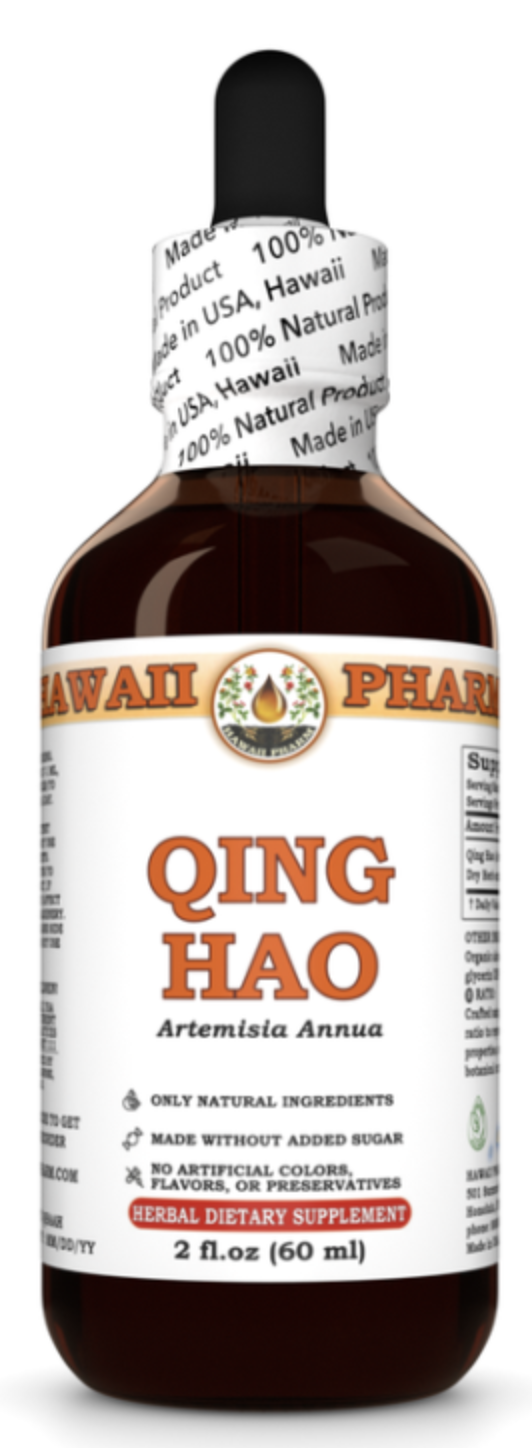
Click here to buy Artemisia annua / Qing Hao.
Major Sporozoa / Protozoa Pathogens in Humans
Below are some of the major sporozoa / protozoa pathogens that infect humans:-
- Plasmodium spp. (Causative agents of malaria)
- Plasmodium falciparum (Most dangerous, most common in Africa)
- Plasmodium vivax (Most widespread)
- Plasmodium spp. (Causative agents of malaria)
- Plasmodium malariae
- Plasmodium ovale
-
- Plasmodium knowlesi (Zoonotic malaria from monkeys)
- Toxoplasma gondii (Causative agent of toxoplasmosis)
- Cryptosporidium spp. (Causative agents of cryptosporidiosis)
- Cryptosporidium hominis
- Cryptosporidium parvum
- Cyclospora cayetanensis (Causative agent of cyclosporiasis)
- Cystoisospora belli (Formerly Isospora belli, causes isosporiasis)
- Entamoeba histolytica
- Babesia spp. (Causative agents of babesiosis, transmitted by ticks)
- Babesia microti
- Babesia divergens
- Giardia
- Sarcocystis spp. (Causes intestinal sarcocystosis)
- Sarcocystis hominis
- Sarcocystis suihominis
Helminths
Where protozoa are microscopic and single-celled, helminths are large, multicellular organisms — visible to the naked eye in their adult forms. Intestinal worms are helminths. Like protozoa, they can be either free-living or parasitic. But there's a critical difference in terms of how they behave once inside a human host: adult helminths cannot multiply within the body. Their life cycle requires interaction with the outside world. That single fact has significant implications for how helminthic infections escalate — or don't — and it shapes how we approach treatment and reinfection dynamics. The word "helminth" derives from the Greek word for worm. There are three main groups relevant to human parasitology:- Flatworms (platyhelminths) — this group includes the trematodes (flukes) and the cestodes (tapeworms), both of which have been covered extensively in the context of GI and hepatic disease.
- Thorny-headed worms (acanthocephalins) — adult forms reside in the gastrointestinal tract. The acanthocephala are considered to occupy an intermediate position between the cestodes and nematodes, evolutionarily speaking, though they are relatively rarely encountered in clinical practice.
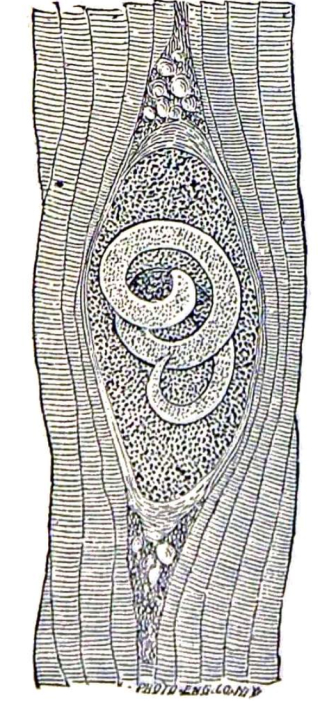
- Roundworms (nematodes) — adult nematodes can reside in the gastrointestinal tract, blood, lymphatic system, or subcutaneous tissues depending on the species. In some cases it's the immature larval stage, not the adult, that causes the clinical disease — through infection of various body tissues. Some classifications extend the helminths to include the segmented worms (annelids), though the only medically relevant annelids are leeches, which are not typically considered parasites in the conventional sense.
Helminths: Additional Notes
Another important consideration that deserves mention here is the fact that most helminths reproduce on a 30 day cycle. This is quite different from the trajectory of infection in cases involving bacteria or viruses. This approximate 30 day cycle (there is some minor variability in terms of the exact number of days from one intestinal worm to another) can create the illusion that a person is getting better – or that they’re getting worse (similar to what happens with protozoal infections). The roller-coaster of symptoms that seem to go away then that seem to come back with a vengeance can have a powerful psychological effect on humans, especially patients who are doing self-treatment without someone assisting them with the process and checking in on the patient’s progress. When we work with health coaching clients who have helminth infections, we take note of physical symptoms as well as emotional and spiritual issues that the patient is confronting as well. Often, patients can benefit from some form of Tobacco-based therapy which works through the nicotine in tobacco as a natural nicotinic receptor agent. Ivermectin is a nicotinic receptor agent that is famous for its ability to kill a wide range of different parasites. Tobacco is an important sacred indigenous medicine that is widely regarded as the first medicine among indigenous peoples throughout the world. It has both physical as well as emotional and spiritual effects on the body.Major Helminths in Humans
Human helminths (parasitic worms) are classified into three primary groups based on their body structure: nematodes / roundworms, cestodes / tapeworms / flatworms, and trematodes / flukes. Helminths live in the human gastrointestinal system, the blood, or in other areas of the body.Below are some of the common helminths that infect humans:
- Nematodes / Roundworms – cylindrical, non-segmented worms.
- Ascaris lumbricoides (Giant roundworm): Causes Ascariasis, the most common helminth infection worldwide.
- Enterobius vermicularis (Pinworm/Threadworm): Causes Enterobiasis; common in temperate regions, particularly in children.
- Necator americanus & Ancylostoma duodenale (Hookworms): Causes hookworm infection. Larva penetrate skin from soil, causing anemia.
- Strongyloides stercoralis (Threadworm): Causes the disease known as strongyloidiasis. Can lead to fatal hyperinfection in immunocompromised hosts.
- Trichuris trichiura (Whipworm): Causes Trichuriasis; a major soil-transmitted helminth.
- Dracunculus medinensis (Guinea worm): Causes the disease known as Dracunculiasis. Transmitted through contaminated water.
- Filarial worms (Wuchereria bancrofti, Brugia malayi, Onchocerca volvulus): Causes the disease known as lymphatic filariasis (elephantiasis) and river blindness.
- Trichinella spiralis: Causes the disease known as Trichinellosis/Trichinosis. Contracted via undercooked meat.
- Toxocara canis/cati: Causes the disease known as Toxocariasis (larva migrans).
- Cestodes / Tapeworms – these are segmented, flat, ribbon-like flatworms that usually live in the intestines, though they can also infect brain tissue to cause epilepsy symptoms.
- Taenia solium / pork tapeworm: Causes the disease known as taeniasis and severe Cysticercosis (cysts in tissues/brain that can be misdiagnosed as epilepsy).
- Taenia saginata (Beef tapeworm): Causes the disease known as taeniasis.
- Echinococcus granulosus / multilocularis: Causes the disease known as Echinococcosis / Hydatid disease (liver/lung cysts).
- Hymenolepis nana (Dwarf tapeworm): Common in children.
- Diphyllobothrium latum (Fish tapeworm): Contracted via raw fish.
- Trematodes / Liver Flukes – leaf-shaped, non-segmented flatworms
- Schistosomes (S. mansoni, S. haematobium, S. japonicum): Causes Schistosomiasis (Bilharzia); a major water-borne disease.
- Fasciola hepatica/gigantica (Liver fluke): Causes Fascioliasis.
- Clonorchis sinensis (Chinese liver fluke): Causes Clonorchiasis.
- Paragonimus westermani (Lung fluke): Causes Paragonimiasis.
- Fasciolopsis buski: Intestinal fluke.
- Acanthocephala / Thorny-headed worms
- Moniliformis moniliformis: Rare human infection.
Ectoparasites
The term ectoparasite can be applied broadly enough to include blood-sucking arthropods like mosquitoes — organisms that depend on a blood meal from a human host for survival — but in clinical and epidemiological usage, it generally refers more narrowly to organisms like ticks, fleas, lice, scabies, and mites. What distinguishes this narrower group is behavior. Arthropods attach to or burrow into the skin and remain there for relatively extended periods of time, often weeks to months, rather than taking a meal and moving on. Arthropods matter in two distinct ways. They cause disease in their own right — the direct tissue damage, inflammation, and hypersensitivity reactions that come from attachment, burrowing, and feeding. But their larger significance, epidemiologically, lies in their role as vectors. Arthropods are among the most efficient transmitters of pathogens in the natural world, and the diseases they carry — from malaria to Lyme disease to leishmaniasis — account for enormous morbidity and mortality across the globe.Ectoparasites: Additional Notes
Lydian and I both do a lot of dreamwork in which we have dreams that help us find information for our books or also sometimes for specific clients. At the same time, she and I are both compulsive seekers of scientific information. As such, we use our dream-data to find scientific studies that help us solve complex problems.In dreamwork, ectoparasites indicate that a person is under some kind of psychic duress, usually with some other living person (or sometimes a dead ancestor) who is acting like a spiritual vampire. Scabies and fleas also have a strong emotion-based component to the physical symptoms involved with infection. There is a strong irritation that’s impossible to ignore and a driving urgency combined with a sense of profound helplessness. In patients who are unable to find physical treatments to overcome their infection, we recommend sacred medicines to address potential, underlying spiritual causes that might be causing vulnerability in the physical body.
Major Ectoparasites in Humans
- Lice
- Ticks
- Scabies
- Bedbugs
- Fleas
The Burden of Parasitic Infection
Parasitic infections impose a staggering burden of disease across both tropical and subtropical regions and also in more temperate climates that are often assumed to be insulated from these threats. Parasite infections are not just a third-world issue. In fact, many people in the third world are well-aware of parasites and they have easy access to antiparasitic medications to do regular parasite cleanses once or twice yearly. First-world patients, in contrast, are often told by doctors that parasites are “rare” and when patients present with a parasite infection, doctors often can’t diagnose it or treat it properly for lack of training. Nonetheless, patients can treat themselves at home once they have a basic understanding of parasite infections. Diagnosis of the exact parasite infection may or may not be necessary if the patient can identify the category or type of parasite (i.e. helminth, protozoa, ectoparasite). Often patients can do self-treatment at home by simply observing their own symptoms and using powerful treatments that have worked for centuries to get rid of parasites, even in ancient people who lived in caves or who rarely bathed. Of all parasitic diseases, malaria remains the deadliest — killing more than 400,000 people each year, the majority of them young children in sub-Saharan Africa. There are cures for malaria and there are ways to prevent this disease. The herb Cinchona officinalis (which contains quinine) and Artemisia annua are a powerful combination treatment for malaria. We’ll discuss the value of these treatments for parasites in general in greater detail later. In the mainstream media, this combination treatment is downplayed in terms of its value and its power. Then there are the Neglected Tropical Diseases (NTDs) — a designation that says as much about the failures of global public health prioritization as it does about the diseases themselves. The NTDs include parasitic infections such as lymphatic filariasis, onchocerciasis, and Guinea worm disease. Collectively, they affect more than one billion people worldwide, concentrated largely in rural areas of low-income countries. The toll these diseases exact goes beyond mortality statistics. They impair children's ability to attend school, they stunt physical growth, they compromise cognitive development, they prevent adults from working, and they place a crushing economic burden on entire countries. These are not background conditions. They are active drivers of intergenerational poverty. Because these diseases don’t impact people who have money or “insurance” to pay for expensive treatments, they don’t get funding for research and drugs are not developed to target them. Meanwhile Big Pharma continues to colonize different areas of the world with their model of conventional medicine, stamping out traditional forms of medicine that have worked for centuries to treat parasite infections. This is not to say that synthetic pharmaceuticals have nothing to offer, but rather that the NTDs have become more of a burden on societies that have always had to deal with them because conventional medicine has disrupted access to traditional medicine while Big Pharma simultaneously fails to offer anything to patients who become afflicted with one of these parasitic diseases.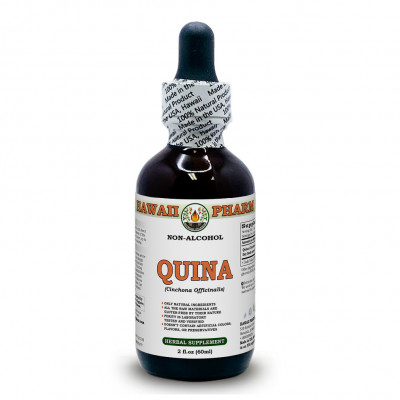 Click here to buy Hawaii Pharm's Cinchona Bark extract.
Summary
There are 3 basic categories of parasites:- Protozoa / Sporozoa
- Helminths
- Ectoparasites
In this book, we’ll focus primarily on the first two categories though we do provide some information about scabies treatment as well. We deal with Lyme disease and Toxoplasmosis in their own books dedicated exclusively to these topics.
Most patients have a sense of what type of parasite is causing their symptoms, but in order to be successful at treating a parasite infection, it’s important to know the reproductive life-cycle of the parasite and to understand detoxification / Herxheimer reactions as part of a cycle that will eventually lead back to good health.
Resources
CDC (2024). About Parasites. Retrieved March 16, 2026 from https://www.cdc.gov/parasites/about/index.html
Marie, C. and Petri, W. A. (2025). Overview of Parasitic Infections. Retrieved March 16, 2026 from https://www.msdmanuals.com/home/infections/parasitic-infections-overview/overview-of-parasitic-infections