Brown Adipose Tissue, Beta-Adrenergic Stimulation, and Fever Production
Click here to schedule a health coaching session with us.
In comparison with white fat cells, “beige” or “brite” fat cells (the white fat cells that are in the process of converting to brown fat cells) have more mitochondria and they also have more than one lipid droplet. They also express Uncoupling Protein 1 / UCP-1 and they appear to possess similar heat-generating abilities to classic brown fat cells. The transition from white fat to brown fat involves a metamorphosis through a stage of “beige-ness” that is meaningful and important in terms of weight loss and also in terms of restoring health following a major illness of any kind. In conventional medicine, beta-adrenergic drugs are sometimes prescribed to treat health problems that we’ve discussed here in terms of their relationship with brown adipose tissue, but these drugs tend to have serious side effects. Also, studies have shown that though these drugs are able to stimulate beta-adrenergic receptors, they do not stimulate brown fat tissue activity. We suggest, as an alternative, the use of beta-adrenergic herbs, many of which have been used in Traditional Chinese Medicine / TCM formulations to successfully treat health problems related to brown fat dysregulation. Be aware, however, that cold exposure and herbal treatment may not produce the same level of brown fat activation. Cold exposure is still likely superior to herbs in terms of promoting brown fat accumulation. Ideally, patients should work with both cold exposure treatments and herbal therapy to restore brown fat.Click here to learn more and subscribe to the Living Database now.
Below are beta-adrenergic herbs that can improve brown fat conversion to “beige” cells from white fat and that also improve brown fat function:- Astralagus membranaceus / Astralagus - Astralagus contains the natural compound known as formononetin in the root. Formononetin is noted for its ability to increase brown fat thermogenesis.
- Nelumbo nucifera / Lotus - Extracts from the lotus leaf are beta adrenergic agonists that have been shown to improve obesity and reduce body fat. Nelumbo nucifera can also be used as an herbal anti-psychotic agent.
- Citrus aurantifolia / Lime and Theobroma cacao / Cocoa - These two extracts can be combined to promote resting energy expenditure while reducing white fat. This combination promotes fat metabolism, indicative of beta-adrenergic activity.
- Berberis / Barberry contains berberine. Berberine is a natural fever-reducing substance that reduces inflammation to regulate body temperature.
- Coptis chinensis / Huanglian is an herb that clears heat while drying dampness. It promotes the change from white fat to “beige” or “browning” fat cells. This herb has a detoxifying effect on the body as well. It contains berberine, a powerful medicinal substance that has antimicrobial, anti-inflammatory, and metabolic effects that are relevant for digestive issues and infections.
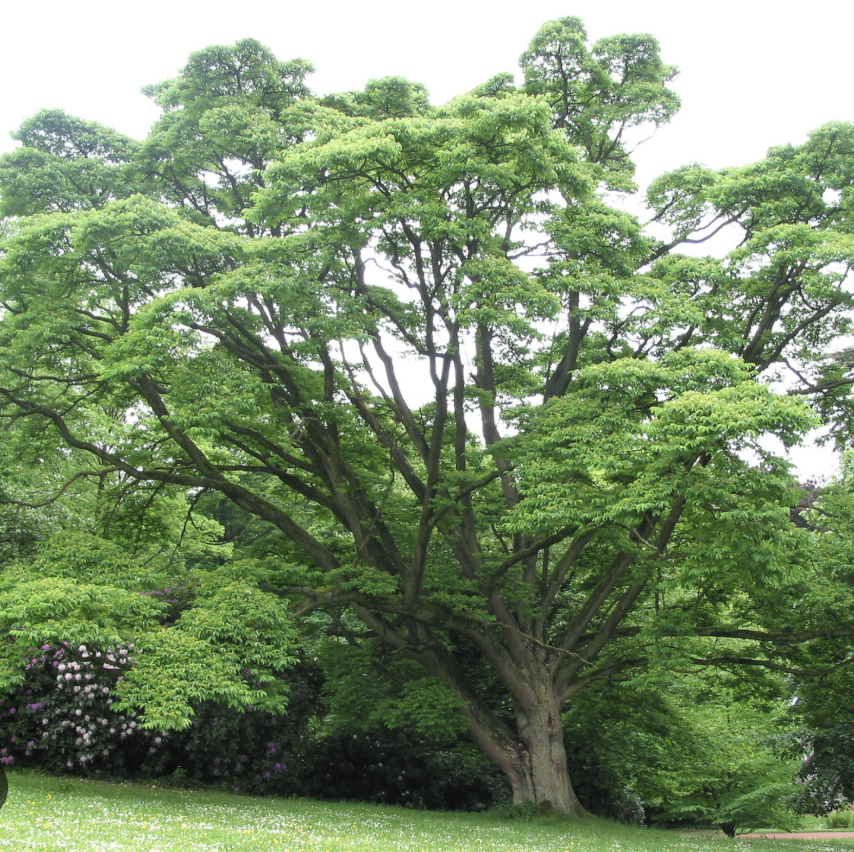
- Phellodendron amurense / Amur cork tree is used to break fevers naturally. It has a brown-fat-enhancing effects on the body too. It has a heat-clearing and drying effect on the body. In TCM it is considered “bitter and cold”.
- Pueraria lobata / Kudzu is an herb that acts a bit like the red wine fever-reducing remedy. It lowers fever through its insulin-like effects, delivering much-needed nutrients to cells that have gone into an insulin-resistant state (known as the Cell Danger Response) in response to infection. It has beta-adrenergic effects. Kudzu tea promotes brown fat activity dose-dependently (with higher doses promoting higher activity) and it triggers the formation of beige fat in inguinal fat tissues to improve overall glucose metabolism.
Click here to buy Pueraria lobata / Ge gen tincture.
Resources Buhlmann, E. et al. (2019). Puerariae lobatae root extracts and the regulation of brown fat activity. Retrieved April 14, 2026 from https://pubmed.ncbi.nlm.nih.gov/31476558/
Zhang, Q. et al. (2011). Preventive effect of Coptis chinensis and berberine on intestinal injury in rats challenged with lipopolysaccharides. Retrieved April 15, 2026 from https://www.sciencedirect.com/science/article/abs/pii/S0278691510006083
Lee, D. U. et al. (1996). Calcium channel blocking and alpha-adrenoreceptor blocking action of Coptidis rhizoma extracts and their alkaloid components in rat aorta. Retrieved April 15, 2026 from https://link.springer.com/article/10.1007/BF02986011
Liu, C. et al. (2016). Chinese Herbal Medicine on Cardiovascular Diseases and the Mechanisms of Action. Retrieved April 15, 2026 from https://pmc.ncbi.nlm.nih.gov/articles/PMC5130975/