Prostaglandins and Herbal Remedies for Pain
 Many of the endogenous substances in the body that are involved in the relief of pain are also, ironically, involved in the production of pain. Pain modulating substances like prostaglandins and substance P, for example, can produce or relieve pain and they can sensitize pain receptors to increase pain sensitivity in the body. In other words, pain is physiologically hard to pin down. What causes pain in one person may not be experienced as “painful” by someone else. We might say that pain is “subjective”, but speaking in physiologically (as opposed to psychological) terms, it might be more true to say that one person’s body may react to a pain-stimulus very differently than another person’s body. In the modern world, we tend to look with disdain at people who have a so-called “low pain tolerance”, but in fact, low pain tolerance is a physiological state, albeit a treatable one if you know what to do about it.
In the modern world, we think of the body a bit like it is a machine. We’ve been taught since our earliest years to view our body and other people’s bodies as essentially identical structures with identical functions that should produce identical results when exposed to any given stimuli. We expect, therefore, at a very deep level, that the individual body (your body, my body) should respond to the environment, heat and cold, light and dark, dryness and coldness, and all other stimuli that we encounter, in a manner similar to how everyone else’s body responds. But early stressors (either physiological or psychological) can set a course that causes a person’s body to respond uniquely on a physiological level to stimuli. Indeed, DNA and the genetic code plays a role, so we can assume that ancestral trauma and familial stressors play a role in how a person’s body responds to stimuli either with pain or without it. This unique physiological response is not, therefore, subjective, but rather physiological. One of the physiological processes that can become uniquely entrained to over-respond to certain stimuli has to do with prostaglandin production.
Many of the endogenous substances in the body that are involved in the relief of pain are also, ironically, involved in the production of pain. Pain modulating substances like prostaglandins and substance P, for example, can produce or relieve pain and they can sensitize pain receptors to increase pain sensitivity in the body. In other words, pain is physiologically hard to pin down. What causes pain in one person may not be experienced as “painful” by someone else. We might say that pain is “subjective”, but speaking in physiologically (as opposed to psychological) terms, it might be more true to say that one person’s body may react to a pain-stimulus very differently than another person’s body. In the modern world, we tend to look with disdain at people who have a so-called “low pain tolerance”, but in fact, low pain tolerance is a physiological state, albeit a treatable one if you know what to do about it.
In the modern world, we think of the body a bit like it is a machine. We’ve been taught since our earliest years to view our body and other people’s bodies as essentially identical structures with identical functions that should produce identical results when exposed to any given stimuli. We expect, therefore, at a very deep level, that the individual body (your body, my body) should respond to the environment, heat and cold, light and dark, dryness and coldness, and all other stimuli that we encounter, in a manner similar to how everyone else’s body responds. But early stressors (either physiological or psychological) can set a course that causes a person’s body to respond uniquely on a physiological level to stimuli. Indeed, DNA and the genetic code plays a role, so we can assume that ancestral trauma and familial stressors play a role in how a person’s body responds to stimuli either with pain or without it. This unique physiological response is not, therefore, subjective, but rather physiological. One of the physiological processes that can become uniquely entrained to over-respond to certain stimuli has to do with prostaglandin production.

Click here to schedule a health coaching session with us.
What do prostaglandins do?
Prostaglandins act as hormone-like signals in the body to initiate processes such as the healing of tissues. Unlike hormones, which are produced by endocrine glands though, prostaglandins are produced locally in a specific place where they’re needed to initiate a healing process that generally requires inflammation (nature’s splint), changes in blood flow or the formation of blood clots. Prostaglandins can also play a role in the production of a fever if the body deems a fever necessary. Though prostaglandins can produce very uncomfortable symptoms of pain, inflammation, and fever, they’re produced to initiate a healing response in the body. Prostaglandins play a number of different roles in the body including:
- Increasing pain in response to injury and infection - blocking prostaglandin production can reduce pain and fever.
- Blood vessel dilation or constriction
- controlling Raynaud’s syndrome when prostaglandins are administered via IV
- Constriction of the airways
- Producing inflammation
- Blood clotting
- Uterine contractions (during labor, ovulation, and menstruation)
- Helping to control and prevent postpartum hemorrhage and bleeding
- Prostaglandins can cause PMS and PMDD
- Fever production
- Maintaining the stomach lining and protection from ulcers
- Assisting with healing after illness and infection
- Repairing damaged tissues.
- Treating impotence in men
- Improving sperm function
- Regulating mucus production
- High levels of prostaglandins can cause low bone mass and bone fragility
- Treating glaucoma
- Improving gut bacteria by releasing inflammatory compounds
- Stimulating bowel movements
- Treating congenital heart disease in newborn infants
- Increasing allergic reactions
- Increasing autoimmune reactions
- Interfering with the normal process of healing when prostaglandin levels are either too high or too low
- Contributing to chronic pain conditions like arthritis
- Contributing to the development of cancer when levels are too high
- Causing diarrhea when released in large amounts
- prostaglandin (PG) E2 (PGE2)
- prostaglandin D2 (PGD2)
- prostacyclin (PGI2)
- prostaglandin F2α (PGF2α)

Click here to do a free trial of EMDR to Release Trauma.
Prostaglandins, the Endocrine System, Immune System, and the Autonomic Nervous System
Lydian and I regularly refer to the endobiogeny-model of the endocrine and autonomic nervous systems because this is the only system of medicine that adequately explains certain conventional medicine concepts without leading people into recursive and unproductive trains of thought. These two systems (the endocrine system and the autonomic nervous system) are viewed as separate and distinct in conventional medicine, but in endobiogeny, they are regarded as two sides of the same coin. Indeed, the endocrine system and the autonomic nervous system meet up directly at the adrenal glands and in the pineal gland to fluently communicate and coordinate activity throughout the body. In endobiogeny, the immune system is regarded as part of the autonomic-endocrine-immune super-system. In the body, amino acids like tyrosine act as precursors to dopamine, a neurotransmitter that plays a big role in decision-making, addiction-related behaviors, and our ability to be “parental” as adults. Dopamine deficiency in children plays a major role in ADHD and ADD symptoms. Dopamine, in turn, is the precursor for noradrenaline and then noradrenaline is the precursor to adrenaline. Adrenaline is released by the adrenal glands to produce a fight-or-flight response in the autonomic nervous system. As such, dopamine and its precursors tyrosine and L-dopa, play an important role in situations involving chronic pain. In most human tissues, prostaglandins, especially of the E-series, inhibit noradrenaline release to inhibit sympathetic neurotransmission. At the same time however, these prostaglandins may simultaneously enhance the tissue’s response to noradrenaline. Prostaglandins seem to have this noradrenaline impact via a restriction of calcium availability at the nerve endings and while the reduction in noradrenaline release is significant, it doesn’t seem to play a major role in modulating noradrenaline release generally throughout the body. In fact, in healthy individuals, prostaglandins facilitate, rather than inhibit, noradrenaline release and the inhibition of prostaglandins themselves can decrease noradrenaline release overall. Noradrenaline plays a big role in the body’s stress response, states of attention and alertness, so this is important information for those who experience brain fog or anxiety as a part of their chronic pain package. Noradrenaline reduction is, in other words, part of a process in the body that leads to the production of a fight-or-flight response which demonstrates, in turn, that prostaglandins also play a role in fight-or-flight states of arousal associated with big stressors and trauma. Noradrenaline, increases heart rate, blood pressure, and blood sugar levels while improving focus and memory. At the same time though, when released in excess or at inappropriate times, noradrenaline can also cause anxiety and restlessness. Everything You Never Wanted to Know About the Treatment of Chronic Pain... and How to Avoid Painkillers That Will Eventually Kill You - BUY HERE!!!
The Prostaglandin Paradox in Regard to Pain
Prostaglandins play a role in the production of pain. Inhibiting them can reduce pain in the body, but at a cost. One of the areas of the body where prostaglandins are found in high concentration is the stomach lining. In the stomach, prostaglandins provide a protective coating against high acid levels to prevent ulceration in stomach tissues. So if you inhibit the production of prostaglandins using medicines like NSAIDs, the stomach lining is at risk for ulceration and bleeding.While NSAIDs increase the risk of gastrointestinal bleeding, salicin-containing herbs like white willow / Salix alba, in contrast, do not have this same dangerous side effect, yet they still act to control prostaglandin levels. Though white willow is more famous as an herb that reduces prostaglandin levels to decrease pain naturally, in fact, meadowsweet / Filipendula ulmaria is more powerful as a pain-relieving herb that reduces prostaglandin levels while producing few side effects.
Heimia salicifolia, also known as Yukutuchi or Sinicuichi, is a sacred medicine that contains salicin. The name “Yukutuchi” means “ligament explosion” because this sacred medicine produces a “trip” that typically involves muscle cramping and ligament pain. But this herb also has pain-relieving effects on its body through its salicin content.
For arthritis pain, the salicin-containing herbs are a good choice for pain relief, but be aware that they take some time to produce their full effect. People may need to take any of the salicin-containing herbs for up to 2 weeks before they achieve the full level of pain relief possible using these herbs.
Heimia salicifolia, is usually administered in larger doses infrequently, in contrast to the other salicin-containing herbs. Heimia salicifolia is a sacred medicine that is supposed to help people gain access to past lifetimes in order to produce some important change in the present lifetime. For readers who are interested in the emotional-spiritual aspects of pain, Yukutuchi as a plant medicine offers an interesting commentary as a pain-relieving herb that works by accessing past lifetimes wherein we may not have successfully resolved certain issues.
Prostaglandins, Histamine, and Stomach Acid Levels
Sometimes prostaglandins inhibit stomach acid secretion. Sometimes they stimulate acid secretion. Histamine, on the other hand, typically stimulates stomach acid secretion. Take note of the fact that prostaglandins and histamine both meddle with stomach acid secretion and both substances also deal with pain. We’ve already discussed the enterochromaffin cells in the stomach and the fact that they produce serotonin. Serotonin, in turn, acts to prolong rest-and-digest states, when they occur as opposed to prolonging or intensifying fight-or-flight states in the body. So the stomach, the enterochromaffin cells, and serotonin specifically does play a role in pain relief and pain prevention through the release of serotonin to prolong healing states of rest-and-digest. But enterochromaffin cells also function to modulate the gut-brain axis to exert a general influence over everything from cognition to metabolism.Prostaglandins modulate stomach acid secretion by preventing an increase in cyclic AMP (cAMP) within cells that line the stomach. Modulation of stomach acid secretion occurs as a result of histamine blockage. In other words, prostaglandins inhibit histamine to alter stomach acid secretion. As such, prostaglandins and histamine oppose each other in terms of their effects on stomach acid. Prostaglandins likely also play a role in the secretion of bicarbonate and mucus in the stomach, based on research involving prostaglandin administration from outside source. And then bicarbonate and extra mucus protects the stomach lining from ulceration and injury. Prostaglandins also alter blood flow to the stomach lining and provide protection against agents that can cause damage to the stomach lining. This is why NSAIDs like aspirin, ibuprofen, and diclofenac (among others) are so damaging and dangerous when taken chronically. They inhibit prostaglandins which leaves the stomach lining vulnerable to the corrosive effects of hydrochloric acid.

Click here to learn more about the DreamLight.app, an online guided meditation and brain-entrainment tool.
Prostaglandins, Fever, Hot Flashes, Anxiety, and Itch
While chronic pain is often (but not always) a manifestation of the sympathetic fight-or-flight response, fever is often (but not always) a manifestation of the parasympathetic “freeze” response. Of course, some types of fever involve a lot of bodily pain so this is not a strict rule, but rather something to consider in terms of your own pain as you read this material. Other types of fever can produce a somnolent, relaxed (albeit exhausted) state in the body. Not all fevers are created equal.Indeed, body temperature regulation is complex. Women who are going through menopause, for example, often experience a period where they go through hot flashes that feel similar to a fever that’s breaking. And pre-menopausal women, of course, experience a mild, but significant body temperature increase during ovulation. During a menopausal hot flash, the autonomic nervous system, including noradrenaline and serotonin produce blood vessel dilation in response to a reduction in estrogen levels. During ovulation, core body temperature is increased by 0.3 to 0.7 degrees Celsius immediately after ovulation when progesterone levels are high. This body temperature change doesn’t involve prostaglandins, but instead involves the autonomic nervous system and neurohormones like noradrenaline and serotonin responding to changes in reproductive hormones like estrogen and progesterone.
Body temperature, as such, is not solely regulated by prostaglandins, but prostaglandins play a role in producing fevers caused by infection. Prostaglandin E1 and E2 receptors have the most pronounced fever-producing effects including the production of cold shivers, goosebumps, blood vessel constriction, and a rise in deep body temperature. Essentially, prostaglandins increase the production of heat in the organs while decreasing heat loss at the surface of the skin by constricting blood vessels.
Flushing of the skin without core temperature increases can happen when a person is stressed, anxious, or embarrassed, but this same type of vasodilation can be provoked using vitamin B3 / niacin. High dose niacin (500 mg or more taken as one dose) activates a cascade that includes prostaglandin production. High dose niacin and subsequent flushing may, at times be uncomfortable, but it can also have pain-relieving effects in those with arthritis and neuropathic pain in part because it naturally reduces inflammation. Niacin-induced flushing seems to be mediated through prostaglandins produced in bone-marrow cells such as platelets and dendritic cells.
Prostaglandins lower the itch-threshold when in histamine-provoked itching. Histamine and other mediators might produce an “itch” through direct action, but low-concentrations of prostaglandins might provoke a stronger and more compelling experience of an “itch”. In other words, if your prostaglandin levels are low, histamine-release might be more likely to produce a stronger, potentially more uncomfortable itching sensation on the skin. Prostaglandins likely modulate a person’s threshold-response to inflammation and also itch.
Essentially, prostaglandins play a role in many conversion functions involving blood vessel dilation, pain, itch and inflammation. Though NSAID drugs like aspirin and ibuprofen have taught us to loathe prostaglandins and try to suppress them as one of the primary, non-opioid options for pain-relief, in fact, when we suppress prostaglandins, we also suppress general healing. Though hot flashes are ultimately tied more to autonomic nervous system function than to prostaglandins, prostaglandins play an intermediary role in the autonomic nervous system response (in this case to minor temperature increases in the body due to reproductive hormone changes). Prostaglandins and histamine work together and at times they synergize and amplify pain or inflammation, at other times prostaglandins and histamine work against each other in a counterbalancing fashion. As we’ve talked about elsewhere, the use of antihistamines can be counterproductive, in part because of the complexity of how histamine works with other substances like prostaglandins. Prostaglandins, on the other hand, can be a useful target to relieve certain types of pain, its true but when we target prostaglandins using drugs like aspirin or ibuprofen or any of the NSAIDs, we risk digestive system damage and blood thinning side effects. Also, we risk inhibiting a substance that ultimately works on our behalf to help us heal the body. Natural prostaglandin inhibitors like the salicin-containing herbs, for example, don’t have the same side effects as NSAIDs in terms of their relationship to prostaglandins, yet they still provide pain-relief.
Scientists have examined, for example, this intermediary function in the development of chronic pain disorders or like Complex Regional Pain Syndrome / CRPS for example noting that prostaglandins may act as a pain-producing cofactor in CRPS and other, similar chronic pain conditions, at sites that have had minor injuries in the past. One theory notes that hormones such as those released by the endocrine system, are “slow” to act and therefore function to stabilize the body’s response to the environment. On the other hand, the nervous system is “fast” and it can produce a high-speed reaction to the environment. Both the slow and fast response to a painful or inflammation-producing stimuli is important. We need to pull our hand away from the fire, but we need to then be able to think and act with intention, which requires the body to slow down and calm itself. Prostaglandins may be viewed, in this regard, as an intermediary to link slow-hormone and fast-nervous reactions to the environment.
Prostaglandins and prostaglandin production involves feedback loops wherein prostaglandin production may be controlled by the prostaglandins themselves or by other factors that they influence in the body. For example, prostaglandins may stimulate or inhibit their own production or the production of other elements in the body that, in turn, increase or decrease prostaglandin production. In a negative feedback loop where the presence of prostaglandins reduces prostaglandin production in the body, prostaglandin production may become dysregulated. In a positive feedback loop (prostaglandin production is built into both positive and negative feedback loops), prostaglandin production may become overly amplified as prostaglandins beget more prostaglandins. So, at this juncture, we have to acknowledge that the use of NSAIDs to work with prostaglandins is often not the right choice, however, I would argue, there might be a time and place to use these medicines sparingly. Because prostaglandins can “go off the rails” as a substance belonging to both positive and negative feedback loops that lend themselves to (either frequent or occasional) dysregulation, NSAIDs might be useful on an infrequent or irregular basis to treat prostaglandin-related pain that is not chronic.
However, for chronic pain conditions, the salicin-containing herbs are a better choice. Given, these herbs don’t provide immediate relief, but they do allow prostaglandins to still do healing work in the body on your behalf. Rather than providing immediate relief, the salicin-containing herbs reduce pain in a cumulative effect over the course of 1 to 2 weeks of initial treatment at a relatively high dose (in comparison with NSAIDs which are typically administered as small pills, usually one or two of them given every few hours). But salicin-containing herbs don’t provoke the same adverse effects as NSAIDs so you can and should take them daily and overnight so as to retrain your prostaglandin-loops, to the extent that prostaglandin is a part of your pain condition. Most people who are reading this book won’t be sure about whether their pain condition is related to prostaglandin dysregulation or not and that’s okay. To diagnose whether prostaglandins play a major role in your pain condition, work with one of the more powerful salicin-containing herbs that’s available in your country at a price that’s affordable to you. meadowsweet / Ulmaria filipendula is one of the more powerful of the salicin-containing herbs, but all of them have a legitimate and important effect not just on pain and inflammation, but also on the body’s overall healing process. Ironically, while NSAIDs drugs taken regularly and often will slowly erode away at your stomach lining to produce ulcers that could eventually bleed and kill you, meadowsweet is an herb that heals ulcers and that helps the stomach become more healthy overall. The paradox that the synthetic drug aspirin produces stomach problems and that meadowsweet, the herb from which aspirin is derived, can heal stomach problems deserves emphasis here. If you are working to heal chronic pain, choose salicin-containing herbs, and use NSAIDs only up to once monthly if you have a serious pain or inflammation issue that goes beyond what the salicin-containing herbs can treat.
Also, give the salicin-containing herbs time to work as they seem to have a rebalancing effect on prostaglandin levels, but their efforts require time and consistent dosing. Though doctors will tell you to take NSAIDs and herbalists will tell you to take only herbs, our assessment is that both NSAIDs and herbs have their place in pain treatment, but you have to know when and how to often, and at what dose to use these medicines for chronic pain.
Arachidonic Acid and Prostaglandin Production
Prostaglandins are produced from arachidonic acid. Arachidonic acid is an omega-6, polyunsaturated fatty acid that plays a role in cell membrane “bounciness” and fluidity. Without membrane fluidity created by arachidonic acid, cells are rigid, inflexible, terse, and unwilling and unable to communicate with other cells. We might think of cells that lack a proper amount of arachidonic acid as uptight, cold, and reactive. On the other hand, cells that have plenty of arachidonic acid and omega-6’s tend to be more easy-going and able to “bounce back” from minor or major insults. You can imagine that in a community of cells, if even one cell is “grumpy” or unwilling to communicate with other cells, this could produce disharmony within the entire community of cells over the course of time.
Our cells, after all, are a holographic representation of our bodies as a whole. As holistic beings, we want to be easy-going, willing to communicate clearly with loved ones, and yet we want to have sufficient boundaries between us and the environment around us. As we’ve discussed in regard to histamine and allergies, we need to be able to identify Self from Non-Self entities in order to be healthy and happy. Identification of Self vs. Non-Self helps us stay healthy not just on a physical, but also on an emotional and spiritual level.
Arachidonic acid is found in the cell membranes and it is produced from linoleic acid in the diet. The Budwig smoothie is a very easy way to supplement the diet with linoleic acid. Note that healthy linoleic acids are found in vegetable oils that have been packaged in darkly-colored glass (as opposed to plastic and transparent glass containers). Light exposure degrades oils and oils also degrade plastic so you want to avoid oils that are found in transparent or plastic packaging. For pain control, the oils that you cook with and consume matter in terms of type and preparation of the oils because of their role in producing either “grouchy” or “happy andhealthy” cells. Organic, high-lignan flaxseed oil is a good choice as well as organic walnut, organic cold-pressed grapeseed oil, or extra-virgin olive oil.
Prostaglandins are just one type of “eicosanoids”, a family of lipid-based signaling molecules derived from arachidonic acid and polyunsaturated fatty acids (PUFAs). Diet in general plays a role in the production of prostaglandins and a person can use diet to control pain and inflammation to balance prostaglandin production. We often recommend that people combine the daily administration of salicin-containing herbs with a daily protocol of Garcinia kola administration and dietary changes. As a protocol for chronic pain, this method, when administered for at least 6 months, offers moderate to high level of pain-control, the opportunity to heal the stomach lining if it has been damaged (stomach lining ulcers produce a significant amount of pain in the back and shoulders, as it turns out), and reproductive hormone balancing. This is a good place to start for a lot of people who have chronic pain and who have suffered for a long period of time without relief.
We recommend this prostaglandin-based protocol so that people can heal their bodies and not ignore their pain entirely, which is something that can happen if you take the pain away without paying attention to the underlying root cause of pain. An herb like kratom / Mitragyna speciosa can provide yet another layer of pain relief by working with the opioid receptors, but pain-relief by itself, without an underlying treatment to heal the root cause can be addictive. On the other hand though, people who have worked with kratom as a pain reliever while simultaneously working on themselves to heal the source of the chronic pain, tend to have no issue with kratom and addiction. In theory, if you’re the type of person who can appreciate the value of healing the root cause, you could work with kratom / Mitragyna speciosa for pain along with Garcinia kola and salicin-containing herbs. This is a powerful pain-relieving protocol that also heals the body slowly over time such that, in some cases of chronic pain, eventually, you won’t need pain-relievers.
Prostaglandins and Chronic Pain Relief
Prostaglandins are substances that are similar to hormones that play a role in both pain and inflammation. They are produced in response to injury or infection and they play a role in the production of inflammation and redness, pain, and fever. Though these symptoms are undesirable, in fact, they are a part of the healing process and as such, prostaglandins are also a part of the healing process. You need them in order to heal, but prostaglandins “go off the rails” much like histamine which is where the salicin-containing herbs come into the equation.If prostaglandins are produced in excessive quantities or for a prolonged period of time, the pain receptors in the body can become more sensitive to stimulation. Prostaglandin levels that are too high can lead to issues like painful periods / dysmenorrhea, arthritis, fibromyalgia, carpal tunnel syndrome, Complex Regional Pain Syndrome / CRPS, and a variety of other chronic pain-conditions. Nonsteroidal Anti-inflammatory Drugs / NSAIDs are used to block the production of prostaglandins for pain relief, fever reduction, and the reduction of inflammation. They can reduce pain, but they produce dangerous side effects so they shouldn’t be administered chronically for long periods of time. NSAIDs inhibit the production of prostaglandins so they can, theoretically reign in a prostaglandin over-reaction. But they don’t balance prostaglandin production. Salicin-containing herbs do this work though. And if you work with an herb like Garcinia kola at the same time to balance reproductive hormones, autonomic nervous system related pain (which is related to hot flashes, flushing, itch, and fever) can also be balanced too. This balancing act takes time to accomplish. You may not notice a big change in your physiology within the first 3 weeks of treatment. You might notice moderate to high pain relief depending on the source of your pain and if you do, this indicates that your pain is, indeed, due to prostaglandin-response imbalances. If you decide to work with kratom, allow yourself to at least notice the changes that take shape over the first 30 days of treatment with salicin-containing herbs, diet changes, and Garcinia kola. If prostaglandin imbalances are a part of your symptom picture, it’s important to invest time into the process of overcoming this issue.
Prostaglandins for Women’s Chronic Pain and Uterine Health
Prostaglandins play a role in uterine contractions. They are involved in the production of uterine contractions associated with menstruation as well as with the onset of labor. During a woman’s period, prostaglandin production triggers uterine contractions to expel the uterine lining, for example. High prostaglandin levels are associated with severe menstrual cramping and pain. Pharmaceutical products like Motrin that include NSAIDs like ibuprofen, diclofenac, and others can cause damage to the stomach lining and they can promote prostaglandin imbalance that makes it hard for the body to heal. This sets women up to experience chronic pain as a result of general tissue damage.
Prostaglandin E2 (PGE2) is essential for cervical ripening and the onset of uterine contractions for labor. They impact receptors in the uterine muscle to induce contractions during labor, but also during menstruation. You need prostaglandins in order to have healthy periods. They affect maternal blood pressure and blood flow to the uterus and the fetus and as such, they play a role in health issues like pre-eclampsia and eclampsia. PGE2 can be used to induce labor.
If you have menstrual pain, chronic pain due to endometriosis or Polycystic Ovarian Syndrome / PCOS, then the salicin-herbs are important for you as well as Garcinia kola. The combination of diet changes, salicin-containing herbs to rebalance prostaglandin levels, and Garcinia kola to rebalance reproductive hormones can be life-changing. For those with a known reproductive hormone imbalance, this protocol should be continued for no less than 6 months to 1 year for best results. Lugol’s iodine should also be administered daily in women with reproductive hormone issues.
NSAIDs for Pain Relief
NSAIDs are used as pain-relieving medication to reduce inflammation and fever. They work by blocking the production of prostaglandins by modifying the enzyme COX. Drugs like aspirin and ibuprofen work through this mechanism of action to reduce pain, fever, and inflammation. Our stance on NSAIDs is that they currently still have a vital role to play in pain reduction, but they should be administered very infrequently and at relatively low doses. NSAIDs can be used when prostaglandin production has gotten really out of control and a major pain event occurs that does not involve a lot of bleeding. In other words, if you have chronic pain, and you’re working with the salicin-containing herbs, diet, and Garcinia kola to overcome it permanently, and in the midst of this process, you develop an excruciating headache when your mother-in-law comes to visit, taking an NSAID is probably okay. Limit NSAID use to once a month though because NSAIDs will actually diminish the results of working with salicin-containing herbs.Herbs That Reduce Prostaglandin Production for Pain Relief
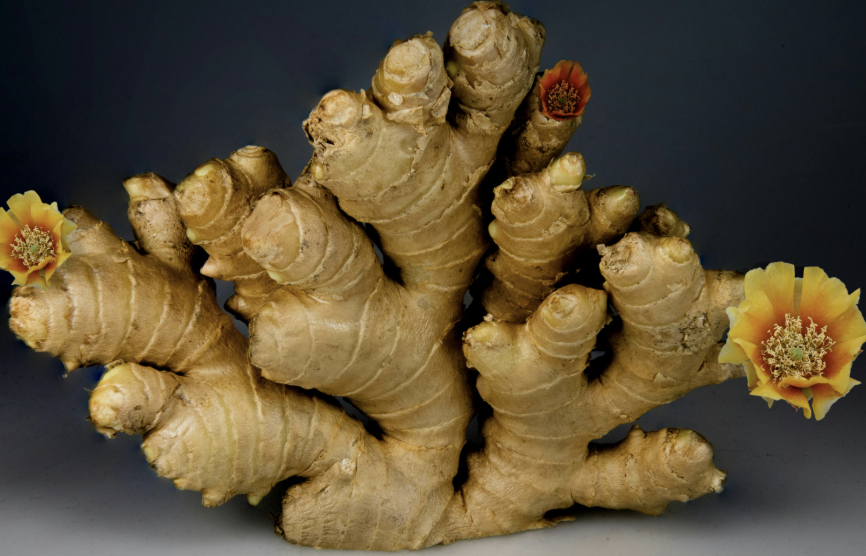
White willow / Salix alba and the other salicin-containing herbs like meadowsweet / Filipendula ulmaria reduce prostaglandin-production without producing the same negative side-effects as aspirin. Indeed, these herbs can heal the stomach lining after aspirin use destroys it. These herbs also sometimes have a delayed effect wherein it can take a week or longer of daily doses for them to demonstrate their full medicinal benefits in the body. Administer the proper dose of these herbs. Herbs are generally “high-volume” medicines that must be administered in relatively large quantities in comparison with synthetic pharmaceuticals. Be consistent with your dosing and stick with it for at least 3 weeks or you may not realize the full benefits in terms of pain relief, which builds day-by-day through its effects on prostaglandin balancing. Another simple herbal remedy that can help balance prostaglandin production and the body’s response to prostaglandins are black tea and green tea. Black tea and green tea may also help with improving energy levels. Choose caffeinated versions of either of these teas, but we recommend that you also take Mucuna pruriens twice daily with these teas so that your body does not become dopamine-deficient. As we’ve discussed elsewhere, dopamine plays a role in the histamine pathways that impact pain too, so its important to take care of your dopamine levels if you’re drinking these caffeinated teas. Note in regard to caffeine, however, that drinking coffee and other caffeinated beverages can increase pain levels. Organic coffee enemas, on the hard, can reduce pain in the body significantly via their cleansing effects on the liver and gallbladder. Celery seed extract / Apium graveolens is another herbal remedy for chronic pain conditions that inhibits inflammation through a mechanism of action similar to NSAIDs except without the unwanted side effects involving gastrointestinal bleeding and blood thinning. Celery seed extract, unlike NSAIDs, seems to have a protective effect on the stomach lining. Administer celery seed extract at a dose of 1-2 grams twice daily. Reduce this dose in half after two weeks of treatment and continue taking it to maintain the anti-inflammatory effects of the herb. Ephedra sinica is another herb that also inhibits prostaglandins, but ephedra in above-normal doses can cause gastrointestinal damage similar to aspirin and NSAIDs. Indeed, studies have shown that while ephedra can act as a painkiller at least in part because of its ability to inhibit prostaglandins, with ongoing use at high doses, it can also inhibit the blood supply to the stomach to cause serious health issues. Ephedra has its place in pain control, fever reduction, and allergy treatment to rebalance the autonomic nervous system, the histamine response, and the prostaglandin response, but this herb, like NSAIDs should be used only sparingly for best results. Zingiber officinalis / ginger is another anti-inflammatory herb for pain relief that works by inhibiting prostaglandins. Ginger prevents prostaglandin production by inhibiting both COX-1 and COX-1. It also inhibits leukotriene production by inhibiting 5-lipoxygenase which gives it a better therapeutic profile than NSAIDs. While NSAIDs can cause gastrointestinal hemorrhaging, ginger does not cause this side effect. Ginger extracts that are standardized at 5% or more of gingerol along with Alpina galanga (an herb, also known as “galangal root” in the same family with ginger) can inhibit the activation of genes that are involved in cytokines, chemoquines, and COX-2 as agents involved in inflammation.
Click here to subscribe to the Living Database now.
Resources:
• Levy, J. (2019). How to Control Prostaglandin Production: Do’s and Don’ts. Retrieved July 26, 2025 from https://draxe.com/health/how-to-control-prostaglandin-production/
• Cohen, M. M. (1987). Role of endogenous prostaglandins in gastric secretion and mucosal defense. Retrieved July 26, 2025 from https://pubmed.ncbi.nlm.nih.gov/3040310/#:~:text=Prostaglandins%20are%20found%20in%20high,which%20cause%20acute%20mucosal%20damage.
• Ivanov, A. I. and Romanovsky, A. A. (2004). Prostaglandin E2 as a mediator of fever: synthesis and catabolism. Retrieved July 27, 2025 from https://pubmed.ncbi.nlm.nih.gov/14977603/
• Ivanov, A. I. et al. (2002). Prostaglandin E(2)-synthesizing enzymes in fever: differential transcriptional regulation. Retrieved July 27, 2025 from https://pubmed.ncbi.nlm.nih.gov/12376404/
• Gullner, H. G. (1983). The interactions of prostaglandins with the sympathetic nervous system – a review. Retrieved July 27, 2025 from https://www.sciencedirect.com/science/article/abs/pii/0165183883900176
• Battaglia, B. et al. (2019). Clinical Effects of the Extract of the Seeds of the Indian Celery – Apium graveolens – In Horses Affected by Chronic Osteoarthritis. Retrieved July 27, 2025 from https://pmc.ncbi.nlm.nih.gov/articles/PMC6720213/#:~:text=Therefore%2C%20CSE%20composition%20allows%20the,as%20the%20CSE%20is%20administered.
• Lillegard, J. B. and Porterfield, J. R. Jr.(2010). Ephedra-Induced Gastric Mucosal Injury. Retrieved July 27, 2025 from https://pmc.ncbi.nlm.nih.gov/articles/PMC2988902/
• Song, H. J. et al. (2008). A Case of Ischemic Colitis Associated with the Herbal Food Supplement Ma Haung. Retrieved July 27, 2025 from https://eymj.org/DOIx.php?id=10.3349/ymj.2008.49.3.496
• Grzanna, R. et al. (2005). Ginger – an herbal medicinal product with broad anti-inflammatory actions. Retrieved July 27, 2025 from https://pubmed.ncbi.nlm.nih.gov/16117603/
• Mohiuudin, E. et al. (2011). Medicinal Potentials of Alpinia galanga. Retrieved July 27, 2025 from https://www.researchgate.net/publication/260210914_Medicinal_potentials_of_Alpinia_galanga#:~:text=Abstract,galanga.&text=Content%20may%20be%20subject%20to%20copyright.&text=Faculty%20of%20Eastern%20Medicine%2C%20Hamdard%20University%2C%20Karachi%2C%20Pakistan.&text=Faculty%20of%20Pharmacy%20and%20Alternative,Islamia%20University%20of%20Bahawalpur%20Pakistan.&text=University%20College%20of%20Pharmacy%2C%20The,of%20Punjab%20Lahore%2C%20Pakistan.&text=Department%20of%20Pharmaceutical%20Sciences,Information%20Technology%2C%20Abbottabad%2C%20Pakistan.&text=School%20of%20Pharmacy%2C%20The%20University,Campus%2C%20Islamabad%2C%20Pakistan.
• Srivastava, K. C. and Mustafa, T. (1989). Ginger (Zingiber officinale) and rheumatic disorders. Retrieved July 27, 2025 from https://pubmed.ncbi.nlm.nih.gov/2501634/
• Bellono, N. W. et al. (2018). Enterochromaffin cells are gut chemosensors that couple to sensory neural pathways. Retrieved October 2, 2025 from https://pmc.ncbi.nlm.nih.gov/articles/PMC5839326/
• Dousa, T. P. et al. (1967). Interrelationships Bertween Histamine, Prostaglandins, and Cyclic AMP in Gastric Secretion: A Hypothesis. Retrieved October 2, 2025 from https://www.gastrojournal.org/article/S0016-5085(19)31733-0/fulltext#:~:text=Abstract,AMP%20formation%20in%20oxyntic%20cells.
• Milton, A. S. (1998). Progress in Brain Research. Retrieved October 2, 2025 from https://www.sciencedirect.com/science/article/abs/pii/S0079612308620336
• Sheppe, A. E. F. and Edelman, M. J. (2021). Role of Eicosanoids in Regulating Inflammation and Neutrophil Migration as an Innate Host Response to Bacterial Infections. Retrieved October 2, 2025 from https://pmc.ncbi.nlm.nih.gov/articles/PMC8281227/#:~:text=Eicosanoids%20are%20lipid%2Dbased%20signaling,respond%20rapidly%20to%20bacterial%20invaders.
• Greaves, M. W. and McDonald-Gibson, W. (1973). Itch: role of prostaglandins. Retrieved October 2, 2025 from https://pubmed.ncbi.nlm.nih.gov/4755182/
• Bansal, R. and Aggarwal, N. (2019). Menopausal Hot Flashes: A Concise Review. Retrieved October 2, 2025 from https://pmc.ncbi.nlm.nih.gov/articles/PMC6459071/#:~:text=The%20vasodilatory%20effect%20of%20CGRP,is%20summarized%20in%20Figure%201.
• Baker, F. C. et al. (2020). Temperature regulation in women: Effects of the menstrual cycle. Retrieved October 2, 2025 from https://pmc.ncbi.nlm.nih.gov/articles/PMC7575238/
• Javaid, A. and Mudavath, S. L. (2024). Niacin-induced flushing: Mechanism, pathophysiology, and future perspectives. Retrieved October 2, 2025 from https://www.sciencedirect.com/science/article/abs/pii/S0003986124002856#:~:text=Flushing%20occurs%20when%20niacin%20activates,heat%20or%20capsaicin%2C%20causing%20redness.
• Van der Veen, P. (2015). CRPS: A contingent hypothesis with prostaglandins as crucial conversion factor. Retrieved October 2, 2025 from https://www.sciencedirect.com/science/article/abs/pii/S0306987715002819#:~:text=Prostaglandins%20are%20ubiquitously%20present%20substances,a%20maximum%20at%20Point%20B.