 The Anti-Inflammatory Diet – otherwise known as the Anti-Prostaglandin Diet – is a specialized diet protocol designed to reduce inflammation and inflammatory, pain-causing prostaglandin levels in the body. Prostaglandins are lipid compounds (in simple terms, this means that they’re made from fats) that are produced in the body and released by cells for various reasons; for example, some prostaglandins may promote fever, while others can cause bronchodilation or bronchoconstriction, uterine contractions (during pregnancy or menstruation), stimulate or regulate action of certain immune cells, and more. While prostaglandins perform an important function in the body, overproduction of these lipid compounds can cause unnecessary pain, inflammation, and generalized discomfort and dis-ease. The Anti-Inflammatory Diet aims to reduce excess prostaglandin levels in order to reduce pain and inflammation.
Not only does the Anti-Inflammatory Diet reduce prostaglandin levels, however, it also aims to reduce the activation of NF-kB, a compound in the body that, when activated, stimulates the production of pro-inflammatory cytokines and chemokines. More specifically, NF-kB can “switch on” the production of COX-2 (cyclooxygenase-2), TNF-alpha, IL-1, and IL-6, among others. Eating a diet that includes the “rainbow” of fruits and vegetables is important in this context, since the polyphenols and flavonoids in fresh produce activate PPAR-gamma, a gene transcription factor that inhibits NF-kB activation in addition to minimizing oxidative stress.

Click here to schedule a health coaching session with us.
What to Eat on the Anti-Inflammatory Diet
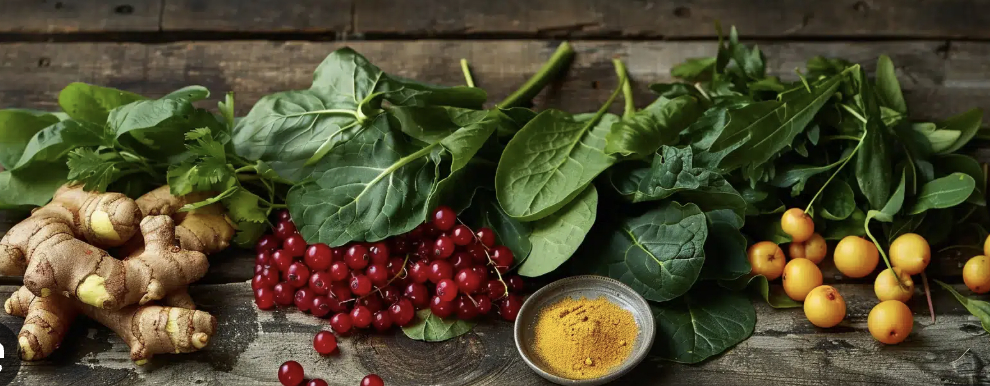
The Anti-Inflammatory Diet is set up to reduce how many prostaglandins the body produces; prostaglandins don’t come from foods themselves, but rather, the nutrients and other substances we consume via the foods we eat can “turn on” or “turn off” excess prostaglandin production. For example, eating foods that are higher in certain vitamins, minerals, antioxidants, and fibers, and reducing intake of the wrong fats or of known inflammatory foods can help lower prostaglandin levels.Some noteworthy foods that may reduce inflammation more significantly include:
-
- Extra virgin olive oil (take 2-3 tablespoons per day)
- Almonds, walnuts, and other nuts and seeds
- NOTE: Eat at least 1.5 ounces, or about 1.5 handfuls, of nuts and/or seeds every day to help reduce inflammation.
- Leafy, green vegetables (e.g. kale, spinach, bok choy, etc.)
- Celery seed and celery seed extracts
- Blueberries
- Cherries
- Oranges
- Fatty fish (e.g. tuna, sardines, salmon, and mackerel)
- Raw cacao
- Green tea
- Legumes (small red beans, red kidney beans, and pinto beans are the most antioxidant legume options, though most beans and lentils are rich in anti-inflammatory phytonutrients; eat at least 1 cup, twice per week – or more – and be sure to soak the beans and lentils before consuming, ideally with a bit of sourdough starter or active culture yogurt, so as to release these phytonutrients and remove antinutrients that can cause indigestion)
- Maqui berries (these contain powerfully anti-inflammatory polyphenols)
- Certain spices (discussed more below)
High-fiber foods of all kinds are also a valuable addition to any Anti-Inflammatory Diet, since fibrous foods can help balance estrogen levels in the body. Some sources recommend consuming at least 25 grams of fiber per day. This isn’t a difficult goal to reach for most people so long as their diet is rich in whole, natural foods, especially fresh fruits and veggies – at least 9 servings of fresh produce should be consumed per day on the Anti-Inflammatory Diet. Examples of other high-fiber foods to include are legumes, whole grains, and nuts.

Click here to do a free trial of EMDR to Release Trauma.
Calories and Macronutrient Intake on the Anti-Inflammatory Diet
Excessive calorie intake can sometimes lead to an inflammatory response, and so, it’s important to eat with care and choose nutrient-rich foods to eat in moderation. To ensure that you’re sufficiently satisfied after a meal or snack, try to include reasonable amounts of healthy fats and proteins in addition to healthy carbohydrates. For example, a meal of only steamed vegetables and little else may not be as sustaining as some steamed veggies with a homemade sauce that includes some extra virgin olive oil, tahini, and some spices and sea salt (not to mention that a healthy, nutrient-rich sauce like this will make the meal a lot more fun and flavorful).Macronutrients, or the quantity of carbohydrates, fats, and proteins that you consume over the course of the day, are also important. Most sources recommend following the 40:30:30 rule – eat 40% carbohydrates, 30% fats, and 30% proteins. This can reduce inflammation, stabilize glucose levels, and support a healthy weight; no matter whether you need to gain weight, lose weight, or maintain your current weight, this ratio of macronutrients can help you achieve a balanced, normal weight.
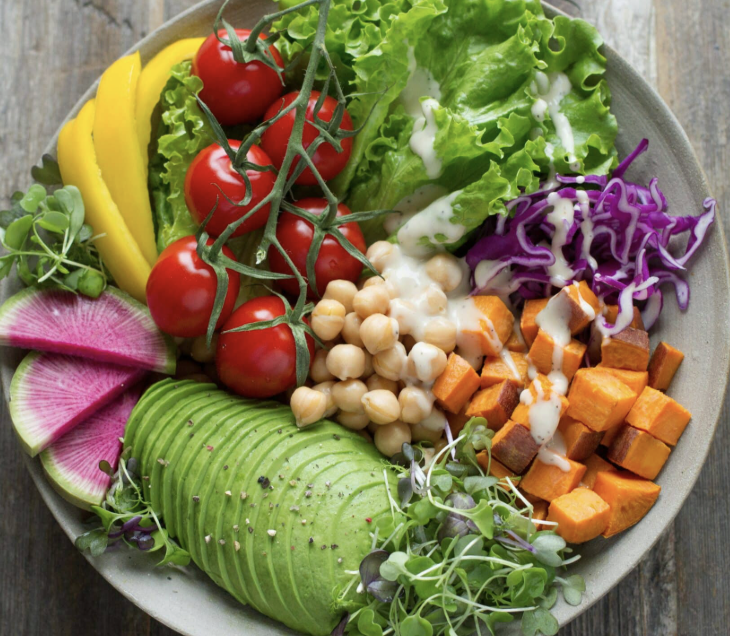
Some people prefer to count macronutrients per meal, while others prefer to look at their macronutrient intake over the course of the entire day. In terms of pain relief, it may be better to look at things per meal, however, in order to avoid accidentally setting off a pain “flare-up” due to an imbalance in macronutrients during one meal or snack. The Anti-Inflammatory Diet 40:30:30 rule ultimately aims for balance, with somewhat more emphasis on carbohydrates. Here are a few meal and snack examples that demonstrate this kind of balance:
- Grilled chicken breast (4oz.) with 1 cup of brown rice, steamed broccoli, and a tahini-honey sauce on top.
- “Huevos a la Mexicana” with fresh, traditionally made corn tortillas
- Tomato curry with boiled eggs and a side of berries and wild rice
- Apple slices with almond butter “dip”

Click here to learn more about the DreamLight.app, an online guided meditation and brain-entrainment tool.
Choosing the Right Grains
The Anti-Inflammatory Diet should include only whole grains; all refined grains must be eliminated, since these can cause inflammation. Not only are whole grains less irritating to the body, though, they’re also therapeutic and anti-inflammatory in their own right! Whole, unrefined grains have been known to lower levels of certain inflammatory markers, such as C-reactive protein (CRP). Meanwhile, refined, non-whole grains are linked to an increase in levels of interleukin-6 (IL-6), a pro-inflammatory cytokine.Grains are an important part of the Anti-Inflammatory Diet, however, since the high fiber in grain-based foods can reduce inflammation by lowering excess estrogen levels, regulating the pH of the digestive system, and reducing gut permeability / leaky gut. Below are some ideal whole grain choices to include on the Anti-Inflammatory Diet:
- Barley
- Rye
- Quinoa
- Wild rice / Black rice / Red rice / Brown rice
- Amaranth
- Farro
- Freekeh
- Teff
- Millet
- Bulgur
- Sorghum
- Buckwheat
- Oats
Note that corn and regular wheat aren’t included on the list above; these two grains are more likely to cause inflammation or some other kind of reaction than others, so I’ve left them off of the list of healthy grains to include. In addition, these two grains are frequently GMO foods, so not only are they less nutrient rich (in most cases), but they can actually do more harm than good for a lot of people.
Wheat in particular deserves special attention, since in the United States, the vast majority of wheat flour has been either sprayed with bromine or has bromine added to it – bromine is a toxic halogen element that can cause a whole host of “minor” and serious health problems (read more here). Unless you get your wheat from a verified organic and bromine-free source and mill it yourself, wheat of any kind in the United States is off limits. In other countries, the regulations tend to be stricter, and whole, organic wheat is likely safe.
If you have a sensitivity to wheat or gluten, you should also avoid farro, freekeh, barley, bulgur, and rye, since these all contain gluten and may lead to a reaction. Again, a lot of people do heal from these kinds of sensitivities over time, however, and these grains may work well for you after you get control over your pain/inflammation symptoms.
Corn can cause digestive upsets for some people, so if you currently have a lot of digestive issues, it may be wise to eliminate corn from your diet, at least temporarily. One exception may be fresh corn tortillas made in the traditional Mexican style, since the way in which corn is prepared for making these tortillas leads to better digestibility and increased nutrient availability.
 Everything You Never Wanted to Know About the Treatment of Chronic Pain... and How to Avoid Painkillers That Will Eventually Kill You - BUY HERE!!!
Minerals for the Anti-Inflammatory Diet
Zinc-, potassium-, and magnesium-rich foods should also be emphasized on the Anti-Inflammatory Diet. Most foods that are rich in either potassium or magnesium are also often rich in the other mineral; examples of these foods include leafy green vegetables, cruciferous vegetables (like cauliflower and cabbage), bananas, apricots, figs, sweet potatoes, avocados, legumes, salmon, and high-quality dairy products. Foods that are high in zinc include chickpeas, cashews, pumpkin seeds, spinach, yogurt, and high-quality beef, lamb, and organ meats.Vitamins for the Anti-Inflammatory Diet
Choline, a nutrient widely regarded as a B-complex vitamin, can decrease peripheral inflammation by specifically lowering levels of C-reactive protein (CRP), interleukin-6 (IL-6), and TNF-alpha. This nutrient is also known to support gallbladder and liver health, so it may reduce pain for some people who are also experiencing digestive issues having to do with these two organs. Organic, free-range eggs (the yolks in particular) are especially high in choline, but broccoli and cauliflower are also noteworthy choline-rich foods.Higher levels of another B-complex vitamin, vitamin B6, have also been linked to lower levels of pro-inflammatory markers. Indeed, higher consumption of vitamin B6-rich foods, like nuts and seeds, has been correlated with a 51% lower risk of dying from an inflammatory disease (such as rheumatoid arthritis).
Vitamin C is also linked to decreased inflammation, and research shows that high vitamin C intake – either through food or supplements – can prevent inflammatory arthritis and support joint health. This article discusses the use of high-dose vitamin C therapy as a treatment for autoimmune conditions and other major diseases.
Vitamin K1 has been shown to reduce inflammatory markers in the blood, while vitamin K2 can help relieve pain by ensuring the proper flow and storage of calcium in the body. Vitamin K2 also can eliminate calcifications throughout the body when taken at a high enough dose over the course of 6 weeks or longer. Read more about vitamin K2 here.
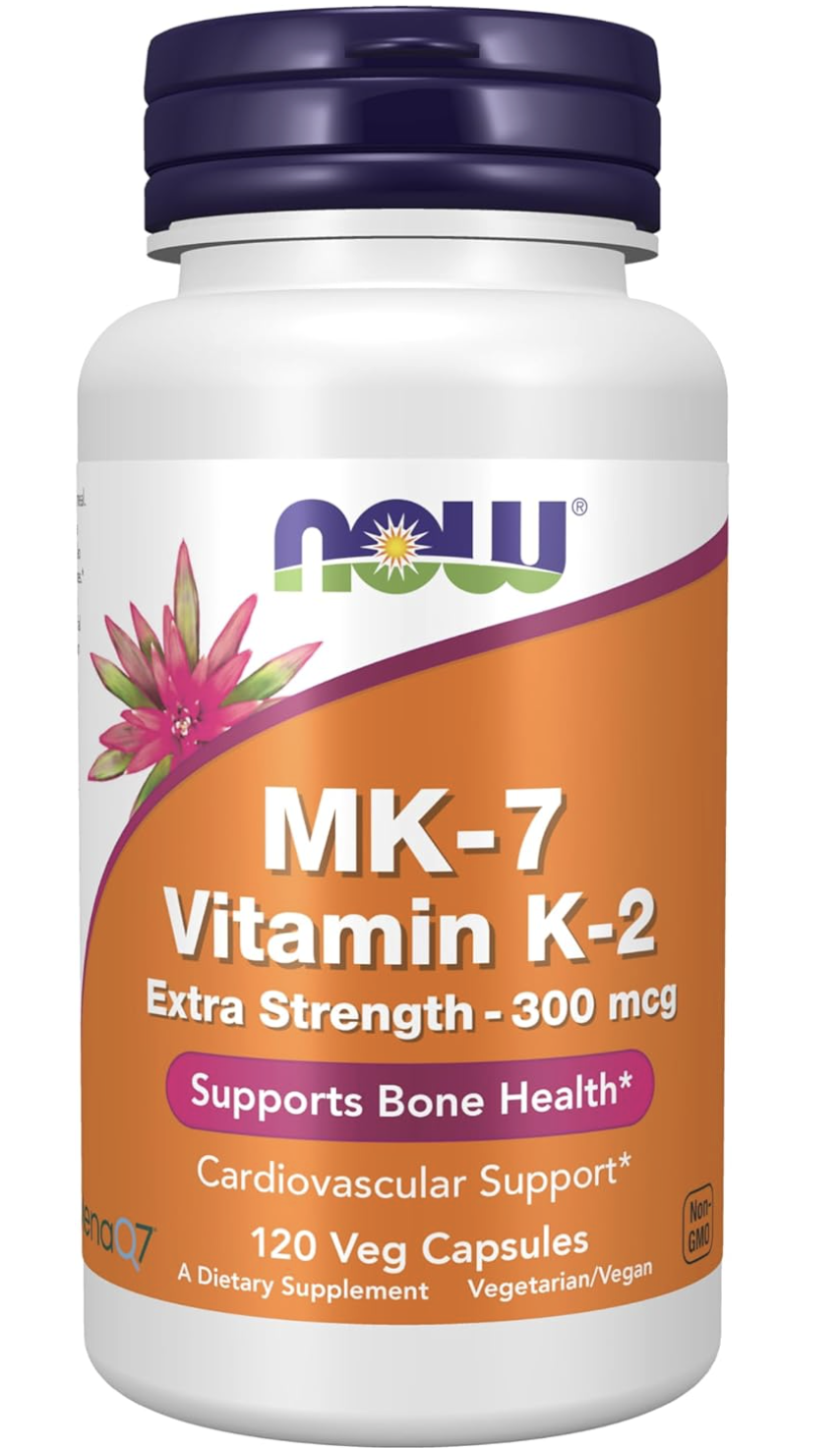
Click here to buy vitamin K2.
What NOT to Eat on the Anti-Inflammatory Diet
There is some variability from person-to-person in regard to which foods can cause inflammation, but there are some foods that (with exceptions) inevitably lead to inflammation and high prostaglandin levels. Some of these foods that may cause inflammation and subsequent pain include:-
- Refined sugars
- Conventional dairy products
- Refined vegetable oils and other refined oils
- Processed grains (e.g. white rice, white wheat, etc.)
- Processed meats (e.g. cold cuts, hot dogs, cured meats, etc.)
- Processed “junk” foods (e.g. sugary cereals, chips, frozen dinners, etc.)
- Poor-quality, conventional meat products
- Alcohol
- Caffeine
- NOTE: The exceptions to this rule are black and green teas, which have been found to actually help regulate prostaglandin levels and overall reduce inflammation and pain.
Foods that you know you’re allergic to or sensitive to should also be eliminated from the diet. These foods can vary from person to person; while one person might develop inflammation and pain after eating any dairy (regardless of its quality), another person might be perfectly fine consuming high-quality, healthy dairy products. If you aren’t sure if you have any food sensitivities, cut out some of the main potential culprits from the beginning, and later add them back in slowly, one at a time, and assess your reaction.
The foods that most commonly can worsen pain and inflammation symptoms include gluten, dairy, nuts, eggs, and nightshades. Red meats are also inflammatory for some people, and while one person may be perfectly fine eating high-quality red meats, another person may react significantly to these; if you’re not 100% sure which category of person you belong to, eliminate red meats (beef, lamb, buffalo, etc.) at first and only add them back into your diet later when you can observe your reaction.
Be aware that even if you discover a food sensitivity, there’s a chance that this food won’t always bother you, though it’s important to commit to not eating any foods that “set off” pain and inflammation – a lot of people are able to return to foods that once bothered them without issue after they’ve given their body a chance to heal and reset.
Click here to subscribe to the Living Database now.
A Note on Nightshades…
The nightshades are a family of plants that include tomatoes, chile peppers, potatoes, eggplants, and others. Indeed, these foods are related to deadly nightshade, and like this infamous poisonous plant, they also contain some level of solanine. Solanine is a naturally occurring chemical found in all Solanum plants in varying levels which is responsible for the poisonous effects of nightshade berries and raw or green potatoes.The No-Nightshade Diet can be a highly effective dietary therapy for patients with psoriasis specifically, though some reports suggest that nightshades may contribute to arthritis symptoms as well. There is limited scientific research to suggest that the solanine in nightshade fruits and veggies actually does cause arthritis flare-ups or other types of pain, but given that there is some correlation between arthritis and nightshades, it’s wise to use caution. If you struggle with arthritis symptoms and consume nightshades regularly, consider eliminating these from your diet temporarily, at least for a few weeks. After a few weeks, add back in only one of these nightshades in moderate quantities, and observe if you have worsened symptoms. If your symptoms worsen, eliminate that food again for a longer term; if you don’t have any pain flare-ups, wait for at least 1 week and then add in another nightshade and repeat the process.
Below is a list of the most common nightshades to be aware of:
- Potatoes
- Tomatoes
- Chile peppers (e.g. jalapeños, habeneros, poblanos, etc.)
- Bell peppers
- Eggplants
If you find that you aren’t sensitive to nightshades, enjoy them freely! These foods contains high levels of medicinal antioxidants and other anti-inflammatory, therapeutic compounds that can be valuable for people who aren’t sensitive to them.
Oils, Fats, and Inflammation
Choosing the right, healthy fat sources on the Anti-Inflammatory diet is absolutely essential, so I’ve decided to dedicate an entirely separate section to a brief discussion of good and bad fats – this can be a complex topic, after all, and a lot of sources simply tell people to eat a low-fat diet, which is a potentially detrimental oversimplification. When used consciously and carefully, fats and oils from various sources can be medicinal and therapeutic; likewise, less mindfully chosen fats and oils can cause pain and dis-ease.Cold-pressed, unrefined oils that have been stored in a glass, ideally dark-colored bottle or container are ideal – extra virgin coconut oil, olive oil, flaxseed oil, chia seed oil, and other natural, unrefined oils like these are all good choices. Fats that come from seeds and nuts also tend to be healthy and nutrient-rich. Olive oil in particular is an excellent choice for the Anti-Inflammatory Diet since it contains a phenolic compound known as oleocanthal. This natural substance has similar properties to NSAID drugs like ibuprofen, and can specifically inhibit COX enzyme activity, thus reducing inflammation and sensitivity to pain.
Other healthy oils and fat sources to prioritize on the Anti-Inflammatory Diet include the following (note that many of these are rich in inflammation-reducing monounsaturated fats):
- MCT oil
- Walnuts and walnut oil
- Coconut flesh and coconut oil
- Avocados and avocado oil
- Sesame seeds and sesame seed oil
- Grapeseed oil
- Flaxseeds and flaxseed oil
- Chia seeds and chia seed oil
- Fish oil
- Nuts
While fat sources that contain higher levels of monounsatured levels should be eaten in higher amounts on the Anti-Inflammatory Diet, saturated fats and trans fats should be significantly reduced or eliminated entirely (respectively). Trans fats are primarily found in highly processed foods, so cutting out junk food and fast food and eating only a diet of whole, natural foods will eliminate this particular toxic fat easily. Note that some foods like margarine and shortening are almost entirely made up of trans fats and can cause pain and inflammation, not to mention other serious health problems. Saturated fats can be a bit more challenging to reduce; common sources of saturated fats include:
- Butter
- Lard
- Cream
- Ice cream
- Most cheeses (ricotta, mozzarella, gouda, feta, and parmesan are generally lower in saturated fats than other creamier cheese options)
Even high-quality, organic, grass-fed versions of the foods listed above are likely to be high in saturated fats. It’s still important to choose these high-quality options if you’re going to eat any of the foods above, but also be sure to only consume these in very small quantities and to eliminate them completely (at least temporarily) if you notice that they cause symptoms of pain or inflammation.
The Connection Between Omega Fatty Acids, Inflammation, and Pain
Most credible sources recommend reducing dietary levels of omega-6 fatty acids while following the Anti-Inflammatory Diet. This is because these particular fatty acids are a key “ingredient” in the pro-inflammatory prostaglandins that can cause pain. Processed vegetable oils are a major source of excess omega-6 fatty acids in most modern, conventional diets.Meanwhile, in addition to reducing intake of omega-6 fatty acids, it’s also valuable to increase intake of omega-3 fatty acids, which are anti-inflammatory. Wild-caught fish (e.g. salmon, sardines, mackerel, etc.) is an especially rich source of omega-3’s – indeed, consumption of fish oil or cod liver oil has been found to decrease pro-inflammatory prostaglandin production. Even if you aren’t a fan of Fish as Food, you can still take a fish oil or cod liver oil supplement to get the same benefits. Omega-3 fatty acids can also help encourage the production of certain proteins and hormones, like resolvins and maresins, that work to shorten the lifespan of neutrophils. These proteins and hormones also encourage macrophages to work to “clean up” the body by removing dead and/or nonfunctional cells or other undesirable substances in the body, thus reducing inflammation through another mechanism of action.
Other omega-3 rich foods include flaxseeds and flaxseed oil, chia seeds and chia seed oil, hemp seeds and hemp seed oil, walnuts, soybeans, organic, free-range eggs and poultry products, and some vegetables like spinach, purslane, and Brussels sprouts.
One study found that flaxseed, evening primrose, and fish oils may be particularly powerful in terms of reducing pro-inflammatory prostaglandin E2 levels.
In addition to consuming foods rich in omega-3 fatty acids, some sources also recommend that people struggling with chronic pain take a daily omega fatty acid supplement containing 2-3 grams of both eicosapentaenoic acid (EPA) and docosahexaenoic acid (DHA).
Healing, Anti-Inflammatory Spices and Culinary Herbs
Spices can also play a key role in relieving inflammation and pain. For example, ginger, turmeric, parsley, and cinnamon have been researched as anti-inflammatory, prostaglandin-reducing culinary herbs. Consider your personal flavor preferences and make an effort to make meals that emphasize one or more of these anti-inflammatory spices.Green Tea
Green tea – and black tea, to a lesser extent – can help regulate and reduce high levels of prostaglandins in the body. One specific study found that the administration of between 600-1800mg of green tea solids effectively decreased prostaglandin E2 levels within 4-8 hours.Garlic
Garlic is a powerful spice with broad-spectrum medicinal action in the body. In terms of inflammation and pain, the presence of sulfur – such as in the form of diallyl disulfide – can help rebuild damaged or suffering joints and tissues and also inhibit the activity of pro-inflammatory cytokines. It also has antibacterial, antifungal, antiviral, and antiparasitic activity in the body.When using garlic as a spice, fresh, organic garlic is ideal. Powdered forms of garlic, if they’re relatively fresh and again, organic, can be suitable if you run out of fresh garlic or need to make a meal very quickly, but fresh garlic is still preferable since it retains more of its medicinal compounds this way. Fermented garlic honey is another great way to utilize garlic as a Food Medicine – simply chop up a bunch of garlic and put it in a glass jar along with just enough raw honey to cover the garlic, cover the jar (make sure to leave some room at the top!), and let it rest for 2 weeks. Then, take a spoonful of garlic honey each day, or better yet, add some of the garlic honey or honeyed garlic pieces to any food in place of fresh or powdered garlic!
Turmeric
Turmeric is a well-known anti-inflammatory spice, and indeed, it can be extremely effective at reducing inflammation and relieving pain caused by said inflammation. Curcumin is the main medicinal compound responsible for these actions, and acts to block inflammatory cytokines and certain enzymes that play a role in inflammatory pathways.Keep in mind that in order for turmeric to be effective it must be taken with some kind of fat; add turmeric to curries, oil- or fat-based sauces, chocolate-y desserts, or even to yogurt or smoothies! Black pepper also helps enhance the absorption and utilization of the medicinal compounds in turmeric. Mixing together a spoonful of coconut oil, a spoonful of raw honey, some cacao, and ½ to 1 teaspoon of turmeric (along with a pinch of black pepper) can be a pleasant, flavorful way to quickly gain the benefits of this culinary healing spice.
Ginger
Another common pantry staple, ginger contains gingerol and shogaol, two medicinal compounds that work to block inflammatory pathways in the body. Ginger can help reduce pain and inflammation due to a variety of health problems, but some studies indicate that it might be especially valuable in managing osteoarthritis symptoms. In Chinese medicine, fresh ginger is Warm, and can thus help relieve certain painful conditions that are caused by coldness (note that powdered ginger, in contrast, is Hot, and can be overwhelming for some people, so fresh ginger is essential here).Fresh ginger tea can be prepared daily using a 1- or 2-inch piece of ginger, finely chopped and then boiled for 15-30 minutes. Add some honey and lime juice and drink warm as desired. Ginger can also be incorporated into both savory and sweet foods. For people who are sensitive to nightshades, ginger can be used in place of chiles to add spiciness and flavor to food.
Cinnamon
Cinnamon can be a surprisingly potent medicine when used properly. It contains cinnamaldehyde and cinnamic acid, two antioxidant plant chemicals that work to prevent and heal damage caused by harmful free radicals in the body. In addition, cinnamon can help manage problems related to pancreatic health and function, so people who have problems with the pancreas (diabetics, women with PCOS, those who often struggle with low blood sugar, etc.) may especially benefit from eating more cinnamon.Cinnamon can be added to some curries and soups with a particular flavor profile, as well as to desserts. Golden Milk is a traditional Ayurvedic remedy that includes turmeric, ginger, cinnamon, black pepper, and other relevant spices; this drink can easily be taken daily as a snack or dessert to reduce inflammation.
Cayenne
Cayenne can be used as part of a protocol for relieving pain at a deep level, but in addition to this protocol, it can also be incorporated into foods. Cayenne pepper and other spicy chiles can be anti-inflammatory, and can also help to relieve pain caused by the gallbladder (since spiciness from chile peppers stimulates the gallbladder). Go carefully when using chile peppers in food since it can take some time to adjust to spiciness and some people may get a stomach upset at first – that being said, even a little bit of cayenne or other chiles can still be therapeutic. If you’re drawn naturally to spicy foods, though, this may be a good Food Medicine to incorporate regularly to reduce inflammation and pain throughout the body.Resources:
• Jelinska, Malgorzata, et. al. (2003). Effects of dietary linseed, evening primrose or fish oils on fatty acid and prostaglandin E2 contents in the rat livers and 7,12-dimethylbenz[a]anthracene-induced tumours. Retrieved September 6, 2025 from: https://www.sciencedirect.com/science/article/pii/S0925443903000206?via%3Dihub
• August, D.A., et. al. (1999). Ingestion of green tea rapidly decreases prostaglandin E2 levels in rectal mucosa in humans. Retrieved September 6, 2025 from: https://pubmed.ncbi.nlm.nih.gov/10744131/
• Guo, Lily, et. al. (2025). Anti-Inflammatory Diet: What It Is, Foods to Consume and Avoid, and More. Retrieved September 7, 2025 from; https://www.osmosis.org/answers/anti-inflammatory-diet?campaignid=22992953470&adgroupid=&adid=&gad_source=1&gad_campaignid=22992955567&gbraid=0AAAAADr6o4AJrQMPyq8aN0dr6ouDY6fe7
• Paturel, Amy (n.d). The Ultimate Arthritis Diet. Retrieved September 8, 2025 from: https://www.arthritis.org/health-wellness/healthy-living/nutrition/anti-inflammatory/the-ultimate-arthritis-diet
• Sears, Barry (2015). Anti-inflammatory Diets. Retrieved September 9, 2025 from: https://www.tandfonline.com/doi/full/10.1080/07315724.2015.1080105?needAccess=true
• N.A. (n.d). Best Spices for Arthritis. Retrieved September 11, 2025 from: https://www.arthritis.org/health-wellness/healthy-living/nutrition/healthy-eating/best-spices-for-arthritis