Essential Oils for Toxoplasmosis
DISCLAIMER: CONSULT WITH A DOCTOR BEFORE DECIDING ON A TREATMENT PLAN FOR ANY DISEASE.
ome links may be affiliate links. We may get paid if you buy something or take an action after clicking one of these. We use this revenue to keep the site free to you.
In our experience, frankincense essential oil combined with DMSO has proven to be one of the simplest yet most powerful treatments for neurological disease, including for cancer (specifically brain and reproductive organ cancers), COVID-19 and also respiratory diseases, autoimmune disease, and more. We often research the use of frankincense and DMSO (either separately or in combination) when first exploring a health problem. While the scientific evidence available in regard to the use of frankincense specifically for the treatment of toxoplasmosis is limited, there are multiple studies available illustrating the efficacy of this tree resin for the treatment of other parasite infections, including:

While it’s worth noting that, indeed, frankincense does possess antiparasitic properties, it’s particularly interesting that this medicine works as a treatment for malaria. Both Toxoplasma and Plasmodium parasites are what are known as “Apicomplexa” parasites. The Apicomplexa parasites are grouped together since they all have some specific attributes in common. Specifically, these parasites possess a grouping of organelles known together as the “apical complex”; this organelle grouping is primarily responsible for facilitating the entry of the parasite into the host cell, but it also plays a role in the metabolism of the parasite. Some researchers have suggested that the apicoplasts inside of the apical complex may be an effective target for the prevention and treatment of malaria. It’s possible that apicoplasts inside of Toxoplasma parasites may also be a viable target for the treatment of toxoplasmosis.
Frankincense is an antioxidant and anti-inflammatory medicine. The boswellic acids present in frankincense have been known to downregulate the production of multiple cytokines, including TNF-alpha, IL-6, IFN-gamma, IL-1, IL-2, and IL-4. These cytokines play a role in the chronic inflammation seen in most autoimmune diseases; often, these cytokines are produced by the body’s immune system in response to an underlying infection. Frankincense not only reduces excessive inflammation but can also target these underlying pathogenic infections that are often present in autoimmune disease.
The first thing I think of as a treatment for schizophrenia is niacin (vitamin B3). Niacin is certainly one of the most important nutritional therapies for schizophrenia which a fairly high cure rate when administered at the proper dose. But there are other treatments, like frankincense, that may benefit schizophrenia patients too. Most of us are taught that schizophrenia is incurable, but the reality is somewhat different; in “Niacin: The Real Story”, Dr. Abram Hoffer (and coauthors) explains that people with schizophrenia may, for whatever reason, have a higher requirement for niacin than the average person. Once they’re taking adequate amounts of this nutrient each day in addition to other supportive nutrients in lower doses, their symptoms almost invariably decrease significantly or disappear entirely.
It should also be noted here that quinine, the most famous medicinal substance found in Cinchona officinalis, is the natural medicinal molecule that was used to develop thorazine, the first pharmaceutical treatment for schizophrenia. Thorazine is derived from quinine, but quinine also has a history of treating mental illness as a natural substance found in Cinchona officinalis. The usefulness of quinine for schizophrenia may very well be due to its ability to kill infectious pathogens like toxoplasmosis or Streptococcus pyogenes that can disrupt or even damage dopamine neurons. Infectious pathogens can and do cause mental illness. This is an established fact in the scientific literature, but it isn’t well-known or well-publicized because infections can be cured more easily than a mental illness that seems to have no underlying cause.
Toxoplasmosis has been observed in some patients with schizophrenia suggesting a link between Toxoplasma infection and mental illness. Various studies indicate that patients with schizophrenia are more likely to have Toxoplasma antibodies (which indicates the presence of infection), and that adult toxoplasmosis can sometimes bear a striking resemblance to schizophrenia in terms of symptomatology. Additionally, researchers have observed that certain especially effective antipsychotics also possess antiparasitic actions in the body; this means that, although these antipsychotics may work as antipsychotics, the reason why they may work better than other antipsychotics may lie in the fact that these specific, effective drugs target the actual cause of the schizophrenia.
Frankincense’s anti-inflammatory properties (mentioned above) may help treat schizophrenia by reducing the levels of pro-inflammatory cytokines in the nervous system. This tree resin may also be able to help target a hidden Toxoplasma infection in patients with misdiagnosed schizophrenia.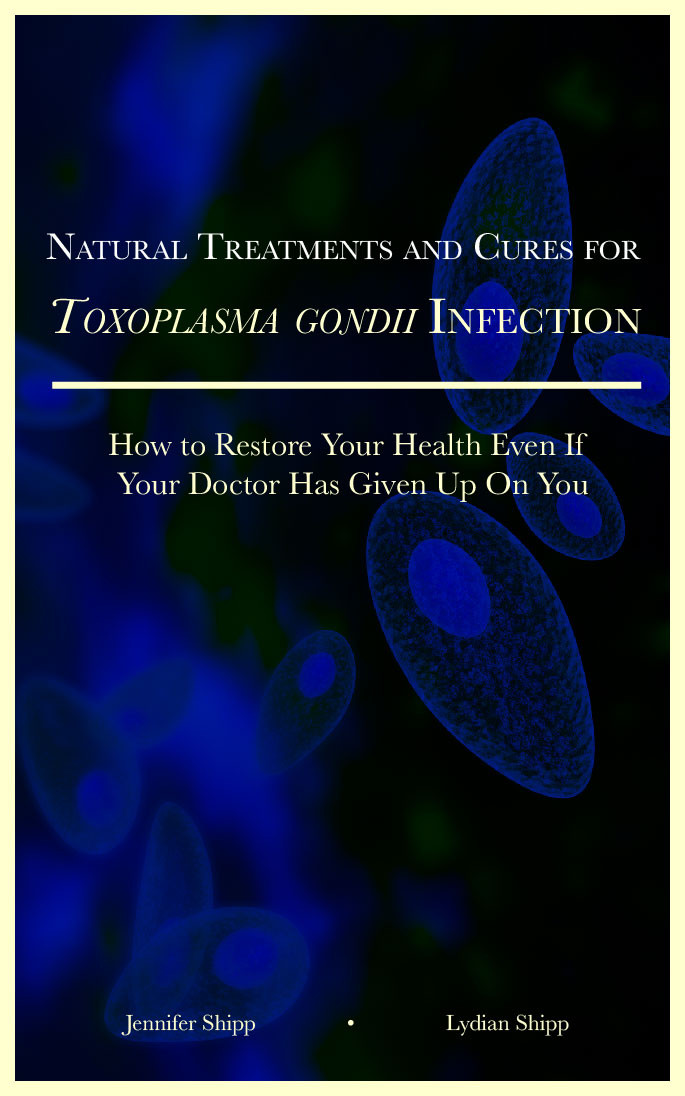
Resources:
-
- Leishmaniasis (caused by Leishmania spp. parasites)
- Giardiasis (caused by Giardia spp. parasites)
- Malaria (caused by Plasmodium spp. parasites)
- Schistosomiasis (caused by Schistosoma spp. parasites, also known as liver flukes)
- Blastocystis spp. parasite infection
Click here to schedule a health coaching call with us.
While it’s worth noting that, indeed, frankincense does possess antiparasitic properties, it’s particularly interesting that this medicine works as a treatment for malaria. Both Toxoplasma and Plasmodium parasites are what are known as “Apicomplexa” parasites. The Apicomplexa parasites are grouped together since they all have some specific attributes in common. Specifically, these parasites possess a grouping of organelles known together as the “apical complex”; this organelle grouping is primarily responsible for facilitating the entry of the parasite into the host cell, but it also plays a role in the metabolism of the parasite. Some researchers have suggested that the apicoplasts inside of the apical complex may be an effective target for the prevention and treatment of malaria. It’s possible that apicoplasts inside of Toxoplasma parasites may also be a viable target for the treatment of toxoplasmosis.
Click here to subscribe to the Living Database!
Frankincense + DMSO for Brain Cancer
Frankincense combined with DMSO is a front-line natural treatment for brain cancer. Toxoplasmosis has been correlated with the development or worsening of brain cancers, but toxoplasmosis has also been misdiagnosed as brain cancer in certain cases. Certain other cancers, such as myeloma, leukemia, and lymphoma, can also cause a dormant toxoplasmosis infection to “reactivate”. Because of this close connection between toxoplasmosis and cancer, frankincense is an important treatment to be aware of when it comes to developing a complete healing protocol for toxoplasmosis (and in this case, other related conditions).
Click here to buy Frankincense Oil.
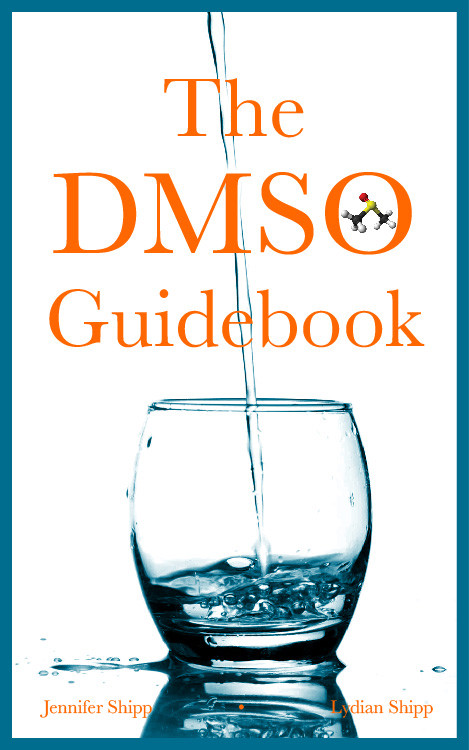
Combine 10-20 drops of pure frankincense essential oil with 2 tablespoons of organic, unrefined coconut oil in a glass container with a lid (so that you can keep the mixture for later). Apply the frankincense/coconut oil mixture to the area of the head closest to the cancer, or all over the head and neck. After applying the oils, then apply the DMSO to the same areas. Do not rinse. Repeat as many times a day as you feel is appropriate, keeping in mind that DMSO can sometimes dry the skin. Indeed, with repeated, topical dosing, DMSO in high concentrations can make the skin “leathery”. Add water or more frankincense oil to dilute the DMSO to make it less drying if dry skin is an issue for you. If you start to experience any symptoms of skin dryness (itching, redness, peeling, uncomfortable sensations, etc.) stop applying the DMSO temporarily and continue online with the oil mixture, OR reduce the amount of DMSO you’re using either by applying less overall or administering the DMSO portion of the treatment fewer times per day.Click here to buy The Alive-N-Healthy DMSO Guidebook
Frankincense + DMSO for Autoimmune Disease
Certain autoimmune diseases have been known to sometimes be due to a dormant (or active) Toxoplasma infection. Among the autoimmune diseases that are correlated with toxoplasmosis are the following:- Rheumatoid arthritis
- Systemic sclerosis
- Primary and secondary Antiphospholipid syndrome
- Primary biliary cirrhosis
- Pemphigus vulgaris
- Vasculitis
- Autoimmune thyroid diseases
- And more…
Frankincense is an antioxidant and anti-inflammatory medicine. The boswellic acids present in frankincense have been known to downregulate the production of multiple cytokines, including TNF-alpha, IL-6, IFN-gamma, IL-1, IL-2, and IL-4. These cytokines play a role in the chronic inflammation seen in most autoimmune diseases; often, these cytokines are produced by the body’s immune system in response to an underlying infection. Frankincense not only reduces excessive inflammation but can also target these underlying pathogenic infections that are often present in autoimmune disease.
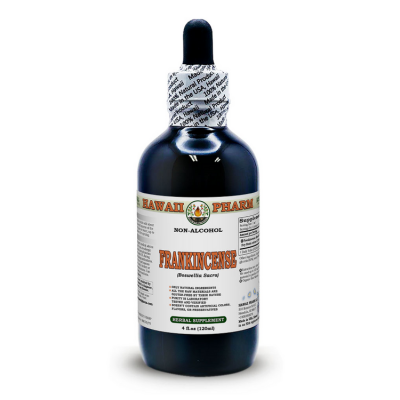
Click here to buy Hawaii Pharm's Frankincense tincture here.
Frankincense + DMSO for Schizophrenia and Mental Illness
The first thing I think of as a treatment for schizophrenia is niacin (vitamin B3). Niacin is certainly one of the most important nutritional therapies for schizophrenia which a fairly high cure rate when administered at the proper dose. But there are other treatments, like frankincense, that may benefit schizophrenia patients too. Most of us are taught that schizophrenia is incurable, but the reality is somewhat different; in “Niacin: The Real Story”, Dr. Abram Hoffer (and coauthors) explains that people with schizophrenia may, for whatever reason, have a higher requirement for niacin than the average person. Once they’re taking adequate amounts of this nutrient each day in addition to other supportive nutrients in lower doses, their symptoms almost invariably decrease significantly or disappear entirely.
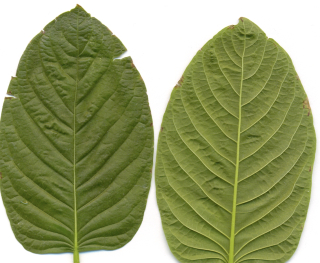
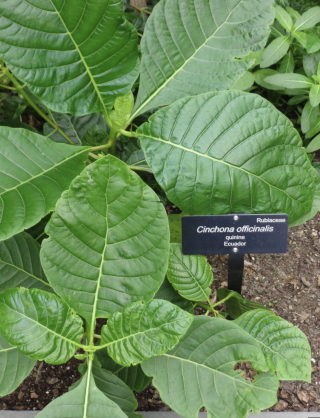
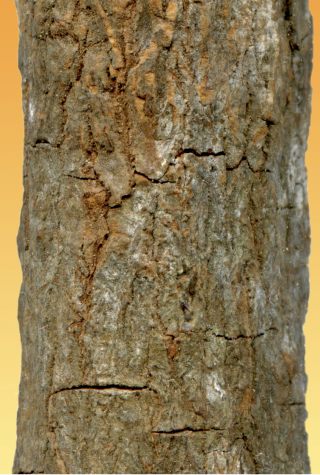
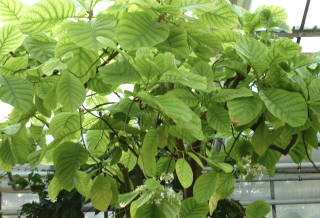
It should also be noted here that quinine, the most famous medicinal substance found in Cinchona officinalis, is the natural medicinal molecule that was used to develop thorazine, the first pharmaceutical treatment for schizophrenia. Thorazine is derived from quinine, but quinine also has a history of treating mental illness as a natural substance found in Cinchona officinalis. The usefulness of quinine for schizophrenia may very well be due to its ability to kill infectious pathogens like toxoplasmosis or Streptococcus pyogenes that can disrupt or even damage dopamine neurons. Infectious pathogens can and do cause mental illness. This is an established fact in the scientific literature, but it isn’t well-known or well-publicized because infections can be cured more easily than a mental illness that seems to have no underlying cause.
 Niacin: The Real Story: Learn about the Wonderful Healing Properties of Niacin
Toxoplasmosis has been observed in some patients with schizophrenia suggesting a link between Toxoplasma infection and mental illness. Various studies indicate that patients with schizophrenia are more likely to have Toxoplasma antibodies (which indicates the presence of infection), and that adult toxoplasmosis can sometimes bear a striking resemblance to schizophrenia in terms of symptomatology. Additionally, researchers have observed that certain especially effective antipsychotics also possess antiparasitic actions in the body; this means that, although these antipsychotics may work as antipsychotics, the reason why they may work better than other antipsychotics may lie in the fact that these specific, effective drugs target the actual cause of the schizophrenia. Frankincense’s anti-inflammatory properties (mentioned above) may help treat schizophrenia by reducing the levels of pro-inflammatory cytokines in the nervous system. This tree resin may also be able to help target a hidden Toxoplasma infection in patients with misdiagnosed schizophrenia.
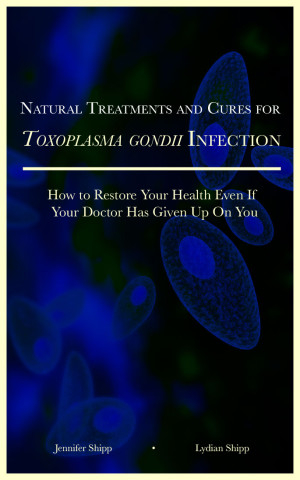
Natural Treatments and Cures for Toxoplasma gondii Infection - BUY HERE!
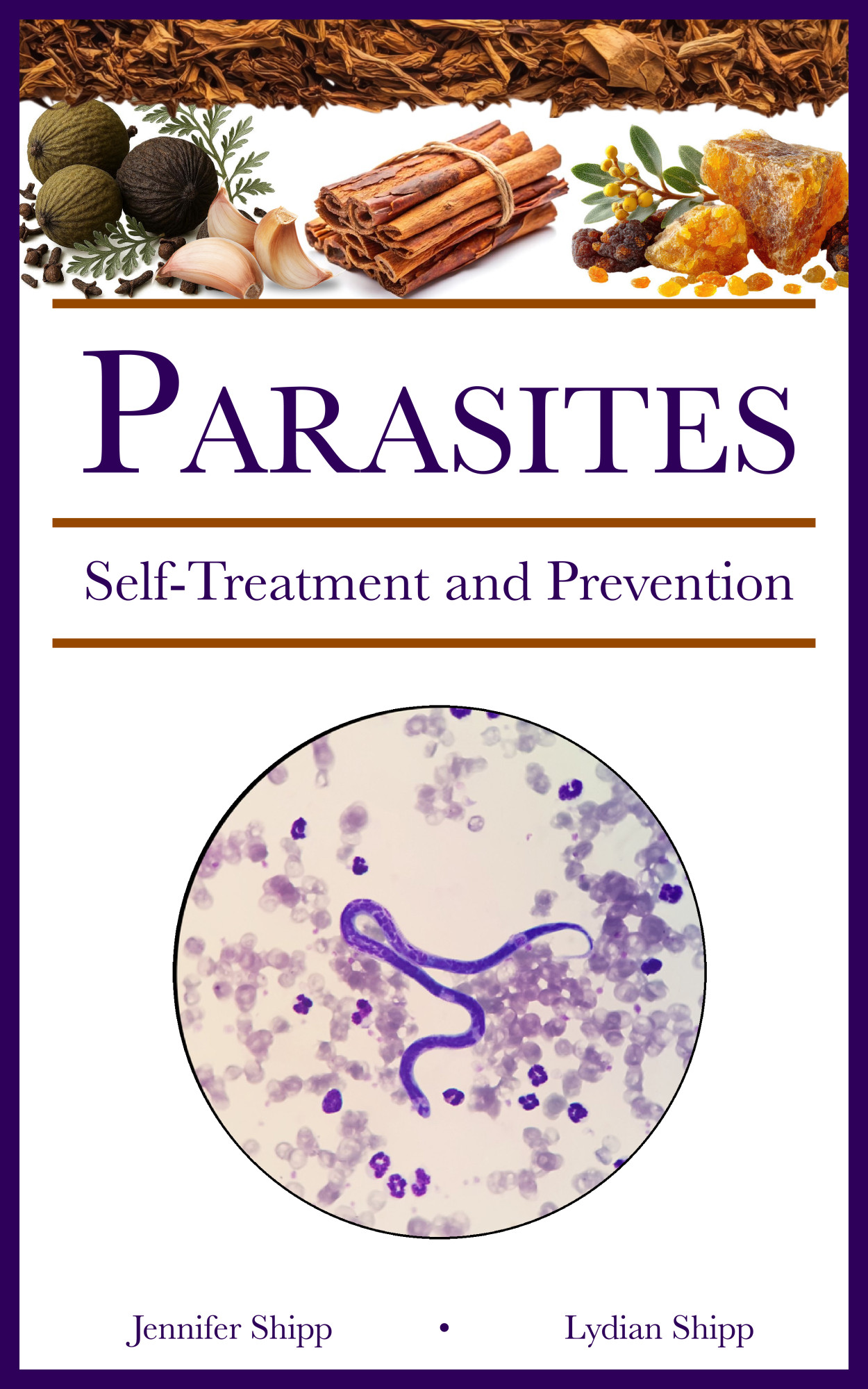
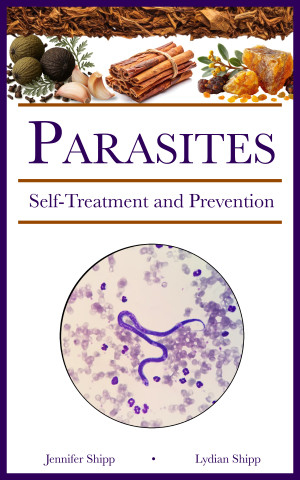
Parasites: Self-Treatment and Prevention - BUY THE eBOOK HERE!!!
Resources:
• Wikipedia (2022). Apicomplexa. Retrieved November 21, 2022 from: https://en.wikipedia.org/wiki/Apicomplexa
• Anvari, Davood, et. al. (2019). Seroprevalence of Toxoplasma gondii infection in cancer patients: A systematic review and meta-analysis. Retrieved November 21, 2022 from: https://www.sciencedirect.com/science/article/abs/pii/S0882401018319430
• Petrikova, J., et. al. (2010). Prevalence of Toxoplasma antibodies among patients with various autoimmune diseases. Retrieved November 21, 2022 from: https://ard.bmj.com/content/69/Suppl_2/A8.2.full
• Ammon, H.P.T. (2010). Modulation of the immune system by Boswellia serrata extracts and boswellic acids. Retrieved November 21, 2022 from: https://www.sciencedirect.com/science/article/abs/pii/S0944711310000620
• Yolken, R.H., et. al. (2009). Toxoplasma and schizophrenia. Retrieved November 21, 2022 from: https://onlinelibrary.wiley.com/doi/abs/10.1111/j.1365-3024.2009.01131.x



BEFORE YOU READ THIS ARTICLE...
Be sure to take a look at a few of our e-Books titles below that might pertain to your health search:
Be sure to take a look at a few of our e-Books titles below that might pertain to your health search:
How Frankincense and DMSO Can Cure Parasitic Infections
In our experience, frankincense essential oil combined with DMSO has proven to be one of the simplest yet most powerful treatments for neurological disease, including for cancer (specifically brain and reproductive organ cancers), COVID-19 and also respiratory diseases, autoimmune disease, and more. We often research the use of frankincense and DMSO (either separately or in combination) when first exploring a health problem. While the scientific evidence available in regard to the use of frankincense specifically for the treatment of toxoplasmosis is limited, there are multiple studies available illustrating the efficacy of this tree resin for the treatment of other parasite infections, including:
While it’s worth noting that, indeed, frankincense does possess antiparasitic properties, it’s particularly interesting that this medicine works as a treatment for malaria. Both Toxoplasma and Plasmodium parasites are what are known as “Apicomplexa” parasites. The Apicomplexa parasites are grouped together since they all have some specific attributes in common. Specifically, these parasites possess a grouping of organelles known together as the “apical complex”; this organelle grouping is primarily responsible for facilitating the entry of the parasite into the host cell, but it also plays a role in the metabolism of the parasite. Some researchers have suggested that the apicoplasts inside of the apical complex may be an effective target for the prevention and treatment of malaria. It’s possible that apicoplasts inside of Toxoplasma parasites may also be a viable target for the treatment of toxoplasmosis.
Frankincense is an antioxidant and anti-inflammatory medicine. The boswellic acids present in frankincense have been known to downregulate the production of multiple cytokines, including TNF-alpha, IL-6, IFN-gamma, IL-1, IL-2, and IL-4. These cytokines play a role in the chronic inflammation seen in most autoimmune diseases; often, these cytokines are produced by the body’s immune system in response to an underlying infection. Frankincense not only reduces excessive inflammation but can also target these underlying pathogenic infections that are often present in autoimmune disease.
The first thing I think of as a treatment for schizophrenia is niacin (vitamin B3). Niacin is certainly one of the most important nutritional therapies for schizophrenia which a fairly high cure rate when administered at the proper dose. But there are other treatments, like frankincense, that may benefit schizophrenia patients too. Most of us are taught that schizophrenia is incurable, but the reality is somewhat different; in “Niacin: The Real Story”, Dr. Abram Hoffer (and coauthors) explains that people with schizophrenia may, for whatever reason, have a higher requirement for niacin than the average person. Once they’re taking adequate amounts of this nutrient each day in addition to other supportive nutrients in lower doses, their symptoms almost invariably decrease significantly or disappear entirely.
It should also be noted here that quinine, the most famous medicinal substance found in Cinchona officinalis, is the natural medicinal molecule that was used to develop thorazine, the first pharmaceutical treatment for schizophrenia. Thorazine is derived from quinine, but quinine also has a history of treating mental illness as a natural substance found in Cinchona officinalis. The usefulness of quinine for schizophrenia may very well be due to its ability to kill infectious pathogens like toxoplasmosis or Streptococcus pyogenes that can disrupt or even damage dopamine neurons. Infectious pathogens can and do cause mental illness. This is an established fact in the scientific literature, but it isn’t well-known or well-publicized because infections can be cured more easily than a mental illness that seems to have no underlying cause.
Toxoplasmosis has been observed in some patients with schizophrenia suggesting a link between Toxoplasma infection and mental illness. Various studies indicate that patients with schizophrenia are more likely to have Toxoplasma antibodies (which indicates the presence of infection), and that adult toxoplasmosis can sometimes bear a striking resemblance to schizophrenia in terms of symptomatology. Additionally, researchers have observed that certain especially effective antipsychotics also possess antiparasitic actions in the body; this means that, although these antipsychotics may work as antipsychotics, the reason why they may work better than other antipsychotics may lie in the fact that these specific, effective drugs target the actual cause of the schizophrenia.
Frankincense’s anti-inflammatory properties (mentioned above) may help treat schizophrenia by reducing the levels of pro-inflammatory cytokines in the nervous system. This tree resin may also be able to help target a hidden Toxoplasma infection in patients with misdiagnosed schizophrenia.
Resources:
-
- Leishmaniasis (caused by Leishmania spp. parasites)
- Giardiasis (caused by Giardia spp. parasites)
- Malaria (caused by Plasmodium spp. parasites)
- Schistosomiasis (caused by Schistosoma spp. parasites, also known as liver flukes)
- Blastocystis spp. parasite infection
Click here to schedule a health coaching call with us.
While it’s worth noting that, indeed, frankincense does possess antiparasitic properties, it’s particularly interesting that this medicine works as a treatment for malaria. Both Toxoplasma and Plasmodium parasites are what are known as “Apicomplexa” parasites. The Apicomplexa parasites are grouped together since they all have some specific attributes in common. Specifically, these parasites possess a grouping of organelles known together as the “apical complex”; this organelle grouping is primarily responsible for facilitating the entry of the parasite into the host cell, but it also plays a role in the metabolism of the parasite. Some researchers have suggested that the apicoplasts inside of the apical complex may be an effective target for the prevention and treatment of malaria. It’s possible that apicoplasts inside of Toxoplasma parasites may also be a viable target for the treatment of toxoplasmosis.
Click here to subscribe to the Living Database!
Frankincense + DMSO for Brain Cancer
Frankincense combined with DMSO is a front-line natural treatment for brain cancer. Toxoplasmosis has been correlated with the development or worsening of brain cancers, but toxoplasmosis has also been misdiagnosed as brain cancer in certain cases. Certain other cancers, such as myeloma, leukemia, and lymphoma, can also cause a dormant toxoplasmosis infection to “reactivate”. Because of this close connection between toxoplasmosis and cancer, frankincense is an important treatment to be aware of when it comes to developing a complete healing protocol for toxoplasmosis (and in this case, other related conditions).Click here to buy Frankincense Oil.
Combine 10-20 drops of pure frankincense essential oil with 2 tablespoons of organic, unrefined coconut oil in a glass container with a lid (so that you can keep the mixture for later). Apply the frankincense/coconut oil mixture to the area of the head closest to the cancer, or all over the head and neck. After applying the oils, then apply the DMSO to the same areas. Do not rinse. Repeat as many times a day as you feel is appropriate, keeping in mind that DMSO can sometimes dry the skin. Indeed, with repeated, topical dosing, DMSO in high concentrations can make the skin “leathery”. Add water or more frankincense oil to dilute the DMSO to make it less drying if dry skin is an issue for you. If you start to experience any symptoms of skin dryness (itching, redness, peeling, uncomfortable sensations, etc.) stop applying the DMSO temporarily and continue online with the oil mixture, OR reduce the amount of DMSO you’re using either by applying less overall or administering the DMSO portion of the treatment fewer times per day.Click here to buy The Alive-N-Healthy DMSO Guidebook
Frankincense + DMSO for Autoimmune Disease
Certain autoimmune diseases have been known to sometimes be due to a dormant (or active) Toxoplasma infection. Among the autoimmune diseases that are correlated with toxoplasmosis are the following:- Rheumatoid arthritis
- Systemic sclerosis
- Primary and secondary Antiphospholipid syndrome
- Primary biliary cirrhosis
- Pemphigus vulgaris
- Vasculitis
- Autoimmune thyroid diseases
- And more…
Frankincense is an antioxidant and anti-inflammatory medicine. The boswellic acids present in frankincense have been known to downregulate the production of multiple cytokines, including TNF-alpha, IL-6, IFN-gamma, IL-1, IL-2, and IL-4. These cytokines play a role in the chronic inflammation seen in most autoimmune diseases; often, these cytokines are produced by the body’s immune system in response to an underlying infection. Frankincense not only reduces excessive inflammation but can also target these underlying pathogenic infections that are often present in autoimmune disease.
Click here to buy Hawaii Pharm's Frankincense tincture here.
Frankincense + DMSO for Schizophrenia and Mental Illness
The first thing I think of as a treatment for schizophrenia is niacin (vitamin B3). Niacin is certainly one of the most important nutritional therapies for schizophrenia which a fairly high cure rate when administered at the proper dose. But there are other treatments, like frankincense, that may benefit schizophrenia patients too. Most of us are taught that schizophrenia is incurable, but the reality is somewhat different; in “Niacin: The Real Story”, Dr. Abram Hoffer (and coauthors) explains that people with schizophrenia may, for whatever reason, have a higher requirement for niacin than the average person. Once they’re taking adequate amounts of this nutrient each day in addition to other supportive nutrients in lower doses, their symptoms almost invariably decrease significantly or disappear entirely.
It should also be noted here that quinine, the most famous medicinal substance found in Cinchona officinalis, is the natural medicinal molecule that was used to develop thorazine, the first pharmaceutical treatment for schizophrenia. Thorazine is derived from quinine, but quinine also has a history of treating mental illness as a natural substance found in Cinchona officinalis. The usefulness of quinine for schizophrenia may very well be due to its ability to kill infectious pathogens like toxoplasmosis or Streptococcus pyogenes that can disrupt or even damage dopamine neurons. Infectious pathogens can and do cause mental illness. This is an established fact in the scientific literature, but it isn’t well-known or well-publicized because infections can be cured more easily than a mental illness that seems to have no underlying cause.
Niacin: The Real Story: Learn about the Wonderful Healing Properties of Niacin
Toxoplasmosis has been observed in some patients with schizophrenia suggesting a link between Toxoplasma infection and mental illness. Various studies indicate that patients with schizophrenia are more likely to have Toxoplasma antibodies (which indicates the presence of infection), and that adult toxoplasmosis can sometimes bear a striking resemblance to schizophrenia in terms of symptomatology. Additionally, researchers have observed that certain especially effective antipsychotics also possess antiparasitic actions in the body; this means that, although these antipsychotics may work as antipsychotics, the reason why they may work better than other antipsychotics may lie in the fact that these specific, effective drugs target the actual cause of the schizophrenia. Frankincense’s anti-inflammatory properties (mentioned above) may help treat schizophrenia by reducing the levels of pro-inflammatory cytokines in the nervous system. This tree resin may also be able to help target a hidden Toxoplasma infection in patients with misdiagnosed schizophrenia.
Natural Treatments and Cures for Toxoplasma gondii Infection - BUY HERE!
Parasites: Self-Treatment and Prevention - BUY THE eBOOK HERE!!!
Resources:
• Wikipedia (2022). Apicomplexa. Retrieved November 21, 2022 from: https://en.wikipedia.org/wiki/Apicomplexa
• Anvari, Davood, et. al. (2019). Seroprevalence of Toxoplasma gondii infection in cancer patients: A systematic review and meta-analysis. Retrieved November 21, 2022 from: https://www.sciencedirect.com/science/article/abs/pii/S0882401018319430
• Petrikova, J., et. al. (2010). Prevalence of Toxoplasma antibodies among patients with various autoimmune diseases. Retrieved November 21, 2022 from: https://ard.bmj.com/content/69/Suppl_2/A8.2.full
• Ammon, H.P.T. (2010). Modulation of the immune system by Boswellia serrata extracts and boswellic acids. Retrieved November 21, 2022 from: https://www.sciencedirect.com/science/article/abs/pii/S0944711310000620
• Yolken, R.H., et. al. (2009). Toxoplasma and schizophrenia. Retrieved November 21, 2022 from: https://onlinelibrary.wiley.com/doi/abs/10.1111/j.1365-3024.2009.01131.x