How to Get Rid of Roundworms / Ascaris lumbricoides
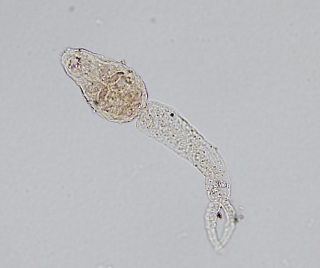
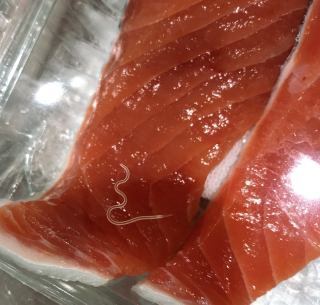
Ascaris lumbricoides is the largest nematode capable of colonizing humans and the most prevalent soil-transmitted helminth infection in the world. Ascaris lumbricoides infects as many as a quarter of the global population. It disproportionately affects children living in low socioeconomic conditions which is due to both unsanitary conditions but also malnutrition. In developed nations, malnutrition is also an issue as a result of modern, highly processed foods that contain virtually no nutrients. Infection occurs by ingesting eggs that are passed in the feces of infected individuals to other individuals through fecal-oral contact with contaminated soil or through consumption of contaminated produce.Infection is often asymptomatic, with worms turning up unexpectedly during endoscopy or imaging in doctor’s offices. When symptoms do occur, they usually reflect the worm burden. Pulmonary symptoms like cough, wheezing, or fever can develop as larvae pass through the lungs. Heavy intestinal infection can cause abdominal pain, nausea, vomiting, or diarrhea, and in extreme cases, partial or complete small bowel obstruction. Worms that migrate into the bile ducts, liver, or pancreatic ducts can cause abscesses, ascending cholangitis, or acute pancreatitis. Digestive upsets are common with Ascaris lumbricoides.
Click here to schedule a health coaching session with us.
Diagnosis is often made after an adult worm is passed in the stool. Microscopic identification of eggs in stool is possible but requires experienced personnel and can be unreliable. NAATs on stool samples show higher sensitivity for Ascaris but require further study before entering routine clinical practice. In other words, diagnosing roundworm infection can be a gamble, especially in the developed world where doctors have no knowledge, experience, or intuition about these parasites.Current approved treatments in conventional medicine include albendazole, mebendazole, levamisole, and pyrantel pamoate, with cure rates exceeding 95%, though this figure is disillusioning. As we’ve noted elsewhere, the goal of treating intestinal worms is to lower the worm load and create ecological balance in the gut that includes a few intestinal worms. Despite effective treatment, rapid reinfection is common in endemic areas probably as a result of malnutrition.
Click here to learn more and subscribe to the Living Database now.
Ivermectin has been used to reduce a heavy roundworm load. Ivermectin is one of a number of nicotinic receptor agents that modulates the activity of nicotinic receptors both in parasites as well as in the human body (intestinal worms have a nervous system that is similar to the human nervous system in that both contain nicotinic receptors). Ivermectin is not always available to patients without a prescription. Also, ivermectin can be mildly addictive, according to some studies. For this reason, we recommend that people who suspect that they have an intestinal worm infection work with wild tobacco / Nicotiana rustica as a very broad-spectrum medicine that will never lead to drug resistance (a problem that can happen with ivermectin treatment). We recommend that patients work with a special paste known as Ambil that’s produced by tribal people in the Amazon and in other areas of Central America. Ambil is relatively easy to use, but it does require a short training session to understand dosing.Embelia ribes is another treatment for roundworms that’s used in Ayurvedic medicine at a dose of 1 gram twice daily for 7 to 21 days. This protocol is followed by administration of 1 gram every 7 days for 3 months thereafter. This plant medicine has a broad spectrum action against most intestinal worms, so it is a good choice for anyone who is unsure about their exact diagnosis and for those who suspect infection with more than one type of helminth.
Chlorine dioxide solution / miracle mineral supplement has also been used to treat roundworm infection.
Click here to subscribe to the Chlorine Dioxide Protocols Database.
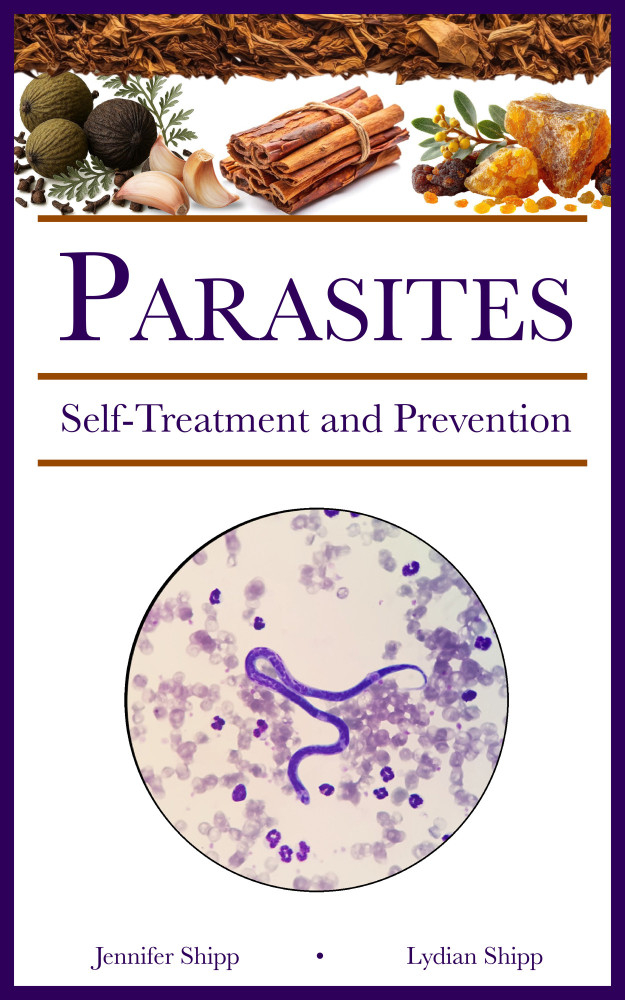
Parasites: Self-Treatment and Prevention - BUY THE eBOOK HERE!!!
Resources:
• Williamson, S. M. et al. (2009). The Nicotinic Acetylcholine Receptors of the Parasitic Nematode Ascaris suum: Formation of Two Distinct Drug Targets by Varying the Relative Expression Levels of Two Subunits. Retrieved March 18, 2026 from https://pmc.ncbi.nlm.nih.gov/articles/PMC2705655/
• Bondarenko, V. et al. (2023). Structural Elucidation of Ivermectin Binding to alpha-7nAChR and the Induced Channel Desensitization. Retrieved March 18, 2026 from https://pmc.ncbi.nlm.nih.gov/articles/PMC10020961/#:~:text=Ivermectin%20(IVM)%20is%20a%20positive%20allosteric%20modulator,NMR**%20*%20**Molecular%20dynamics%20simulations%20(MD%20simulations)**