How to Use Cayenne Pepper to Treat Chronic Pain
 NOTE: Cayenne pepper may not be appropriate for people who take blood thinners, high blood pressure medications, or those with known aneurysms.
Cayenne pepper is very detoxifying so when you begin using cayenne to treat pain, you may experience a Herxheimer reaction. This is because cayenne treats more than just pain, but also infection. It can help remove toxins from the body. So if you feel a little ill at first when you begin taking cayenne, it’s probably a detoxification reaction caused by toxins and infectious pathogens being removed from your body.
Be sure to consume plenty of fiber when you work with cayenne pepper. Consider taking a dose of bentonite edible clay in the evenings to absorb toxins that get released as a result of doing this cayenne pepper protocol.
Cayenne peppers have a Scoville Heat Unit (SHU) of between 30,000 to 50,000. This measure of “hotness” in peppers is important when you plan to use cayenne to treat chronic pain. While bell peppers have an SHU of 0, habeñeros have a SHU of about 100,000. Cayenne with an SHU of about 40,000 is a good choice for pain treatment.
NOTE: Cayenne pepper may not be appropriate for people who take blood thinners, high blood pressure medications, or those with known aneurysms.
Cayenne pepper is very detoxifying so when you begin using cayenne to treat pain, you may experience a Herxheimer reaction. This is because cayenne treats more than just pain, but also infection. It can help remove toxins from the body. So if you feel a little ill at first when you begin taking cayenne, it’s probably a detoxification reaction caused by toxins and infectious pathogens being removed from your body.
Be sure to consume plenty of fiber when you work with cayenne pepper. Consider taking a dose of bentonite edible clay in the evenings to absorb toxins that get released as a result of doing this cayenne pepper protocol.
Cayenne peppers have a Scoville Heat Unit (SHU) of between 30,000 to 50,000. This measure of “hotness” in peppers is important when you plan to use cayenne to treat chronic pain. While bell peppers have an SHU of 0, habeñeros have a SHU of about 100,000. Cayenne with an SHU of about 40,000 is a good choice for pain treatment.
How does cayenne work to reduce pain?
Cayenne works to block substance P, a neurotransmitter that is responsible for transmitter information to the brain about pain. Substance P modulates pain, sometimes decreasing and at other times increasing it, but in any case, substance P also plays a big role in depression, anxiety, and the trauma response in the body. When substance P is elevated, people tend to have a higher sensitivity to pain and a higher risk of psychiatric conditions.As a substance that can block substance P, cayenne can reduce pain sensitivity even as it produces a bit of pain itself. Cayenne is a natural pain medicine that shows how pain is not a black-and-white phenomena and paradoxically, producing a bit of pain can assist in relieving pain.

Click here to do a free trial of EMDR to Release Trauma.
What type of pain can be treated using cayenne?
There are a number of different protocols that involve cayenne for the treatment of pain. Cayenne can be used orally or topically, for example. It can be administered in a bath. But in any case, it can be used to relieve a variety of different types of pain including:- Diabetic neuropathy
- Shingles
- Migraine headaches
- Back pain
- Arthritis
- Menstrual cramps
- Bruises
- Sprains and strains
A cayenne salve is relatively easy to make and it can be used topically on any type of pain from bruises and arthritis to nerve pain. Avoid using cayenne topically on open wounds.
Note that when using a cayenne salve topically, it can take a week or two to begin to experience the results especially for arthritis pain. Use it daily or several times per day for arthritis pain relief. Always be consistent in administering this medicine topically for best results.

Click here to schedule a health coaching session with us.
Cayenne for Shingles Pain / Cayenne for Post-Herpetic Neuralgia
Shingles, also known as herpes zoster, is caused by the varicella-zoster virus that also causes chicken-pox. Cayenne can be used to relieve pain by producing a small amount of pain that quells the painful nerve sensation. Cayenne reduces the amount of substance P, a neurotransmitter that mediates pain signals between the peripheral and central nervous systems which is relevant in reducing pain due to shingles.Cayenne for Type 1 Diabetes
Studies have shown that capsaicin has hypoglycemic effects in type 1 diabetes. At a dose of 6 mg per kg body weight, capsaicin (not the whole herb) increases glycogen content in the liver, inhibits intestinal absorption of sugar, and increases body weight. Insulin levels increase from 14.9 to 22.4 in diabetic animals treated with capsaicin. Blood sugar levels decrease with capsaicin treatment through a number of mechanisms of action.Cayenne for Neuropathic Pain
Neuropathic pain, including pain due to diabetic neuropathy, post-herpetic neuralgia, or small fiber neuropathy can be treated using cayenne. The substance capsaicin, which is found in cayenne, is a natural ligand of the transient receptor potential vanilloid 1 channel and it has been used for centuries in creams and salves at concentrations between 0.025% and 0.075%. Recently, a skin-patch containing 8% capsaicin was developed for neuropathic pain.Cayenne Pepper Protocols for Chronic Pain Relief
A single application of topical high-dose cayenne (8%) can significantly reduce pain long-term, but many people have to administer cayenne regularly to get the desired effects. Topical products should be administered 3 to 4 times daily for several days or weeks to get longer-lasting pain relief.
Click here to subscribe to the Living Database now.
Cayenne Oral Administration
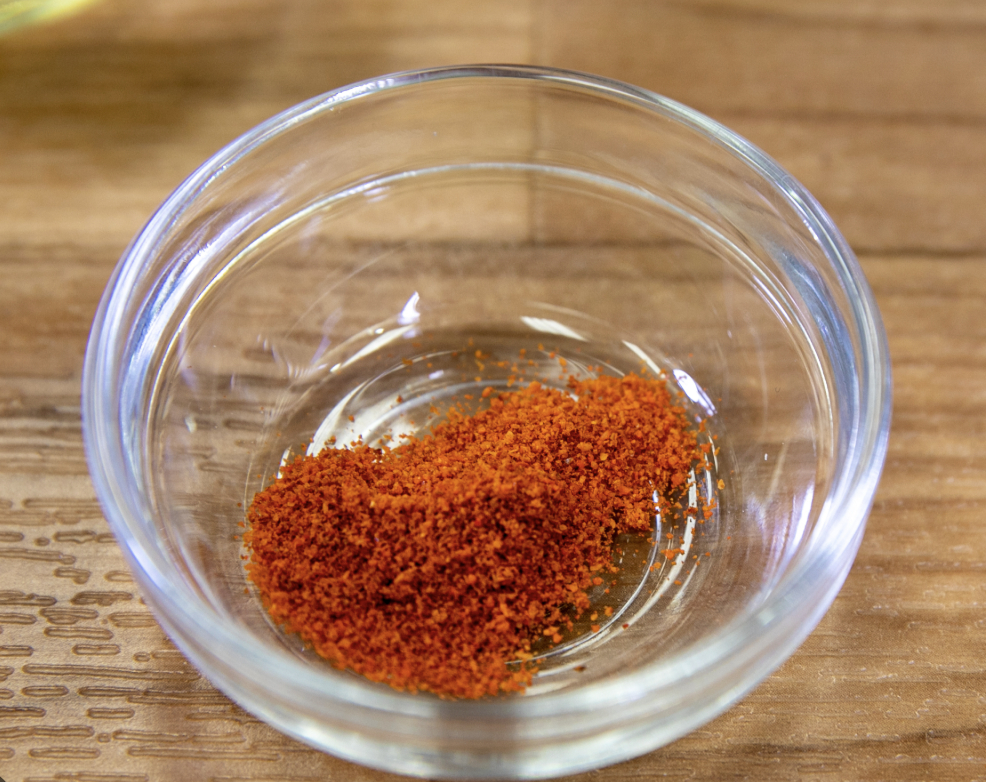
You will need to obtain cayenne pepper of up to 40,000 Scoville Heat Units (SHUs). Put ⅛ to ¼ of cayenne in a jar with 8 ounces of room-temperature water. You will drink this dose of cayenne pepper in water throughout the day. Refrigerate it between dosesTake a sip of the cayenne water every 2 to 3 hours throughout the day. Hold the water in your mouth and swish it around for 20 to 30 seconds. You want the cayenne to interact with the taste buds so as to stimulate the digestive organs, which are often the source of chronic pain. Swishing the cayenne-water around in the mouth will also help to heal gum problems. Spit out the water and then rinse with fresh drinking water about 15 minutes later.
You may end up drinking all of the cayenne in the morning or throughout the entire day. You might aim to drink half of it in the morning or half of it in the afternoon. You can consume the cayenne as quickly or as slowly as you’d like.
If you experience a stomach upset, eat healthy fats. A healthy fat would be defined as an oil or fat that has not been heated. If it is an oil, it should be something stored in a darkly-colored, glass container. Cod liver oil, olive oil, or a small amount of organic, grass-fed milk or cream can quell the digestive issues caused by cayenne. A teaspoon of almond-butter or sunflower-seed butter with half of a glass of water to wash it down can be administered about 10 to 15 minutes before dosing with cayenne to reduce stomach upsets.
For the first 14 days or so, you might experience burning when you defecate as a result of the high dose of cayenne, but your body will adapt and the burning will eventually go away. Administer coconut oil, olive oil, or Vaseline if the burning is intense and uncomfortable.
After 14 days of treatment, increase the dose to ½ teaspoon.
After one month of treatment, increase the dose to ¾ teaspoon.
On the sixth week of treatment, increase the dose to 1 teaspoon and maintain this as your daily dose thereafter.
NOTE: If you are taking capsules, be sure to drink plenty of water with the capsule to wash it down your throat fully and then to dilute and buffer the stomach to the burning.

Become an Expert. Do our Anticancer Video Course Series Online.
Cayenne Salve
You can also apply cayenne topically to areas of the body that are in pain. Below is a simple recipe for cayenne salve:- ½ cup olive oil
- 2 tablespoons / 15 grams of cayenne powder (40,000 SHU)
- ½ ounce of beeswax
Combine the cayenne and olive oil in a double broiler or in a pan on very low heat. Heat the cayenne and oil until it becomes warm. Then turn off the heat. Let it sit for 20 minutes to infuse the cayenne in the oil. Then turn the heat back on again. Repeat this process for up to 24 hours to extract the pain-killing capsaicin from the cayenne.
Strain the oil mixture to remove the cayenne bits leaving the infused oil behind.
In another pot heat the beeswax until it melts. Stir the infused oil into the beeswax until they have been thoroughly melted and mixed. Immediately pour the mixture into jars or tins.
NOTE: When applying cayenne topically, wash your hands thoroughly after using it and avoid touching your eyes or mucus membranes while you have the salve on your hands.
Use this salve within six months and then make a new batch.
Cayenne Hydrotherapy
Cayenne can be added to a bath of epsom salts and eucalyptus essential oils. Be sure to clean and rinse sensitive areas of the body at the end of this bath.

Click here to learn more about the DreamLight.app, an online guided meditation and brain-entrainment tool.
Cayenne Contraindications and Drug Interactions
Cayenne should not be administered with ACE inhibitors for high blood pressure. Stomach acid should also be avoided while working with cayenne for pain. Capsaicin may lessen the effectiveness of aspirin for pain and increase the risk of bleeding as well. Capsaicin can increase the risk of bleeding so it should also be avoided by anyone taking blood-thinning medications or herbs such as ginseng, gingko, ginger, or garlic.Capsaicin lowers blood sugar levels so blood sugar levels in those with diabetes need to be monitored during cayenne therapy. Reduce insulin dose, if necessary. Also, the regular use of cayenne pepper in any form may cause the body to absorb too much theophylline, a medication used in the treatment of asthma.
How to Reduce Pain and Burning after High Dose Cayenne Treatment
If you administer cayenne topically at a high-dose and you experience pain and burning that becomes uncomfortable, use calamine lotion to calm the burn and take a bath with oatmeal in it. Wet compresses with dampened oatmeal may also help to reduce burning.If you take cayenne internally and experience pain or a burning sensation. Drink some organic, grass-fed milk.
 Everything You Never Wanted to Know About the Treatment of Chronic Pain... and How to Avoid Painkillers That Will Eventually Kill You - BUY HERE!!!
Resources:
• Learning Herbs (2025). How to Make Cayenne Salve for Herbal Pain Relief. Retrieved July 26, 2025 from https://www.learningherbs.com/blog/herbal-pain-relief#gsc.tab=0
• Uceyler, N. and Sommer, C. (2014). High-Dose Capsaicin for the Treatment of Neuropathic Pain: What We Known and What We Need to Know. Retrieved July 26, 2025 from https://pmc.ncbi.nlm.nih.gov/articles/PMC4269612/
• Sisson, B. (2022). How to use cayenne for shingles pain. Retrieved July 26, 2025 from https://anesthesiaexperts.com/cayenne-shingles-pain/
• Zhang, S. et al. (2017). Capsaicin Reduces Blood Glucose by Increasing Insulin Levels and Glycogen Content Better Than Capsiate in Streptozotocin-Induced Diabetic Rats. LevelsRetrieved July 26, 2025 from https://pubmed.ncbi.nlm.nih.gov/28230360/
• Humes, C. et al. (2024). Substance P’s Impact on Chronic Pain and Psychiatric Conditions – A Narrative Review. Retrieved July 26, 2025 from https://pmc.ncbi.nlm.nih.gov/articles/PMC11172719/