Brown Adipose Tissue and Suicide Risk
As we’ve discussed throughout this series, various neurotransmitter systems are impacted through serotonin and serotonin transporters, in turn, play a role in brown fat activation. The most well-known neurotransmitters including serotonin, dopamine, norepinephrine, epinephrine, acetylcholine, glutamate, and GABA work together in the nervous system to produce mood states and these neurotransmitters are also connected in important ways to brown fat cells.
Click here to schedule a health coaching call with us.
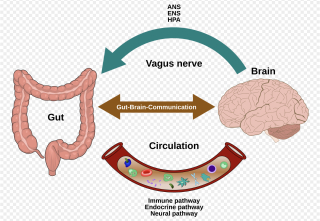
Dysregulation of brown adipose tissue function plays a role in mental health through the intimate relationship between brown fat tissues and the autonomic nervous system. In individuals who struggle with suicidal thoughts, cold shock therapy and breathwork can be beneficial as a treatment that can slowly restore brown fat cells that, in turn, interact with the autonomic nervous system to produce balance and control.Interestingly, substances with proven effectiveness in reducing suicide risk such as clozapine or lithium also interact with brown fat which further supports the idea that focusing on brown adipose tissue to reduce suicidal ideation might be beneficial for some patients. Indeed, as we’ve discussed elsewhere, those with severe mood disorders can benefit from working with sacred indigenous medicines like Ayahuasca that often cause the body to undergo states of intense inner heat and profound inner cold during a “trip” which is part of the emotional release process.
Click here to subscribe to the Living Database now.
Indeed, some case studies have shown that depression and fever are correlated. And of course, brown fat tissue can be a major player in the production of a chronic fever that produces serious ennui and suicidal thoughts. Through sacred medicines like Ayahuasca, it’s possible to understand and untether the connection between a chronic psychogenic fever and depression to release these issues in a permanent way. While conventional medicine doesn’t have a way to treat depression or psychogenic fever without producing painful and undesirable side effects, ancient systems of medicine have been used for centuries to release excess heat and states of depression using mind-body medicines like psilocybin or Ayahuasca.
Of course, this relationship between depression a chronic low-grade or high-grade fever highlights the possibility that in some individuals, severe depression and suicidal ideation might be caused, in part, by low-grade infection. While conventional does not acknowledge that a chronic low-grade infection could cause issues with human health, thousands of scientific articles and scientists across the globe would disagree heartily with these sentiments based on scientific studies that have proven otherwise. For example, all of the so-called “autoimmune diseases” have been studied by scientists to show that they are correlated with low-grade persistent infections in the body. Each autoimmune disease is associated with particular pathogens. In individuals with severe depression, low-grade fever might actually cause the depression and the low-grade fever might be caused by low-level infection that can be treated with medicines that are not available through a doctor. But even in patients with severe depression that’s not correlated with a chronic fever, low-level infection may be an underlying cause. Brown fat tissue plays a mediating role in depression nonetheless and making an effort to rebuild brown fat cells that may have been lost as a result of high heat exposure, for example, as a result of solar storm activity (which exists on an 11 year cycle), can be beneficial.
Click here to learn more about the DreamLight.app, an online guided meditation and brain-entrainment tool.
Medicinal agents like chlorine dioxide solution or the Cinchona officinalis and Artemisia annua protocol along with Wim Hof cold-shock therapy and breathwork can be beneficial in treating depression, fever, and low-grade infection. Additionally, trauma-informed therapies like Eye Movement Desensitization and Reprocessing / EMDR, craniosacral therapy, guided meditation, or hypnotherapy are essential in those with depression unless the patient is working directly with sacred indigenous medicines like Ayahuasca or psilocybin to release trauma instead.
Click here to do a free trial of EMDR to Release Trauma.
Resources:
• Evans, S. S. et al. (2016). Fever and the thermal regulation of immunity: the immune system feels the heat. Retrieved April 17, 2026 from https://pmc.ncbi.nlm.nih.gov/articles/PMC4786079/
• Schwartz, P. J. et al. (1995). Serotonin and Thermoregulation. Retrieved April 17, 2026 from https://www.nature.com/articles/1380280
• Petroianu, G. A. (2022). Hyperthermia and Serotonin: The Quest for a “Better Cyproheptadine”. Retrieved April 19, 2026 from https://www.mdpi.com/1422-0067/23/6/3365
• Suchacki, K. J. et al. (2023). The serotonin transporter sustains human brown adipose tissue thermogenesis. Retrieved April 20, 2026 from https://www.nature.com/articles/s42255-023-00839-2
• Ricquier, D. (2011). Uncoupling Protein 1 of Brown Adipocytes, the Only Uncoupler: A Historical Perspective. Retrieved April 20, 2026 from https://pmc.ncbi.nlm.nih.gov/articles/PMC3355862/
• Xunyi, G. (2024). Unexplained recurrent high fever observed in a depressed adolescent. Retrieved April 20, 2026 from https://link.springer.com/article/10.1186/s12888-024-05705-3