The Role of Iron in Psychogenic Fever
The thing is, if you have a low-level infection, your body will sequester the iron in your body and put the iron in the mononuclear phagocyte system. The mononuclear phagocyte system is a network of immune cells that includes monocytes, macrophages, and dendritic cells, all of which are derived from bone marrow. These immune cells police the body for infection. Iron gets set aside (sequestered) in the mononuclear phagocyte system in response to even a low-level infection because iron is such an important currency that’s used by most human pathogens to survive and enhance their own virulence in the body. Once iron is sequestered, it becomes functionally deficient where it is most needed (in the blood).
Click here to schedule a health coaching session with us.
As humans, we need our iron to build red blood cells so that our tissues can breathe, and we need it to build myoglobulin to store oxygen in muscle tissues as well. Without access to our own iron stores and in situations involving iron deficiency, we can’t produce energy, our immune system suffers, and we can’t produce collagen for tissue repair. Further, iron is used in the production of the following neurotransmitters:- Dopamine
- Norepinephrine
- Epinephrine
- Serotonin
These neurotransmitters play a major role in mental and physical health. We’ve talked about norepinephrine as a neurotransmitter that can set off a psychogenic fever as a mediator between the autonomic nervous system and brown adipose tissue, but dopamine plays a role in our ability to have “parental feelings” toward our children or toward family and friends as well as our ability to analyze situations and make decisions. Dopamine deficiency leads to addiction behaviors. And you should know that dopamine is important in regard to norepinephrine because norepinephrine is made from dopamine.
Norepinephrine and epinephrine (adrenaline) play a role in our ability to be awake and aware and able to adapt to changes in our environment in productive ways. Serotonin acts in the brain like insulin in the rest of the body, so without proper levels of serotonin, the brain is starved for blood sugars and thinking fuel. So a deficiency of one or all of these neurotransmitters is inevitably going to lead to serious mood problems. Indeed, a low level infection and the potential to develop a serious disease might start with depression or anxiety related to alterations in these neurotransmitters because iron isn’t as readily available in the body for their production.
The role that iron plays in the production of neurotransmitters plays a role in the relationship between malaria and mental illness. Malaria infection is powerfully correlated with a wide variety of mental health issues, but malaria is an iron thief in the body. So neurotransmitter production is hijacked by malaria infection. Malaria infection reliably causes serious mental health problems if it goes untreated at least in part because of the lack of neurotransmitters to produce a positive outlook on the world.
Click here to subscribe to the Living Database now.
If you have an iron deficiency, you might be eating too little iron in your diet, but that’s seriously unlikely. It’s rare for people to need iron supplementation because iron is recycled in the body. When you give yourself an iron supplementation, that iron can end up in the wrong hands, so to speak, and promote pathogen-domination. When iron sequestration causes the body to become functionally deficient in iron, more iron won’t help and in fact, it might hurt things.
Iron is a deficiency of copper or zinc that prevents your body from being able to properly metabolize iron. Taking too much iron can be poisonous because our bodies recycle iron efficiently. Iron, after all, is essential to our survival, so our bodies have created ways to conserve our iron and we’ve even adapted to infection by creating ways to sequester (set aside) our iron stores such that pathogens are not able to use our own iron against us. In any case, iron supplements tend to cause more harm than good for the vast majority of the world’s population. Pathogens can actually use supplemental iron against us if we aren’t careful in terms of how we work with this vital nutrient.
Click here to learn more about the DreamLight.app, an online guided meditation and brain-entrainment tool.
Low Dose Red Wine Therapy
But we can’t allow our bodies to exist in an iron deficient state and expect to thrive physically or emotionally. One of the important treatments that we have to administer in order to overcome chronic fever due to low-level infection and a chronic iron sequestration in the mononuclear phagocyte system is red wine which contains several minerals in trace quantities like copper, zinc, and iron as well as other nutrients. Packaged in alcohol, these trace minerals encourage the body to release iron in order to build healthy red blood cells. Low doses of red wine, as it turns out, is a natural fever-reducer as well in both children and adults.
Why Keto and Carnivore Diets Work in Situations Involving Iron Deficiency
Iron deficiency hijacks adipocyte mitochondria which can cause dysfunction in brown adipose tissue. Iron is one of the things that gives brown adipose tissue its brown color, after all. Iron deficiency also reduces ketogenesis, another source of energy from fats that our bodies switch to when glucose is not available. It impairs the Krebs cycle (ATP production) by altering aconitase activity, and it reduces total mitochondrial capacity in skeletal muscles. The net result of iron deficiency, as such, is a general decline in energy and wellness because the body begins to lack all of the most vital resources that it would normally use to restore its own function.
The impact that iron deficiency has on ketogenesis is one of the reasons why the ketogenic or carnivore diet works relatively well to overcome so many disease states that are caused by low-level chronic infection. When ketogenesis becomes inefficient, our bodies aren’t able to function properly when blood sugar levels dip down slightly or get hijacked by stress or anything else in the environment. A diet that’s high in meats and eggs is also high in dietary (not supplemental) iron which causes a similar fever-lowering, health-inducing effect as low doses of red wine.
Iron Deficiency and Thyroid Hormones
Further, iron deficiency reduces the ability of thyroid hormones to bind to their nuclear receptors which leads to an impairment in the body’s ability to use those thyroid hormones as well as impairing its ability to use norepinephrine. This reduced ability of thyroid hormones to bind to their receptors in the body, in turn, impairs the production and distribution of cortisol. So we might say that, holistically, iron deficiency seriously impairs the body’s response to stress. A person could conceivably have plenty of iron, copper, and zinc in their diet and be absorbing iron efficiently, but the body may still sequester the iron to produce an “anemia of inflammation” that’s caused by the presence of infection and the body’s knee-jerk-reflex to sequester the iron in immune system cells for its protection.
Autoimmune Thyroid Disease
Needless to say, iron deficiency, including both iron deficiency anemia, and also anemia of inflammation, can lead to the development of the most common type of endocrine disease: autoimmune thyroid disease. Essentially, autoimmune thyroid disease is not an autoimmune phenomena, but rather, it develops as a result of the body’s attempt to heal and prevent infectious pathogens from getting the upper hand.
Iron deficiency causes blood sugar dysregulation, a misuse of the body’s lipids and fats, and functional impairment of brown fats in the body, as well as skeletal muscle dysfunction with inert thyroid hormones acting as a focal point that worsens the thyroid problems.
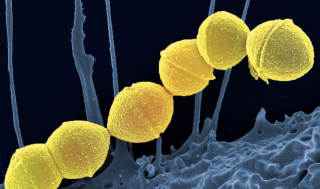
Streptococcus pyogenes is just one of many pathogens that use iron to survive and become more virulent in the body. Heat exposure and cold exposure have an impact on what happens in terms of iron-hungry pathogens, at least in part through changes in brown adipose tissue that happens as a result of physical exposure to heat and cold. Cold exposure slowly builds brown adipose tissue that’s directly wired into the sympathetic nervous system. Norepinephrine / noradrenaline and epinephrine / adrenaline are the sympathetic nervous system neurotransmitters, both of which are dependent on adequate iron-levels for production. So, if iron gets sequestered to immune system cells as a result of infection, neurotransmitter production may begin to wane, leading to autonomic nervous system dysfunction.
Autonomic nervous system dysfunction involves a wide array of different symptoms, all of which would seem to be a part of a symptom picture involving chronic disease (vs. acute infectious disease). Fever, either low-grade or even high-grade might be a major, debilitating feature in autonomic nervous system dysfunction emanating from a functional iron deficiency (known as anemia of chronic inflammation in the scientific literature). Blood pressure changes that lead to dizziness, light-headedness or shortness of breath would also be common, including, perhaps heart arrhythmias on account of the lack of red blood cells and the body’s need to allocate the low supply of red blood cells in a different way than how they would normally be allocated.
Thyroid problems might manifest as arm, elbow, wrist, or shoulder pain (due to inflammation of the thyroid gland that puts pressure on nearby nerves), eye problems (including very dry eyes for example), weight gain or weight loss, mood changes, low energy levels or even manic states, digestive issues that are caused by a speeding up or slowing down of peristalsis in the digestive system (leading to either constipation or diarrhea or both of these alternating).
Click here to do a free trial of EMDR to Release Trauma.
The hips and lower back may be achy if fat soluble vitamins get locked up in the white adipose tissue as a result of excessive heat exposure without cold exposure to balance the effects. The pelvic bowl may be challenged to remove toxins that pool in the lower intestines awaiting removal if the thyroid hormones are not able to interact productively with thyroid hormone receptors throughout the digestive system. Liver, pancreas, stomach, and small and large intestines will not be able to function optimally to digest food as thyroid function suffers, leading to a pooling of toxins in the pelvic bowl. And if brown adipose tissue disappears as a result of chronic exposure to constantly hot temperatures without a balance of cold exposure to encourage the body to switch white fat to brown fat, the body may not release its storage of fat-soluble vitamins which causes bone tissues to become weak and frail.Essentially, if the body has sequestered its iron, a series of physiological changes take shape that can lead to a preference for warm environments and cold intolerance (though the thyroid gland may be producing hormones normally) as thyroid hormones stop being able to interact productively with their receptors in tissues throughout the body. Essentially, a person with low functional iron levels as a result of iron sequestration due to low level infection would experience a functional hypothyroid state even though they have normal levels of thyroid hormones (though the thyroid gland would eventually respond to the problem of having thyroid hormones that are not docking into the receptors for use). This preference for warm temperatures and avoidance of cold temperatures would take shape in subtle ways such that the body would unconsciously support the growth and prosperity of the pathogen (in our example, Streptococcus pyogenes) through this preferential exposure to warmth.
In order to fully overcome the low-level infection, a patient would have to do several things at the same time:
- Overcome the infection using herbs like Cinchona officinalis and Artemisia annua. Cinchona officinalis works by protecting iron in red blood cells, for example, and disrupting the supply of iron to pathogens. Artemisia annua, in contrast, works as a reactive oxygen species medicine that is most powerful when the body is exposed to sunlight.
- Cinchona officinalis must be prepared as a decoction with dosing according to body-weight (1 gram of Cinchona for every 4 kilograms of the patient’s body weight).
- In children under 5 years, Artemisia annua should be given at a dose of 2.5 grams per day (administered in divided doses twice daily). In adults and kids over 5 years of age, the dose is 5 grams per day.
Click here to buy Cinchona officinalis / Quina.
- Avoid taking magnesium at the same time as you are taking Cinchona officinalis. Take magnesium malate or magnesium citrate daily, but take it 2 hours before or after you stop taking Cinchona officinalis as magnesium interferes with the absorption and use of the quinine in Cinchona officinalis.
- Avoid taking vitamin C at the same time as you are taking Artemisia annua. Take high-dose vitamin C (6000 mg daily in adults and kids 12+ years, 250 mg daily for each year of a child’s life up to age 12) on days off from Artemisia annua to avoid canceling out this medicine. Vitamin C does help with iron absorption and red blood cell construction, but it cancels out reactive oxygen species medicines. Administer vitamin C with Hemidesmus indicus at a high dose once or twice weekly.
- Take one to two days off each week from taking Artemisia annua and instead administer Hemidesmus indicus at a dose of 12 grams daily per adult and for kids ages 12+ years. Administer 1 gram per year of the child’s age in younger kids.
Click here to buy Artemisia annua / Qing Hao.
- Administer daily cold-therapy sessions (cold showers) to slowly regrow brown adipose tissue that, in turn, releases the body’s stores of fat-soluble vitamins, in particular vitamin K2 (though all of the fat-soluble vitamins are important), to remove calcifications of soft-tissues and simultaneously support the movement of soft-tissue calcium to bones and teeth.
- Take in daily doses of bioavailable iron, copper, and zinc. We don’t recommend the use of iron supplements because it often seems that they are either not absorbed properly or they may be sequestered and become unusable. Instead, we recommend that both children and adults administer 3 to 5 doses of red wine (1 tablespoon per dose in adults and kids over 10 years of age, up to 1 teaspoon or less in children 2-10 years of age, and in children under 2 years, 6-8 drops of red wine per dose) throughout the day. Red wine contains copper, iron, and zinc in trace quantities to demonstrate to the body that iron is available and absorbable as it is packaged with alcohol, a substance that acts like insulin in very small doses. This encourages the body to notice the iron, copper, and zinc because cells open to these nutrients as a result of their presence in the alcohol. As a result, the body begins to build new red blood cells. This must be combined with the Cinchona officinalis and Artemisia annua treatment and the cold therapy treatment at the same time.
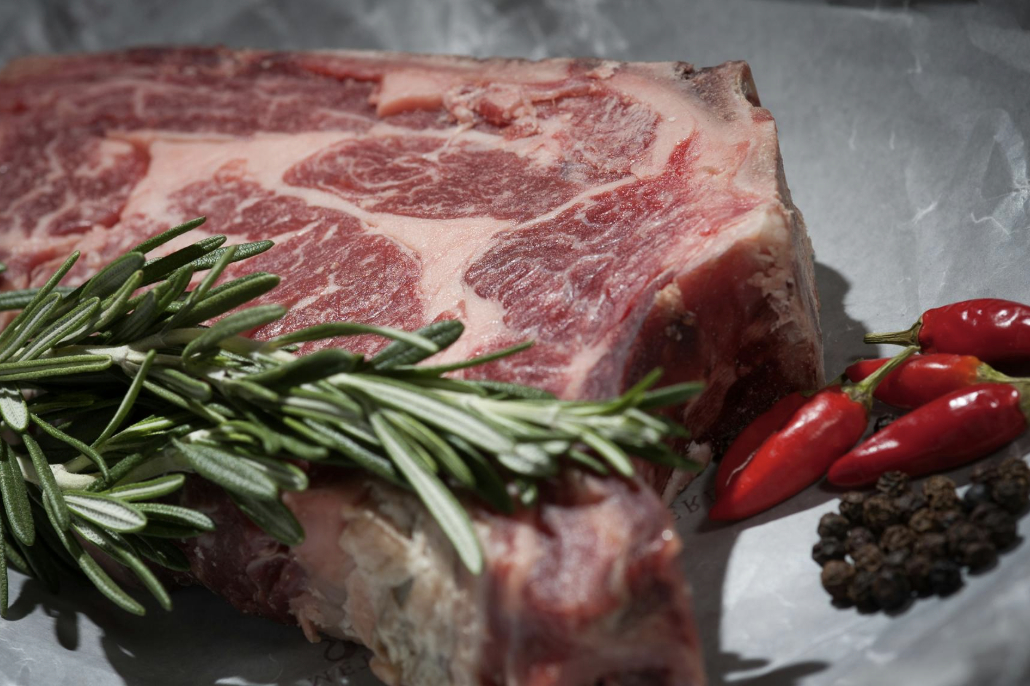
- The patient must also receive daily doses of red meat which also contains iron, copper, and zinc as well as fat-soluble vitamins in bioavailable forms. Ideally, the red meat should be consumed with the red wine.
- Green coffee enemas are recommended 3 times daily for 8 weeks or longer, especially for those who are suffering from psychogenic fever because coffee enemas help the body detoxify faster. When red blood cells are in short supply, detoxification can be a major problem as there are fewer red blood cells to remove toxins from cells, leading to a backlog of toxins on a 2 to 7 day cycle. This backlog of toxins tends to show up in a cyclic return of symptoms every 3 to 7 days during treatment as the patient is healing. It takes 7 days to build a new red blood cell, so as new red blood cells are built and recruited into the blood plasma, tissues throughout the body take turns releasing toxins that have been stored as a result of the disease-state. The cyclic development of symptoms of detoxification every 3 to 7 days can last for several months with this type of treatment.
Click here to buy Green Coffee.
Resources:
• Walker, N. F. and Chiodini, P. L. (2018). Liver lesions in the returning traveler.
• Retrieved February 20, 2026 from https://www.sciencedirect.com/science/article/abs/pii/S1357303917302785#:~:text=Symptoms%20suggestive%20of%20a%20liver,may%20be%20the%20only%20sign.
• U.S. Department of Veteran Affairs (n.d.). Liver Disease.Retrieved February 20, 2026 from https://www.hepatitis.va.gov/basics/liver-disease-symptoms.asp
• Li, M. et al. (2024). Brown adipose tissue facilitates the fever response following infection with Salmonella enterica serovar Typhimurium in mice. Retrieved January 26, 2026 from https://pubmed.ncbi.nlm.nih.gov/39128824/
• Krysa, S. J. and Brestoff, J. R. (2024). Brown fat fuels the fire in fever. Retrieved January 26, 2026 from https://www.sciencedirect.com/science/article/pii/S0022227524001639
• Szentirmai, E. and Kapas, L. (2018). Brown adipose tissue plays a central role in systemic inflammation-induced sleep responses. Retrieved January 26, 2026 from https://journals.plos.org/plosone/article?id=10.1371/journal.pone.0197409
• Andres, E. and Lorenzo-Villa, N. (2024). Fat-Soluble Vitamins A, D, E, and K: Review of the Literature and Points of Interest for the Clinician. Retrieved February 19, 2026 from https://pmc.ncbi.nlm.nih.gov/articles/PMC11242131/
• Christian, M. (2017). The browning of white fat. Retrieved February 18, 2026 from https://www.endocrinology.org/endocrinologist/126-winter17/features/the-browning-of-white-fat/
• Shen, H. et al. (2019). Brown fat activation mitigates alcohol-induced liver steatosis and injury in mice. Retrieved February 19, 2026 from https://pubmed.ncbi.nlm.nih.gov/30888335/ 1 3
• Tabei, S. et al. (2024). Metabolic Effects of Brown Adipose Tissue Activity Due to Cold Exposure in Humans: A Systematic Review and Meta-Analysis of RCTs and Non-RCTs. Retrieved February 18, 2026 from https://www.mdpi.com/2227-9059/12/3/537
• Sarlon, J. et al (2023). Potential links between brown adipose tissue, circadian dysregulation, and suicide risk. Retrieved February 18, 2026 from https://www.frontiersin.org/journals/neuroscience/articles/10.3389/fnins.2023.1196029/full
• Violet, P. C. et al. (2020). Vitamin E sequestration by liver fat in humans. Retrieved February 19, 2026 from https://pmc.ncbi.nlm.nih.gov/articles/PMC7030816/
• Andres, E. et al. (2024). Fat-Soluble Vitamin A, D, E, and K: Review of the Literature and Points of Interest for the Clinician. Retrieved February 19, 2026 from https://pmc.ncbi.nlm.nih.gov/articles/PMC11242131/