NMDA Receptor Antagonists for Fibromyalgia Pain Relief
 There are certain types of pain that tend to respond best to a combination of opioid receptor interaction and NMDA receptor interaction. The combination of these two types of nervous system effects quells the “wind-up” pain that fibromyalgia patients tend to experience as their bodies brace against pain that might to occur – an effect that essentially heightens pain in a general way.
I had fibromyalgia-pain when I was in my early twenties following the trauma of a stillborn child. This pain was what motivated me to learn more about natural medicine because there was no treatment and no cure for fibromyalgia that I knew about back then. I often couldn’t walk or even pull the covers up on my bed to go to sleep at night. But I did get rid of the pain eventually (it took many years). Lydian, my daughter, developed fibromyalgia pain after her daughter was born as a result of extreme trauma and she and I dedicated yet more time to this problem to find natural cures that would work quickly for her.
The two medicinal agents that she worked with successfully to get rid of fibromyalgia pain were procaine injections (a modified form of neural therapy) and kratom. I studied several textbooks and I have a medical background, but administration of this type of therapy is straightforward and Lydi and I can teach people how to do it with a partner. Lydian considered ketamine as a third option, but kratom was the most effective treatment that she worked with while trying to raise an infant. Ketamine is something that is luckily very accessible to us because of our location near Mexico City, but we generally try to avoid clinics and hospitals so it became a third choice for her that we never had to use.
The glutamatergic system plays an important role in regulating many aspects of nervous system function that’s relevant in a discussion about fibromyalgia. In patients with fibromyalgia, targeting NMDA receptors in the glutamate system along with opioid receptors using medicinals that are not opiates is key to overcoming pain in a permanent way without addiction or negative side effects.
Glutamate is the most important excitatory neurotransmitter in the human nervous system. The glutamatergic system is intimately connected to many other neurotransmitter pathways with glutamate receptors found throughout the spinal cord, brain, and peripheral nervous system. Glutamate is both an amino acid and a neurotransmitter and it has an array of physiological functions. When glutamate is dysregulated, it has a number of profoundly negative effects on the body.

Click here to schedule a health coaching session with us.
Several fibromyalgia medicines that target the glutamatergic system and the opioid system have been studied by scientists with successful outcomes. Many scientists believe that glutamate system dysfunction plays a big role in the development and maintenance of chronic pain conditions like fibromyalgia because the “wind up” pain often ends up producing the core pain that afflicts fibromyalgia patients. Medicines that modulate the glutamate system while providing actual pain relief are key in treating this disease. We’ll discuss them below.
Ketamine for Fibromyalgia
Intravenous administration of ketamine has been studied scientifically as a viable tool to control fibromyalgia pain effectively. But ketamine can also help people overcome fibromyalgia-pain in a permanent way (with multiple treatments) by releasing trauma from the autonomic nervous system.Ketamine has weak opioid-receptor effects combined with NMDA-receptor effects and it provides effective pain control for fibromyalgia which is awesome. Ketamine works by reducing the “wind-up” pain that occurs when the body braces itself against the onset of pain, causing increased pain sensitivity in the body overall that worsens the experience of pain when it exists. Animal and human experiments have demonstrated the wind-up pain depends on the NMDA and the substance P receptor systems.
Sympathetic sprouting that occurs at the dorsal root ganglion in response to chronic pain might also help to explain how and why something like ketamine works to heal fibromyalgia. When chronic pain exists in the body, sympathetic nerves “sprout” new connections at the dorsal root ganglion in the spinal cord to route more pain information to the brain. These “sprouts” eventually form “baskets” of extra nerves to transmit data about pain. In order to overcome fibromyalgia, a person must relieve the pain through nerve blocking of some kind that happens daily (or often enough to prevent the chronic pain from happening often).

Click here to do a free trial of EMDR to Release Trauma.
Dimethylsulfoxide / DMSO for Fibromyalgia
Dimethylsulfoxide / DMSO blocks pain in C-nerve fibers. As such, DMSO is an over-the-counter medicine that can be used to control pain in those with fibromyalgia and also heal the underlying issues that perpetuate the chronic pain condition. DMSO is an over-the-counter, FDA-approved medicine that has an extremely broad spectrum of action. A whole system of medicine could be based on the use of DMSO in combination with other medicines, but this is a medicinal agent that requires a bit of learning to use it safely. Nonetheless, DMSO itself has a toxicity level similar to that of water and it has been used for decades to control different types of pain. DMSO specifically heals nerves and brain tissue and it can perform miracles when administered at high doses. Be sure to learn more about DMSO before you attempt to use it in high doses for pain-control though and use it consistently and regularly for best results.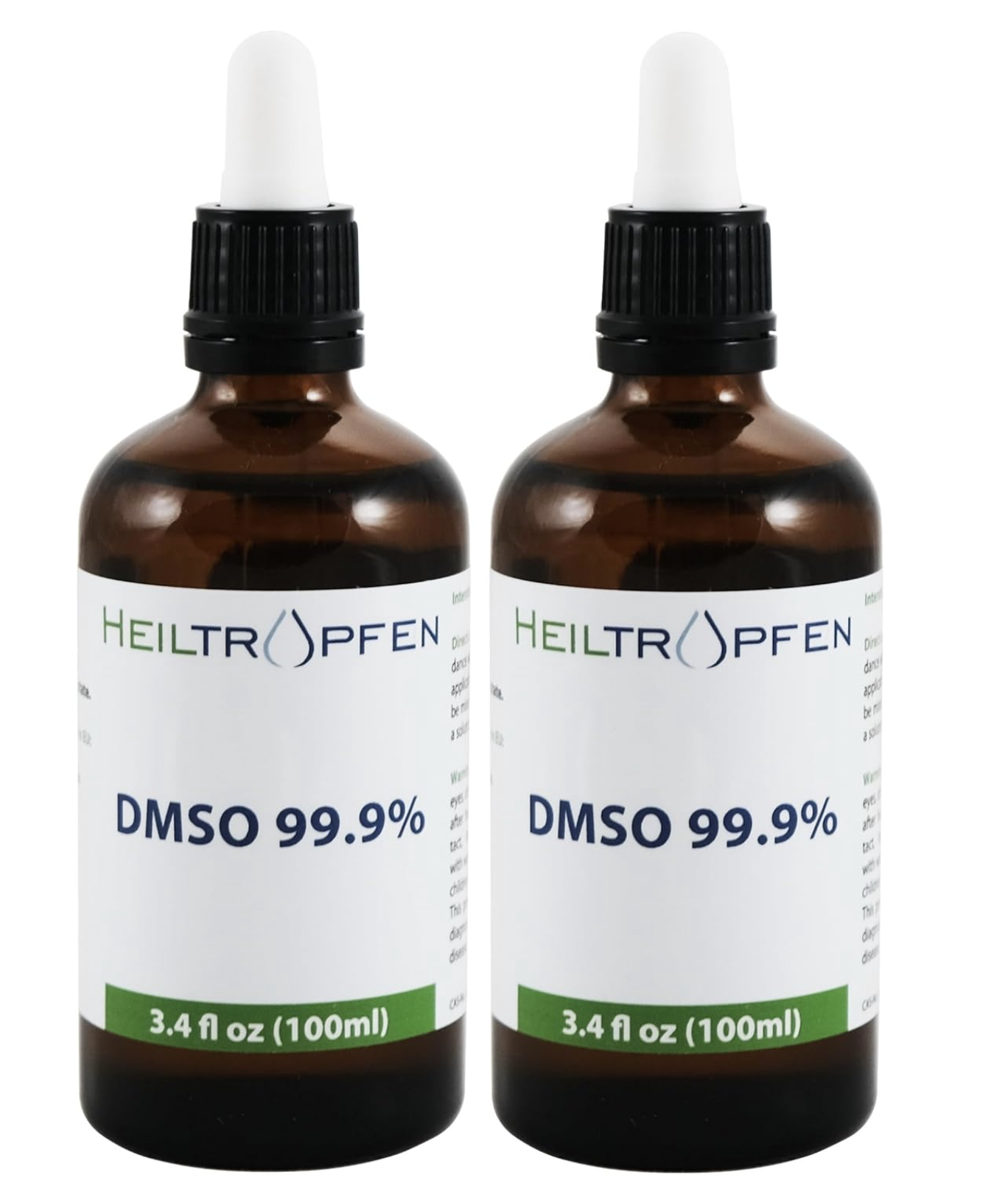
Click here to buy pharmaceutical grade DMSO.
Dextromethorphan Hydrochloride
Another medicine that has been important in the treatment of fibromyalgia is dextromethorphan hydrochloride. Unfortunately, most of the dextromethorphan products on the market are dextromethorphan hydrobromide, with bromide acting quietly behind-the-scenes to slowly destroy the thyroid gland and reproductive organ function over time. While dextromethorphan hydrochloride at a dose of 60 to 90 mg can significantly reduce fibromyalgia pain, dextromethorphan hydrobromide will relieve pain at first, but ultimately worsen the fibromyalgia pain over the course of time.When used as a cough suppressant, dextromethorphan hydrobromide also causes asthma and psychiatric illness as bromide builds up in the body over time. As a general rule, avoid products that contain “bromide”, “bromo”, or “bromine” in the ingredients list as they are insidious in producing negative side effects.
Many dextromethorphan products do not indicate whether they are made with hydrochloride or with hydrobromide. Bromide is a toxin that builds up in the body over time to cause serious health issues which include fatigue, brain fog, cancer, hypothyroidism, and more. If you don’t know whether the product you’re using contains hydrochloride or hydrobromide salts of dextromethorphan, do not buy or use the product.
That being said, dextromethorphan hydrochloride can be used in pain management, particularly for fibromyalgia. It works through interacting with the NMDA receptors. It binds to NMDA receptor sites in the central nervous system to block pain. Dextromethorphan can be used to reduce the dose of other analgesics as well. Dextromethorphan can reduce pain at a dose between 30-90 mg without causing major side effects as long as it is administered as dextromethorphan hydrochloride and not dextromethorphan hydrobromide.

Click here to learn more about the DreamLight.app, an online guided meditation and brain-entrainment tool.
Procaine is an anesthetic that works with opioid receptors and NMDA receptors to relieve pain. Procaine can be used as a pain-reliever as well as a numbing agent though typically, when used in neural therapy or modified versions of neural therapy, procaine relieves pain without producing numbness. Procaine has a very short anesthetic action on the body of only about 20 minutes, but while its numbing abilities are short-lived, its pain-relieving effects can be long-term or even permanent. Some people, after receiving procaine injections at trigger points, never experience pain at those trigger points again. Other people need daily injections.
We combine procaine with sterile DMSO injections in a modified form of neural therapy that uses acupuncture and trigger points to produce lasting, powerful pain relief, trauma release, and healing of the chronic pain condition as a whole. We offer short educational programs in Mexico to show people how to administer procaine injections on themselves for fibromyalgia pain relief and treatment. We often combine this therapy with bee venom / apitherapy at our facility and instruct patients on self-administration of this treatment as well at the same time. For more information about receiving treatment for fibromyalgia in Mexico, contact us at [email protected].
Kratom for Fibromyalgia
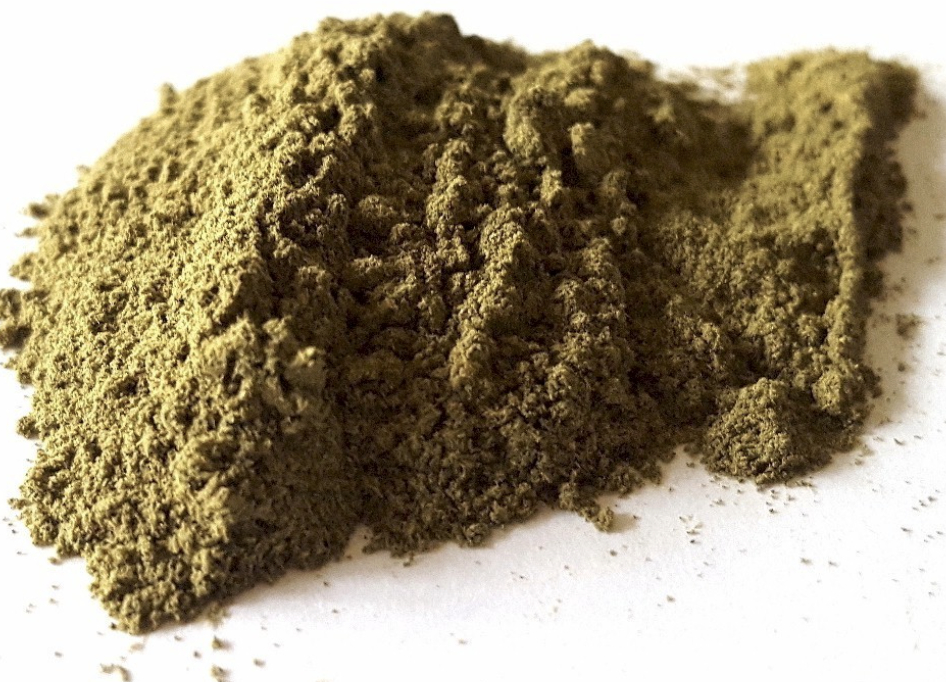
Kratom is a natural pain-killer that is far safer than either ketamine or dextromethorphan hydrochloride. A great deal of propaganda has been produced to scare people away from kratom because this is an herb that threatens the opioid-rehab industry, the cancer industry (kratom is anticancer) and the diabetes industry (kratom controls blood sugar levels). There is a huge amount of propaganda out there about kratom, but if you encounter this propaganda, just be aware that studies showing deaths due to kratom and kratom addiction largely involve the use of kratom in combination with other drugs. These studies are not portrayed fairly to the public or even to other scientists, but if you look closely, kratom itself is not the problem, but rather other drugs that are combined with kratom. That being said, do not combine dextromethorphan with kratom. Choose one or the other. If you choose dextromethorphan, avoid dextromethorphan HBr as the HBr will worsen your symptoms and make you sicker over time.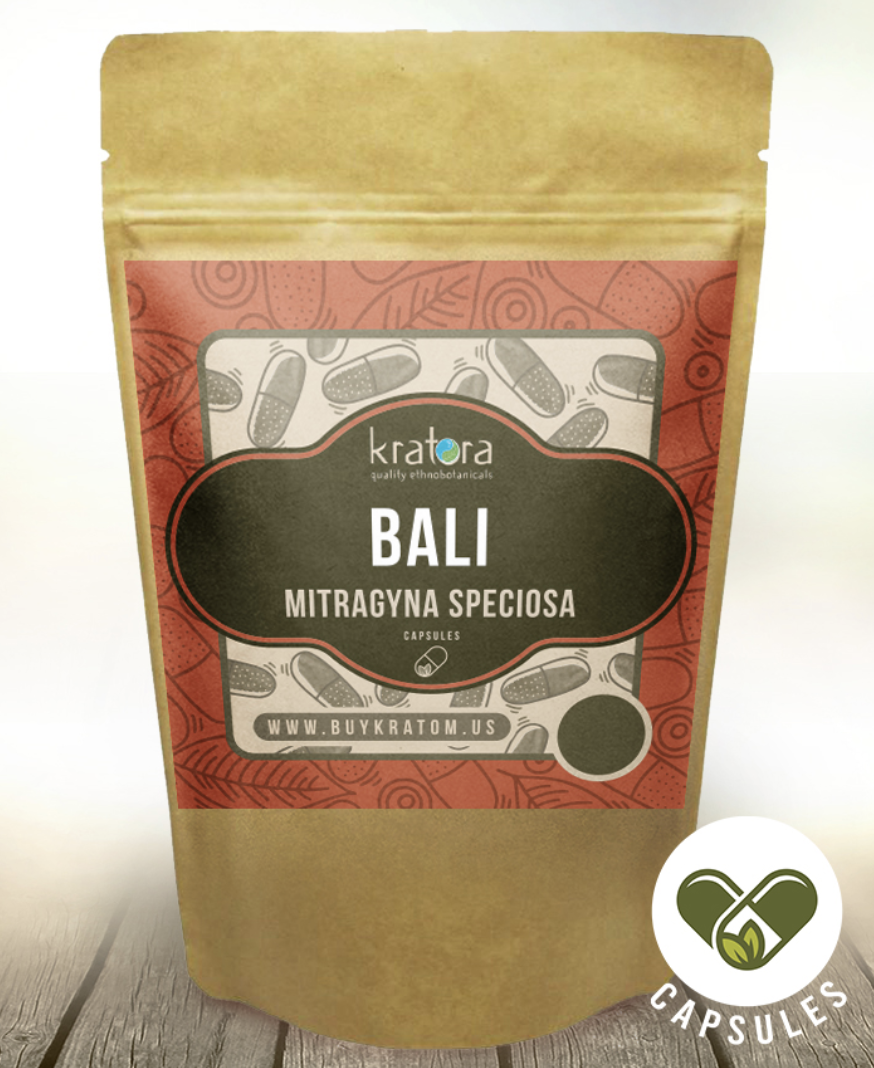
Click here to buy Kratom.
Many people are able to successfully stop using opioids and switch to kratom as a pain-reliever that is, for the most part, non-addictive. Most people who work with kratom are able to stop using kratom permanently within about 3 years because their pain goes away completely. When used properly (switching veins and strains often), people don’t get addicted to this herb. When used improperly or if people stop taking kratom before their pain condition has resolved, kratom can be addictive. After all, any substance that is able to kill pain can become psychologically addictive including both dextromethorphan hydrochloride and ketamine. For this reason, we recommend that people work with medicines that are killing pain, but also healing the body at the same time. The kappa-opioid and mu-opioid receptor effects caused by kratom relieve pain while the kappa-opioid receptor effects also have the ability to re-myelinate nerve tissues that may have been damaged as a result of a disease process of some kind. Kratom is one of several kappa-opioid receptor "agonists" that can cure multiple sclerosis and a variety of other nervous system issues like Salvia divinorum (yet another pain-killing herb).
Click here to subscribe to the Living Database now.
Rhynchophylline is chemically related to the alkaloid mitragynine and its medicinal effects include:- Treatment of dizziness and vertigo
- Epilepsy treatment
- Treatment for numbness
- Hypertension treatment
Kratom has differing effects depending on the dose. At times, it can be stimulating while at other times it is a relaxing herb. Fibromyalgia sufferers might need up to 5 or 6 grams per day to kill pain, but some people need just 500 mg daily for pain relief. Kratom effects last for 3-6 hours at a time. Kratom, like the other NMDA antagonist treatments, is able to prevent wind-up pain as well as provide solid pain relief for long periods of time.

Become an Expert. Do a Video Course Series Online.
The Red Bali strain is a good place to start for those who would like a relaxing, sedating kratom product. Choose a variety pack of several different strains and take a different strain daily for chronic pain to avoid addiction and enhance the healing effects of this herb. Ideally, choose, red, green, and yellow / gold veins as these have the most pain-relieving effects. Red Bali and Red Hulu are good strains for nighttime and sleep. Green and yellow are good daytime veins. To improve energy, take a white vein form of kratom.
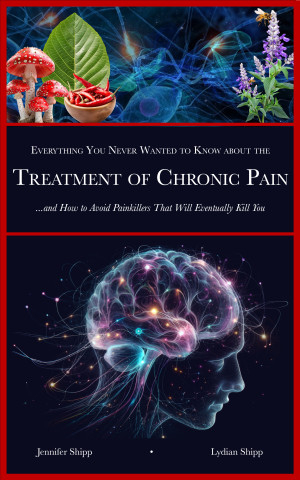
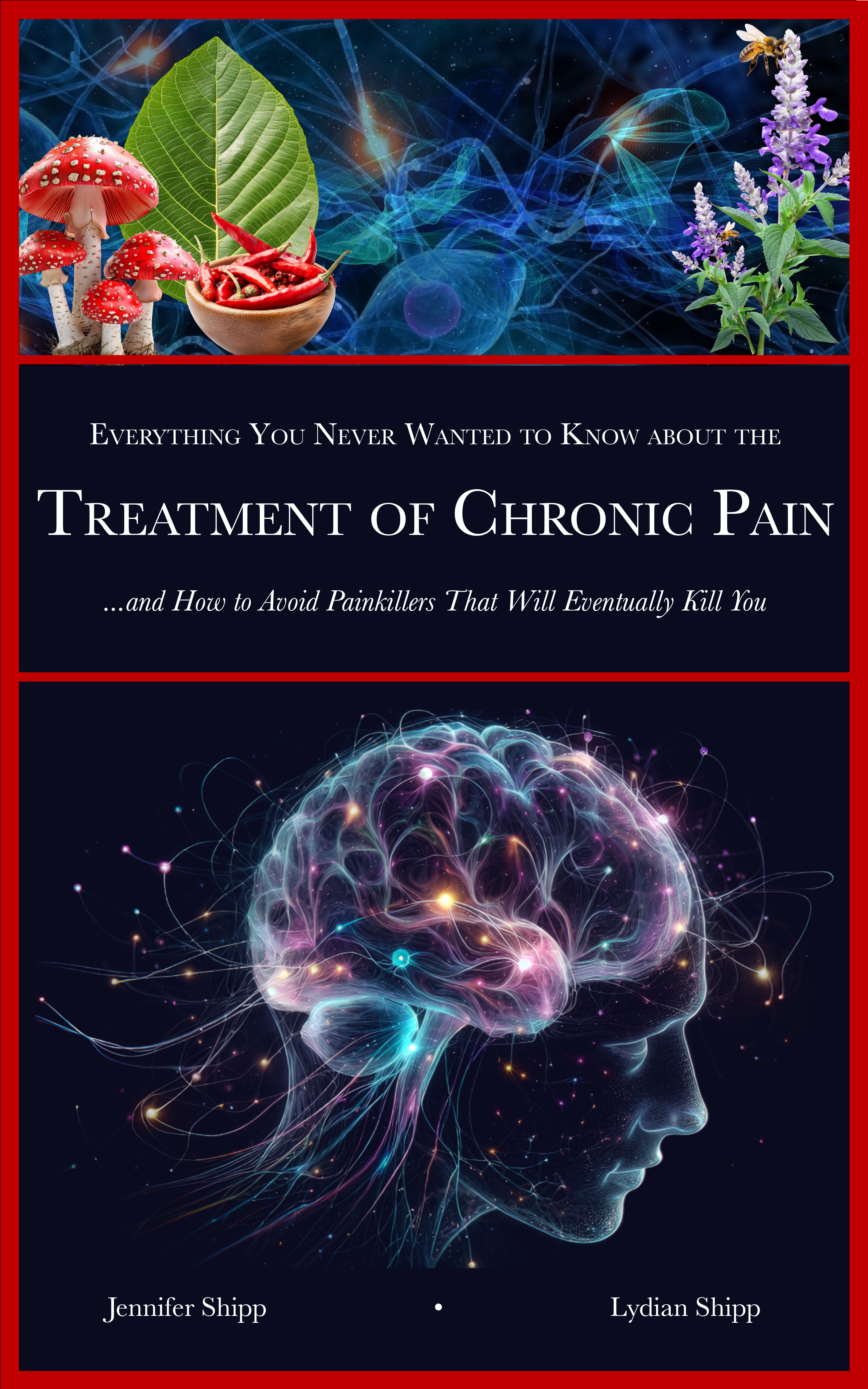 Everything You Never Wanted to Know About the Treatment of Chronic Pain... and How to Avoid Painkillers That Will Eventually Kill You - BUY HERE!!!
Resources:
• Henriksson, K. G. & Sorensen, J. (2002). The promise of N-methyl-D-aspartate receptor antagonists in fibromyalgia. Retrieved September 12, 2025 from https://pubmed.ncbi.nlm.nih.gov/12122922/
• Institute of Medicine Forum on Neuroscience and Nervous System Disorders (2011). Glutamate-Related Biomarkers in Drug Development for Disorders of the Nervous System: Workshop Summary. Retrieved September 12, 2025 from https://www.ncbi.nlm.nih.gov/books/NBK62187/
• Staud, R. et al. (2005). Effects of the N-methyl-D-aspartate receptor antagonist dextromethorphan on temporal summation of pain are similar in fibromyalgia patients and normal control subjects. Retrieved September 12, 2025 from https://pubmed.ncbi.nlm.nih.gov/15890634/
• Weinbroum, A. A. et al. (2000). The role of dextromethorphan in pain control. Retrieved September 12, 2026 from https://pubmed.ncbi.nlm.nih.gov/10875724/
• Weber, ,C. (1998). NMDA-receptor antagonist in pain therapy. Retrieved September 12, 2025 from https://pubmed.ncbi.nlm.nih.gov/9746842/
• Rabben, T. et al. (1999). Prolonged analgesic effect of ketamine, an N-methyl-D-aspartate receptor inhibitor, in patients with chronic pain. Retrieved September 12, 2025 from https://pubmed.ncbi.nlm.nih.gov/10215688/