Psychoactive and Medicinal Mushrooms for MS and Other Neurological Disorders
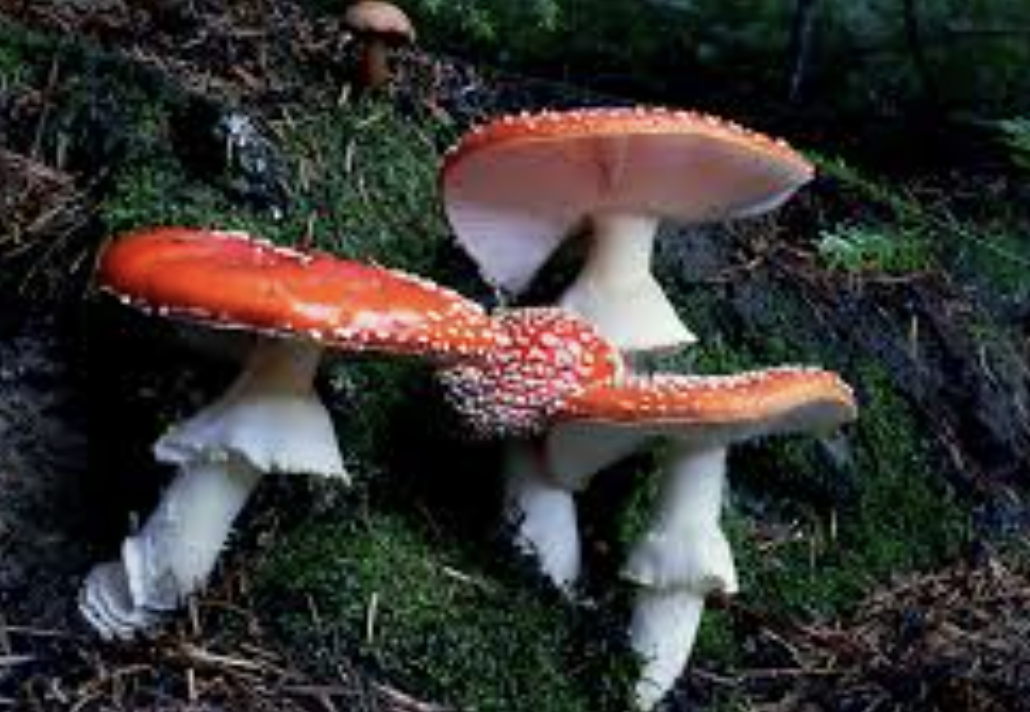 Neurological disorders are scary. Consensus science peddles the idea that nerves and nervous system tissue, once damaged, can never heal. So when a person receives a diagnosis like multiple sclerosis, it’s just plain scary. But though we, at AlivenHealthy, acknowledge that symptoms of multiple sclerosis exist, we ascribe to the idea that symptoms are just symptoms and the goal is to get the symptoms of this disease to go away. For people who are not willing to label themselves with this disease as though it were a permanent, unchanging, and unhealing condition, we’d like to discuss the idea of Amanita muscaria mushrooms as medicine that can specifically be used to treat multiple sclerosis.
Multiple sclerosis is regarded in conventional medicine as an autoimmune disease. For readers who are interested in learning about alternative models of multiple sclerosis, consider underlying low-level infection as a potential multiple sclerosis cause that can be treated and cured. In conventional medicine, MS is viewed as an inflammatory condition that leads to the destruction of the myelin sheath that surrounds nerves. According to this system of medicine, MS has no known cause and no known cure even though many scientists have found compelling links to infectious pathogens that exist as a low-level infection that can cause myelin sheath destruction that produces the symptoms of MS. Reactive oxygen species medicines such as food grade hydrogen peroxide or chlorine dioxide solution / miracle mineral supplement are medicines that are used to treat and overcome low-level, colonizing infections with pathogens that can cause multiple sclerosis. And the sacred medicine known as Salvia divinorum has the ability to remyelinate nerves that have been damaged as a result of multiple sclerosis.

Click here to schedule a health coaching session with us.
Multiple Sclerosis and Mycelia
Multiple sclerosis is a demyelination of nervous system tissue. It is, essentially, a situation in which the insulation around nerves degrades and dissolves for one reason or another. When the insulation around a nerve breaks down, the nerve stops being able to transmit information from one area of the body to another.There are a number of underlying causes that contribute to the development of multiple sclerosis, but one of the most overlooked of these causes is the body’s inability to download and release stress. An inability to tolerate, adapt to, and release stress happens in the modern world in large part because staple foods like wheat, corn, and soy that have been genetically modified no longer contain the amino acids that the body needs to produce neurotransmitters like dopamine and serotonin. Amino acids like L-tryptophan and L-tyrosine no longer exist in appreciable quantities in the food supplies of countries that largely use GMO technologies to produce staple foods. The lack of these nutrients leads to a buildup of stress and trauma in the body that can’t be integrated and released. This stress-trauma buildup leads to emotional symptoms that look a bit like PTSD in some cases or other major mental health problems like severe depression, multiple personality disorder, anxiety disorders, bipolar, and even psychosis. While some people develop mental health problems as a result of an inability to process stress properly (due initially to nutrient deficiencies in the general food supply), other people develop physical symptoms of neurological degeneration in one form or another.
To better understand trauma, it can be valuable to look closely at any number of the sacred medicines, especially psilocybin as a very gentle medicine to get started with treating trauma. But if you decide to work with the sacred medicines for trauma-release in order to overcome a major disease like multiple sclerosis, be sure to commit to the process and expect to do 30-50 full trips with psilocybin mushrooms or up to 3 years of psilocybin microdosing to overcome symptoms of your disease fully.
Click here to learn more about the DreamLight.app, a guided meditation and brain-entrainment tool for natural trauma-release.
Mycelia is not the same thing as a mushroom, but rather a related and necessary thing that births mushrooms at the soil’s surface. Mycelia grows as the nervous system of the forest that lives underground in the soil connecting one tree to another tree and those trees to bushes and flowers so that the forest experiences itself (ideally) as one community - as a unit. Mycelia is a very delicate thread-like entity from which the fruiting bodies of mushrooms grow. Mushrooms are the reproductive part of the mycelium that release spores at a specific time of year, but mycelia is like the nervous system of the forest that allows the transmission of information from one plant to another across vast distances.
Studies have shown that psychedelic mushrooms specifically such as Psilocybe cubensis or Amanita muscaria have the ability to help the nervous system prune back “sick” nervous system “loops” and to promote the rapid growth of new nervous system tissues. In other words, these psychedelic mushrooms help us adapt to change in part by releasing what no longer serves us, namely trauma.
Scientific studies have shown, for example, that psilocybin is able to produce rapid and persistent effects in human clinical trials to induce neuroplasticity, or the ability of the brain and nervous system to alter maladaptive nerve connections and grow new ones. In comparison with methylphenidate (Ritalin) at 40 mg, psilocybin at 25 mg is able to massively disrupt nerve connectivity in the cortex and subcortex of the brain to cause a 3-fold greater change than methylphenidate, with substantial nerve growth to counteract any pruning that occurs for the purposes of healing maladaptive nervous system programming.

Click here to learn more and subscribe to the Living Database now.
Disruption in nerve connectivity may sound like a negative thing, but in fact, when nerve connectivity is too entrenched and repetitive, the body must prune back the nerves that would otherwise grow out and reach out toward novel experiences and opportunities. Indeed in chronic pain conditions, nerves overgrow to produce “sympathetic sprouts” at the dorsal root ganglion. These “sprouts” later turn into “nests” of excess nerves that transmit (mostly unwanted) data to the brain about pain. In order to heal chronic pain, these nerve must be “pruned” back substantially.Without medicines like the psychedelic mushrooms, we tend, as humans, to develop “feedback loops” in our neural connections that make it very difficult for us to find novel solutions to problems such as major disease. Brain plasticity is key in helping us solve our problems without getting caught in a maladaptive loop. Plasticity governs the brain’s and body’s ability to overcome states of depression, anxiety, and even psychosis as well as physical health problems like multiple sclerosis.
Mushrooms specifically as a medicinal protocol can be used to treat and cure multiple sclerosis. This is not a quick fix though! And as sentient healers, mushrooms demand at least that we acknowledge their role in forests as the underground nervous system. The results of working with medicinal mushrooms for multiple sclerosis will be different if you work with Intention versus attempting to work with them as just “pills that you have to take every day”. Indeed, psilocybin-containing mushrooms and fly agaric are two types of mushrooms that teach a person how to have an Intention. The inability to have and know an Intention is often a basic loss for people that can lead, by itself, to a disease like multiple sclerosis. If the idea of having Intention seems distant or hard-to-understand, this disconnect between mind and “felt-sense” of the body likely plays a role in your disease process.
Mushrooms specifically as a medicinal protocol can be used to treat and cure multiple sclerosis. This is not a quick fix though! And as sentient healers, mushrooms demand at least that we acknowledge their role in forests as the underground nervous system. The results of working with medicinal mushrooms like Amanita muscaria or Psilocybe cubensis for multiple sclerosis will be different if you work with Intention versus attempting to work with them as just “pills that you have to take every day”. Indeed, psilocybin-containing mushrooms and fly agaric are two types of mushrooms that teach a person how to have an Intention. The inability to have and know an Intention is often a basic loss for people that can lead, by itself, to a disease like multiple sclerosis. If the idea of having Intention seems distant or hard-to-understand, this disconnect between mind and “felt-sense” of the body likely plays a role in your disease process.
Psychedelic Mushrooms for Multiple Sclerosis
Psilocybin-containing mushrooms are very different from Amanita muscaria. Don’t use these two types of mushrooms together at the same time. Separate the use of psilocybin mushrooms from the use of Amanita muscaria by at least 6 hours.We’re going to talk about psilocybin-containing mushrooms and Amanita muscaria first as the foundation for treating multiple sclerosis using a mushroom protocol. Other types of mushrooms that are not psychedelic are also important, but if you’re really ready to overcome the symptoms of multiple sclerosis, you’ll want to start with microdosing and later macrodosing with psilocybin mushrooms and also Amanita muscaria (though at separate times). You can work with both of these mushrooms, but if you decide to follow this route, we recommend that you take psilocybin as a microdose (or as a macrodose) in the morning and wait until bed time to take Amanita muscaria as a microdose.
Amanita muscaria / Fly Agaric for MS
Amanita muscaria is always administered as an extract of the whole mushroom. As a whole mushroom, Amanita muscaria is poisonous to humans and it can cause very unpleasant symptoms.
Amanita muscaria has been studied in terms of its ability to heal multiple sclerosis. This is a medicine that you can work with very intensively, just don’t mix it with psilocybin at the exact same time. Amanita is usually administered as a microdose which means that its psychedelic effects are limited. Amanita can produce lucid dreams though when it is taken at night as a microdose and at times, if the dreamer is paying attention and writing down dream-details in the middle of the night, these dreams can be informative in terms of how to heal the disease. Amanita doesn’t produce psychedelic effects during wakeful periods unless you take a macrodose.
Amanita muscaria mushrooms have been used for centuries to heal the nervous system and get rid of neuroinflammation possibly as a result of their trehalose content. Studies have shown that Amanita muscaria can modify inflammatory responses in the nervous system. In another discussion, we elaborated on the experience of a young man who took raw, unprocessed Amanita muscaria mushrooms, in an effort to get “high”. He had a very unpleasant experience, but as the Amanita trip wore off, his normal waking consciousness returned one-body-part-at-a-time. A person who experiences partial or full paralysis as a result of multiple sclerosis might be able to appreciate the idea that Amanita muscaria can produce a healing effect by bringing sleeping parts of the body back to consciousness.
 Everything You Never Wanted to Know About the Treatment of Chronic Pain... and How to Avoid Painkillers That Will Eventually Kill You - BUY HERE!!!
Psilocybin-Containing Mushrooms for MS
A number of serious diseases, neurodegeneration disorders, and even psychiatric disorders involve neuroinflammation as a key factor driving symptom production. Psychedelics like psilocybin, LSD, and DMT have all demonstrated therapeutic effects in reducing neuroinflammation as just one way in which they act to treat neurological problems. It is through the interaction of psilocybin with the serotonin (5-HT) receptors that neuroinflammation is reduced by magic mushrooms. When serotonin receptors are activated, pro-inflammatory cytokine production is reduced, microglial activity is modulated, and neurotoxins and neuroprotective metabolites are balanced in the body.Psychedelic mushrooms for MS also work by affecting signaling pathways in the body to promote neuroplasticity (the adaptability of the brain and body to stress via nerve growth and nerve pruning). Psilocybin-containing mushrooms also reduce oxidative stress while modulating acetylcholine activity and regulating neurotrophin production.
Click here to buy Psilocybin for Microdosing.
Non-Psychedelic Medicinal Mushrooms for Multiple Sclerosis
Medicinal mushroomss have been identified as vital in the prevention of age-based neuronal dysfunctions including not just multiple sclerosis, but also Parkinson’s disease, Lewy Body Dementia (LBD) and Alzheimer’s disease. Certain mushrooms can improve cognitive function and reduce beta-amyloid-induced toxicity in the brain and nervous system. Medicinal mushrooms of various types have the ability to modulate immune response and act as anti-microbial agents to kill pathogens that might be colonizing the body and causing autoimmune or symptoms of neurodegenerative disease.The medicinal mushrooms contain biological response modifiers that have been in use in Asian models of medicine for centuries to treat major diseases by rebalancing the body’s response to stress.
Compounds that have been identified in edible / culinary mushrooms that can reduce symptoms of multiple sclerosis and other neurodegenerative diseases including:
- Terpenoids
- Alkaloids
- Polysaccharides
- Sesquiterpenes
- Heavy metal chelators
Studies have shown that several non-psychedelic medicinal mushrooms are able to prevent demyelination of nerve fibers, reduce motor dysfunction, and reduce weight loss in patients with multiple sclerosis symptoms. In one study, the following mushrooms were used to reverse multiple sclerosis symptoms in animal models of the disease:
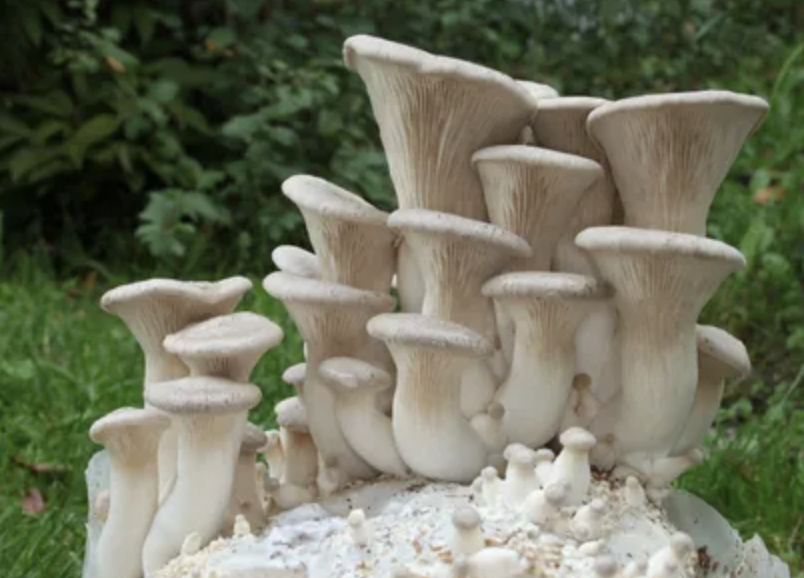
- Pleurotus eryngii / King Trumpet Mushroom
Pleurotus mushrooms have been specifically studied for their ability to heal multiple sclerosis naturally. They work in part because of their antimicrobial effects again low-level infections that may be causing multiple sclerosis and other neurological symptoms in the body.
- Grifola frondosa / Maitake
Grifola frondosa has been scientifically shown to improve cognitive function.
- Lignosus rhinocerotis / Tiger Milk Mushroom
This is another edible mushroom that improves cognitive function in scientific studies.
- Ganoderma lucidum / Reishi Mushrooms
Ganoderma lucidum is used in Traditional Chinese Medicine to promote longevity. It is a natural anti-inflammatory that works through multiple mechanisms of action against diseases like multiple sclerosis. By quelling the overproduction of pro-inflammatory cytokines, this mushroom can stop the progression of neurodegenerative diseases like multiple sclerosis, Parkinson’s, Lewy Body Dementia, Amyotrophic Lateral Sclerosis (ALS), and Alzheimer’s. It has also been used to reduce the impact of stroke or cerebral ischemia.
Reishi mushrooms contain beta-glucans which are well-known for their ability to improve macrophage activity as well as the function of natural killer cells and dendritic cells. These cells are essential for identifying and getting rid of pathogens that are often a root-cause of multiple sclerosis and other neurodegenerative diseases.
- Flammulina velutipes / Enoki Mushrooms
Flammulina velutipes / Enoki have been shown to be able to suppress the demyelination of nerves. Through this action, Enoki mushrooms improve motor function in those with MS.
- Trametes versicolor / Turkey Tail Mushrooms
Trametes versicolor / Turkey Tail can be used to balance immune system responses. This makes them ideally suited for the treatment of multiple sclerosis and other autoimmune conditions. This type of mushroom contains polysaccharides that modulate immune system response.
- Cordyceps
Cordyceps are exceptionally high in antioxidants that can help protect nervous system tissues from oxidative stress that leads to chronic inflammation and tissue damage. Cordyceps have also been shown to reduce fatigue and generally improve energy levels in those with MS.
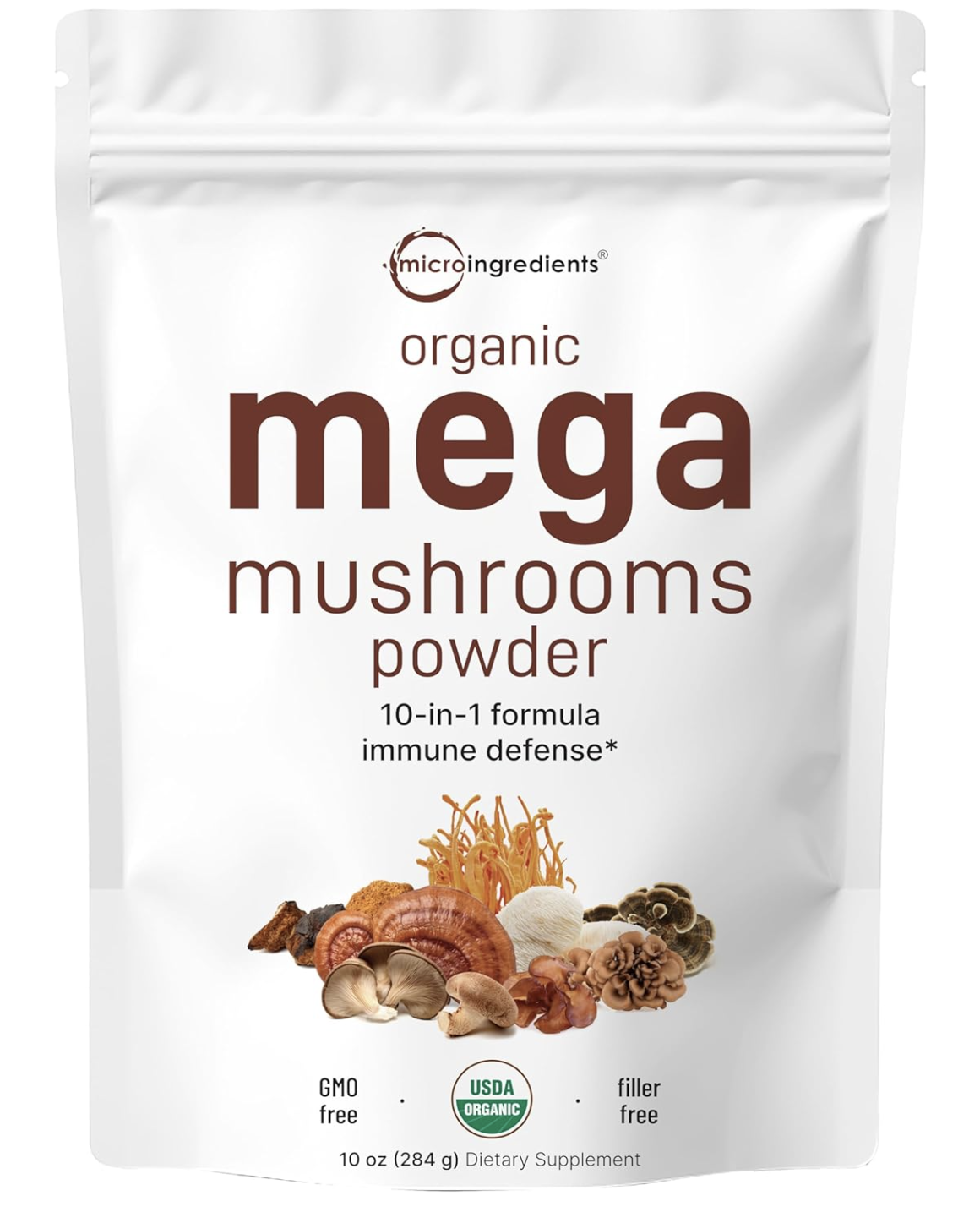
Click here to buy Mega Mushrooms Blend.
- Inonotus obliquus / Chaga Mushrooms
Chaga mushrooms are helpful in any autoimmune disease state. They make a good addition to a protocol against multiple sclerosis and other neurodegenerative diseases because of its strong anti-inflammatory effects that can protect nerves from additional damage and prevent the progression of the disease.
- Hericium erinaceus / Lion’s Mane Mushroom
Lion’s mane has been studied for its ability to heal neurological problems and heal damaged nerve cells. It improves cognitive function. Studies have shown that lion’s mane can trigger the production of myelin and improve nerve growth. Lion’s mane complements psilocybin-therapy and Amanita muscaria microdosing. It can be safely supplemented in tandem with these two mushrooms.
- Phellinus igniarius / Willow Bracket
Phellinus igniarius has been studied for its ability to stop demyelination of nerves. It stops the infiltration of certain immune cells that cause MS symptoms (CD4+ T cells, CD8+ T cell, and more). Studies have shown that willow bracket can be used to stop the progression of MS.
Case Study: Medicinal Mushrooms for MS
One case study of a 61 year old man who had rapid decline in cognition, energy, severe muscle spasms, and an inability to walk for 5 years with no leg movement at all for 2 years showed what mushroom therapy can do. A protocol that combined only Hericium erinaceus and Phellinus igniarius was administered to this man. Within 1 month, his cognition and fatigue had improved. His muscle spasms had almost disappeared. Within 3 months of mushroom therapy, his ability to move his legs was restored. He was able to initiate voluntary movement at his hips, knees, and ankles. Slowly, he regained the ability to walk. Amanita muscaria and psilocybin-containing mushrooms as well as Salvia divinorum can be administered together with Hericium erinaceus and Phellinus igniarius as a poweful healing protocol for MS.
Mushroom Protocol for MS
The psychedelic mushrooms are extremely important in the treatment of MS, but if you don’t feel brave enough to work with Amanita muscaria, Salvia divinorum, or psilocybin-containing mushrooms, you can, of course, work with a protocol that includes only medicinal mushrooms that don’t have psychoactive effects. It has been our experience, however, that the major rewards come through working with psilocybin, Salvia divinorum, and Amanita in addition to working with medicinal mushrooms like Hericium erinaceus and Phellinus igniarius.Psilocybin Dose:
Ideally, you would work with whole psilocybin-mushrooms as a microdose at about 0.25-0.30 grams (250 -300 mg) per day administered in the morning. Once weekly, you would take a macrodose of psilocybin at a dose of 2-3 grams with Intention and with integrative psychotherapy factored into your experience.
Amanita muscaria Dose:
If you are working with psilocybin, you will take your Amanita muscaria dose in the evening, at least 6 hours or more after you take a dose of psilocybin. Alternatively, you can take up to 2 microdoses of Amanita muscaria daily.
As a microdose, you would start with ½ gram and slowly increase your dose up to 3 grams of Amanita muscaria per dose over the course of 30-60 days.
After 30-60 days of treatment, take 5-14 days off from the Amanita before commencing use.
Low Dose Nicotine for MS
As a part of the mushroom protocol that we recommend for MS, we also recommend that clients work with low-dose, 7 - 7.5 mg nicotine patches in a cycle of 3 days on, 2 days off from the patch. For those who prefer to work with pure tobacco / mapacho, or a sacred medicine known as Ambil, Rápe / Hápe, this is a better path that is more likely to yield ongoing, positive results. Nicotine as a low-dose nicotine patch or as herbal Rápe / Rapeh has been shown to significantly improve symptoms of MS and reduce demyelination of nerve tissue. Nicotine has a protective effect against MS symptoms and it combines well with the mushroom protocol. As we’ve already discussed, natural forms of nicotine from wild tobacco has a more consistent healing effect on the body than the synthetic nicotine in nicotine patches.Medicinal Mushrooms for MS That Are Not Psychoactive
All of the medicinal mushrooms that we discuss above can be useful in the treatment of MS, but start with Pleurotus eryngii / King Trumpet, Ganoderma lucidum / Reishi, Flammulina velutipes / Enoki, Hericium erinaceus / Lion’s Mane, and Phellinus igniarius / Willow Bracket to halt demyelination. The medicinal mushrooms can help psilocybin, Salvia divinorum, and Amanita muscaria function better to promote new and healthy nerve growth.
If you can add the other mushrooms that we discuss into your daily supplement routine to keep inflammation to a minimum in the body, that can also be beneficial. Some people can get certain types of mushrooms more easily in their country-of-origin than other people. Work with medicinal mushrooms that are affordable and accessible to you to treat MS at home.

Click here to subscribe to the Chlorine Dioxide Protocols Database.
Resources:
• Yamashina, K. et al. (2022). Suppressive Effect of Fruiting Bodies of Medicinal Mushrooms on Demyelination and Motor Dysfunction in a Cuprizone-Induced Multiple Sclerosis Mouse Model. Retrieved May 7, 2025 from https://pubmed.ncbi.nlm.nih.gov/36004706/
• Wagner, A. et al. (2023). Amanita muscaria extract potentiates production of proinflammatory cytokines by dsRNA-activated human microglia. Retrieved May 7, 2025 from https://www.researchgate.net/publication/369968802_Amanita_muscaria_extract_potentiates_production_of_proinflammatory_cytokines_by_dsRNA-activated_human_microglia
• Siegel, J. S. et al. (2024). Psilocybin desynchronizes the human brain. Retrieved May 7, 2025 from https://www.nature.com/articles/s41586-024-07624-5
• Silva, P (2016). GeneFo Webinar Explores Potential of Mushrooms to Help Manage MS. Retrieved May 7, 2025 from https://multiplesclerosisnewstoday.com/news-posts/2016/10/10/genefo-doctor-austin-webinar-effects-of-natural-remedies-mushrooms-on-multiple-sclerosis/
• Li, L. et al. (2014). A Mushroom Extract Piwep from Phellinus igniarius Ameliorates Experimental Autoimmune Encephalomyelitis by Inhibiting Immune Cell Infiltration in the Spinal Cord. Retrieved May 7, 2025 from https://pmc.ncbi.nlm.nih.gov/articles/PMC3922003/
• De Deus, J. L. et al. (2025). Psychedelics in neuroinflammation: Mechanisms and therapeutic potential. Retrieved May 7, 2025 from https://www.sciencedirect.com/science/article/abs/pii/S0278584625000326
• Rai, S. N. et al. (2021). Therapeutic applications of mushrooms and their biomolecules along with a glimpse of in silico approach in neurodegenerative diseases. Retrieved May 7, 2025 from https://www.sciencedirect.com/science/article/pii/S0753332221001621
• Dos Reis, E. E. et al. (2022). Effects of bioactive compounds from Pleurotus mushrooms on COVID-19 risk factors associated with the cardiovascular system. Retrieved May 7, 2025 from https://pmc.ncbi.nlm.nih.gov/articles/PMC9271422/
• Rudy, M. (2025). Parkinson’s patients who take ‘magic mushrooms’ see key benefits, study finds. Retrieved May 7, 2025 from https://www.foxnews.com/health/parkinsons-patients-who-take-magic-mushrooms-see-key-benefits-study-finds
• Yoon, H. M. et al. (2013). Ganoderma lucidum ethanol extract inhibits the inflammatory response by suppressing the NF-KB and toll-like receptor pathways in lipopolysaccharide-stimulated BV2 microglial cells. Retrieved May 7, 2025 from https://pmc.ncbi.nlm.nih.gov/articles/PMC3570243/
• Bottner, M. (2024). Medicinal mushrooms and immune function. Retrieved May 7, 2025 from https://www.herbalreality.com/health-lifestyle/immunity/medicinal-mushrooms-and-immune-function/
• Zhang, N. et al. (2023). Beta-hydroxybutyrate attenuates demyelination, modulates microglial phenotype and supports blood-brain barrier integrity in a cuprizone-induced mouse model of demyelination. Retrieved May 7, 2025 from https://www.sciencedirect.com/science/article/pii/S1756464623001809#:~:text=4.%20Discussion%20Our%20previous%20study%20has%20shown,CPZ%2Dfed%20mice%20(%20Hansmann%20et%20al.%2C%202019).
• Kittimongkolsuk, P. et al. (2021). Neuroprotective Effects of Extracts from Tiger Milk Mushroom Lignosus rhinoceros Against Glutamate-Induced Toxicity in HT22 Hippocampal Neuronal Cells and Neurodegenerative Diseases in Caenorhabditis elegans. Retrieved May 7, 2025 from https://pmc.ncbi.nlm.nih.gov/articles/PMC7824744/#:~:text=Therefore%2C%20active%20chemical%20constituents%20in,their%20effect%20in%20Caenorhabditis%20elegans.
• Naddafi, F. et al. (2013). Novel Therapeutic Approach by Nicotine in Experimental Model of Multiple Sclerosis. Retrieved May 7, 2025 from https://pmc.ncbi.nlm.nih.gov/articles/PMC3659034/
• Feeney, K. (2023). On microdosing with the Mario mushroom. Retrieved May 7, 2025 from https://akjournals.com/view/journals/2054/7/2/article-p151.xml