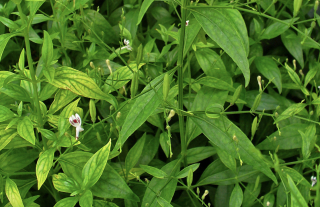
 Cottonseed oil, also known as the oil of either Gossypium hirsutum or Gossypium herbaceum, is a cooking oil and also a medicinal oil derived from the seeds of a cotton plant. Cottonseed oil, like several other cooking oils is rich in monounsaturated fatty acids (MUFAs).
A diet rich in MUFAs has been shown to reduce inflammation and pain as well as reducing heart disease and lowering unhealthy forms of cholesterol. There are a number of cooking oils that are high in MUFAs and some of these have been shown to reduce pain. However, medium-chain triglyceride oil (MCT oil), particularly MCT coconut oil, may also help reduce pain when used properly for cooking.
If you suffer from chronic pain, choose cold-pressed, organic cooking oils that are found in darkly colored glass bottles and when you cook with these oils, don’t heat them, if possible. Add oils at the end of the cooking process rather than during the heating of food to preserve the natural electricity found in these oils. Our human cell membranes are made up primarily of lipids and when you eat plenty of healthy, unrefined and unheated oils that have not been damaged by light exposure in clear glass or plastic packaging, human cells are empowered to heal.

Click here to schedule a health coaching session with us.
Unhealthy Fats and Chronic Pain Conditions
The most unhealthy foods that worsen chronic pain include the following:
- Processed and Ultra-Processed Foods
- These include foods that are high in unhealthy fats and refined sugars or artificial additives that make pain and inflammation worse.
- Trans Fats
- Trans fats are found in fried foods, processed snacks, and commercial baked goods and they are scientifically shown to increase pain and inflammation.
- Refined Sugars
- Refined sugars include white sugar, brown sugar, corn syrup, and other refined sweeteners. Refined sugars create blood sugar spikes that irritate human cells and promote inflammation which leads to increased sensitivity to pain.
Those who suffer from chronic pain and inflammation should read ingredient labels and avoid unhealthy fats and oils as well as refined sugars. Shopping mostly in the produce section of the grocery store and avoiding pre-made foods is one way to easily remove trans fats and refined sugars from the diet. Fast food and franchise restaurants also notoriously use trans fats and refined sugars to cheapen their products and increase profits while also increasing the addictive nature of their foods.
Below we’ll talk about oils that are healthy and how to find the right oils in the right packaging and how to use them properly to get the most out of the medicinal elements that they provide, but it’s important not only that you use healthy oils, but that you avoid unhealthy oils to achieve the best results in terms of chronic pain.

Become an Expert. Do our Anticancer Video Course Series Online.
Unhealthy Cooking Oils and Chronic Pain
The cell membrane in humans is made up primarily of lipids and fats. Healthy lipids and fats incorporated into cellular membranes are “electrical”. They have the ability to send and receive messages from nearby cells. Unhealthy lipids and fats lack this electrical quality. Also, while healthy fats and lipids are “flexible” such that cells have a well-rounded, bouncy quality, unhealthy fats and lipids tend to produce cellular membranes that are rigid and inflexible. While a cell membrane that’s flexible and well-rounded can literally let things bounce off of it, cell membranes that are rigid may be malformed and only partially functional. Unhealthy cell membranes produce unhealthy cells and unhealthy cells produce pain in the body.Cholesterol, of course, is a precursor in the production of reproductive hormones in the body. As such, the use of cottonseed oil, olive oil, walnut oil, and grapeseed oil in cooking or as a medicine (or both) may play a role in balancing reproductive hormone levels in the body as MUFA-rich oils modulate cholesterol levels. Reproductive hormones play an important role in how a person experiences painful stimuli with testosterone mitigating the effects of pain and fluctuations in reproductive hormone levels enhancing a person’s experience of pain. The Mediterranean diet replaces saturated fats with unsaturated fatty acids by emphasizing the use of oils such as cottonseed oil, olive oil, or grapeseed oil in cooking to reduce pain levels in the body.
A MUFA-rich diet reduces inflammation which in turn, reduces pain in the body. Studies have shown that the Mediterranean diet lowers the levels of inflammatory molecules in human blood at least in part due to the changes in cooking oils being used. Cottonseed oil, for example, contains about 18% MUFAs, but be sure to look for a pure and organic cottonseed product and avoid partially hydrogenated forms of this and other oils which are toxic and inflammatory in the body. Avoid heating the oils that you’re cooking with to reap the most benefits from the Mediterranean diet and eat cold-pressed, organic cooking oils with a high MUFA count.
Cottonseed oil, olive oil, grapeseed oil and walnut oil reduce the risk of heart disease while alleviating symptoms of chronic pain. Unheated, extra virgin olive oil, on the other hand, can reduce symptoms of Crohn’s disease, ulcerative colitis, and irritable bowel syndrome as well. Cottonseed oil, in particular, has been studied for its ability to reduce colitis (inflammation of the colon) and the expression of inflammatory cytokines. Cottonseed oil in particular reduces intestinal fibrosis and free radical production in the colon. It protects against intestinal inflammation which can be an insidious source of pain throughout the body.

Click here to subscribe to the Living Database now.
Cottonseed Oil: Increased Gallstone Risk
Both cottonseed oil may increase the risk of cholesterol-based gallstones and gallstones can also cause pain, including referred pain in the shoulders and in the back as well as headaches and general achiness. But studies that have linked cottonseed oil to gallstone production have also been done in countries where high-heat cooking is common. Eating cold-pressed cottonseed that is not heated during cooking would be theoretically less likely to cause an increased risk of gallstones, but if you’re prone to gallstones, be sure to drink 2 tablespoons of apple cider vinegar in water daily to keep this problem under control.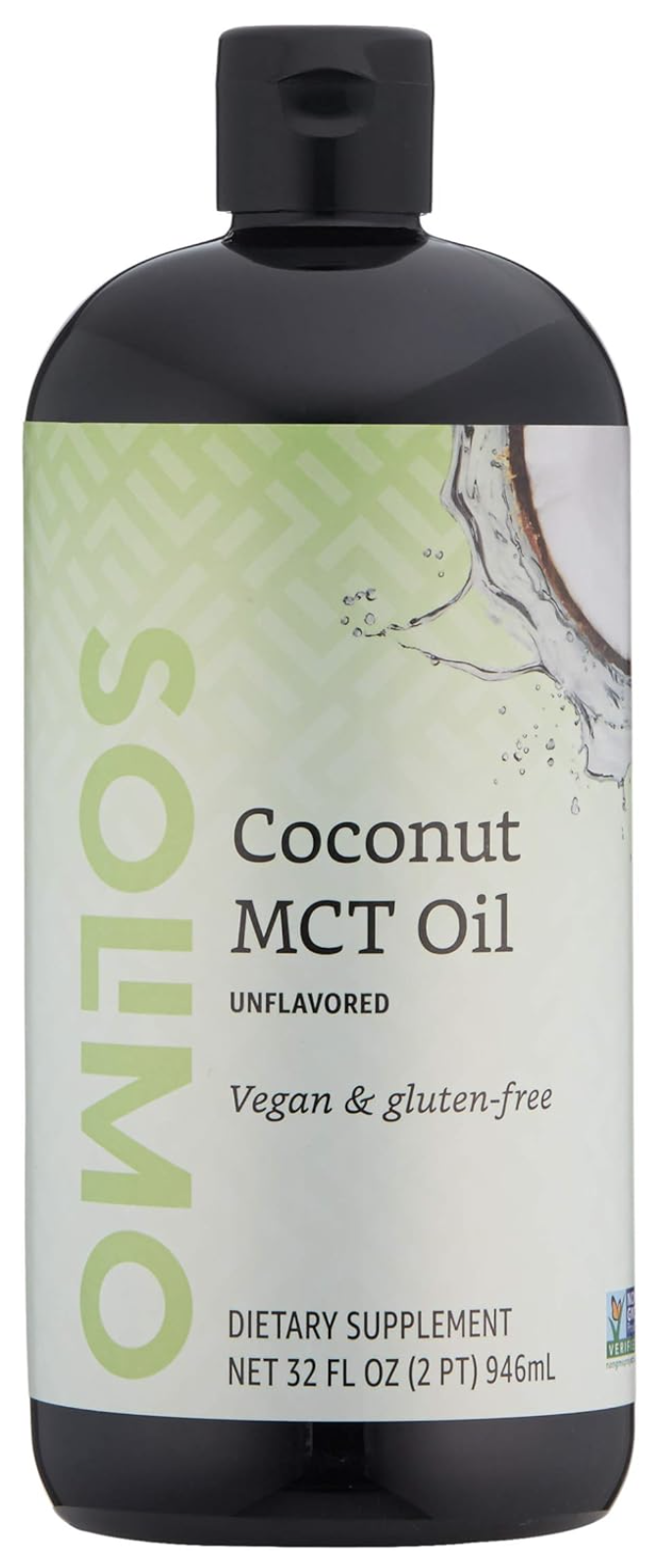
Click here to buy MCT oil.
MCT Oil for Pain Control
The use of MCT oil as a natural medicine for rheumatoid arthritis reduces symptoms within about 16 weeks of treatment according to some studies. In one study, scientists administered 30 grams of MCT oil daily for 8 weeks to patients with rheumatoid arthritis. After the initial 8 weeks, fiber was added to the patient’s diet at a dose of 30 grams per day for another 8 weeks (a total of 16 weeks). At the end of the study, patients who had been given MCT oil at a dose of 30 grams per day showed a significant reduction in symptoms from the control group that was not given MCT oil.
Click here to do a free trial of EMDR to Release Trauma.
Olive Oil vs. Ibuprofen for Pain
Olive oil contains oleocanthal, a substance that has anti-inflammatory properties similar to ibuprofen. Though oleocanthal and ibuprofen are dissimilar in terms of molecular structure, both inhibit the cyclooxygenase enzymes in the prostaglandin-biosynthesis pathway.
Olive oil is a staple in a traditional Mediterranean diet which confers some protection against inflammatory states in humans. The high intake of extra virgin olive oil in the traditional Mediterranean diet is credited with reducing inflammation throughout the body. Phenolic compounds in olive oil produce strong anti-inflammatory effects when the olive oil is not over-heated or exposed to light that can degrade the anti-inflammatory molecules in the oil.
Phenolic compounds in olive oil like oleocanthal are degraded when heated, however oleocanthal is more heat stable than some of the other phenolic compounds in olive oil that reduce inflammation in the body. Nonetheless, oleocanthal is degraded by heat and when exposed to heat or light long term (which can occur when the oil is stored in clear glass or plastic bottles), oleocanthal antagonists are produced and oleocanthal itself is less potent.
To use extra-virgin, organic olive oil medicinally, administer 2 to 4 tablespoons throughout the day or put the oil in food, just be sure to avoid heating the oil if possible. Organic olive oil can be taken every day to reduce inflammation in a manner similar to how ibuprofen reduces pain except without the side effects. Even if you replace an unhealthy cooking oil with extra-virgin olive oil and make a point of consuming several tablespoons of it per day in your diet, studies have shown that this habit will reduce pain and inflammation over the course of time.

Click here to learn more about the DreamLight.app, an online guided meditation and brain-entrainment tool.
Walnuts and Walnut Oil for Chronic Pain
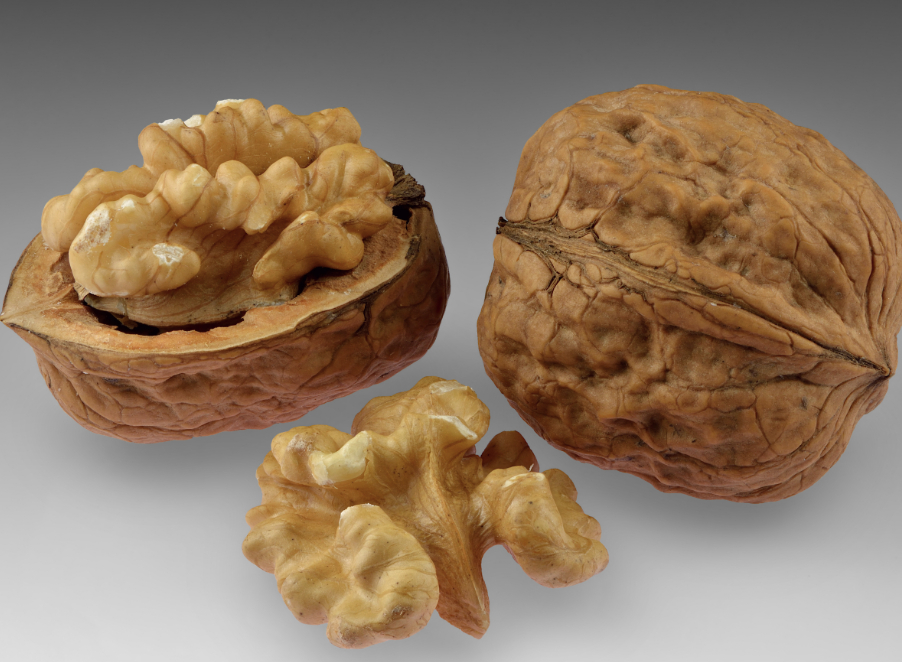
Walnuts contain a lot of unsaturated fatty acids, phenolic compounds, and peptides that have an anti-inflammatory effect on the body. Long-term daily consumption of walnuts tends to improve cognitive function and memory in both rats and humans. Walnuts and walnut oils can reduce neuroinflammation as well as systemic inflammation throughout the body via effects on microglia activation, inhibition of peripheral inflammation caused by macrophages, and a reduction in oxidative stress caused by free radicals. Walnuts and walnut oil have also been shown to improve the intestinal flora and maintain it to reduce inflammation in the brain and in the body.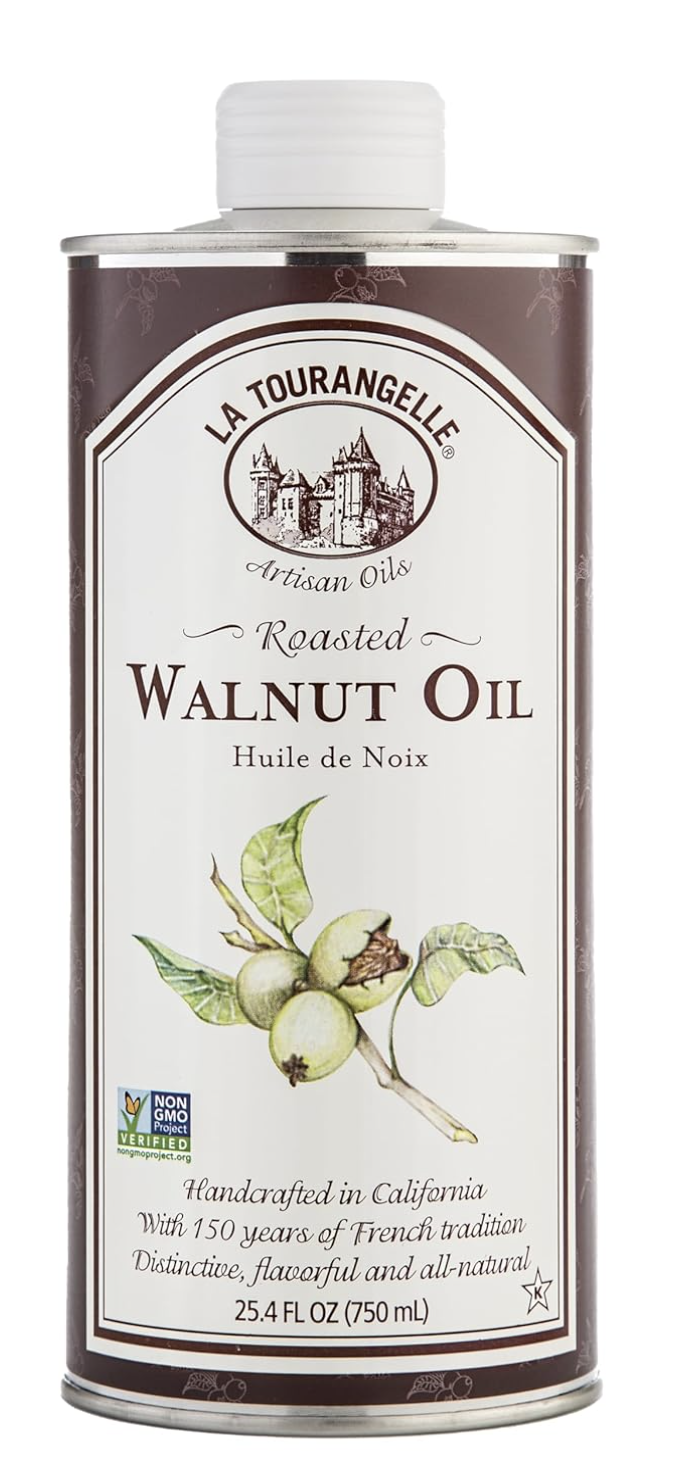
Click here to buy walnut oil.
Grapeseed Oil for Chronic Pain
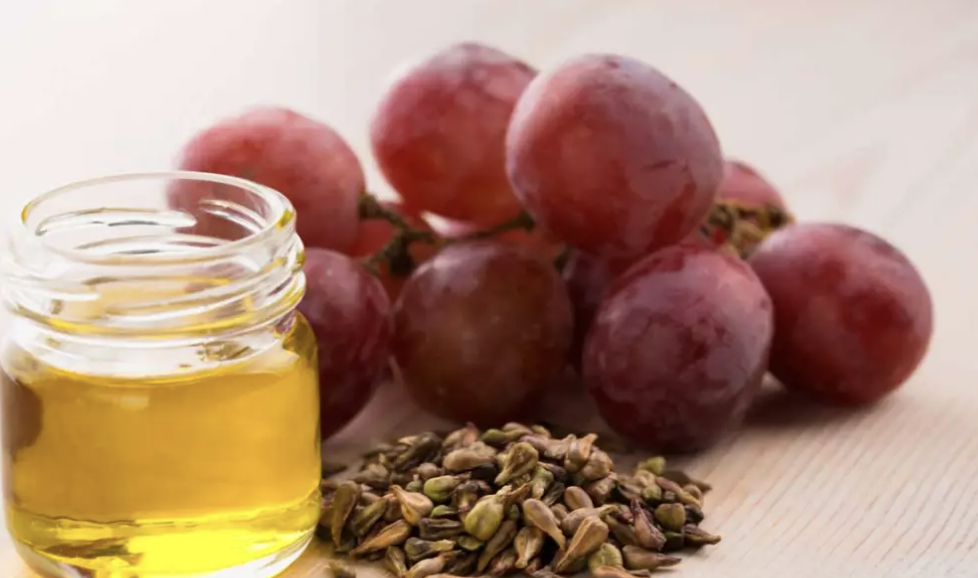
Grapeseed oil has been specifically studied in terms of its effects on burn wounds, neuropathic pain, and nerve myelination. Studies have shown that procyanidins alleviate neuropathic pain by suppressing spinal astrocytes and glial cells.
Another study has shown that grape seed oil can be combined with avocado oil in the diet to improve symptoms of osteoarthritis. But as with the other oils that we’re discussing here, it’s important to choose cold-pressed, organic versions of grape seed oil for best results. Don’t heat the grapeseed oil while cooking and find a product that protects the oil from light exposure (a darkly colored glass bottle is ideal).
Summary
The types of oils that you use on your food can make a big difference over time in chronic pain conditions. Being conscious of your choice of cooking oils can be a step in the right direction as long as you choose a product that’s been packaged conscientiously and that isn’t heated while cooking. Add your oils after foods have been cooked to avoid heating the oils and destroying their electrical properties. Use healthy oil and vinegar on and in salads. Making this change in addition to eating a healthy diet will address the root cause of chronic pain, but be aware that it can take some time for this protocol to have noticeable effects. Stick with it for at least 3 months and keep journal to evaluate changes in your pain levels over time. Everything You Never Wanted to Know About the Treatment of Chronic Pain... and How to Avoid Painkillers That Will Eventually Kill You - BUY HERE!!!
Resources:
• Tarasiuk, A. et al. (2023). Cottonseed oil (Gossypium hirsutum and Gossypium herbaceum). Vegetable Oils and Oilseeds. Retrieved September 5, 2025 from https://www.sciencedirect.com/topics/agricultural-and-biological-sciences/cottonseed-oil#:~:text=Cottonseed%20oil%20contains%20only%2018,of%20inflammatory%20conditions%20like%20arthritis.
• Channa, N. A. et al. (2002). Cottonseed and/or rapeseed oil intake and gallstone risk: Results from a case control study. Retrieved September 5, 2025 from https://www.researchgate.net/publication/317350873_Cottonseed_andor_rapeseed_oil_intake_and_gallstone_risk_Results_from_a_case_control_study
• Kitamura, T. et al. (1971). Effect of Medium Chain Triglyceride (MCT) on Contraction of the Gallbladder. Retrieved September 5, 2025 from https://www.jstage.jst.go.jp/article/nisshoshi1964/68/2/68_2_77/_article/-char/en
• Heidt, C. et al. (2023). MCT-Induced Ketosis and Fiber in Rheumatoid Arthritis (MIKARA) - Study Protocol and Primary Endpoint Results of the Double-Blind Randomized Controlled Intervention Study Indicating Effects on Disease Activity in RA Patients. Retrieved September 5, 2025 from https://pmc.ncbi.nlm.nih.gov/articles/PMC10490289/
• Beauchamp, G. K. et al. (2005). Phytochemistry: ibuprofen-like activity in extra-virgin olive oil. Retrieved September 5, 2025 https://pubmed.ncbi.nlm.nih.gov/16136122/
• Lucas, L. et al. (2011).Molecular mechanisms of inflammation. Anti-inflammatory benefits of virgin olive oil and the phenolic compound oleocanthal. Retrieved September 6, 2025 from https://pubmed.ncbi.nlm.nih.gov/21443487/
• Cicerale, S. et al. (2009). Influence of heat on biological activity and concentration of oleocanthal – a natural anti-inflammatory agent in virgin olive oil. Retrieved September 6, 2025 from https://pubmed.ncbi.nlm.nih.gov/19166297/
• Tan, B. et al. (2023). Recent Studies on Protective Effects of Walnuts against Neuroinflammation. Retrieved September 6, 2025 from https://pmc.ncbi.nlm.nih.gov/articles/PMC9609811/
• Dominguez, J. P. et al. (2016). Polyunsaturated Fatty Acids and Chronic Pain: A Systematic Review and Meta-Analysis. Retrieved September 6, 2025 from https://pubmed.ncbi.nlm.nih.gov/27906932/
• Hu, L. et al. (2024). Grape seed-derived procyanidins decreases neuropathic pain and nerve regeneration by suppression of toll-like receptor 4-myeloid differentiation factor-88 signaling. Retrieved September 6, 2025 from https://pmc.ncbi.nlm.nih.gov/articles/PMC11110500/
• Tanideh, N. et al. (2020). The protective effects of grape seed oil on induced osteoarthritis of the knee in male rat models. Retrieved September 6, 2025 from https://pmc.ncbi.nlm.nih.gov/articles/PMC7488061/