 Different Treatments and Therapies that are Used to Cure Organophosphate Poisoning
Below we talk about the types or categories of medicines that are used by both doctors as well as natural healing practitioners to treat organophosphate poisoning.
Calcium-Channel Blockers
Calcium-channel blockers are pharmaceutical medications that block the passage of calcium into cells. They’re sometimes given as a treatment for organophosphate poisoning, since acetylcholine buildup can ultimately cause an increase in intracellular calcium. In contrast with pharmaceutical calcium-channel blockers, however, natural treatments that block the passage of calcium into cells (what I’m calling “natural calcium-channel blockers”) have similar benefits in the treatment of organophosphate exposure, but without the toxic side effects. Some herbal calcium-channel blockers like barberry can also reverse existing calcifications in soft tissues and release unnecessary calcium from cells, thus preventing future calcifications. Magnesium is another natural and effective calcium-channel blocker that can help reverse the effects of organophosphate exposure.Read more about magnesium for organophosphate poisoning here.
Read about herbal cure for organophosphate exposure at this link.
Anticholinergics
Some of the treatments for organophosphate poisoning have anticholinergic activity, meaning that they reduce or block the uptake of acetylcholine in the brain. Organophosphates, as acetylcholinesterase inhibitors, ultimately cause an increase in acetylcholine levels in the brain, thus causing toxicity. By blocking/reducing the uptake of acetylcholine, these herbs can help reduce the effects of organophosphate exposure and poisoning. For example, Atropa belladonna, otherwise known as deadly nightshade, is one example of an anticholinergic herb that contains atropine, a commonly prescribed antidote for organophosphate poisoning.Read more about Atropa belladonna and other herbal treatments for organophosphate poisoning here.
Acetylcholine-Receptor Antagonists
There are 2 kinds of acetylcholine receptors in the human body: nicotinic receptors and muscarinic receptors. The muscarinic receptors live primarily in the parasympathetic section of the autonomic nervous system, and may be present in the heart, eyes, lungs, gastrointestinal tract, skin, and sweat glands. The nicotinic receptors are present in both the parasympathetic and sympathetic nervous systems, and are most common in the skeletal muscles.As acetylcholinesterase inhibitors, organophosphates prevent the breakdown of acetylcholine. When acetylcholine can’t be broken down, this can cause a buildup of acetylcholine around the nicotinic and muscarinic receptors, thus causing overstimulation of the neurons attached to the receptors. While acetylcholine is, indeed, absolutely essential for all voluntary movements of the body (and more), excess acetylcholine can be toxic to nerve cells, and causes many of the symptoms associated with organophosphate poisoning (in fact, the symptoms of cholinergic toxicity, a condition characterized entirely by acetylcholine buildup, closely match those of organophosphate poisoning). Acetylcholine build-up in the central nervous system can cause headaches, vertigo, confusion, coma, and seizures.
Overstimulation of the nicotinic acetylcholine receptors can cause symptoms like:
- Muscle cramps
- Mydriasis (very dilated pupils)
- Rapid heartbeat / tachycardia
- Weakness
- Twitching / fasciculations
- High blood pressure / hypertension
- High blood sugar / hyperglycemia (note that one of the general symptoms of organophosphate poisoning is hyperkalemia, and that hyperglycemia is a common risk factor in the development of potassium toxicity / hyperkalemia)
- Seizures
- Drowsiness, fatigue / Somnolence
Overstimulation of the muscarinic acetylcholine receptors can cause:
- Salivation
- Lacrimation (excessive tearing from the eyes)
- Excess urination
- Diarrhea
- Gastrointestinal pain and discomfort
- Miosis (less-dilated pupils)
- Diaphoresis
- Slow heartbeat / bradycardia
- Lethargy
- Bronchorrhea
- Vasodilation
- Sweating
- Bronchospasms
There are treatments that antagonize the muscarinic receptors, and there are treatments that antagonize the nicotinic receptors. Some treatments can even antagonize both. Acetylcholine receptor antagonists work somewhat differently than anticholinergics in that they bind directly with the acetylcholine receptors and prevent the uptake of more acetylcholine, thus preventing cholinergic toxicity from overstimulated nerves.
Tarwi (also known as Andean Lupin) is a plant that has both anti-muscarinic and anti-nicotinic activity in the body. Read more about this herbal cure for organophosphate exposure / toxicity here.
Anti Poisons / Antidotes / Toxin Binders
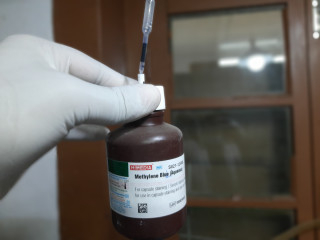
Some types of treatments for organophosphate poisoning work as toxin binders or anti-poisons. Given that, technically speaking, organophosphates are poisons, these medicines work to neutralize the effects of organophosphate exposure and to remove these toxins from the body. Note that different antidotes/anti poisons for organophosphates may work in different ways to achieve this goal. Examples of organophosphate antidotes include methylene blue, activated carbon / activated charcoal, and hemodialysis treatment. While both methylene blue and activated charcoal can be found over-the-counter, hemodialysis is a treatment that must be given in a clinic or hospital setting.Read more about over-the-counter and conventional medicine antidotes for organophosphate poisoning here.
Root Cause: Common Environmental Toxins and How to Protect Yourself From Them - BUY HERE!
Click here to subscribe to the Living Database!
Related Posts: