What Are Cancer Vaccines... and do they really work?
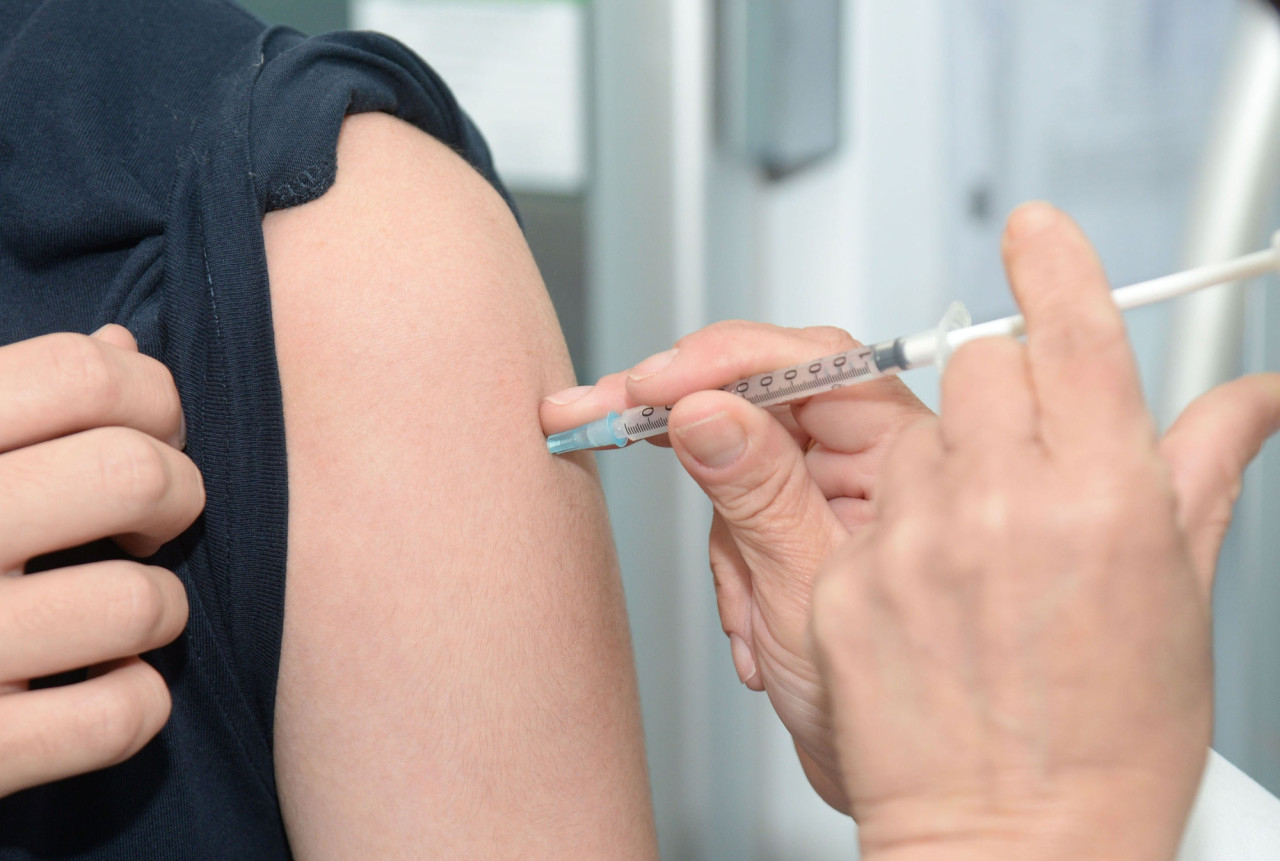
Vaccines are a controversial topic these days. Research has pointed its finger at vaccines as the cause of a variety of problems including autism, blood cancers, certain cardiovascular diseases, neurological disorders, and more (this is a perspective that we've taken a closer look at in this article and in our book, "The Post-COVID Vaccine Recovery Book and Autoimmunity Reference Guide"). But immunotherapy, which involves the use of anti-cancer vaccines (or stem cells) to stimulate the body’s immune system, warrants a closer look in terms of cancer specifically. The question is this: is there really a cancer vaccine?Immunotherapy uses vaccines or stem cells to stimulate the body’s immune system to kill cancer cells. Different vaccines work differently to kill cancer cells or prevent them from developing, though it isn’t necessary for patients to fully understand the process to benefit from it. The immune system is complicated, after all. Pros of immunotherapy treatments include the following:
- When they work, immunotherapy treatments are powerful and effective.
- The treatments are quick and simple.
Become an Expert. Click here to do our Anticancer Video Courses.
Some of the drawbacks of immunotherapy are that they tend to be expensive and, as a general rule, Americans must travel to a different country to get a cancer vaccine. Otherwise, they have to agree to take part in a clinical cancer vaccine trial. Signing up for a clinical trial is risky, however, since it means that the patient will be a guinea pig for a major university studying cancer vaccines. This means that you’ll be placed into either a “placebo/control” group or the “experimental” group. If you’re placed in the placebo group, you’ll receive no treatment at all, but you’ll think that you’re being treated (this situation is unfortunate for a few reasons, not the least of which being that you lose valuable time that could be spent actually getting treatment). If you’re in the experimental group, you may not be fully informed about what treatment you’re receiving. Both are losing scenarios. At the end of the trial, if you survive, you’ll be recorded as nothing but a statistic. If you don’t survive, your death may not be recorded unless it benefits the study’s funding agents in some way to record it.
Click here to schedule a health coaching session with us.
Dr. Livingston-Wheeler had one of the most advanced theories regarding the development of cancer and how to effectively treat the disease. She developed a full protocol that included dietary recommendations along with a vaccine that targeted Progenitor cryptocides, a cancer-causing mycobacterium that she regarded as being closely related to the infectious agents that cause tuberculosis and leprosy. In reality, given that Livingston-Wheeler observed that P. crytocides was pleomorphic (shape-changing), P. crytocides was likely a somatid in one of its infectious forms. Her theories and protocol are supported by a variety of other cancer researchers from different eras working on different aspects of the disease, but despite this, her work was easily tossed aside by the American Medical Establishment and Big Pharma. She was one of few women working in the medical profession when she entered the field and her observations about the cancer mycobacterium P. cryptocides were novel and innovative. Her treatment is sadly all but extinct today.
Click here to buy the 4 volume Cancer Cure Catalog.
RigVir, a cancer vaccine that was developed in Riga, Latvia, was a powerful anti-cancer treatment that can also be used to prevent cancer, but unfortunately, at the time of this writing, RigVir is not widely available. Few Americans ever knew about RigVir because the FDA never approved it even though it was used in a number of countries in Europe for a long period of time with great success. While other extremely promising cancer treatments have languished over the years, the development and propagation of RigVir in Europe appeared to be tied to its high cost, or rather, the fact that the European medical establishment was able to charge a relatively high price for it. At one point, the creators of RigVir wanted to expand their market and this was the downfall of this vaccine. Big Pharma would have none of it and RigVir was officially and unredeemably demonized. It was removed from circulation in the few places where it had been previously available. Today, patients may still be able to get RigVir treatments in Latvia, but this highly effective cancer vaccine is, for the most part, not available. Cancer vaccines that were developed to compete with RigVir for use in the United States have so far only made use of dangerous viruses that can cause undesirable side effects in patients. By law, the pharmaceutical companies in the U.S. must develop a vaccine made of a substance that is modified and therefore patentable (otherwise it won’t be profitable). The law that requires all drugs to be patentable, non-natural substances is part of what maintains the monopoly that large pharmaceutical companies have over the American healthcare system. RigVir was made from a non-modified ECHO-7 virus that existed naturally in the human colon. It was developed and researched in Latvia and Russia between 1968 and 1991 under a different political regime, but it is no longer easy to obtain.