Herbal Treatment for Hand, Foot, and Mouth Disease--Prevent Juvenile Diabetes Using Herbs
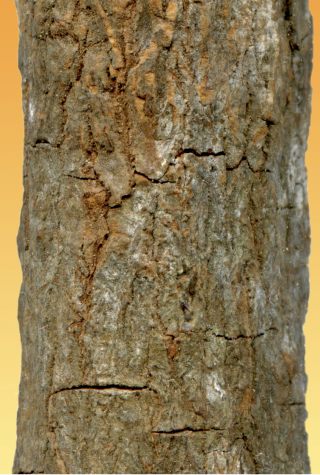
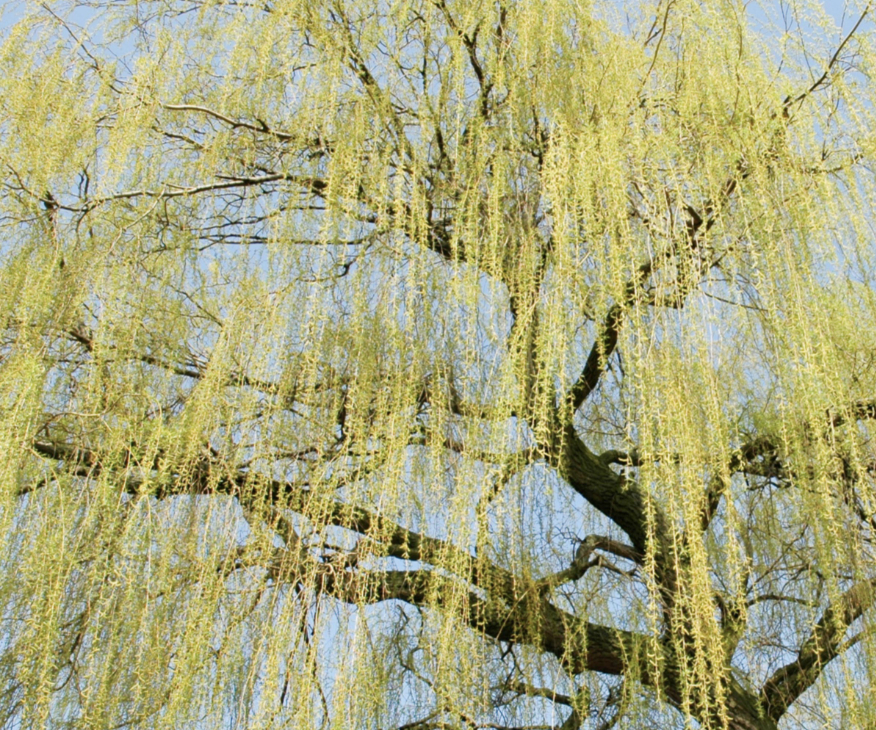
In the following discussion, we’ll explore white willow bark / Salix alba in terms of its medicinal effects and also its safety. Big Pharma would have us believe that Salix alba is dangerous, if not deadly for children. After all, aspirin / acetylsalicylic acid is derived from salicin that’s contained in white willow bark and the flawed logic that’s been distributed to every corner of the globe is that acetylsalicylic acid (aspirin) and salicin (a natural molecule that occurs in food as well as in white willow bark) both put children at risk to develop the super-rare, but super-deadly disease known as Reye syndrome.
If you’re looking for a cure for diabetes type 1, which is caused by a low-level Coxsackievirus infection (other pathogens are sometimes to blame for this disease too, but Coxsackievirus is the most common), you might want to continue reading as white willow bark has significant power against this infection. In order to understand how Big Pharma has blacklisted white willow bark as a potential treatment and cure for serious viral infections, it can be helpful to understand why they’re doing this. Diabetes is a profitable disease and Big Pharma wishes to protect the diabetes industry. But now, let’s talk about how they’re preventing parents from knowing about white willow bark as an herbal remedy for hand, foot, and mouth disease as well as other viral infections.
Click here to schedule a health coaching call with us.
Salix Alba: White Willow Bark for Viral Infections
When my granddaughter was in the midst of an unknown infection (she was only mildly ill at the time, but she had a very quiet rash that looked like random bug bites on her body, some red swellings on her feet that looked like “splinters” and one or two wart-like bumps on her hands), I had a dream that I was looking into a display case in a museum. In the display case were little pieces of different types of medicinal “wood”. I was particularly interested in something that was labeled, “Wouth Foot”. I understood, however, that “Wouth Foot” was actually White Willow Bark, also known as Salix alba. When I woke up, I looked up “Wouth Foot” on the internet and Google served up a series of images at the top of the page of the Hand, Foot, and Mouth disease rash. I recognized it immediately. Yes, this was what was wrong with my little Maya. Maya had been really sick with a fever, vomiting, and an inability to eat and an unwillingness to drink for three days. She had NOT been around a lot of other kids though so hand, foot, and mouth disease was not on my rada. In fact, she’d barely seen another child in weeks as it was the holiday season and we were all in a state of rest - we were barely going out at all and Maya hadn’t seen another child in several weeks. But indeed, Maya’s rash had been mistaken for a collection of several different things (tiny splinters, a couple of warts, and bug bites).For the most part, the label, “hand, foot, and mouth” indicates that the rash doesn’t happen on the whole body even though it can and it does more often than parents realize. It’s easy to miss this infection as it’s usually self-limiting and at the time when the infection takes shape, it doesn’t cause a lot of serious, life-threatening symptoms. Doctors often send parents home without medication and tell them to just wait it out. But the Coxsackievirus that causes hand, foot, and mouth disease can cause serious health issues if it is not addressed to prevent it from taking up residence in the body chronically. It can cause myocarditis (heart swelling), pancreatitis (swelling of the pancreas), and thyroiditis (swelling of the thyroid) among other things. If this virus takes up residence somewhere in your body, it can later cause diabetes, heart arrhythmia, or thyroid issues (hyperthyroidism followed by hypothyroidism or even Grave’s disease) for example. The Studies have definitively shown that Coxsackievirus can establish a chronic infection in a variety of organs and tissues including:- Heart
- Lung,
- Kidney
- Brain
- Liver,
- Pancreas
- Spleen
Click here to buy the Renegade Parent's Guide to Children's Health and Healing.
White willow is most famous for its ability to reduce fevers, inflammation, and pain, and its ability to treat stomach ulcers, but in fact, this tree bark is also powerfully antiviral. It has a fairly broad spectrum of action against viruses, in fact, particularly against non-enveloped enteroviruses like:- Poliovirus
- Coxsackievirus A and B
- Echoviruses
- Rhinoviruses
- Coronaviruses like COVID-19 among others
- Numbered Enteroviruses like EV-D68 and EV-A71
- Pain relieving
- Anti-inflammatory
- Fever reducing
- Antioxidant
- Anticancer
- Antidiabetic (likely due to is anti-Coxsackievirus effects)
- Antimicrobial
- Antiobesity (also likely due to its anti-Coxsackievirus effects)
- Neuroprotective / Brain Protective
- Hepatoprotective / Liver Protective
Can children take white willow bark?
Most parents know that they should never give a child commercial aspirin because this can lead to Reye’s syndrome, but we’re going to talk about this warning within a political and physiological context in critical detail. But even if, as a parent, you’ve been taught that aspirin is bad, you need to know that there is literally no research showing that non-aspirin sources of salicylates cause Reye syndrome. Also, the salicin-containing herb, white willow / Salix alba contains substances that behave very differently in the body from acetylsalicylic acid / aspirin. Note that many foods contain salicylates and no one worries that these foods (oranges are one of them) cause Reye’s syndrome.So while Reye’s syndrome may not be a concern, parents who choose to work with white willow bark for childhood illnesses, should also be aware that salicylate sensitivity can occur. Be aware though, that salicylates are salts or esters of salicylic acid such as aspirin. Salicylate sensitivity is real, but rather rare (about 5% of children are sensitive to salicylates). But salicylates are not the same thing as salicin. Children are not sensitive to salicin. Note also that salicylates can be excreted in breast milk so infants are exposed to aspirin-salicylates through this route.
Again, salicin is the naturally-occuring molecule that’s present in herbs like white willow bark as well as foods like blackberries, broccoli, and oranges. Remember, salicin is very different chemically and bio-chemically from salicylates like aspirin (which is chemically called acetylsalicylic acid).
The Politics of Reye Syndrome
We have all been taught that Reye’s syndrome is a serious issue that can lead to death as a result of liver damage following administration of aspirin at the end of a viral illness. I remember the PSAs about Reye’s syndrome in the 1980s when my parents discovered that they could no longer use aspirin to lower a fever when my brother and I were sick. I didn’t fully understand why that was troubling to them at the time, but the vibe of the issue stuck with me and as I recall, my parents even worried at one point that I had Reye syndrome when I developed heart-issues following a chickenpox infection.
But aspirin is acetylsalicylic acid while white willow and the various salicin-containing foods mentioned above contain salicin (as well some other innocuous, but also medicinal molecules), a very different substance. As a parent, you might be interested in white willow bark as an antiviral herbal treatment for Coxsackievirus for your child, but feel unsure about its safety because the Internet, including AI proclaims that white willow bark and aspirin are synonymous. They are not. So we’ll talk more about that here.
First of all, be aware that treatment for Reye’s syndrome in the hospital focuses on supportive care to prevent complications including treatments to reduce brain swelling and low blood sugar. Intravenous glucose and diuretics as well as corticosteroids, and vitamin K / plasmas are administered to manage blood clotting issues. Mechanical ventilation might be administered as well. Essentially, Reye’s syndrome is identical to hepatic encephalopathy. Both involve brain inflammation caused by liver issues.
The claim is that Reye’s syndrome is caused by aspirin administration during a viral infection. Some sources claim that perhaps the virus can mutate as a result of aspirin exposure causing a more serious type of infection. Other sources say that the underlying cause is a fatty liver. Reye’s syndrome takes shape very quickly — usually within 3 to 7 days after the viral infections starts and aspirin is administered unwittingly by well-meaning parents though its full development can take up to 3 weeks. But apparently, Reye’s syndrome is caused by fatty liver which is something that takes shape over the course of years not weeks. So this is the kind of information that gives me pause. Brain inflammation does NOT happen in Reye syndrome even though children develop confusion and altered states of consciousness as a result of the fatty liver issue. Also, there is no jaundice (yellowing of the skin and eyes) in children with Reye syndrome. Mitochondrial dysfunction occurs at the cellular level.
Reye’s syndrome is exceedingly rare. When it was first publicized as a disease, only hundreds of children developed Reye syndrome annually. At that time, scientists had not discovered the concept of a “cytokine storm” so it’s very possible that doctors practicing before 1993 (when scientists first observed and communicated the construct of “cytokine storm” to the world) were actually misdiagnosing cytokine storms for Reye’s syndrome. Since the 1990s, only 1 to 2 children per year develop Reye’s syndrome.
Elevated liver enzymes (AST / ALT), high levels of ammonia, but no jaundice (where the liver is still able to clear bilirubin) is a diagnostic feature though sometimes doctors will also order a spinal tap if they suspect that a child has Reye’s syndrome. That’s an extreme type of diagnostic tool to use on a child who is already suffering with Reye’s syndrome, but nonetheless, that’s the protocol. Certainly doctors shy away from spinal taps that would appease insurance companies but cause great pain to seriously ill children. So the requirement that doctors administer a spinal tap has certainly played a role in reducing the frequency of Reye syndrome as well.
Hepatic encephalopathy, in contrast to Reye syndrome, includes jaundice as well as other symptoms that also occur in Reye’s syndrome namely confusion and altered states of consciousness as well as seizures and coma. Essentially in both Reye’s syndrome and hepatic encephalopathy, the liver is not able to remove toxins fast enough which leads to brain dysfunction. Interestingly, in hepatic encephalopathy, the characteristic hand-flapping in ASD kids is a common symptom, however. In any case, hepatic encephalopathy and Reye syndrome have very similar presentations except in Reye syndrome there is no jaundice and no brain inflammation.
So, all of that being said, Reye syndrome is extremely rare as we noted above. However, when it does occur, it is often a fatal disease with a death rate between 30-40%. So this is an attention-getting syndrome for parents who want to do what’s right for their child. But the extremely rare nature of this disease also throws into question whether it is real or not. Is Reye syndrome really caused by aspirin intake, or is there something else going on here?
Apparently, Dick Van Dyke had a grandchild, Jessica Van Dyke, who is said to have died from Reye’s syndrome and he later became a spokesperson for the National Reye’s Syndrome Foundation which was funded by Bayer’s arch-rival at that time, Ilex pharmaceuticals. Dick Van Dyke certainly gave momentum to the Reye’s syndrome message at the time when Reye’s syndrome was first reaching the public consciousness in the 1960s.
As we’ve already noted, Reye syndrome can certainly appear similar to a cytokine storm to doctors who are trying to diagnose a seriously ill child. Reye syndrome is usually preceded by a viral infection during which time the parents administer aspirin. The child then goes through an intermediate, disease-free interval lasting 3 to 7 days after being sick with a virus. This is similar to diseases like whooping cough / pertussis that involve a relatively uneventful period of illness followed by a period of recovery and then the more serious cough develops as the body goes into a cytokine storm. Scientists have acknowledged that the actual underlying mechanism of action involved in “classical” Reye syndrome is unknown. Theories that have been put into the mainstream media claim that Reye syndrome is an “unusual” response to a viral infection and that some children are simply susceptible to this biological response to aspirin. So while all parents everywhere in the world are avoiding aspirin due to a fear of their child developing Reye’s syndrome, in fact, there’s not a lot of evidence to say that this syndrome is real or that it is something other than a cytokine storm at the end of a viral infection.
Nonetheless, there are several diseases and infections that can present themselves clinically as Reye-like. A number of toxins and drugs, including aspirin, and other chemicals, can produce a Reye-like syndrome too. Reye syndrome was something that was a household concept in the 1980s and 1990s. But, over the past 20 to 25 years or so, Reye syndrome has become far less common, because in most cases, doctors have been able to explain a child’s symptoms as an inherited disorder of metabolism or as a misdiagnosis of the original issue. Only 1-2 kids each year are diagnosed with this disease. So as you consider this spaghetti-noodle salad of weirdness around Reye syndrome, also consider the level of your fear for this syndrome and how heavily it is promoted and propagated even today.
In this scientific article, the author says,
“The suggestion of a defined cause-effect relationship between aspirin intake and Reye syndrome in children is not supported by sufficient facts. Clearly, no drug treatment is without side effects. Thus, a balanced view of whether treatment with a certain drug is justified in terms of the benefit/risk ratio is always necessary. Aspirin is no exception.”
That’s another good point. We’ll give kids chemotherapy for cancer, which has an incredibly low cure rate and incredibly high death rate and yet we are avoiding aspirin for kids as though it would cause certain death.
It’s common for the pharmaceutical industries to use faithful underlings to stir hype in order to accomplish certain profit goals. This scientists is not a faithful underling. But what about Dr. Reye himself? In the 1960s specifically, there were a number of “pharmaceutical wars” over safety and regulation of drugs. For example, the Thalidomide scandal took shape during this era. But it’s vital to note that in the 1960s specifically, when Reye syndrome was “discovered” by Dr. Reye there was quite a lot of fierce market competition and the government in the U.S. was gearing up to wage a full “War on Drugs” that would control substances that were profitable for Big Pharma.
So, back in the 1960s, you have aspirin as one of the top-selling drugs of all time. But the pharmaceutical companies are at war with each other. Ilex develops a drug, indomethacin, to compete with aspirin. In order to capture the market, Ilex funds the National Reye’s Syndrome Foundation. They get Dick Van Dyke to act as a spokesperson to give the impression that Reye’s syndrome is more common than it really was. Aspirin becomes less competitive as a result and indomethacin becomes more interesting to doctors and parents of children.
Also in the 1960s, studies were being done on aspirin for heart-disease. But these studies showed that about 1 out of 1000 patients who took aspirin long-term at moderate to high doses to prevent heart-attack would have a brain bleed and die. So doctors at that time were seeing a very immediate, observable negative result around the use of aspirin. About 1 out of 1000 people would bleed out through a brain-aneurysm. These studies eventually did show that the long-term effect of low-dose aspirin could be beneficial for heart-disease, but doctors in the 1960s and 1970s became gun-shy about using aspirin as a result of the results of these studies. Nonetheless, it is true that low-dose aspirin can be beneficial for reducing the risk of heart-attack.
But aspirin can also be used to cure cancer in some cases. Aspirin has been shown to prevent cancer metastasis, for example. So this poses an issue for Big Pharma as aspirin is not a big money-maker in comparison to the chemo-radiation-surgery protocol that’s usually administered to cancer patients. And what happens if children start taking aspirin again? Do cancer rates fall? If you are a powerful executive at Bayer, you consider these questions in terms of profits, not in terms of humanity and saving the children, of course.
Click here to buy White Willow Bark.
So perhaps we could argue that the low diagnostic rate from Reye syndrome is due to warnings on the aspirin box, a reduction in the use of aspirin overall (because of aspirin’s scary adverse effects) and the PSAs about how dangerous aspirin is for kids. But what if aspirin is actually okay for kids? I mean, even for adults, aspirin has serious side effects, especially when it is administered chronically and those same serious side effects would apply to children. But what if an aspirin every now and then for a child is actually not harmful?So above we have a quote from a scientist who works within the framework of conventional medicine and Big Pharma suggesting that we should put aspirin back into the medicine cabinet for kids. But Lydi and I aren’t suggesting that parents should necessarily give their child aspirin, but rather white willow bark / Salix alba, a natural treatment that contains an entirely different set of medicinal molecules than aspirin. I mean, white willow bark is NOT ASPIRIN. Taking a white willow bark pill does not produce the same types of medicinal effects as aspirin at all. At this juncture, it’s appropriate to point out that Salix alba has never once been associated with Reye syndrome in the scientific literature. Rather, Salix alba has been wrongfully grouped in with aspirin and then blamed for aspirin’s side effects in mass media.
So again, let’s just review this fact that salicin-containing herbs like white willow bark are different from aspirin in important ways that essentially exempt them from being included in a discussion of Reye syndrome. Indeed, even aspirin is starting to get the green light from scientists who can now see the forest for the trees in terms of the politics surrounding aspirin and the plants from which aspirin is derived. But why would Big Pharma, specifically Bayer Pharmaceuticals want to continue to prevent parents from giving their kids aspirin now that the pharmaceutical wars have ended and Big Pharma is a unified marriage of pharmaceutical companies all working together harmoniously to produce illness so as to make the biggest profits possible?
Simply put, aspirin poses a risk to the Cancer Industry and profits from other illnesses that aspirin can treat when properly dosed and administered.
But again, we’re not really that concerned about aspirin for kids. What Lydi and I are wishing to convey in this discussion is that white willow bark is safe for kids. And if your child gets sick with hand, foot, and mouth disease (a Coxsackievirus infection) or other types of infection that respond to salicin or the other medicinal effects of white willow bark, by all means, use this herb on your child. I should also repeat again here that parents should try to treat hand, foot, and mouth disease at home to get rid of low-level infection that can produce Long Hand, Foot, and Mouth Disease. White willow bark is meant to be taken long-term to gently relieve pain and produce an antiviral effect in the body among other things.
In an age of AI and access to all of the information in the world, you would think that technology would be able to tease apart the difference between aspirin, a white pill and Salix alba, the tree, but be wary of the confusion. AI uses aspirin interchangeably at times, with the word “salicin” (the harmless medicinal molecule with powerful medicinal effects) or in place of Salix alba. As a parent, if you’re curious about the potential benefits of white willow bark and other salicin-containing herbs for your child, just know that these herbs have been used for centuries to treat illness in children.
In summary, just know that this natural substance known as salicin is also found in foods like blackberries, raspberries, cherries, avocados, dates, pineapples, broccoli, cucumbers, mushrooms, spinach, curry powder, mint, cayenne, vanilla, apples, oranges, grapes and more. So if salicin from the Salix alba tree and other salicin-containing herbs were an offending agent in the development of Reye syndrome, it seems that kids should also avoid these very nutritious foods during illness as well. This is illogical, of course. Yet Big Pharma would have us all believe that naturally occurring salicin in white willow bark is capable of causing a disease, Reye syndrome, that likely has nothing to do with aspirin either.
To be clear, I’m not a fan of giving aspirin to children during viral illness because in today’s world, there are other options. Why would I give aspirin to my grandbaby if I have access to other NSAIDs that are less dangerous?
White Willow Bark
As a parent, you have to use your critical thinking to decide for yourself whether you’d like to work with Salix alba to treat a viral infection like Coxsackievirus or not, but the above discussion hopefully dispelled your fears. If your child has hand, foot, and mouth disease, administer white willow bark extract for at least 30-60 days after the virus starts to prevent the Coxsackievirus from taking hold as a colonizing pathogen in the liver, gallbladder, thyroid gland, pancreas, or other glands or organs.
If your child develops a chronic illness some time after having a childhood illness, read more about the link between autoimmune disease and underlying, low-level infection in the scientific literature and administer medicinal agents intended to treat these infections.
Click here to buy White Willow Bark extract.
White Willow Bark Dosage for Children
Below we provide both adult and child dosages so that parents can use their critical thinking in deciding on the dose for their child based not just on age, but also on the child’s size.
Decoction:
FOR AN ADULT: Put 32 grams of chopped, fresh, first year growth from a Salix abla tree in a pot with 1 gallon of water. Simmer until half is gone. Administer 1 cup of the decoction 3 times throughout the day.
FOR A CHILD: Administer proportionally less than you would give to an average-sized adult. Consider the size of the child proportionally against the size of an adult.
If you are working with dried, rather than fresh bark, it will weigh a bit less, so you will need to consider this when you decide what dose is appropriate for your child.
Tincture:
FOR AN ADULT: Administer 5-12 mL of a 1:5, 25% ethanol tincture up to 4 times daily.
FOR A CHILD: Start with 1 drop of a 1:5, 25% ethanol tincture to test for a sensitivity reaction. If the child does not have a reaction, administer ½ of a mL per day, per year of the child’s life. A 3 year old would receive 1.5 ML per day of a 1:5 tincture. Divide that “per day” dose into 3 to 4 separate doses throughout the day.
Salicin Capsules:
FOR AN ADULT: 240 mg daily
FOR A CHILD: Administer 20 mg per year of the child’s age in divided doses throughout the day (up to 3-4 doses of 5 to 6.5 mg each)
Whole Herb Willow Bark Capsules:
FOR AN ADULT: 1600 mg daily in divided doses (400 mg given 4 times per day) FOR A CHILD: Administer 133 mg per year of the child’s age in divided doses throughout the day (up to 3-4 doses of 5 to 6.5 mg each). In other words, you would administer about 60-66 mg 4 times throughout the day for a 2 year old child of average size.
Selenium Deficiency in Hand, Foot and Mouth Disease
We also need to note the following in regard to at home treatment for hand, foot, and mouth disease. We noted earlier that white willow bark contains selenium. This might be one of the main reasons why this herb is so important in overcoming Coxsackievirus infection naturally.Resources:
• Bendinelli, M. et al. (1982). Impairment of immunocompetent mouse spleen cell functions by infection with coxsackievirus B3. Retrieved January 11, 2026 from https://pubmed.ncbi.nlm.nih.gov/6292311/#:~:text=Abstract,the%20pathogenesis%20of%20coxsackievirus%20infections.
• Reshamwala, D. et al. (2023). Willow (Salix spp.) bark hot water extracts inhibit both enveloped and non-enveloped viruses: study on its anti-coronavirus and anti-enterovirus activities. Retrieved January 11, 2026 from https://www.researchgate.net/publication/375543063_Willow_Salix_spp_bark_hot_water_extracts_inhibit_both_enveloped_and_non-enveloped_viruses_study_on_its_anti-coronavirus_and_anti-enterovirus_activities
• Mena, I. et al. (1999). The role of B lymphocytes in coxsackievirus B3 infection. Retrieved January 11, 2026 from https://pubmed.ncbi.nlm.nih.gov/10514403/
• Beck, M. A. et al. (1994). Benign human entervirus becomes virulent in selenium-deficient mice. Retrieved January 11, 2026 https://pubmed.ncbi.nlm.nih.gov/8083665/
• Andrei, M. et al. (2024). Multiple natural approaches of Salix alba. Retrieved January 11, 2025 from https://cdn.fortunejournals.com/articles/multiple-natural-approaches-of-salix-alba.pdf
• Schmid, B. et al. (2001). Pharmacokinetics of salicin after oral administration of a standardized willow bark extract. Retrieved January 11, 2025 from https://pubmed.ncbi.nlm.nih.gov/11599656/
• Domestic Medicine (n.d.). Willow Monograph. Retrieved January 11, 2025 from https://domestic-medicine.com/2023/07/29/9101/
• Simon (2018). Aspirin: Barking Up the Right Tree? Retrieved January 11, 202r from https://scienceofparkinsons.com/2018/09/12/aspirin/#more-51745
• Schor, K. (2007). Aspirin and Reye syndrome: a review of the evidence. Retrieved January 11, 2026 from https://pubmed.ncbi.nlm.nih.gov/17523700/
• Ioi, H. et al. (2006). A case of Reye syndrome with rotavirus infection accompanied with high cytokines. Retrieved January 11, 2026 from https://www.sciencedirect.com/science/article/abs/pii/S0163445305002264#:~:text=Summary,with%20that%20of%20Reye%20syndrome.
• Yang, J. et al. (2025). Aspirin prevents metastasis by limiting platelet TXA2 suppression of T cell immunity. Retrieved January 11, 2026 from https://www.nature.com/articles/s41586-025-08626-7
• Sun, M. et al. (2025). Role of aspirin in cancer prevention. Retrieved January 11, 2026 from https://www.sciencedirect.com/science/article/pii/S246829422500022X
• Thorat, M. A. (2025). An aspirin a day keeps cancer at bay. Retrieved January 11, 2026 from https://pmc.ncbi.nlm.nih.gov/articles/PMC11992038/
• Ward, J. L. et al. (2020). Miyabeacin: A new cyclodimer presents a potential role for willow in cancer therapy. Retrieved January 11, 2026 from https://www.nature.com/articles/s41598-020-63349-1