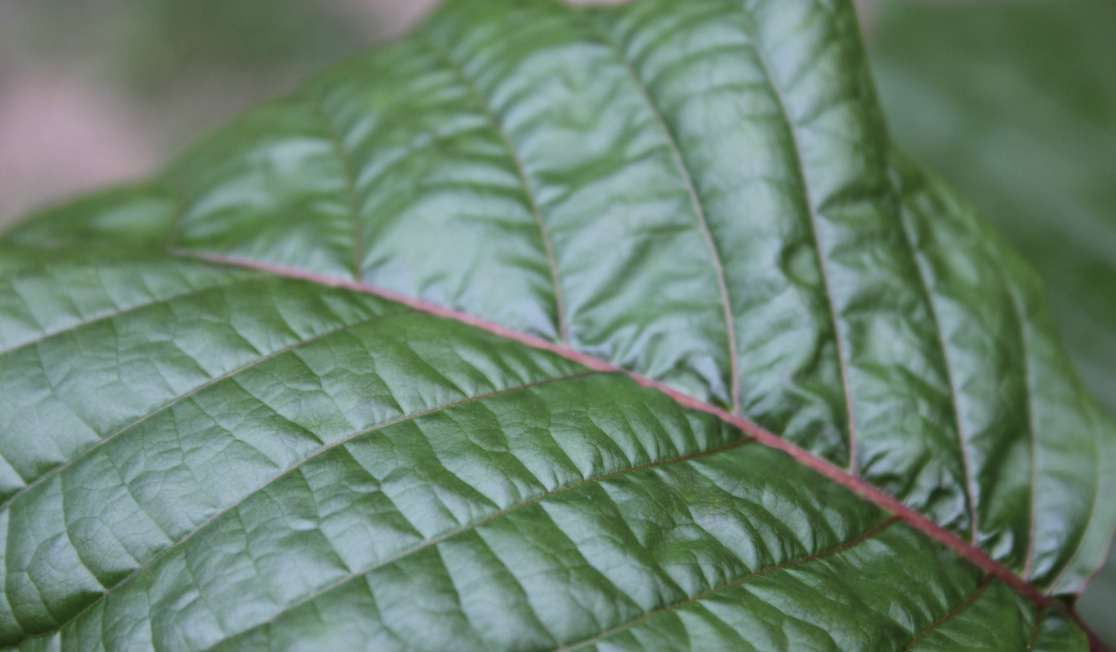
 There are few herbs that can match what acetaminophen, ibuprofen, aspirin, and diclofenac can do in terms of reducing fever, inflammation, and for pain relief. Kratom, also known as Mitragyna speciosa, stands out as one of the most important non-toxic, natural fever-reducing, pain-killing herbs for both children and adults. It is a powerful herb, yet it is relatively safe at the low doses that we recommend here for patients of all ages. That being said though, you have to understand the politics behind why kratom is presented online as unsafe and addictive in order to find your way to this natural pain-killing herb without fear.
The Politics of Kratom
It is controversial to say that kratom is safe. Kratom is one of the most demonized medicinal plants on the planet right now. Why? Because kratom is also a plant that can be used to cure cancer or diabetes. Kratom would destroy the opioid industry as well as the opioid rehab industry because it is a plant that can be used to treat chronic pain and to overcome opioid addiction. So Big Pharma keeps kratom under wraps. A lot of money has been invested in producing propaganda to “warn” people about kratom. Meanwhile, at the time of this writing, if a person were to search for Mitragyna speciosa rather than “kratom” online, they would find that scientists are in quite a frenzy doing research for Big Pharma to figure out how to produce synthetic, unsafe version of this natural plant. There’s all kinds of funding going to research into Mitragyna speciosa because it’s such a powerful and interesting natural medicine. It does a lot of things and it can relieve pain without causing the same addictive response as opiates.
Click here to schedule a health coaching session with us.
For those patients who have chronic pain that warrants a prescription opioid from a doctor, kratom is an alternative pain medicine that works as well as opiates, but with a significantly lower risk-profile. It has opioidergic effects, but it is not an opiate. Few people get addicted to kratom over the long-term as this is a medicine that helps patients kill pain on a day-to-day basis while also acting as a direct healing agent for diseases like cancer and diabetes. Patients with chronic pain often grow extra nerves known as “Dogiel’s nests” near the spinal cord to transmit extra pain messages to the brain when the pain is long-lasting and strong enough and it goes untreated. It is as though the body builds these nests of nerves to make sure that information about pain in the body gets through to the idealistic left-hemisphere of the brain that tends to bulldoze through life according to schedules and rules that have been created by others. The left-brain wants to ignore pain in the body and carry on with life-as-usual. The body feels pain and if the left-brain ignores this pain long enough, the body will build a bigger nerve supply to communicate the pain to the left hemisphere more loudly. The body has this ability to build more of a nerve supply (Dogiel’s nests) to transmit pain to the brain, specifically to the part of the brain (the left-hemisphere) that is built to follow the rules, stay on track, and ignore the body and its needs in favor of doing what the institutions of modern life require.
Click here to buy Cure ADHD Now: The No-Nonsense Guide to Plants, Vitamins, and Minerals That Are Scientifically and Anecdotally Proven to Cure ADHD.
Kratom: Natural Pain Reduction
Kratom gives people the power to work with a relatively safe pain-killer with low toxicity and a high LD50 that eventually can heal the body in part through its pain-reducing effects. To prevent kratom addicton, different kratom trees with different vein colors (white, yellow, red, and green) grown in different areas of the world can be cycled from day-to-day by patients. In other words, each tree is different and different preparation methods change the medicinal profile of the final product enough that the body doesn’t become tolerant to its effects.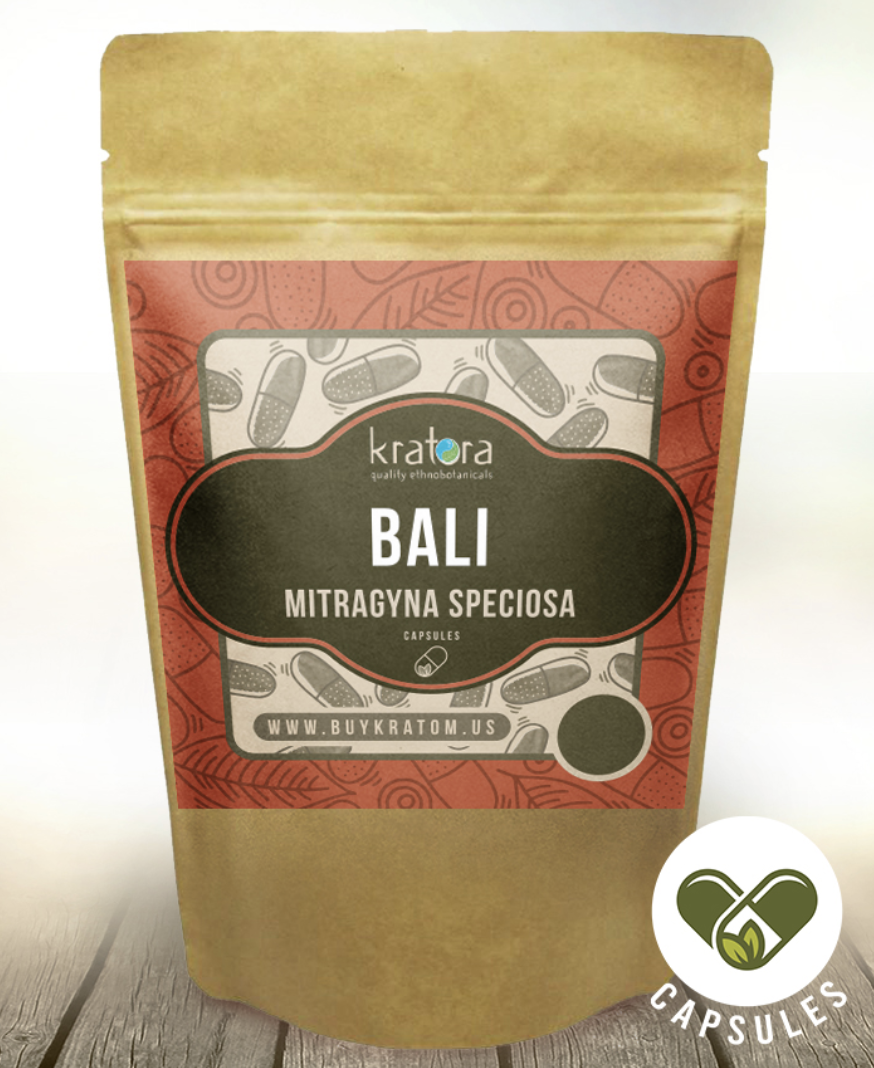
Click here to buy Kratom.
For most people who use kratom for chronic pain, after about 3 to 7 years, the need for kratom starts to wane naturally as the Dogiel’s nests degrade and go away and as the underlying cause of the pain starts to resolve itself. Kratom addresses the pain, which makes it so that the body can stop being so persistent and loud about communicating that there is pain. Some people do claim to get addicted to kratom and that is entirely possible if that person is low on dopamine, especially if they’re using kratom for pain relief or mental illnesses that are caused by low dopamine and trauma build up in the body. But we’ve covered a lot of the information about dopamine and impulsive, addictive behaviors in this book. Research has shown that kratom withdrawal is not nearly as serious as opioid withdrawal. Withdrawing from kratom is more like withdrawing from coffee intake than withdrawing from prescription opiates. In any case, we recommend that patients cycle daily among at least four “veins and strains” of kratom throughout the week to prevent any type of addiction from taking shape. ADHD can be caused or worsened by chronic pain or discomfort in the body. A teething child, for example, may not be able to focus and also be unable to communicate with the parent about the underlying problem. You can give your child an NSAID or acetaminophen, but these drugs can cause serious, life-threatening side effects. Kratom is an alternative for kids and adults.
Click here to subscribe to the Living Database!
Kratom for ADHD
Kratom is not usually our first recommendation for ADHD, but it is on the list of things that people might benefit from using if they have chronic pain, acute pain (like growing pains) or intermittent fevers as a part of the symptom picture. The red vein kratom tends to have sedative properties that are, in some cases, balanced out with stimulant properties. The red strains tend to be recommended most by ADHD patients who have worked with kratom, though everyone is different. Indeed, every kratom strain is different too! Though we recommend working with red vein, it is also wise to try the other vein-colors to see which ones “speak” to you most. For example, people who suffer with depression or anxiety along with ADHD symptoms, yellow or gold kratom veins are best. If you tend to have poor concentration because of low energy, white vein kratom can be used in combination with other veins and strain colors to provide a stimulant boost on par with what you might expect to get from caffeine.
The Mucuna pruriens Protocol: Overcome Dementia, Addiction, ADHD, Mood and Mental Health Disorders
Red Maeng Da or Red Dragon are recommended kratom strains for daytime use in those with ADHD. At night, Red Hulu and Red Bali are sedative kratom strains that can help ADHD patients sleep. Most kratom strains and vein colors can be either stimulating or sedating thus the logic behind working with this herb for ADHD. Like all plants, kratom is innately intelligent and it naturally works with the body’s natural intelligence as well. As an herb that is stimulating in low doses, but more sedating in higher doses (usually at a dose above 5 grams per day in adults), kratom can be used to balance the body’s “fast and slow” mechanisms.
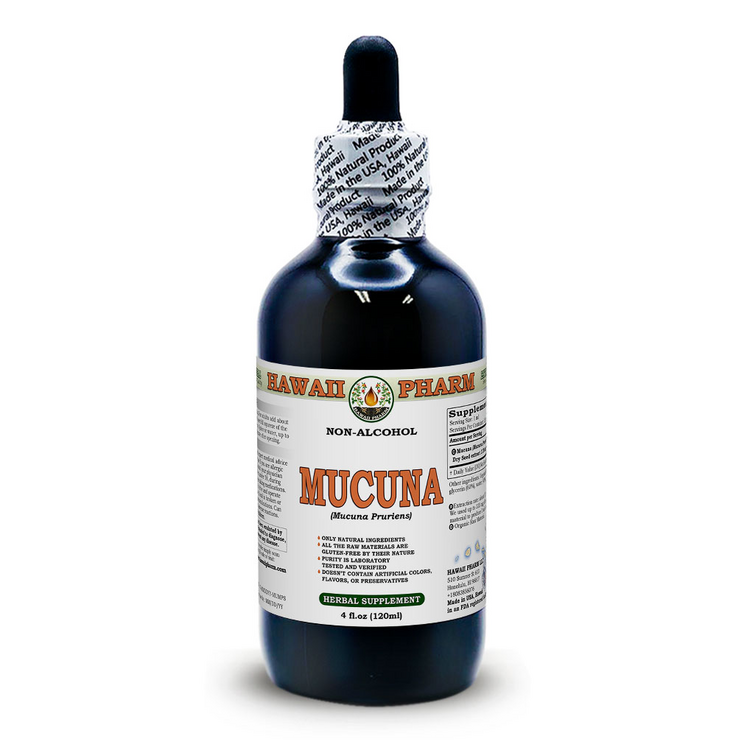
Click here to buy Hawaii Pharm's Mucuna pruriens tincture.
Kratom Basics
NOTE: Don’t administer kratom to children who will later be doing gymnastics or other activities that involve speed. Do not administer Do not combine kratom if you will be driving or operating heavy machinery. Avoid taking kratom with NSAIDs such as ibuprofen, aspirin, diclofenac, etc.), antidepressants, or MAOIs or SSRIs.Medicinal Effects of Kratom
In Southeast Asia, kratom is used to treat a variety of health issues. It is administered daily the way that people in the west drink coffee and caffeinated beverages. Studies have shown that after 20 years of daily ingestion of kratom, there are no medical issues that arise as a result:- Pain relief
- Hypertension / High blood pressure
- Addiction
- Mental health conditions
- Social anxiety
- Anxiety/depression
- Generalized anxiety disorder (GAD)
- Bipolar disorder
- Schizophrenia
- Post-traumatic stress disorder (PTSD)
- ADHD / ADD
- Personality disorders
- Diabetes
- Chronic fatigue
- Coughs / Respiratory issues
- Intestinal parasites
- Diarrhea
- Wound treatment (external use)
- Fever
- Excessive appetite / Appetite suppressant
- Low libido / Aphrodisiac
Click here to learn more about the DreamLight.app, a guided meditation and brain-entrainment tool for natural trauma-release.
Kratom: Herbal Remedy for ADHD and Opioid Use Disorder
For children, the most important natural ADHD medicine is the Mucuna pruriens protocol. The book, The Mucuna Pruriens Protocol at AlivenHealthy.com details this protocol which includes nutrient supplements and other herbs. The book Cure ADHD Now also includes, of course, other protocols for overcoming infection that causes ADHD. But kratom is another medicine that can be used as an herbal remedy for ADHD in some cases. In our experience, Mucuna pruriens and the supporting nutrients are foundational in the treatment of ADHD. This protocol heals the dopaminergic-system in the body while simultaneously relieving the symptoms of ADHD. Some children and adults with ADHD can benefit tremendously from kratom administration in addition to the Mucuna protocol. Some kids also need to work with the Cinchona officinalis protocol. But kratom has blood sugar-lowering effects which can make ADHD patients (both children and adults) calmer and more centered. It is also an inflammation and pain-reducing medicine. Some children with ADHD need to address opioid-related imbalances. While Mucuna pruriens can balance the dopaminergic-system, kratom balances opioid-system responses to the environment and to pain. A lot of people with ADHD also have opioid use disorder. Kratom is a natural plant medicine that can address both ADHD and opioid addiction at the same time. For kids with ADHD, low doses of kratom can be valuable. Kratom produces a stimulant-like effect at low doses below 5 grams per day for adults (the dose would be lower for kids – we’ll discuss that below). At higher doses above 5 grams per day in adults, kratom produces a sedative-like effect. Children respond paradoxically in comparison to adults in regard to stimulants, so keep this in mind as a parent and observe your child and their response to kratom. In our experience, children vary in terms of how they respond to kratom. In reality, this same idea holds true for adults. A little bit of experimentation with different veins and strains at low doses at first is necessary to understand how this plant medicine works. If you’re the parent of an ADHD child, consider working with kratom before giving it to your child to learn how it works and the effects of the different veins and strain on your own mood, alertness levels, and pain levels.
The Renegade Parent's Guide to Children's Health and Healing: Encyclopedia of Herbal Remedies
Kratom Dosing
IMPORTANT NOTE: DO NOT combine kratom with Tylenol or any other pharmaceutical medication. If you decide to alternate between Tylenol and kratom for kids, administer the Tylenol first and then only give the kratom 6 hours AFTER giving the Tylenol. This gives the body a chance to metabolize and excrete acetaminophen from the system, which reduces the risk of acetaminophen poisoning. Administer 0.25 to 0.5 grams of kratom every 4 to 6 hours during the day for children with ADHD. We don’t recommend administering kratom until your child is old enough to use a few words to communicate about how they feel, and until they can walk relatively well (older than 12 months). Be sure to give the very first dose of kratom to your child during the daytime hours to observe their response to it. For children over the age of 18 months, give 0.25 grams of kratom about every 4-6 hours. Alternate among 3 different vein-colors (red, green, and yellow) with each dose. For severe pain or fever, an additional 0.25 grams can be administered after the first 0.25 gram dose if your child is still in pain within the hour after the first dose. In children between 12-18 months, start with 0.15 grams, and again, add another 0.15 grams after 1 hour if needed. Use a gram scale to measure the dose and administer the powder in raw honey. Give your child days off from the kratom whenever possible. Supplement your child with N-Acetylcysteine / NAC to support liver health (NAC powder can easily and safely be added into juices or milk, even for very young babies; use ¼ of the adult dose for infants ages 6-12 months, and ½ of the adult dose for children over 12 months).NAC to Maintain Healthy Glutathione Levels in the Liver
Give your child N-Acetylcysteine / NAC to support liver health while dosing with kratom to keep the liver healthy. NAC is a precursor to glutathione, the primary detoxifying agent in the body. It is used to prevent and treat liver injury caused by other medications too. Kratom is extremely safe when given at the proper dose. In very high doses for prolonged periods of time, however, it can cause hepatitis. When administering kratom even at low doses to a young child, NAC can also be given to ensure that the liver stays healthy as an extra precautionary measure.
Parasites: Self-Treatment and Prevention - BUY THE eBOOK HERE!!!
Resources
Park, T. W. et al. (2023). Trends in Attention-Deficit Hyperactivity Disorder Diagnosis and Pharmacotherapy Among Adults with Opioid Use Disorder. Retrieved February 14, 2026 from https://psychiatryonline.org/doi/full/10.1176/appi.ps.20220400 EUDA (n.d). Kratom drug profile. Retrieved August 19, 2025 from: https://www.euda.europa.eu/publications/drug-profiles/kratom_en#level-3 Singh, Darshan, et. al. (2017). Changing trends in the use of kratom (Mitragyna speciosa) in Southeast Asia. Retrieved August 19, 2025 from: https://onlinelibrary.wiley.com/doi/full/10.1002/hup.2582 Atikarn, Janthongkaw, et. al. (2023). Effect of Green and Red Thai Kratom (Mitragyna speciosa) on pancreatic digestive enzymes (alpha-glucosidase and lipase) and acetyl-carboxylase 1 activity: A possible therapeutic target for obesity prevention. Retrieved August 21, 2025 from: https://pmc.ncbi.nlm.nih.gov/articles/PMC10513218/ Nakaphan, Thanat, et. al. (2016). Traditional Use of Kratom (Mitragyna speciosa Korth) among Folk Healers in Southern Thailand. Retrieved August 24, 2025 from: https://he01.tci-thaijo.org/index.php/JTTAM/issue/view/7119 Blackhouse Botanicals (2024). Kratom vs. ADHD Medication: Exploring Natural Alternatives for Focus, Calm, and Concentration. Retrieved December 22, 2025 from https://www.blackhousebotanicals.com/post/kratom-vs-adhd-medication-exploring-natural-alternatives-for-focus-calm-and-concentration Priatna, P. A. et al. (2024). Cytotoxic Potential of Mitragyna speciosa as Anticancer - A review. Retrieved December 1, 2025 from https://www.phcogj.com/article/2444 Singh, D. et al. (2020). Long-Term Effects of Kratom (Mitragyna speciosa). Retrieved February 13, 2026 from https://medic.upm.edu.my/upload/dokumen/2020120208295609_MJMHS_0697.pdf