Brain Alcohol-Sensing, Sympathetic Activation, Liver Healing, and Brown Fat Activation
The consensus at this time is that alcohol is decidedly bad for an ailing liver, but actually, alcohol, in the proper dose can act to heal the body.
Brown adipose tissue activation and production from white adipose tissue is able to get rid of fatty liver disease by acting as a metabolic sink that can burn stored white fat for energy. At the same time, burning the white fat releases fat-soluble vitamins to reverse fatty liver disease.
Click here to schedule a health coaching session with us.
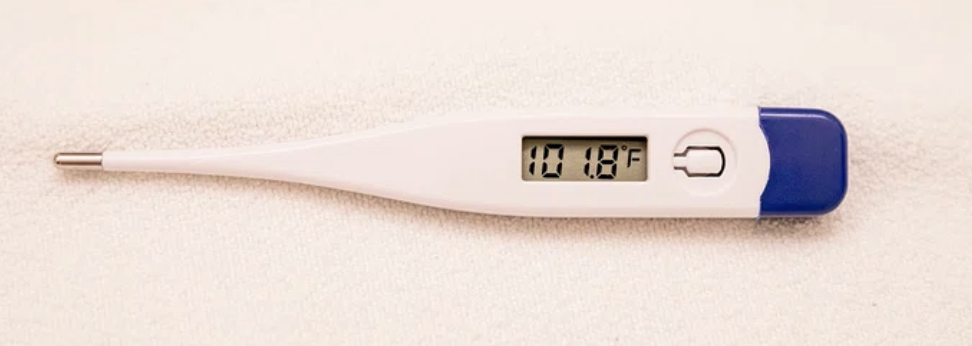
Regular cold exposure can increase the density and activation of brown fat to improve insulin sensitivity and to reduce fat storage in the liver. Additionally, though low-dose alcohol consumption confers a metabolic improvement in the body through its impact on the liver, presumably through its ability to substitute for insulin when cells become insulin resistant, low-dose alcohol consumption stimulates the hypothalamus and the sympathetic nervous system to dramatically increase UCP-1 expression. UCP-1 activation in mitochondria, in turn leads to the production of heat by the body which, then in turn, limits fat and lipid trafficking to the liver. Cold exposure-activation of brown adipose tissue and beige fat cells suppresses alcoholic liver disease and liver damage that might occur as a result of drinking alcohol in higher doses.Essentially, stimulation of brown fat tissue through cold exposure directly impacts neural circuits in the brain and the sympathetic nervous system that alters how the body allocates fats and lipids, leading to a net protective effect for the liver. Administration of red wine or whiskey in very small quantities during illness can activate brown fat so as to maintain proper levels of iron, bring fever down, and also allow the body to continue to release (rather than sequestering) fat soluble vitamins.
Click here to learn more and subscribe to the Living Database now.
Resources:
• Benson, H. et al. (1982). Body temperature changes during the practice of g Tum-mo yoga. Retrieved February 20, 2026 from https://ui.adsabs.harvard.edu/abs/1982Natur.295..234B
• Zunin, I. D. et al. (2025). Effects of Tummo Meditation and Niguma Yoga on Brain Activity. Retrieved February 20, 2026 from https://pmc.ncbi.nlm.nih.gov/articles/PMC12679118/#:~:text=Following%20Tummo%20and%20Niguma%2C%20a,in%20alpha%20percent%20power%20reported.
• Edgerton, D. S. et al. (2006). Insulin’s direct effects on the liver dominate the control of hepatic glucose production. Retrieved February 20, 2026 from https://pmc.ncbi.nlm.nih.gov/articles/PMC1359060/
• Levine, H. (2024). REM sleep: What is it, why is it important, and how you can get more of it?M Retrieved February 20, 2026 from https://www.health.harvard.edu/staying-healthy/rem-sleep-what-is-it-why-is-it-important-and-how-can-you-get-more-of-it#:~:text=How%20to%20get%20a%20good,will%20sleep%20better%20that%20night.
• Hanssen, M. J. W. et al. (2015). Short-term cold acclimation improves insulin sensitivity in patients with type 2 diabetes mellitus. Retrieved February 20, 2026 from https://pubmed.ncbi.nlm.nih.gov/26147760/
• Bo, T. et al. (2024). Hepatic selective insulin resistance at the intersection of insulin signaling and metabolic dysfunction-associated steatotic liver disease. Retrieved February 20, 2026 from https://www.sciencedirect.com/science/article/pii/S1550413124001268
• Li, M. et al. (2024). Brown adipose tissue facilitates the fever response following infection with Salmonella enterica serovar Typhimurium in mice. Retrieved January 26, 2026 from https://pubmed.ncbi.nlm.nih.gov/39128824/