How to Overcome Taenia Infection (Beef and Pork Tapeworms)
Zoonotic tapeworms infecting humans include the beef tapeworm (Taenia saginata) and the pork tapeworms (Taenia solium and Taenia asiatica). T. saginata is the most common tapeworm infection in humans, with higher prevalence in the Pacific, Asia, and areas where meat inspection is not routinely enforced. Infection follows consumption of raw or undercooked meat that contains encysted larvae. A critical distinction: the eggs of T. saginata are not infective to humans, while the eggs of T. solium are. Ingesting T. solium eggs leads to cysticercosis. When larvae disseminate to the brain, neurocysticercosis results, which is a leading cause of epilepsy in endemic regions. About 30% of all cases of epilepsy are a misdiagnosis of Taenia solium infection / neurocysticercosis.Click here to schedule a health coaching session with us.
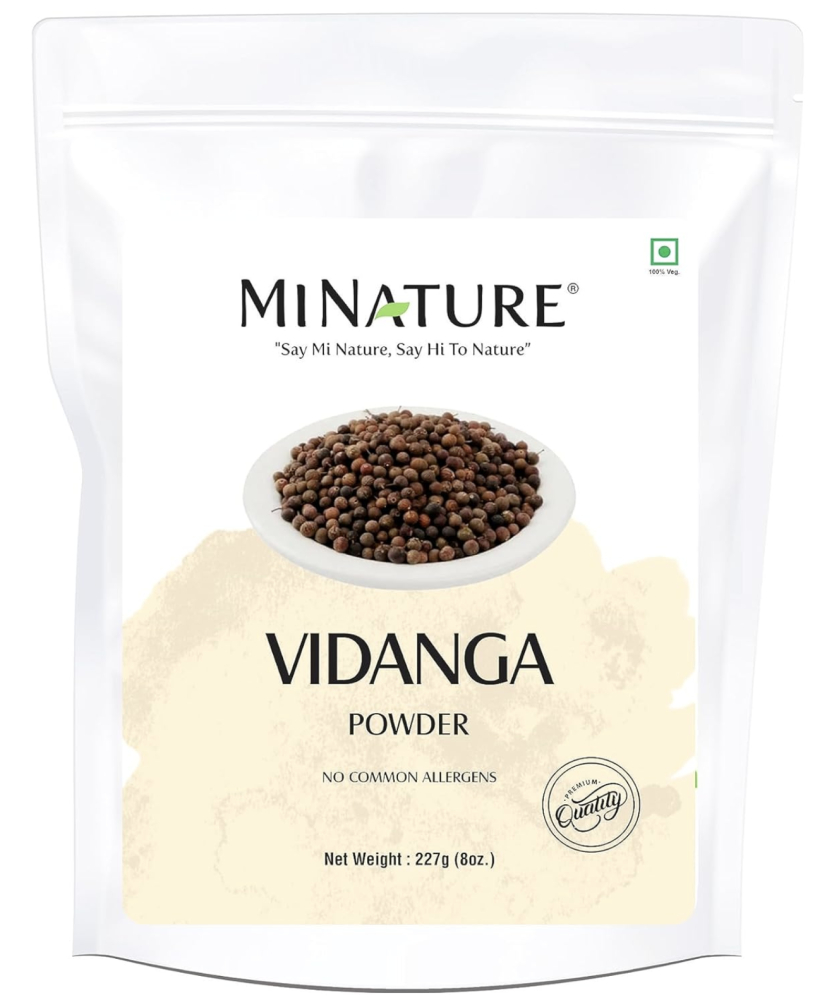
Treatment options include praziquantel and albendazole, both of which cross the blood-brain barrier. Neurocysticercosis treatment through a doctor requires additional antiepileptic therapy and glucocorticoids to manage the neuroinflammation. Embelia ribes, also known as “the worm destroyer” or "Vidanga" in Ayurvedic medicine, is a good choice for anyone who believes they have a tapeworm infection with Taenia solium. Administer 1 gram twice daily for 21 days. Then administer 1 gram every 7 days for 3 more months.Click here to buy Embelia ribes / Vidanga.
In Ethiopia, healers work with the seeds of Glinus lotoides (known locally as “mettere”) to treat tapeworm infestations. Crude methanolic extracts of Glinus lotoides seeds at a dose of up to 1000 mg / kilogram of the patient’s body weight are relatively non-toxic, but powerfully anti-parasitic. Ethanolic extracts at a dose of 1 mg / mL along is also effective. A lower dose of the ethanolic extract of Glinis lotoides at 0.05 mg per mL can be combined with niclosamide or a dose of Glinis lotoides at 0.01 mg per mL can be combined with praziquantel.The LD50 of the hydroalcoholic extract of this herb is 4.5 grams per kilogram body weight in animal models of disease. Giving multiple doses is more effective at treating Taenia solium than giving a single dose.
Seeds of Glinis lotoides contains 10% saponins and 14% oil. The anti-taenia activity of Glinis lotoides has been attributed to the plant’s saponins.
Click here to learn more and subscribe to the Living Database now.
Resources:
• Demma, J. et al. (2007). Toxicological study on Glinus lotoides: A traditionally used taenicidal herb in Ethiopia. Retrieved March 16, 2026 from https://www.sciencedirect.com/science/article/abs/pii/S0378874106006635