Therapeutic Uses of Syrian Rue
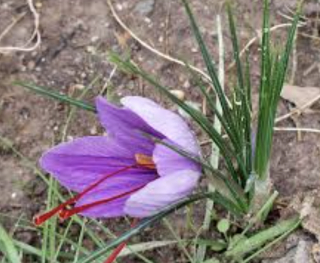
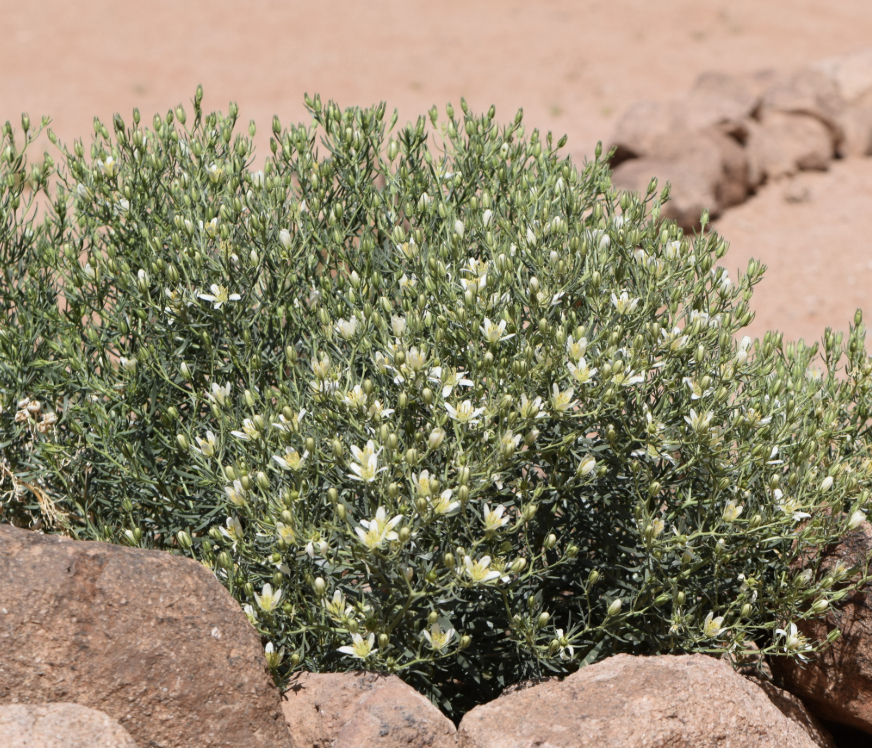
Peganum harmala, also known as Syrian rue, has been central throughout the centuries in Egypt as a folk medicinal herb for diabetes, but this powerful sacred medicine is also used to treat serious health problems like dementia via its ability to resensitize cells to insulin. This is the same herb that’s used to produce the deep red color in Turkish rugs and an herb that’s associated with an Egyptian dwarf god named “Bes” who is tasked with protecting women, children, and families.Peganum harmala can be used in place of Banisteriopsis caapi in Ayahuasca and this is its main claim-to-fame in the west. In reality, though, Peganum harmala is so much more than just a stand-in for B. caapi in the healing Ayahuasca brew. It may be regarded as the Middle Eastern equivalent to B. caapi that was used in a distinctively Middle Eastern way to seek healing in combination with herbs that have properties that resemble, more or less, the properties of Psychotria viridis, the other main ingredient that’s most often used in Ayahuasca brews in the Amazon. There are big discussions in forums like Reddit or DMT-Nexus about whether Peganum harmala-based Ayahuasca brews are legitimately “Ayahuasca” or not despite people having profound, life-changing experiences while ingesting Syrian rue-brews. In this discussion though, we’re going to talk about why people should opt to work with Peganum harmala rather than Banisteriopsis caapi when attempting to cure alcohol addiction, diabetes, or any form of insulin resistance.
Become an Expert. Do our AlivenHealthy Video Courses Online.
Peganum harmala vs. Banisteriopsis caapi
There are many reasons why a person might work with Syrian rue rather than trying to get B. caapi, for example, because Syrian rue is legal, affordable and widely available. In fact, Peganum harmala contains more of the harmala alkaloids that can cure diabetes, alcohol addiction, and insulin resistance in general, but this plant also requires a certain level of respect and caution because it is more potent.
For those who wish to cure diabetes, Peganum harmala can be administered as a microdose without producing psychoactive effects. Yet, I don’t want to suggest that psychoactive doses are bad or that they aren’t necessary. The mental-emotional effects that are produced by Peganum harmala and B. caapi in Ayahuasca ceremonies may very well be essential in order to cure diabetes or alcohol, but what I’m suggesting here is that patients can work with this plant and get to know it as a microdose in order to heal the body. When the patient is ready to do a much higher, psychoactive dose that produces a “trip”, their bodies are already familiar with the herb.
That being said, one of the other benefits of working with Peganum harmala rather than Banisteriopsis caapi is that it combines well with various herbs or even with psilocybin to produce X-huasca – an Ayahuasca-type analogue that doesn’t necessarily cause a purge. Of course, the Ayahuasca purge, once again, is part of the healing process for many people, especially when they first begin working with the sacred medicines, but for those who are really terrified of working with a sacred medicine because of a fear of having a really powerful purge, Syrian rue provides an alternative that’s worth considering.
How Peganum harmala Heals Diabetes, Alcohol Addiction, and Insulin Resistance
Studies have shown that Peganum harmala works, at least in part, through its ability to increase the content of glucagon-like peptide-1 (GLP-1) and improve insulin sensitivity. In cases of dementia, Peganum harmala reduces the hippocampal content of beta amyloids, glycogen synthase (GSK-3β), and phosphorylated tau to heal the brain, a function that is relevant in terms of any insulin-resistance-disease as both alcohol addiction and diabetes, for example, can produce nervous system problems. Peganum harmala enhances Nrf2 and reduces lipid peroxides while simultaneously replenishing glutathione stores to streamline detoxification pathways in the body.
After eating, the glucose-transporter-4 (GLUT-4) on cells in the muscles and fat tissues promote the uptake of glucose from the bloodstream. Insulin signals GLUT-4 to move sugars out of the blood and into tissues. Peganum harmala improves GLUT-4 function which essentially improves insulin sensitivity in both diabetics and alcoholics.
Further, Peganum harmala enhances GLP-1 trajectories in the hippocampus by favoring GLUT4 production. GLP-1 receptor agonists are used in conventional medicine to treat type 2 diabetes and also obesity and they work well to reduce hemoglobin A1c and decrease vascular complications that result from type 2 diabetes. Type 1 diabetes patients, however, have been largely excluded from randomized controlled trials that assess cardiovascular and renal outcomes with the use of GLP-1 receptor agonists. As such, because type 1 diabetes patients have been excluded from studies into GLP-1 receptor agonist-drugs, scientific data has not been available to show that these patients can benefit from medicinal agents that target GLP-1 receptors. Nonetheless, scientists have acknowledged that medicines targeting GLP-1 receptors have an impact on obesity that’s mediated through appetite suppression that would have a positive impact in diabetes type 1.
Though this fact about GLP-1 receptor agonist-drugs as potentially valuable in diabetes type 1, doctors don’t prescribe GLP-1 drugs for type 1 diabetes. Yet there are powerful herbs like Peganum harmala that function as GLP-1 receptor agonists which are worth investigating if you suffer from diabetes type 1 or alcohol addiction, both disease-states that involve insulin resistance.
When diabetes patients receive intensive insulin therapy, it improves glycemic control and it also reduces the risk of microvascular issues. But intensive insulin therapy also increases the risk of weight gain and obesity. If weight gain happens, insulin resistance worsens and insulin requirements increase. If patients are given too much insulin, this can actually drive insulin resistance which results in a positive feedback loop of ever increasing insulin resistance and ever increasing insulin needs.
In people with type 1 diabetes, insulin is secreted from the beta cells in the pancreas into the portal vein. About 50-80% of this insulin is metabolized and broken down when it passes through the liver the first (“the first hepatic pass”). In those with type 1 diabetes though, insulin is injected, usually into the subcutaneous tissues somewhere on the periphery of the body where it then enters peripheral circulation resulting in abnormally high levels of insulin in the periphery of the body. Meanwhile, the liver is in a state of abnormally low levels of insulin (“hepatic hypoinsulinemia”). Often, right after insulin injections, type 1 diabetes patients have peripheral insulin levels that are more than double the levels of insulin in the liver.
What scientists have found is that insulin resistance is driven by peripherally high insulin levels and not by high blood sugar. Essentially, insulin injections drive and maintain type 1 diabetes. Studies have shown that when the administration route for insulin is changed from subcutaneous injections to intraperitoneal injections, glycemic control improves along with insulin sensitivity. Herbal remedies for diabetes type 1 that are administered orally may be able to cure diabetes just simply via an oral and central administration route in the body.
Click here to subscribe to the Living Database now.
Glucagon-Like Peptide-1 / GLP-1 in Diabetes
Usually, in patients with type 1 diabetes, the focus is on insulin and glycemic indices, but some scientists are trying to get the word out about the role of glucagon-like peptide-1 (GLP-1), its safety and its effectiveness in treating type 1 diabetes. At the time of this writing, type 1 diabetes mellitus is generally treated using insulin which resolves insulin deficiency-states, but does not target the actual core issues in the disease including, for example, alpha-cell dysfunction and abnormal glucagon release.Recently, doctors have begun prescribing GLP-1 agonist drugs to type 1 diabetes patients off-label because these drugs have not been approved for type 1 diabetes by the FDA. Doctors have observed that patients who are given GLP-1 drugs lose weight, decrease the total daily insulin requirements, and their glycemic control is modestly improved. GLP-1 therapy using prescription drugs is well-tolerated in patients with type 1 diabetes and there is little risk of hypoglycemia as a result of working with these drugs.
NOTE: If you have type 1 or type 2 diabetes and you are taking a GLP-1 agonist drug, you may need to stop taking this drug before you can safely work with an herbal medicine like Peganum harmala.
GLP-1 is secreted from intestinal L-cells in response to the consumption of food. GLP-1 is a hormone that does many things in the body. When drug-analogs of GLP-1 are administered in humans, a variety of broad metabolic effects have been observed including:
- An increase in insulin secretion (reduced exogenous insulin requirements)
- A decrease in glucagon release
- An increase in glucose uptake in muscles
- A decrease in glucose production in the liver
- Improvements in lipid profile
- Slowed gastric emptying
- Increased satiety
- Weight loss
- Regulation of inflammation via the reduction in pro-inflammatory cytokine release
- Tumor Necrosis Factor-Alpha
- Interleukin-6
- Interleukin 1-beta
- Reduction in pancreatic islet inflammation
- Inhibition of pancreatic beta cell death
- Pancreatic beta-cell proliferation
- Activation of regulatory T cells
- Reduction in glucagon secretion
In patients with type 2 diabetes, GLP-1 has a cardiovascular, neurological, and renal protective function. In patients with type 1 diabetes though, pancreatic beta cell protection, reduced beta cell inflammation and death, along with pancreatic beta-cell proliferation can improve outcomes considerably too.
GLP-1 drugs have been used for over 20 years to treat type 2 diabetes, but these drugs are not approved for use in type 1 diabetes in the U.S., in part because they have the potential to prevent health outcomes that are profitable for Big Pharma. Outside of the U.S. and also, despite the lack of FDA approval, doctors are prescribing GLP-1 drugs off-label to patients with type 1 diabetes with good results in preventing and treating obesity. And while antidiabetic synthetic drugs like the GLP-1 agonists are too limited in their medicinal effects and too toxic to the body to cure diabetes directly, Peganum harmala is an herb that’s widely available that acts as a GLP-1 agonist and that can also heal pancreatic beta cells and promote the growth of new pancreatic beta cells. A number of herbs like Momordica charantia (Bitter Melon), Costus igneus (Insulin Plant) and also Peganum harmala work through multiple mechanisms of action to cure diabetes.
Click here to schedule a health coaching session with us.
GLP-1 in Alcohol Addiction
Patients with alcohol addiction have been studied in terms of their response to GLP-1 prescription drugs. For example, one group of 48 human subjects with alcohol addiction received the GLP-1 agonist known as semaglutide or a placebo on a weekly basis. The semaglutide treatment didn’t affect the average number of drinks per calendar day or the average number of days drinking, but it still significantly reduced the number of drinks on drinking days and weekly alcohol craving scores. Statistically, the study indicated that alcohol addicts would reduce their drinking over time in comparison with the placebo.Interestingly, the semaglutide as a GLP-1 agonist also predicted relative reductions in cigarette use in individuals who were addicted to cigarettes.
These studies show that a focus on GLP-1 may be vital in terms of at-home treatment for alcohol use disorder. While insulin resistance in alcohol use disorder is cutting edge science right now, in fact, treatment for insulin resistance should not be focused on insulin itself, but on glucagon and GLP-1 to overcome it. The GLP-1 agonist herbs like Costus igneus, Momordica charantia, and of course, Peganum harmala can be used to reduce alcohol cravings naturally through their impact on glucagon release.
Peganum harmala / Syrian Rue as a Herbal Cure for Diabetes and Alcohol Addiction
Studies looking at the antidiabetic properties of Peganum harmala have demonstrated remarkably positive results. In one study, a hydroalcoholic extract of Peganum harmala in animal models of diabetes was administered at different doses to study the impact of this herb on glucose, triglycerides, HbA1C and total cholesterol levels. The hydroalcoholic extract was administered orally at a dose of 30, 60, or 120 mg per kilogram of the animal’s body weight daily for 4 weeks. In this study administration of the extract results in a remarkable decrease in glucose, lipid profiles, MDA, ALT, AST, GGT, bilirubin levels, and HbA1c levels with an increase in TAC. As such, this study showed that Peganum harmala has powerful antidiabetic and hypolipidemic activity that could be used to treat diabetes naturally.Of course, alcohol addiction, as we’ve already discussed, is an expression of insulin resistance and as such, Peganum harmala would be expect to have similar healing effects on those with alcohol use disorder. But it’s important to note here that many of the scientific studies about Peganum harmala have been designed to tell Big Pharma about potential substances that they might exploit in order to treat (but not cure) diseases like diabetes or alcohol use disorder.
Below, we’ll provide a recipe to help you get started working safely with this herb at very low doses, increasing the dose slowly over time.
Harmala Alkaloids to Cure Pancreatic Diseases: Trauma, Depression, Addiction, and Diabetes
The harmala alkaloids found in Peganum harmala, including harmine, tetrahydroharmine, and harmaline are substances that heal the beta-cells in the pancreas to produce a cure for diabetes in some cases, but the harmala alkaloids do more than that. The harmala alkaloids also seems to cause the glucagon-producing alpha-cells in the pancreas trans-differentiate into insulin-producing beta cells. In other words, the pancreatic alpha and beta cells have the ability to transform from alpha into beta cells and harmine induces the proliferation of either or both of these cell types that produce glucagon and insulin in the body. The transdifferentiation process appears to involve a shift from alpha-cells to alpha-beta cells, and then to beta cells over the course of time.Diabetes and insulin resistance can occur as a result of too few insulin-producing pancreatic beta cells. The GLP-1 receptor agonist class of drugs induces beta cell replication and an increase in beta cell mass but these drugs are not approved for this use and doctors typically won’t work with patients to cure diabetes or alcohol use disorder. Indeed, research is not being geared at trying to understand how to use the GLP-1 receptor agonists to cure diabetes as this would not be profitable for Big Pharma. Thus, patients are still on their own to figure out how to use the GLP-1 agonists properly to overcome their insulin resistance, diabetes, or alcohol use disorder symptoms. We suggest here that patients instead work with Peganum harmala, albeit with caution and careful attention to insulin levels during the initial stages of treatment, to naturally heal the pancreas and rebalance the number of alpha and beta cells.
Interestingly, the harmala alkaloids are also Monoamine Oxidase Inhibitors / MAOIs that function as antidepressants, but that also allow the body to process and use dimethyltryptamine / DMT, a substance that’s produced in the body to foster our connection, as humans, to the Divine. Monoamine Oxidase is an enzyme that breaks down monoamines in the body. Monoamines are a group of neurotransmitters and hormones such as serotonin, dopamine, adrenaline, and noradrenaline. Note at this juncture that MAO status in the body plays a role in the process of addiction via its impact on dopamine. The class of drugs known as the MAOIs produce a medicinal effect in the body via the inhibition of the monoamine oxidase enzyme that’s produced throughout the body in the mitochondria. There are two MAO subtypes: MAO-A and MAO-B.
While MAO-A function is dependent on the lipid content of mitochondrial membranes in cells suggesting the importance of healthy fats and lipids in the diet whenever seeking to treat an insulin-resistance disease-process, MAO-B does not depend on lipid content to be functional. When either MAO-A or MAO-B metabolize a substrate, hydrogen peroxide and ammonia are produced. Hydrogen peroxide acts as a powerful reactive oxygen species medicine that can prevent infection in the pancreas by killing pathogens.
In the islets of Langerhans, MAO-A is present in about 50% of cells. MAO-B is present in fewer than 50% of cells and it is located more on the periphery of the islets. MAO-B is found more often on the central acinar cells of the pancreas that produce pancreatic enzymes as well as in the pancreatic ducts. As such, MAO-B likely plays a big role in the health of the liver, gallbladder, and pancreas as organs of digestion. In electron microscopy, MAOs are often located in the pancreatic beta cells along with insulin, suggesting that these two substances work together closely.
Scientific studies have shown that in those with diabetes, MAO activity is significantly reduced. The decrease in MAO activity is associated, in turn, with an increase in pancreatic tissue levels of adrenaline and noradrenaline. Serotonin levels also appear to be increased in diabetics and a number of studies have shown that MAO prevents insulin secretion. On the other hand though, some of the substrates that are broken down by MAOs (e.g. serotonin, dopamine, adrenaline, noradrenaline), stimulate insulin secretion.
We are discussing not just diabetes, but also alcohol use disorder together in the same article because there are certain symptoms of both of these diseases that overlap in the scientific studies. Insulin resistance is shared by both alcohol use disorder as well as diabetes, but insulin resistance, in turn, is heavily correlated with mood disorders including depression and anxiety, to name just two of them. In studies, scientists have shown that mice with insulin resistance display increased depression and anxiety behaviors. These mice also had a decrease in dopamine release in the striatum of the brain. Antidepressant drugs that increased dopamine levels also relieved symptoms of depression. Scientists know now that insulin resistance impacts the central nervous system in part through a disruption in dopamine pathways that can lead to mood disorders and addiction behaviors.
Beta-2-adrenoreceptor agonists like terbutaline can stimulate MAO activity in the body. Terbutaline is a drug that is used to stop bronchospasms in patients with asthma. It works by interacting with the beta-2-adrenoreceptors that also interact with adrenaline and noradrenaline. There are drugs like albuterol, for example, that may also interact with the beta-2-adrenoreceptors like a lock-and-key. These drugs work by dislodging adrenaline, noradrenaline, or other toxic substances that are pathologically interacting with those receptors to cause spasms in the bronchial tubes or in organs of the body such as the pancreas or the liver. Indeed, beta-2-adrenoreceptors are also present on mast cells and they likely play a role in diseases like Mast Cell Activation Syndrome. These receptors are essential to regulate certain body functions like smooth muscle relaxation in the organs of the body such that the organs can rest and reboot every day. But these receptors are also essential for the production of glycogen, a stored form of glucose in the liver.
In those with insulin resistance and blood sugar issues, glycogen production is disrupted. Normally, glycogen is produced when blood sugar levels get too high and the blood sugars need to be stored. The beta-2-adrenoreceptors regulate the production of glycogen from blood sugars. These receptors belong to a family of adrenoreceptors that are also able to stimulate adenylate cyclase that leads to increased levels of cyclic AMP (cAMP), a second messenger within cells that allow the cell to interact with the external environment and respond appropriately to it.
We might look at cAMP as a camp-site (to make it easier to remember its function in cellular physiology) on the surface of a cell where messengers sit waiting to receive messages from the outside world. They do not send messages, per se, but rather, they sit on the membrane and deliver messages from the outside world to molecules and structures inside the cell. As such, cAMP is a part of a number of cellular processes including:
- Hormones
- cAMP mediates the effects of hormones like glucagon and adrenaline in various tissues throughout the body.
- Metabolism
- cAMP controls the breakdown and production of glycogen which makes this little second messenger molecule into a focal point in diabetes and alcohol use disorder.
- Secretion
- cAMP regulates the release of substances like gastric acid and saliva.
- Muscle contraction
- Both cardiac and smooth muscle contraction are influenced by cAMP.
- Gene Expression
- cAMP influences which genes are switched on and which are switched off inside cells.
Click here to learn more about the DreamLight.app, an online guided meditation and brain-entrainment tool.
Many studies demonstrate that MAO inhibits the secretion of insulin and that MAO and insulin are intimately connected, but some MAO substrates like serotonin, dopamine, adrenaline, and noradrenaline also stimulate insulin secretion. MAO and the drugs that belong to the class known as MAOIs for depression have an impact on diabetes symptoms as well as alcohol addiction which is something that doctors should consider, but they aren’t really aware of this connection in most instances. At the same time though, when we look at the physiology of MAO and insulin in the pancreas, the view that the pancreas is the organ of trauma (trust and distrust) in Traditional Chinese Medicine becomes much easier to understand and fully grasp.In Traditional Chinese Medicine (TCM), the pancreas is the organ of trust and distrust. As such, the pancreas is central in our experience of the world as being “safe” or “unsafe”. The pancreas is the organ most affected by emotional issues like childhood neglect or abuse, trauma, and high stress levels in TCM. The pancreas is the organ, after all, that produces enzymes that allow us to digest and absorb the food that comes into our bodies from the outside world. In other words, the pancreas impacts how well we’re able to “digest” the outside world as a macrocosm. And it is also the organ that releases insulin and glucagon, two hormones that impact our ability, at the cellular level, to absorb and use blood sugars and nutrients in a productive, healthy way. In other words, the pancreas is also the organ responsible for ensuring that the microcosmic units of our flesh-and-bones existence is functioning optimally.
The cAMP second messengers might be viewed as central in any discussion about cells that are fluently communicating with the outside world or cells that have gone into a dormant or semi-dormant state of illness as in alcohol use disorder or diabetes. When cells are “traumatized” through a direct hit or cellular signaling that occurs as a result of an emotional trauma or a biological trauma, they go into a state of dormancy known as The Cell Danger Response according to Dr. Robert Naviaux, a physician who studies autism / ASD cures. The Cell Danger Response can produce any number of symptoms and negative effects within the macrocosm of the body including a comatose state known as Resignation Syndrome. Less dramatic, but still distressing symptoms that can occur as a result of cellular dormancy include diabetes symptoms, depression and other mood problems, addictive behaviors and cravings, chronic pain, and more.
Dr. Robert Naviaux worked with an FDA-approved substance known as “Suramin” to cure autism / ASD, but Suramin, despite its obvious healing benefits for autism / ASDM has not been approved by the FDA (big surprise). But Peganum harmala is an alternative herbal cure for diseases that involve any of the various signs and symptoms of Resignation Syndrome or The Cell Danger Response including diabetes and alcohol use disorder among others.
The harmala alkaloids have a powerful impact on pancreatic beta-cells and alpha-cells which, in turn, produce insulin and glucagon that cause the cells in the body to open or in some cases, to close down. As such, the harmala alkaloids help the cells in our bodies, as discreet, holographic units of our selves, to be able to open up and receive nutrition from the external environment. Though there are disease states like inflammatory bowel conditions that involve a physical manifestation of “distrust” at the gut-level, diabetes and alcohol addiction involve a pancreatic-style “distrust” of the Self and of the body’s own ability to break things down into manageable parts for absorption and integration. Diabetes and alcohol addiction might be categorized as trauma-related diseases involving a deep distrust of Self versus distrust of Others. The harmala alkaloids, however, are able to rebalance the body’s reaction to nutrition and nutrients – a sort of reconsideration of how the body at the cellular level is able to give and receive love.
Of course, the acinar cells that produce pancreatic enzymes in the pancreas, are also positively impacted by the harmala alkaloids found in Peganum harmala. Studies have shown that administration of harmine to animal models with diabetes alters the cellular structure as well as the ultrastructure of the pancreas in dramatic ways. In addition to its impact on the pancreatic acinar cells, Peganum harmala and the harmala alkaloids were able to restore liver cells and kidney cells to normal configuration. In the mice with diabetes that were treated in one study that observed the impact of harmine on the pancreas, liver, and kidneys, pancreatic cells at the beginning of the study were architecturally distorted with some overgrown and others shrunken. There were signs in the initial stages of the study, prior to harmine administration, of beta cell death and destruction including cytoplasmic vacuolization, darkly stained nuclei, and karyolytic nuclei as well as inflammatory cells. After harmine treatment, the pancreas was restored to normal cellular arrangement with significantly lessened pathological appearance. The islets of Langerhans after harmine treatment had a normal structure and well-defined boundaries and the acinar cells were also restored to health.
Click here to do a free trial of EMDR to Release Trauma.
Ayahuasca for Diabetes and Alcohol Addiction
Ayahuasca is an herbal brew that consists of a combination of ingredients. The “classic” recipe for Ayahuasca normally consists of Banisteriopsis caapi and Psychotria viridis, but there are other recipes that base themselves instead on Peganum harmala and Mimosa hostilis as alternatives that produce a very similar experience. Nonetheless, Banisteriopsis caapi and Peganum harmala are both the headlining herbs in these two different Ayahuasca recipes and both of them contain the pancreatic alpha and beta cell-healing harmala alkaloids. Peganum harmala actually contains a higher percentage of harmala alkaloids than Banisteriopsis caapi.While Banisteriopsis caapi contains between 0.31 to 8.43% of the harmala alkaloids (harmine, harmaline, and tetrahydroharmine), Peganum harmala seeds contain the harmala alkaloids in concentrations that average between 2-7%. Harmine is a major component in Peganum harmala while in Banisteriopsis caapi, the harmine content is comparatively much lower.
The difference in harmala alkaloid content is an important thing to keep in mind as you work with Peganum harmala. Start with a microdose and increase the dose slowly, especially if the patient is currently administering insulin or other antidiabetic drugs. Monitor blood sugar levels and other parameters closely to wean the patient off insulin slowly over time.
Dreams and Dreaming: Insulin and Growth Hormone
Ever since the separation of the church and the state occurred hundreds of years ago, as a way to resolve a certain type of conflict in the world, humans have sought to create dissociations in their lives in the name of creating peace. To some extent, this effort has been successful, but of course, when dissociation became a popular peace-keeping tool, this concept was applied to areas of our lives where it didn’t always function in a positive way. The mind-body problem is a good example of a type of dissociation that characterizes the modern human in today’s world. Those of us who live in industrialized societies are raised with powerful messages to remind us that our minds and our spirits are separate from our bodies.Readers who have gotten this far in this discussion, past the information about the pancreas as the organ of trust and distrust in TCM, and the fact that the pancreas produces enzymes that function macrocosmically in the body in a manner similar to how insulin function microcosmically in our cells, is ready for the next level of data about Peganum harmala and the harmala alkaloids.
In the body, insulin is continuously produced and released every 3 to 6 minutes of every day of our lives. Insulin release is dynamically controlled in the beta cells of the pancreas in response to blood sugar levels and we rely on insulin as a sort of “general contractor” for our cells to ensure that they always have the building materials that they need in order to repair and maintain themselves and thrive as tiny individual, holographic units of our tissues and organs.
But there are times when insulin production and release shuts down during the day, namely when growth hormone (GH) is released. GH is crucial for growth and development in children, but it is also crucial for basic maintenance and repair at the cellular level for adults. Growth hormone release corresponds to Rapid Eye Movement (REM) sleep when our bodies are “paralyzed” and we’re dreaming. Growth hormone, as such, might be viewed in our metaphor as the architect that draws up the blueprint that insulin follows (as the general contractor) to build and maintain our cells.
GH and REM sleep have a complex relationship. REM sleep is essential in our lives as a time during every 24 hours period (ideally) when our bodies process stress and trauma through back-and-forth eye movements that might be viewed as a deep and powerful dialogue between the mind and the body. GH administration in animals, shows that GH increases REM sleep and sleep deprivation can suppress GH levels as well as suppressing non-REM slow wave and REM sleep cycles.
When GH is released, a temporary state of insulin resistance is produced in the body. Cells go into a temporary state of dormancy or “rest” as the body enters into non-REM or REM sleep states. In other words, for a short period of time every day (90 minutes to 2 hours in healthy people), everyone is diabetic or “insulin resistant”. GH allows the mind-spirit to “dream” and produce the blueprint that’s later used by insulin as the general contractor when GH is no longer released and the temporary insulin resistance in the body ends.
Insulin resistance, as such, is not always a pathological state and, in fact, it might represent a theta or delta brainwave state (the same brainwave states produced during REM sleep). When insulin resistance happens during waking hours, the brain might go into deep brainwave states that normally characterize sleep, such as delta or theta. Children and adults with autism / ASD exhibit disturbed daytime brainwave activity that often involves dipping deep into delta brainwave states (that normally only happen during deep sleep) while resting in a wakeful state.
Studies have shown that people with diabetes exhibit alterations in their brainwave activity including the power and frequency of theta (which is often associated with sleep) and beta (which is often associated with wakefulness and alert states of mind) waves. One study, for example, has shown that people with diabetes have higher theta brainwave activity in the frontal and temporal lobes of the brain while doing a cognitive task. This study also showed that people with diabetes may have lower beta wave activity as well.
Brainwave disturbances may not, in fact, be characterized as disturbances in other cultures depending on how they’re used by the person with the disturbance. In many cultures, for example, epileptic seizures are viewed as a gift that allows a person to release their soul (into what we would regard as the unconscious mind-space) and then bring it back into their bodies. This gift gives the epileptic the ability to heal themselves and others. In the modern industrialized world, we don’t have a model for this way of thinking. Nonetheless, it seems important to mention it here.
Peganum harmala for Trauma Release
One of the mechanisms of action through which Peganum harmala functions in the body is through the emotions and its ability to release trauma. Trauma and/or situations involving high stress or chronic ongoing stress, gets stored in the autonomic nervous system which, in turn, alters the functioning of all of the organs and any function in the body that’s carried out unconsciously.Peganum harmala can be used by itself or with other DMT-containing herbs like Mimosa hostilis to release trauma permanently. When the trauma is released from the body, it no longer disrupts organ and tissue function which, by itself, can produce major lasting changes in the body in terms of physical, not just mental health.
In those with alcohol addiction, trauma and chronic, ongoing stress plays a role in maintaining the addictive behavior. When the trauma is released, alcohol cravings and mental health issues begin to abate as well.
Peganum harmala Dose:
If you are working to overcome alcohol addiction at home, you’ll begin by microdosing with Syrian Rue using a decoction of the seeds.Peganum harmala Decoction Recipe for Microdosing
This recipe will produce enough Peganum harmala tea for about 21 days.- Using a gram scale, measure 30 grams of Peganum harmala seeds and put them in a frying pan.
- Begin by roasting your Peganum harmala seeds in the frying pan on low to medium heat. All seeds should be touching the bottom of the pan. Roast the seeds for 5 minutes and mix them around in the pan with a wooden spoon. The seeds will get lighter as you roast them and give off a pleasant smell. DO NOT BURN THE SEEDS.
- Next, put water into the frying pan covering the seeds completely. Use as little water as possible for this part, but not too little as you need to be able to pour it out into a jar in the next few steps. The water will contain the harmala alkaloids. Use about 1 to 1 1/2 cups of water.
- Bring the water to a boil for about 1 minute. Then pour the water out into a colander, leaving the seeds behind in the pan to do additional “pulls” (1 pull includes the addition of water, boiling of the seeds and water together for 1 minute, and then pouring the water through a colander to collect it as the harmala medicine).
- Do 5-7 pulls.
- You should have about a 1 quart jar (more or less) of the tea-decoction. Cool the decoction in the refrigerator. Administer 1-3 mL daily for adults.
Resources:
• Saleh, R. A. et al. (2021). Peganum harmala enhanced GLP-1 and restored insulin signaling to alleviate ALCl3-induced Alzheimer-like pathology model. Retrieved June 20, 2025 from https://www.nature.com/articles/s41598-021-90545-4
• Resnick, O. et al. (2025). Glucagon-like peptide-1 receptor agonists and type 1 diabetes: a potential game changer? Retrieved June 20, 2025 from https://pmc.ncbi.nlm.nih.gov/articles/PMC11790463/
• Panjawatanan, P. & Comi, R. J. (2025). GLP-1 agonists in Type 1 diabetes - Indications and use. Retrieved June 20, 2025 from https://www.sciencedirect.com/science/article/pii/S2451847625000119
• Komeili, G. et al. (2016). Evaluation of Antidiabetic and Antihyperlipidemic Effects of Peganum harmala seeds in Diabetic Rats. Retrieved June 20, 2025 from https://onlinelibrary.wiley.com/doi/10.1155/2016/7389864#:~:text=Also%2C%20the%20data%20showed%20that,SD%2C%20n%20=%208).&text=Statistically%20significant.,-Figure%201%20shows
• Zaffanello, M. et al. (2024). Complex relationship between growth hormone and sleep in children: insights, discrepancies, and implications. Retrieved June 20, 2025 from https://www.frontiersin.org/journals/endocrinology/articles/10.3389/fendo.2023.1332114/full
• Purohit, R. et al. (1968-1975). A Comprehensive Review on Potential Therapeutic Effects of Peganum Harmala in Managing Type 2 Diabetes and Its Related Complications. Retrieved June 20, 2025 from file:///Users/jennifershipp/Downloads/30259_Final_Volume+30+No.+19_(2023)_Journal+of+Population+Therapeutics+and+Clinical+Pharmacology.pdf
• Dos Santos, R. G. et al. (2011). Pharmacology of ayahuasca administered in two repeated doses. Retrieved June 20, 2025 from https://pubmed.ncbi.nlm.nih.gov/21842159/
• Guyton, J. et al. (2019). Glucagon-like peptide 1 receptor agonists in type 1 diabetes mellitus. Retrieved June 23, 2025 from https://pubmed.ncbi.nlm.nih.gov/31612934/
• CHang, C. L. et al. (2021). Bitter Melon Extract Yields Multiple Effects on Intestinal Epithelial Cells and Likely Contributes to Anti-Diabetic Functions. Retrieved June 23, 2025 from https://pmc.ncbi.nlm.nih.gov/articles/PMC7976585/
• Hendershot, C. S. et al. (2025). Once-Weekly Semaglutide in Adults with Alcohol Use Disorder: A Randomized Clinical Trial. Retrieved June 23, 2025 from https://jamanetwork.com/journals/jamapsychiatry/fullarticle/2829811
• Karakose, E. et al. (2024). Cycling alpha cells in regenerative drug-treated human pancreatic islets may serve as key beta cell progenitors. Retrieved June 23, 2025 from https://www.cell.com/cell-reports-medicine/fulltext/S2666-3791(24)00603-7#:~:text=These%20remarkable%20increases%20in%20beta,ZnT8%2C%20ENTPD3%2C%20etc).&text=7.,-Wang%2C%20P.&text=8.,-Ackeifi%2C%20C.&text=Curiously%2C%20in%20contrast%20to%20the,increase%20in%20alpha%20cell%20mass.&text=Collectively%2C%20these%20observations%20suggest%20that,harmine%20and%20other%20DYRK1A%20inhibitors%2C&text=3.,-Dirice%2C%20E.&text=7.,-Wang%2C%20P.
• Adeghate, E. et al. (2004). The Effect of Diabetes Mellitus on the Morphology and Physiology of Monoamine Oxidase in the Pancreas. Retrieved June 23, 2025 from https://www.sciencedirect.com/science/article/abs/pii/S0161813X03000913
• Carr, F. (2015). Diabetes, dopamine, and depression.Retrieved June 23, 2025 from https://www.nature.com/articles/nrn3957#:~:text=Type%202%20diabetes%2C%20characterized%20by,Article%20CAS%20PubMed%20Google%20Scholar
• Morsey, M. H. E. (2023). Anti-Diabetic and Anti-Adipogenic Effect of Harmine in High-Fat-Diet-Induced Diabetes in Mice. Retrieved June 23, 2025 from https://www.mdpi.com/2075-1729/13/8/1693
• Wang, J. et al. (2013). Resting state EEG abnormalities in autism spectrum disorders. Retrieved June 23, 2025 from https://pmc.ncbi.nlm.nih.gov/articles/PMC3847481/#:~:text=The%20most%20common%20way%20to,processing%20%5B42%2C43%5D.