 Natural ADHD Treatment Strategies to Overcome ADHD Drugs Side Effects, Tics, Mental Health Problems
Parents are under a lot of pressure to make sure their kids perform according to the rules in schools. Teachers are under a lot of pressure to make sure the kids in their classes perform well on standardized tests. School administrators are under a lot of pressure to make sure the school is properly funded. And kids? Kids receive the brunt of all this pressure.
So what’s the solution to this problem? It’s a big, complex problem so the answers are likely to be similarly big and complex. While there are plenty of people who would like to solve it, few of these people are in a position to make changes that will truly make an impact on the big picture. But one powerful force in U.S. culture that has a band-aid for everything is Big Pharma and the school systems are no exception. Enter Ritalin, a central nervous system stimulant that makes kids more docile and obedient.
The Renegade Parent's Guide to Children's Health and Healing: Volume 1 - Encyclopedia of Herbal Remedies
I have trouble with the idea of Attention Deficit Hyperactivity Disorder (ADHD) and how it's portrayed by the media and by Big Pharma. I’ll admit that. I’ve worked with kids in classroom settings and I can tell you that I’ve been glad that some of them were “medicated” with Ritalin before they showed up for class. Their behaviors were truly disruptive and they stole attention from the kids who were better able to pay attention to the instructor. But I’ve also worked with a grandchild who has ADHD and I know how prescription medications can lead to slightly better behavior in schools and a worsening of behaviors at home. I’m aware of the issues that some kids have in classroom settings and I don’t blame teachers for reaching a breaking point. But parents and families suffer as a result of the “band-aid” that Big Pharma has concocted for kids. Many of them who go to college end up addicted to Adderall without realizing that this drug can be damaging to the brain and dopamine receptors. Parents end up in a situation that feels like they’re damned if they do and damned if they don’t. And sadly, only a few parents ever try using Mucuna pruriens or amino acids with nutrient supplements to not only resolve ADHD symptoms, but to heal their child’s ADHD brain.
UPDATE 2021: Click here to read about the results from Alexander's 2-week natural treatment program for severe ADHD.
Click here to schedule a health coaching call with us.
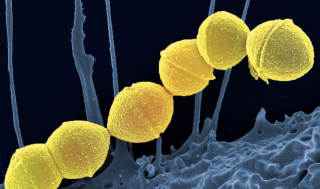
Mucuna pruriens and supportive nutrients is enough for some ADHD kids. But other kids need to do a 6 to 8 week treatment with Cinchona officinalis in order to get rid of a low-level Streptococcus pyogenes infection that underlies the iron-deficiency anemia and the behavior issues. Only then can Mucuna pruriens treat the damaged dopamine receptors. While I see the ADHD problem and Big Pharma’s proposed solution (Ritalin and its derivatives), I’m just not satisfied with the algorithm. It doesn’t add up and it’s not acceptable to poison families like this. Few parents realize that Ritalin can cause serious mental health issues for kids later in life. I have, unfortunately, foster parented a child who took Ritalin for many years and who later developed severe paranoia as a teen. So, in my opinion, parents who are told that their kids need Ritalin exchange one set of problems for a different, more serious set of problems that their kids could carry into adulthood. Parents carry the brunt of responsibility. Kids must conform biologically by taking drugs that alter their natural physiology and they must conform emotionally by suppressing their trauma. Where’s the funding for finding actual answers for parents and kids? It never becomes available because the goal is not to cure ADHD. The goal is to make money off of families with ADHD kids (and later off the kids who become adults with ADHD). The biggest problem I have with ADHD is that the symptoms of this disease describe the behaviors of most normal, healthy kids:- Difficulty paying attention
- Difficulty sitting still
- Impulsivity
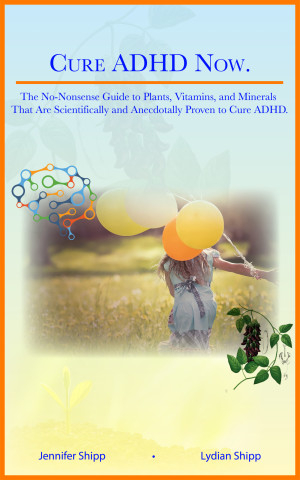
Click here to buy the book Cure ADHD Now.
Kids who are medicated with Ritalin, rather than learning how to control their behaviors, never learn to control their behavior. And behaviors worsen over time after kids start taking methylphenidate and its various derivatives. So kids need new prescription meds from Big Pharma in order to continue to meet the standards of the school system and each new synthetic medication presents new opportunities for a child’s brain to be damaged in some way. There’s no way for a kid to learn how to pay attention other than for them to practice paying attention, or better yet, to learn how to notice what gets his or her attention. In most cases, impulsivity wanes with time as kids gain more experience in the world. And some kids never enjoy sitting still. These kids are likely to grow into adults who take jobs that involve working outdoors or with their hands. In any case, it’s important for kids to receive medicine that heals rather than poison to cover up symptoms of ADHD so that they can learn about self-control when they are young rather than having to learn all of the lessons of self-control after reaching an age of sexual maturity. Further, while I acknowledge that many parents don't have time to cook homemade meals or make their kids' lunch each day for school, there are compelling reasons to believe that most kids are in serious need of IODINE supplementation (particularly American children, but this is true to an extent for children throughout the world) as well as fat-soluble vitamins. Iodized salt doesn’t work to adequately provide for the iodine needs in most kids because the iodine evaporates out of salt box almost immediately after it’s opened. Your child needs iodine supplementation in the form of either Iodoral or Lugol's Iodine. I know your child needs iodine supplementation because your child probably wears pajamas that were sprayed with a flame retardant that contains bromine. Many swimming pools brag that they use bromine instead of chlorine as a disinfectant. The U.S. is the only country in the world that still uses bromine in insecticides (other countries have vowed to eliminate it because it's so bad for human health and the environment). And if your child drinks soda or eats certain other processed snack foods, he or she is consuming brominated vegetable oils (BVOs). Bromine competes with iodine in the body, which is a bad deal for kids because bromine causes neurological disturbances along with the following symptoms:
- Headache
- Fatigue
- Confusion
- Disorientation
- Auditory hallucinations
- Visual hallucinations
- Brain fog
- Loss of control of body movements
- Short-term memory loss
- Drooping eyelids (ptosis)
- Neurological impairment
- Psychosis
- Seizures
- Gastrointestinal disturbances
- Somnolence
- Delirium
Click here to buy Lugol's Iodine.
A lack of iodine, caused in part by exposure to both bromine and fluorine (which is in the water supply in many states in the U.S.), causes thyroid problems including both hyperthyroidism and hypothyroidism (which explains why some ADHD kids are obese, while others are tiny, frail, and thin). A Lugol’s iodine supplement is the only iodine supplement that feeds both the thyroid gland and the reproductive organs to balance both thyroid hormones and reproductive hormones. It plays a vital role in the mental and intellectual development of kids through its balancing effect on hormone levels throughout the body. On the flip side, a deficiency of iodine (which happens when kids and adults are exposed to too much bromine) includes the following symptoms:
- Eyelid twitching
- Disturbance of color perception
- Foot twitching
- Tingling in the extremities
- Dark thoughts (e.g. "there is no reasons to live")
- Depression (e.g. "there is no reason to get out of bed")
- Mood issues such as anxiety and mood swings
- Mouth and tongue sores and cuts, a sore mouth
- Dry mouth
- Metallic taste in the mouth
- Odd swallowing sensation or swallowing problems (swollen glottis)
- Body odor
- Bromide acne which is coniform
- Skin "cuts"
- Hair loss
- Brain fog
- Leg and hip ache that resembles arthritis
- Rash (bromoderma)
- Sinus pain
- Runny nose
- Headache
- Cherry angiomas
- Sedation/lethargy
- Unusual urine color or odor
- Urethral spasm and frequent urination (may be mistaken for a urinary tract infection)
- Diarrhea or constipation
- Vision changes
- Irritability
- Increased salivation
- Dream changes
- Impaired memory/concentration
- Tremor
- Hormone changes
- Kidney pain
- Breast tenderness (this is a transient symptom that often resolves quickly with iodine supplementation)
Click here to do a free trial of EMDR to Release Trauma.
Girls who are iodine deficient are impacted more negatively than boys. Women and mothers take heed: there is a lot of evidence suggesting that the ubiquitous presence of bromine in the United States coupled with an iodine deficient diet is the real reason why breast cancer rates have skyrocketed in the United States over the past 30 years. Young women may initially develop fibrocystic breast disease (hardening of the breasts) as a prelude to breast cancer, but both fibrocystic breast disease and breast cancer are positively affected by iodine supplementation with Lugol’s (avoid “nascent” iodine which does not contain potassium iodide). Just five to ten drops of Lugol's iodine on your child's skin each day could change your child's behavior as well the trajectory of their overall health and educational development in the years to come. But I digress. For a lot of parents, iodine supplements won't change the fact that the school system wants their kid on ADHD drugs. So what do you do if this is the case and you don’t want to put your kid on Ritalin or any other stimulant medication for ADHD?Click here to buy The AlivenHealthy Iodine Bible.
The Link Between Ritalin and Schizophrenia: Statistics
In 2017 the FDA recognized that there’s an increased risk of schizophrenia and cardiovascular problems in kids who take Ritalin. So if you don’t want to put your kid on Ritalin or any of its derivatives that are introduced as patent laws run out on the ADHD drug-of-the-day, this is an excellent argument for choosing a different treatment strategy. The literature about the increased risk of schizophrenia downplays the situation in my opinion. There’s a 1 in 1,000 risk that your kid will develop schizophrenia because he or she took Ritalin. That seems like a big risk, in my opinion, and I do know kids who have developed schizophrenia as a result of taking ADHD stimulant drugs. But to put the statistics into perspective, it might help to consider the fact that only 1 out of every 100,000 people die skydiving each year. And skydiving is a pretty risky thing to do, right? But most parents wouldn’t dream of pushing their kid out of an airplane. I realize that schizophrenia isn’t death, but it’s a life-changing disease for the entire family so I feel like parents need to be better informed about the risks before they give their kids these drugs. The American Psychiatric Association (APA) and the Centers for Disease Control (CDC) disagree about how many U.S. kids have ADHD. The APA estimates that 5% of the population of 4 to 17 year olds has ADHD while the CDC says the number is closer to 11%. There are 74.2 million kids in the United States at the time of this writing and if all these kids (according to the CDC’s estimates) were treated with Ritalin that would add up to 8.162 million kids who would be on stimulant drugs. If 1 out of 1,000 of these kids developed schizophrenia as a result of the Ritalin treatment, that would equal 8,162 kids each year. And schizophrenia is a life-long disease so the number of adults with schizophrenia that’s caused by these drugs would increase annually into a large pool of people who probably won’t have access to psychiatric facilities to care for them. Parents won’t be able to prove the connection between their child’s schizophrenia and the drugs they took as a child so insurance may or may not cover the expense. The teenager who lived with us briefly started taking Ritalin when he was 5 years old. I remember working with him as a 5 year old in a classroom setting and I never had a problem with his behavior. He was a normal 5 year old. But after years of taking Ritalin, he developed some strange behaviors. As a teen, he was a sweet kid, but he would get up at night and ransack the house and have no memory of the behavior the next day. After we realized what was going on, we had to hire a security guard to watch him while we slept. This is what Ritalin can do to kids and to families.Click here to subscribe to the Living Database now.
Alternative Treatment Options for ADHD
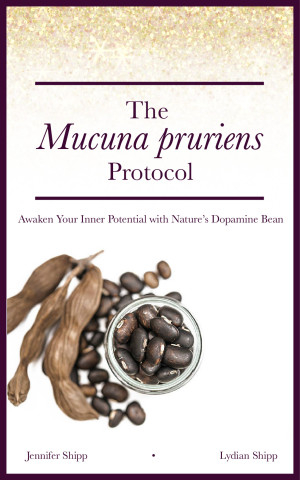
Parents of ADHD kids have used a number of alternative treatment strategies to get their child’s behavior under control. The most important medicine for ADHD kids is Mucuna pruriens, a bean that contains a precursor amino acid that helps children manufacture natural dopamine in their neurons. Mucuna looks and tastes like other beans like pinto beans or fava beans, but it contains just a little bit more of this precursor amino acid than other types of beans, which is what makes it work so well in the treatment of ADHD.The Mucuna pruriens Protocol: Overcome Dementia, Addiction, ADHD, Mood and Mental Health Disorders
Alternatively, some parents choose to give their child precursors of the amino precursor (or, in other words, the stuff that the amino acid precursor is made out of), which is also helpful for kids and it works very well, though it takes a bit longer to be cycled through the body. Or, if you can’t find a product that you feel comfortable using to treat ADHD naturally at home, then you can feed your child a no-sugar, high-protein diet as an alternative. The protein in the diet should be high-quality animal proteins like milk and meat. A vegan diet can cause ADHD in kids because the nutrients for manufacturing neurotransmitters simply aren’t available at a high enough dose inherently in a vegan diet. If your ADHD child is vegan, supplements are essential. Cinchona officinalis and supportive medicines is another staple treatment for ADHD because it treats underlying infectious pathogens that do “molecular mimicry” on the dopamine receptors and muscle tissues.
ADHD Diet
Diet is a big contributor to childhood behavior. Eliminating refined sugars, artificial sweeteners, preservatives, artificial food colorants, and other chemicals from a child’s diet can make a big difference in their behavior and the overall course of their general health. Behavior changes in response to a change in diet can be extreme and miraculous. Food allergies and nutritional deficiencies can both contribute to poor behavior in kids. Some doctors recommend the Feingold Diet for kids with ADHD, but my experience with ADHD has been that meat and animal products heal kids with ADHD, but in the beginning, Mucuna pruriens or amino acids are necessary to help families get control over the chaos in the home. Neurotransmitters are made from amino acids and the only food-source of the necessary amino acids are found in animal products.We discuss the ADHD diet that we recommend in this article and this article.
I Interestingly, iron deficiency anemia is another big problem in terms of ADHD symptoms. Anemia is a lack of red blood cells, but the treatment for anemia is not iron supplementation. Rather, copper supplementation is important, but ideally using a combination of red meat in high doses and red wine in small doses.
Click here to learn more about the DreamLight.app, an online guided meditation and brain-entrainment tool.
Iron is found naturally in animal products like meat along with copper and zinc. Vitamin B6 is also found in animal products and it is also essential in healing an ADHD brain. So people who are committed to going “all natural” to treat ADHD should load up on healthy, grass-fed red meat and milk products and make sure their child avoids refined sugars. Raw honey can be used as an alternative to refined sugars.
Red wine can be given to children in very low doses to help break a low-grade fever and rebuild plenty of red blood cells.
Kids with ADHD should avoid refined sugar. Honey is an acceptable alternative that can be used as part of an ADHD healing protocol. Manuka honey provides some special perks in terms of nutrients and general health benefits.
Parents should also consider adding raw, organic, bitter apricot kernels to their child's diet along with vitamin B complex, magnesium, zinc, and potassium supplements along with a multivitamin that DOES NOT CONTAIN sugar, wheat, eggs, gluten, soy, or any other possible allergens.
Parents of kids who are overweight or obese should also be aware that ADHD and obesity seem to go together which suggests an underlying nutritional component to the disorder. Studies have suggested that IODINE deficiency can explain this correlation since iodine affects the metabolism via the thyroid gland as well as immunity. About 40% of kids who suffer from ADHD are obese, which may indicate a hypothyroid state. Many of the ADHD kids who aren’t obese are extremely thin and small for their age, which indicates a hyperthyroid state. Note that in either case, the thyroid gland seems to be struggling to function properly. Don't assume that if your child eats iodized salt that they don't have an iodine deficiency. Most of the iodine in salt evaporates out of the box almost as soon as it's opened. Finally, remember that if your child is not eating healthy fats and oils, it will be hard for them to absorb iodine. Healthy oils are found in darkly colored, glass bottles and they should not be heated, even during cooking. Heating oils and exposing them to light causes them to “degrade” and release free radicals. Storing oils in plastics allows the oils to slowly break down and absorb bits of plastic. That’s why you should also choose darkly colored, glass bottles of oil.
Disordered Sleep
About 25-50% of parents of ADHD kids say that their children have sleep problems which has prompted research into the link between sleep and ADHD. And there does seem to be a link. According to parent reports, kids who have been diagnosed with ADHD are 2-3 times more likely to suffer sleep problems than kids who haven’t been diagnosed with this disorder. But why are kids having trouble sleeping? Is it the ADHD that causes sleeping problems or do the sleeping problems cause the ADHD? In some cases, a pinworm infection may be the cause of ADHD. In others, the problem may be that the child’s sleep cycles are disrupted by the school schedule. Most kids have trouble adapting to the early wake schedule required by public and private schools, but some kids may really suffer from it because their circadian rhythms cause them to naturally go to sleep later and wake up later. This sleeping problem can cause hyperactivity, impulsivity, and other behavioral issues in kids. In fact, in scientific studies perfectly normal kids who are sleep deprived will develop ADHD-like symptoms in response to simply being overly-tired.Another sleep-related issue has to do with how kids breathe while they’re asleep. Sleep Disordered Breathing (SDB) can include problems like apnea or snoring. Kids who have apneas, snoring, or other breathing issues during sleep can have trouble focusing during the day because their sleep cycles are consistently disrupted. According to research, the frequency of SDB is high in kids with ADHD. While only 3% of the general population suffers with SDB, about 25-30% of ADHD kids have SDB. But keep in mind that SDB is just a label. If your child has an apnea or some other breathing irregularity, it is likely caused by an issue with the organs that causes the child to hold their breath. While this may sound serious, I always recommend that parents look deeper and assume that their child can heal from whatever ails them. Often, the problem is related to diet or nutritional deficiencies. Indeed, dopamine deficiencies that are caused by prescription medications or nutritional deficiencies can also cause breathing issues during sleep. Taking Mucuna pruriens or other amino acid therapies can solve this problem. Combining Mucuna pruriens with melatonin is an even better approach to treat sleeping problems in ADHD kids. But also, inflammation of the mucus membranes in the nose and sinuses can be caused by a low-level Streptococcus infection (or another pathogen) that, in turn, causes iron deficiency anemia. Anemia can cause inflammation of tissues. At night, your child may snore or develop an apnea as a result of inflammation of the mucus membranes as a result of a lack of red blood cells.
Parents of kids who are overweight or obese should also be aware that weight problems can contribute to sleep problems. Obesity and ADHD are positively correlated after all (as mentioned above) even though a number of children have the opposite problem where they have ADHD-related "failure to thrive" that involves low weight, pale skin, and a frail physique. Helping your child release some extra weight and eat healthier can result in better physical and emotional health. In children who are obese, iodine deficiency and bromine/fluorine toxicity likely plays a more important role in their symptoms. In children who are underweight, iodine deficiency and bromine/fluorine toxicity may still play a role, but instead of causing the thyroid gland to release too little thyroid hormones as in obese children, their thyroid glands are releasing too much thyroid hormone which leads to a lack of appetite and an inability to gain weight.
The use of a psychostimulant like Ritalin, Focalin, Atomoxetine, or any other ADHD drug causes sleep problems. Dopamine is absolutely necessary for sound sleep, but any child who has taken these ADHD drugs throughout the day will be deficient in dopamine by the time night comes. Again, the use of Mucuna pruriens either in tandem with the prescription drugs or as an alternative to ADHD drugs can help children sleep better at night and function much more normally during the day.
Click here to buy Hawaii Pharm's Mucuna pruriens tincture.
Caffeine as an Alternative to Stimulant Treatment for ADHD
A lot of parents successfully use caffeine instead of Ritalin or other stimulant drugs to treat ADHD. Caffeine, after all, is a natural substance that’s found in plants and it causes the brain to release dopamine. Adults can use caffeine to treat ADHD too, but the key to making caffeine work as a natural treatment for ADHD is to use it in tandem with amino acids or the herb Mucuna pruriens. Aminos or Mucuna pruriens (which is a bean that contains the most important natural amino acid, L-Dopa, which is produced from the amino L-Tyrosine) PRODUCE dopamine which must then be released. Dopamine is released naturally from the brain every time we make a decision, but natural substances like caffeine or unnatural, synthetically produced substances like prescription stimulants can force dopamine to be released from the brain--but only if there's already dopamine in the neuron to begin with. If you or your child doesn't have enough dopamine to begin with, you may feel desperate for some substance or experience. You may make poor decisions for yourself. In children, this looks like impulsivity or chaotic behavior. In adults, it looks like addiction or even sometimes the tendency to overcommit to doing too much work. Or it can make people feel jittery and wired.People with ADHD often have too little dopamine in the brain. They’re deficient in dopamine perhaps because of a nutrient deficiency or maybe because they eat a vegan diet or because they’re eating fast food for every meal. ADHD might develop in response to a certain type of infection that produces no symptoms of infection, per se, but rather, that produces symptoms of ADHD. But nonetheless, a person (child or adult) with ADHD has developed a deficiency of dopamine which then causes them to have trouble making wise food choices for themselves. ADHD kids and adults consistently will choose foods that cause a RELEASE of dopamine but that contributes nothing to the PRODUCTION of dopamine in the first place.
 Click here to buy Mucuna Pruriens Capsules.
So the problem is, how can you RELEASE dopamine if your brain has not PRODUCED dopamine that can be released?
The PRODUCTION of dopamine inside the neurons depends on having the raw materials (Mucuna pruriens and/or amino acids) and the nutrient tools that ensure that the body can process those raw materials.
Once the dopamine is produced in the brain, it can be RELEASED by neurons whenever a person needs to make a decision or whenever that person receives a reward or a punishment (so that he/she can make wise decisions in the future about behaviors and experiences). But there are also natural substances like caffeine that cause the brain to release dopamine. Many people use caffeine to help them be more effective at their work because caffeine does allow us to release dopamine, making us better at decision making. But taking too much caffeine leads to a feeling of being wired. This feeling (which resembles in some ways, Parkinson’s Disease) is the feeling of being deficient in dopamine. This “wired” feeling is what causes ADHD children to act out, lose self-control, and make poor decisions.
In order for caffeine to work properly to control ADHD naturally, (in either adults or children), there must be an adequate supply of dopamine in the brain. If the brain is fully stocked with dopamine (because you take amino acid supplements like L-tyrosine or L-phenylalanine or because you take Mucuna pruriens which contains the natural dopamine precursor L-dopa) each day, then caffeine will work smoothly most of the time to promote dopamine release without leading to the “wired” dopamine-deficient feeling.
Though many researchers believe that it's the massive release of dopamine into the synapse that causes methamphetamine addiction, the more I study dopamine and the results that people experience from taking Mucuna pruriens or L-tyrosine / L-phenylalanine (amino acids that convert to dopamine) along with a dopamine releasing agent like caffeine, the most I believe that damage to the dopamine receptors likely occurs as a result of a dopamine “drought”. The model that we use to work with dopamine-related health issues centers around the idea that dopamine “waters” the brain. Dopamine receptors are like flowers that grow in the synapse and these receptors make it easier for a person to think and make wise decisions for themselves.
I think of the dopamine neurons like a watering can. And the dopamine receptors are like flowers that grow on the other side of the synapse, a gap between neurons where neurotransmitters like dopamine are released to make a connection that we experience as “thoughts”. If the watering can gets low, you can still pick up the watering can and try to pour water out of it. Nothing will happen if there’s no dopamine/water in the can, but you can still use energy trying to pour water into the synapse from the neuron. When dopamine receptors are not exposed to dopamine regularly at the times when they need dopamine, they wither and dry up like flowers.
Click here to buy the Cure ADHD Now book.
On the other hand, if you regularly put dopamine/water into the watering can, the dopamine receptors are regularly “watered” with dopamine and they grow and thrive. A person who regularly waters their dopamine receptor flowers may find it easier to make wise decisions than a person who is low on dopamine from time to time. A natural dopamine releasing agent like caffeine could, theoretically be overapplied, causing an over-watering of the dopamine receptor flowers, of course. A person who, for example, drinks coffee to try to stay up all night every night will eventually have a psychotic break if they don’t sleep at some point. Of course, the idea of a “psychotic break” relates back to the development of schizophrenia and other mental illnesses as a result of taking ADHD drugs.So caffeine and other natural dopamine-releasing agents have to be used in moderation, but they won’t be addictive if the watering can (dopamine neurons) stay fully charged with plenty of dopamine-water.
Unnatural, synthetic stimulants that release dopamine can cause damage and disorder in this process of dopamine production and release. Synthetic molecules are not typically developed by Big Pharma because they work better than natural molecules found in nature, but rather because synthetic molecules can be patented and as such, they are more profitable than natural molecules. So these synthetic molecules in stimulants used to treat ADHD can cause damage that doesn’t become apparent until years after the first dose of the medicine. By this time, it is hard for patients to prove that it was the ADHD drug that caused damage to their brain.
So for people who are wise enough to think of using caffeine, particularly pure caffeine along with Mucuna pruriens (an herb that works the best to treat ADHD) or amino acids like L-tyrosine or L-phenylalanine instead of prescription stimulants for ADHD, I congratulate you. Be aware that amino acids take about 24 hours longer to begin working than Mucuna pruriens. Don’t begin taking caffeine until you’ve taken Mucuna pruriens or L-tyrosine or L-phenylalanine for at least a week to give your little dopamine receptor flowers time to be fully hydrated. You may find that you don’t often need or want to take caffeine after you take Mucuna pruriens or amino acids.
Mucuna pruriens should be taken every 4 hours at 1500 mg. Take a total of 6000 mg per day if you suffer from ADHD. You’ll begin noticing the effect of Mucuna on your mood and focus within 4 hours after the first dose.
L-tyrosine is the best choice for treating ADHD and should be taken every 4 hours at 1500 mg, but you won’t begin to notice the effects for up to 24 hours after you begin taking it because it must be converted into the natural dopamine precursor amino acid that is already present in Mucuna. L-phenylalanine is another amino acid that also converts eventually into dopamine, but it takes even longer than L-tyrosine to be converted into dopamine in the brain.
Use caffeine in moderation. Many coffee products contain mold that can cause a negative reaction in some people so it’s best to use a pure caffeine product at first. And again, give yourself at least 1 week of Mucuna-therapy before you add caffeine into the mix if you or your child suffers from ADHD. A lot of people find that once they start taking Mucuna or L-tyrosine that they don’t even crave caffeine or other stimulants because they feel very normal. Some people worry that they’ll feel “wired” when taking Mucuna or L-tyrosine, but it’s quite the opposite! These two supplements cause people to “feel like themselves”--neither wired, nor sluggish, which is a welcome relief to most people!
Click here to buy Cinchona bark tincture.
Can parasites cause ADHD?
In most countries that we’ve traveled to outside of the United States, people do annual or bi-annual parasite cleanses because the presence of intestinal parasites is widely accepted. There are a number of herbal parasite cleanses that are used to purge the digestive system of excess parasites in these countries. But in the United States, people completely recoil from the idea of intestinal parasites. The idea of it is so repulsive they automatically resist it. But the truth is, without some intestinal parasites, people tend to develop severe, incapacitating allergies to everything. So, if we all have some parasites, then it stands to reason that we could all, at times, end up with an overpopulation of these creatures in the gut.Our family had a major intestinal parasite infection several years ago and it was during this time that I did a ton of research into the big three: hookworms, pinworms, and roundworms. By accident, I stumbled across information about pinworms and their possible relationship to ADHD. Pinworms are ubiquitous. Their eggs are tiny and in many environments like school and daycare settings they become airborne. The eggs are inhaled and they pass into the lungs where they then make their way slowly to the intestines. Once in the intestines, they set up shop, coming out of the rectum only at night to take care of other business (like laying more eggs). The irritation from pinworms going in and out of the rectum can keep kids awake at night (thus the sleep problems in ADHD kids). An overpopulation of pinworms (an infection) can also cause digestive and nutritional problems.
SIDE NOTE: Kids who eat a healthy diet who are not nutritionally deficient in vitamins and minerals are far less likely to develop parasite infections. Iodine supplementation often improves immunity to keep parasite infections in check. Also note, however, that all kids become nutrient deficient at some point during growth spurts. At these times, a child is vulnerable to infection with hemolytic pathogens that can later cause ADHD and other health issues.
Most American parents don’t realize how easy it is to do a parasite cleanse because we’ve all been taught that intestinal worms are dirty and that our clean, American society is free of such awfulness. Even the CDC Yellow Book talks about intestinal parasites like the likelihood of having an infection with these things is next to impossible for Americans. But that has not been my experience and there are some compelling political and profit-driven reasons why the medical establishment doesn’t want average patients to know about this.
In Mexico, where I currently live, there are anti-parasitics for both adults and children sitting right next to the ibuprofen in all pharmacies. Deworming is something that people do often here. Is that because they have more intestinal worms in Mexico? No! Intestinal worms are ubiquitous! In fact, they’re part of a healthy digestive system. But if we don’t deworm ourselves once or twice a year, it’s easy to end up with too many worms. Hookworms can cause anemia. Pinworms can cause digestive upsets, sleep problems, and urinary tract issues. Roundworms can cause nutritional issues. Most of us have a combination of all 3 of these creatures in our intestinal tracts. Kids who are in institutional settings like schools or daycare are exposed to more opportunities for infections with intestinal worms.
It’s important to know that diagnosing an “infection” with intestinal parasites is nearly impossible and most American doctors don’t realize the shortcomings of the diagnostic tools currently available in clinical settings. Rather than going through the issue of diagnosing an infection, it might be easier to give your child a dose of pyrantel pamoate and then watch their stools for signs of worms. The dosing information is on the back of the bottle. The pyrantel pamoate is harmless and it bypasses the need for expensive diagnostics. Taking pyrantel pamoate twice a year works as a preventive medicine against a heavy worm load. Be wary of using a product like “Reese’s” that contains other harmful ingredients other than just pyrantel pamoate. If you can’t get a safe pyrantel pamoate product in the country where you live, consider using an herbal dewormer instead that contains wormwood, black walnut, and clove.
Parasites: Self-Treatment and Prevention - BUY THE eBOOK HERE!!!
The Cure for ADHD: Summary
ADHD is a diagnosis that ultimately blames the child, his psychological or physical make-up for a social problem that’s caused by nutritional deficiencies, sleep disorder, toxic exposure to bromine/fluorine, ineffective treatment for hemolytic pathogen infection, family dynamics, and even parasites. Parents who are committed to keeping their kids off ADHD drugs can often find a cure for ADHD by using natural supplements like Mucuna pruriens and by changing their diet. Making lifestyle changes is always more complex than taking a pill, but parents who choose this route can avoid other, bigger problems (like schizophrenia or cardiovascular problems) in their child later in life.Click here to do a free trial of EMDR to Release Trauma.
Resources
Watson, S. (2021). Dopamine: The pathway to pleasure. Retrieved March 22, 2022 from https://www.health.harvard.edu/mind-and-mood/dopamine-the-pathway-to-pleasure#:~:text=Dopamine%20is%20most%20notably%20involved,is%20also%20involved%20in%20reinforcement.
Menendez, C. M. et al. (2024). Dopamine receptor autoantibody signaling in infectious sequelae differentiates movement versus neuropsychiatric disorders. Retrieved January 30, 2026 from https://pubmed.ncbi.nlm.nih.gov/39325550/
Wolf, R. et al. (2002). Quinine sulfate and bacterial invasion. Retrieved January 17, 2026 from https://pmc.ncbi.nlm.nih.gov/articles/PMC149380/
National Institute of Diabetes and Digestive and Kidney Diseases (2018). Quinine. Retrieved January 17, 2026 from https://www.ncbi.nlm.nih.gov/books/NBK548596/
Ghasemi-Dehnoo, M. et al. (2023).Quinic acid ameliorates ulcerative colitis in rats, through the inhibition of two TLR4-NF-kappaB and NF-kappaB-INOS-NO signaling pathways. Retrieved January 17, 2026 from https://pmc.ncbi.nlm.nih.gov/articles/PMC10408368/