How to Overcome a Major Neurological Disorder: About Snakes
DISCLAIMER: CONSULT WITH A DOCTOR BEFORE DECIDING ON A TREATMENT PLAN FOR ANY DISEASE.
ome links may be affiliate links. We may get paid if you buy something or take an action after clicking one of these. We use this revenue to keep the site free to you.
The Neurological Relevance of Snakes in Religion and Snakes in Science

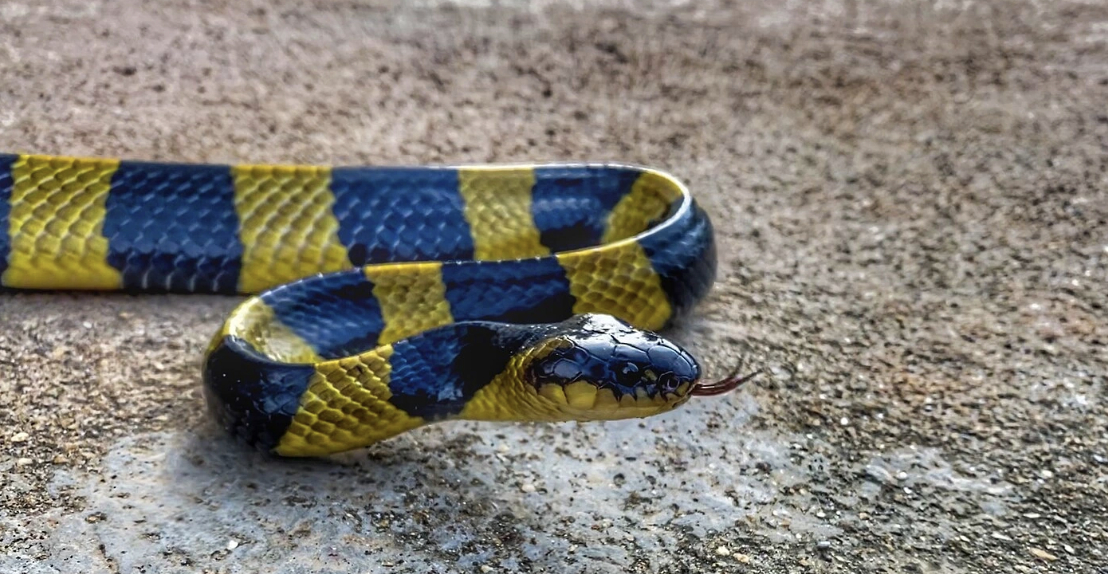
In this discussion about losing one’s mind as a result of neurological disease, so-called “mental illness”, movement disorders, vestibular problems, or a a result any number of infections that can cause epilepsy or psychosis, snakes provide both science and metaphor that we can use to understand these diseases and begin to seek out a tailored cure for any given patient. The metaphor of snakes and snake-related things can be useful by itself, but snakes also appear in major religions to signify different spiritual meanings, and scientifically-speaking, different types of snakes, snake behaviors, and snake venoms can provide actual leads toward healing major health problems.
Click here to schedule a health coaching session with us.
Some snakes are venomous. Some are not. Snake venom can target either the muscarinic or the nicotinic receptors to produce a blockade that can be deadly for humans. We might say that the alpha-neurotoxins of a cobra snake create the same kind of paralysis and respiratory failure that happens to patients with amyotrophic lateral sclerosis (ALS). Of course, the disease progression in ALS takes shape over the course of a much longer period of time than death-by-cobra-venom, but we might look at the cobra and all snakes as representatives of Kundalini, an energy that flows up the spine.
Click here to subscribe to the Living Database now.
Kundalini, as a concept, is not scientific, of course, but the existence of nicotinic receptors that innervate the ganglion on either side of the spine are scientifically verifiable as evidence that nervous system energy can and does move up and down the spine. While muscarinic receptors mostly innervate the organs, glands, and some parts of the brain like the hippocampus, nicotinic receptors primarily innervate the skeletal muscles, some regions of the brain, and the adrenal medulla. Kundalini can be visually represented as two snakes that go up on either side of the spine in a back-and-forth zig zag-fashion. Some readers might recognize this image as the caduceus, a symbol for medicine. The caduceus, of course, and the two snakes with the rod or “spine” in the center, is also related to the Tree of the Knowledge of Good and Evil in Christian and Jewish mythology. The symbolism of the caduceus, in this context, as medicinal uses two serpents to suggest the balance of two opposing forces: light and dark, sickness and health, life and death. It represents a union of opposites. In the Near East, sacred trees flanked by two serpents, the caduceus, existed long before the caduceus was adopted as a symbol of modern medicine or the Christian creation story.
Click here to do a free trial of EMDR to Release Trauma.
If we think of Kundalini as a type of energy that has a snake-like movement or a snake-like behavior, we might be able to consider what type of snake would cause a disease like ALS. Cobra venom contains nicotinic receptor blockers that can slowly cause paralysis of the entire body with just one bite. But we might also become intrigued with pythons as non-venomous animals but yet a type of “snake-energy” that can repel the cobra venom that seems to grip patients with ALS. Of course, ALS patients have generally not been bitten by a cobra in real life, but this disease has a nicotinic receptor blockade appearance to it which gives us a different way to look at this movement disorder in order to find a cure for a particular patient.
Each ALS patient may need a different type of antivenin (so to speak) against the cobra-venom-like effects of this disease that causes slow paralysis that eventually leads to respiratory depression and Totally Locked In Syndrome. But while a doctor may have a very limited repertoire of meds or treatments that he or she can prescribe to try to slow the symptoms of ALS, there is already a cure for this disease in that the Burmese python easily knows how to overcome it.

Click here to buy Amanita muscaria mushrooms.
To overcome a serious disease for which there is no “known” cure in modern medicine requires dedication and faith in the idea that the body can, in fact, heal itself. There is no adult person on the planet who goes through life entirely disease-free or problem-free. On psilocybin mushroom trips, the major diseases that we confront in our lives are presented as dragons, an animal that’s closely related to snakes in mythology. Most of us do not have to confront a large number of “dragons”, but there are certain ones that we’re chosen to confront, in part because we have the ability within us to overcome it whether we choose to fight the dragon or not.
To me, the caduceus has two snakes because one snake is the venom and the other snake is the antivenin. It is the quest to find an antivenin for a loved one or for oneself that can lead us into profoundly meaningful territory in our lives. Everyone on earth wants to be able to be able to live their lives according to their own values and rules, but it is through dis-ease that we can find our true potential. If you have a disease that has, in some way, constricted your Kundalini energy, the idea of snakes and learning about the wide array of snakes, their venom, and how their venom affects humans and other animals can help you get your mind out of the box on this important topic.
Click here to learn more about the DreamLight.app, an online guided meditation and brain-entrainment tool.
Resources
Chandrasekara, U. et al. (2024). High-Voltage Toxin-Roll: Electrostatic Charge Repulsion as a Dynamic Venom Resistance Trait in Pythonid Snakes. Retrieved July 22, 2026 from https://www.mdpi.com/2072-6651/16/4/176
Nys, M. et al. (2022). The molecular mechanism of snake short-chain alpha-neurotoxin binding to muscle-type nicotinic acetylcholine receptors. Retrieved July 22, 2026 from ttps://www.nature.com/articles/s41467-022-32174-7
Carlson, A. B. and Kraus, G. P. (2023), Physiology: Cholinergic Receptors. Retrieved July 22, 2026 from https://www.ncbi.nlm.nih.gov/books/NBK526134/
Corsini, S. et al. (2016). Nicotinic receptor activation contrasts pathophysiological bursting and neurodegeneration evoked by glutamate uptake block on rat hypoglossal motoneurons. Retrieved July 22, 2026 from https://pmc.ncbi.nlm.nih.gov/articles/PMC5108918/
Rosal, N. et al. (2021). Wooden Chest Syndrome: A Case Report of Fentanyl-Induced Chest Wall Rigidity. Retrieved July 22, 2026 from https://pmc.ncbi.nlm.nih.gov/articles/PMC8312149/
Ruffalo, M. L. (2026). A Brief History of Electroconvulsive Therapy. Retrieved July 22, 2026 from https://www.psychologytoday.com/us/blog/from-freud-to-fluoxetine/201811/a-brief-history-of-electroconvulsive-therapy
Fink, M. (1984). Meduna and the origins of convulsive therapy. Retrieved July 22, 2026 from https://pubmed.ncbi.nlm.nih.gov/6147103/
Robinson, R. (2009). Serotonin’s Role in the Pancreas Revealed at Last. Retrieved July 23, 2026 from https://journals.plos.org/plosbiology/article?id=10.1371/journal.pbio.1000227








Be sure to take a look at a few of our e-Books titles below that might pertain to your health search:
The Neurological Relevance of Snakes in Religion and Snakes in Science
In this discussion about losing one’s mind as a result of neurological disease, so-called “mental illness”, movement disorders, vestibular problems, or a a result any number of infections that can cause epilepsy or psychosis, snakes provide both science and metaphor that we can use to understand these diseases and begin to seek out a tailored cure for any given patient. The metaphor of snakes and snake-related things can be useful by itself, but snakes also appear in major religions to signify different spiritual meanings, and scientifically-speaking, different types of snakes, snake behaviors, and snake venoms can provide actual leads toward healing major health problems.
Click here to schedule a health coaching session with us.
Some snakes are venomous. Some are not. Snake venom can target either the muscarinic or the nicotinic receptors to produce a blockade that can be deadly for humans. We might say that the alpha-neurotoxins of a cobra snake create the same kind of paralysis and respiratory failure that happens to patients with amyotrophic lateral sclerosis (ALS). Of course, the disease progression in ALS takes shape over the course of a much longer period of time than death-by-cobra-venom, but we might look at the cobra and all snakes as representatives of Kundalini, an energy that flows up the spine.
Click here to subscribe to the Living Database now.
Kundalini, as a concept, is not scientific, of course, but the existence of nicotinic receptors that innervate the ganglion on either side of the spine are scientifically verifiable as evidence that nervous system energy can and does move up and down the spine. While muscarinic receptors mostly innervate the organs, glands, and some parts of the brain like the hippocampus, nicotinic receptors primarily innervate the skeletal muscles, some regions of the brain, and the adrenal medulla. Kundalini can be visually represented as two snakes that go up on either side of the spine in a back-and-forth zig zag-fashion. Some readers might recognize this image as the caduceus, a symbol for medicine. The caduceus, of course, and the two snakes with the rod or “spine” in the center, is also related to the Tree of the Knowledge of Good and Evil in Christian and Jewish mythology. The symbolism of the caduceus, in this context, as medicinal uses two serpents to suggest the balance of two opposing forces: light and dark, sickness and health, life and death. It represents a union of opposites. In the Near East, sacred trees flanked by two serpents, the caduceus, existed long before the caduceus was adopted as a symbol of modern medicine or the Christian creation story.
Click here to do a free trial of EMDR to Release Trauma.
If we think of Kundalini as a type of energy that has a snake-like movement or a snake-like behavior, we might be able to consider what type of snake would cause a disease like ALS. Cobra venom contains nicotinic receptor blockers that can slowly cause paralysis of the entire body with just one bite. But we might also become intrigued with pythons as non-venomous animals but yet a type of “snake-energy” that can repel the cobra venom that seems to grip patients with ALS. Of course, ALS patients have generally not been bitten by a cobra in real life, but this disease has a nicotinic receptor blockade appearance to it which gives us a different way to look at this movement disorder in order to find a cure for a particular patient.
Each ALS patient may need a different type of antivenin (so to speak) against the cobra-venom-like effects of this disease that causes slow paralysis that eventually leads to respiratory depression and Totally Locked In Syndrome. But while a doctor may have a very limited repertoire of meds or treatments that he or she can prescribe to try to slow the symptoms of ALS, there is already a cure for this disease in that the Burmese python easily knows how to overcome it.
Click here to buy Amanita muscaria mushrooms.
To overcome a serious disease for which there is no “known” cure in modern medicine requires dedication and faith in the idea that the body can, in fact, heal itself. There is no adult person on the planet who goes through life entirely disease-free or problem-free. On psilocybin mushroom trips, the major diseases that we confront in our lives are presented as dragons, an animal that’s closely related to snakes in mythology. Most of us do not have to confront a large number of “dragons”, but there are certain ones that we’re chosen to confront, in part because we have the ability within us to overcome it whether we choose to fight the dragon or not.
To me, the caduceus has two snakes because one snake is the venom and the other snake is the antivenin. It is the quest to find an antivenin for a loved one or for oneself that can lead us into profoundly meaningful territory in our lives. Everyone on earth wants to be able to be able to live their lives according to their own values and rules, but it is through dis-ease that we can find our true potential. If you have a disease that has, in some way, constricted your Kundalini energy, the idea of snakes and learning about the wide array of snakes, their venom, and how their venom affects humans and other animals can help you get your mind out of the box on this important topic.
Click here to learn more about the DreamLight.app, an online guided meditation and brain-entrainment tool.
Resources
Chandrasekara, U. et al. (2024). High-Voltage Toxin-Roll: Electrostatic Charge Repulsion as a Dynamic Venom Resistance Trait in Pythonid Snakes. Retrieved July 22, 2026 from https://www.mdpi.com/2072-6651/16/4/176
Nys, M. et al. (2022). The molecular mechanism of snake short-chain alpha-neurotoxin binding to muscle-type nicotinic acetylcholine receptors. Retrieved July 22, 2026 from ttps://www.nature.com/articles/s41467-022-32174-7
Carlson, A. B. and Kraus, G. P. (2023), Physiology: Cholinergic Receptors. Retrieved July 22, 2026 from https://www.ncbi.nlm.nih.gov/books/NBK526134/
Corsini, S. et al. (2016). Nicotinic receptor activation contrasts pathophysiological bursting and neurodegeneration evoked by glutamate uptake block on rat hypoglossal motoneurons. Retrieved July 22, 2026 from https://pmc.ncbi.nlm.nih.gov/articles/PMC5108918/
Rosal, N. et al. (2021). Wooden Chest Syndrome: A Case Report of Fentanyl-Induced Chest Wall Rigidity. Retrieved July 22, 2026 from https://pmc.ncbi.nlm.nih.gov/articles/PMC8312149/
Ruffalo, M. L. (2026). A Brief History of Electroconvulsive Therapy. Retrieved July 22, 2026 from https://www.psychologytoday.com/us/blog/from-freud-to-fluoxetine/201811/a-brief-history-of-electroconvulsive-therapy
Fink, M. (1984). Meduna and the origins of convulsive therapy. Retrieved July 22, 2026 from https://pubmed.ncbi.nlm.nih.gov/6147103/
Robinson, R. (2009). Serotonin’s Role in the Pancreas Revealed at Last. Retrieved July 23, 2026 from https://journals.plos.org/plosbiology/article?id=10.1371/journal.pbio.1000227