How to Rebuild Red Blood Cells and Stop Intermittent Fevers in PANS, PANDAS, ADHD, and OCD
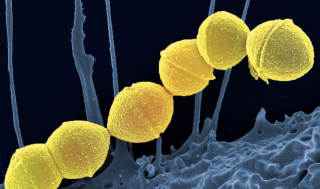
We’ve all been taught to administer iron supplements for iron deficiency, but iron supplements should never be given. Dr. Bryan Ardis has expanded a great deal on the topic of iron deficiency and the use of copper to restore proper red blood cell levels in children with ADHD and other health issues and we’ve had to do some extra research and put in quite a lot of effort to find ways to help kids (and adults) overcome the problem of gastrointestinal inflammation that results from having an iron-deficiency. Once the gut becomes inflamed, kids may develop odd cravings or they may refuse to eat. This keeps the Streptococcus pyogenes bacteria in a position of strength in the body where it functions a bit like a parasite rather than like a bacteria. In order to overcome the problem of low-level infection and low red blood cell levels, parents have to administer treatments that children will accept and that will reliably provide the necessary nutrients that kids are needing in order to pull out of the downward spiral of chronic, low-level Streptococcus pyogenes infection.
Click here to schedule a health coaching call with us.
This is a complex topic because molecular mimicry isn’t a mainstream concept. Most parents don’t realize that antibiotics literally have no effect on pathogens that can “disappear” and “become invisible” by blending into human muscles or brain structures. This sounds a bit sci-fi, right? It definitely challenges conventional medicine and antibiotic therapy, but believe it or not, we’ve overcome low-level Streptococcus pyogenes and iron-deficiency anemia in a number of patients over the years, young and old. It takes time…usually a couple of months of therapy using a very specific set of treatments that are available in most countries of the world online, but step-by-step and day-by-day, you can see the progress as kids start to overcome this type of infection.When we first wrote this material, we recommended that parents supplement with iron as most ADHD kids are iron deficient. This was what we knew about and so this was what we recommended. Since that time though, we’ve learned more. In fact, we’ve learned that iron supplementation can be damaging and it can set people back in terms of their healing process. Our bodies need iron, but iron is recycled in the body so our need for iron is very carefully controlled and limited. Taking iron in supplement form is damaging to the body and it can feed pathogens that rely on iron for survival.
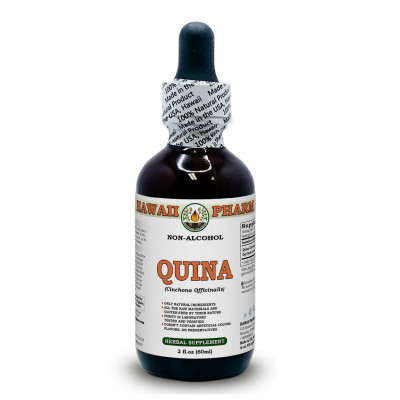 Click here to buy Hawaii Pharm's Cinchona Bark extract.
In order to correct iron deficiency in children with ADHD, patients must take bioavailable, food-based forms of iron and copper. Copper is the most important in terms of rebuilding red blood cell volume after iron deficiency becomes an issue. Administering iron and copper to restore proper red blood cell volume without causing other health issues as a result of overdosing was something tricky that we had to figure out for our ADHD clients through a lot of experience and trial and error. What we came up with to treat this problem might surprise you:
- Red Wine - We suggest that ADHD patients (both adults and children) take a small dose of red wine (¼ to 2 teaspoons) up to 5 times throughout the day to treat iron deficiency and iron deficiency anemia. Red wine contains trace amounts of both copper and iron and it is in an extremely bioavailable form. At the same time, it does not overdose the child in terms of iron or copper when given in small doses throughout the day.
Administer red wine with meals and snacks to enhance the bioavailability of the nutrients in foods.
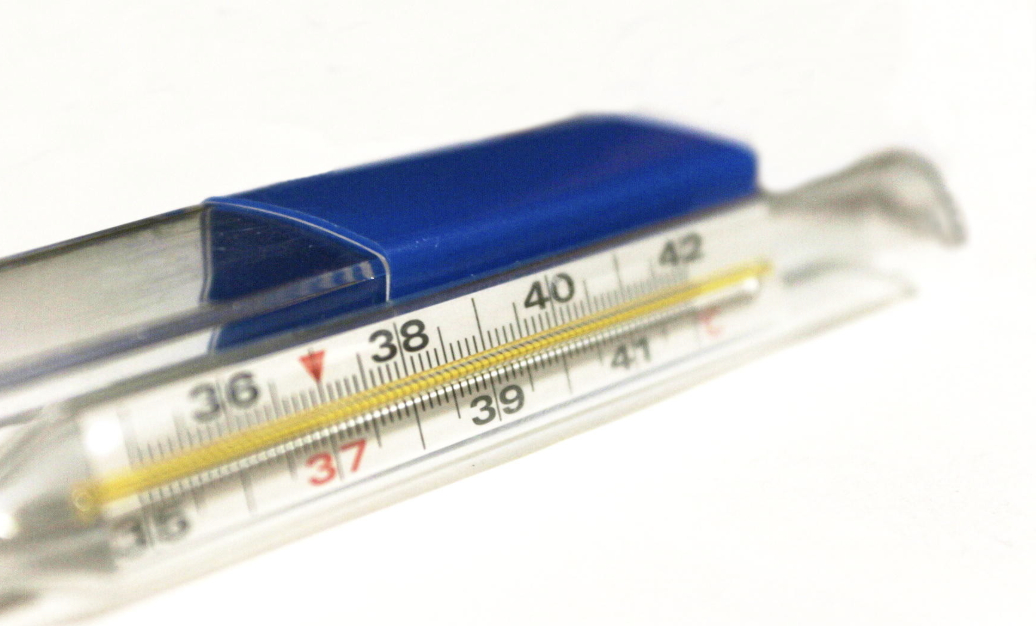
If your child becomes irritable or lethargic during the day, take his or her temperature. As an adult, if you become achy, uncomfortable, lethargic, or depressed, take your temperature. If you have a temperature over 98.6° F / 37° C but below 100.4° F / 38° C, this is viewed as a low-grade fever. Low-grade fevers can cause more discomfort than higher fevers and in children, a low-grade fever may often happen in tandem with behavioral issues.
It’s easy to miss a low-grade fever because often, a person with a low-grade fever does not have other symptoms of infection. Note that women who are ovulating often have a low grade fever during the time around which ovulation occurs.
Click here to buy the book Cure ADHD Now.
Children and adults who are developing low-grade fevers throughout the day should be given red wine to help bring the fever down. This treatment was used traditionally in France though in today’s world, to give a child red wine for fever or to treat iron deficiency might be considered “dangerous” or “inappropriate”. As a parent, you’ll have to use your best judgment to consider this advice and whether or not it feels right for your child.If you are a recovering alcoholic, drinking red wine may not be the best choice for you, but if you are not yet familiar with the idea that alcoholism is a form of insulin resistance in which the alcoholic drinks in order to self-medicate for low-level diabetes, be sure to visit to learn more about this and how to overcome the problem in a more permanent way. As non-drinkers who only have alcohol in the house to make herbal tinctures, this information about red wine as an historical remedy for ADHD and fever gave us pause. But we gave it faithfully to my granddaughter Maya when she was only 2 years old and she became ill with a persistent infection that caused her develop intermittent fevers and an inability to sit still at all and it worked very well for her.
In fact, alcohol can be used as medicine. Alcohol can, of course, be addictive too, but it’s generally something that people become addicted to as a result of trauma combined with insulin resistance (trauma can cause insulin resistance to develop – a type of “armoring” that’s done at the cellular level). We’ve researched and written a lot about alcohol addiction and diabetes as related diseases at for those who are concerned about the use of red wine to treat anemia and iron-deficiency states in young children.
We have used red wine therapeutically in this way on both children and adults with excellent results. Red wine doses should be given throughout the day for 6 weeks or until the intermittent fevers stop completely for at least 2 weeks.
Red Meat - Patients with ADHD tend to have fewer symptoms when they eat red meat. Red meat contains both iron and copper and it can help rebuild the red blood cells to proper levels more quickly than just red wine. In other words, combine red wine and red meat to see results more quickly from the Mucuna pruriens protocol.
Cinchona officinalis - Cinchona officinalis is a tree from which the famous medicine, quinine, is derived. Cinchona officinalis contains quinine along with other medicinal substances. It is relatively safe to give Cinchona officinalis to children and adults.
Cinchona officinalis contains approximately 100 mg of quinine for every gram of Cinchona officinalis. The therapeutic dose of quinine is 25 mg per kilogram of a patient’s body weight. So a child who weighs 10 kg should be given 250 mg of quinine. This would equal about 2.5 grams of Cinchona officinalis per day. A 50 kg adult, on the other hand, would need 1250 mg of quinine or 12.5 grams of Cinchona officinalis as a whole herb treatment.
Cinchona officinalis should be given to children daily for 3 to 6 months to treat Streptococcus pyogenes and other infections that are caused by hemolytic pathogens.
Combination Treatment - When we work with children or adults with ADHD who have underlying infection that’s causing their symptoms, we administer Cinchona officinalis along with another medicine. There are several medicinal agents that we work with over the course of several months of treatment including:
Methylene Blue Hemidesmus indicus Artemisia annua Thuja occidentalis
Infrared Sauna alternating with Cold Baths - Cinchona officinalis is a red treatment while methylene blue is blue. These treatments stain cells and change their overall color, which causes the body to become reactive in a very specific way to certain wavelengths of light. Infrared sauna treatments also heat the body to produce an artificial moderate-grade fever. While low-grade fever can keep the body at a temperature that’s ideal for streptococcal growth, raising the body temperature makes the body less habitable to these pathogens that have the ability to “hide” using molecular mimicry.
We recommend that patients do 15 to 30 minutes of IR sauna time to produce a vigorous sweat followed by Wim Hof breathwork and a cold bath or shower that lasts for at least 2-3 minutes (longer is better). Children can be given luke-warm baths to lower their body temperature without being uncomfortable in a way that lessens their compliance with the treatment. With young kids, you can offer the opportunity to “swim” in a kiddie pool in cool water if they resist a cold bath or the opportunity to play in a sprinkle or another water-toy that would result in a cooling of the body temperature for a few minutes of every day.
Click here to do a free trial of EMDR to Release Trauma.
Resources:
• Nye, J. (2024). Febrile Episodes Before 4 Years of Age Linked to ADHD Risk in Childhood. Retrieved February 1, 2026 from https://www.psychiatryadvisor.com/news/febrile-episodes-adhd-risk/
• Oliva, F. et al. (2020). Early childhood infections, antistreptococcal and basal ganglia antibodies in adult ADHD: a preliminary study. Retrieved February 2, 2026 from https://pmc.ncbi.nlm.nih.gov/articles/PMC7672808/#:~:text=According%20to%20the%20present%20preliminary,have%20implications%20on%20pharmacological%20treatment.