Diphyllobothrium Species (Fish Tapeworm)
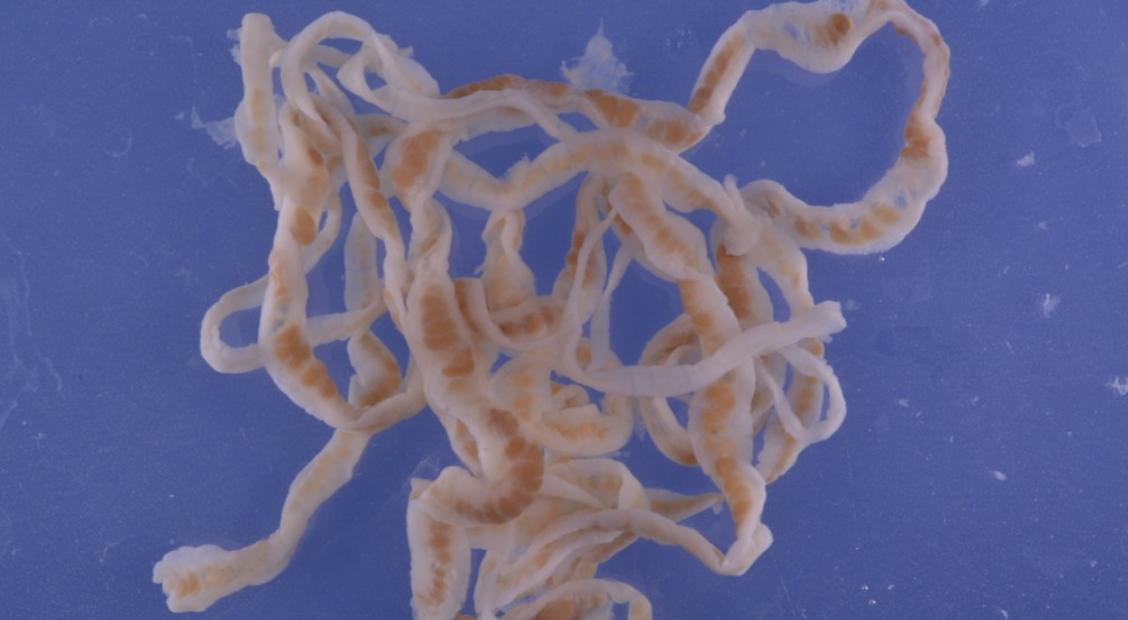 Diphyllobothriasis follows the consumption of raw or undercooked fish carrying infectious larvae. The classic symptom of D. latum infection is pernicious anemia caused by vitamin B12 deficiency. The parasite competes directly with the host for absorption and utilization of this vitamin. Depending on the age and general health of the patient, vitamin B12 deficiency can cause a number of serious symptoms that might be misdiagnosed by a doctor.
There are 18 described species capable of infecting humans, though most infections are due to Diphyllobothrium latum or Diphyllobothrium nihonkaiense. Infection rates may rise as the preference for raw fish consumption grows globally.
Diphyllobothriasis follows the consumption of raw or undercooked fish carrying infectious larvae. The classic symptom of D. latum infection is pernicious anemia caused by vitamin B12 deficiency. The parasite competes directly with the host for absorption and utilization of this vitamin. Depending on the age and general health of the patient, vitamin B12 deficiency can cause a number of serious symptoms that might be misdiagnosed by a doctor.
There are 18 described species capable of infecting humans, though most infections are due to Diphyllobothrium latum or Diphyllobothrium nihonkaiense. Infection rates may rise as the preference for raw fish consumption grows globally.

Click here to schedule a health coaching session with us.
Treatment is a single dose of praziquantel, which can be given safely in pregnancy. Praziquantel is a broad-spectrum antiparasitic that doctors sometimes prescribe for this infection, but people can, in some countries, obtain praziquantel for self-treatment at home. Once again, Embelia ribes, also known as Vidanga, is an Ayurvedic plant medicine that’s used to treat tapeworms as well as other intestinal worms. Like praziquantel, it is broad spectrum, so it’s a good choice for someone who is unsure about their actual diagnosis or the type of parasite infection that they’re dealing with. Administer 1 gram twice daily for 21 days followed by a course of treatment at 1 gram every 7 days for 3 months.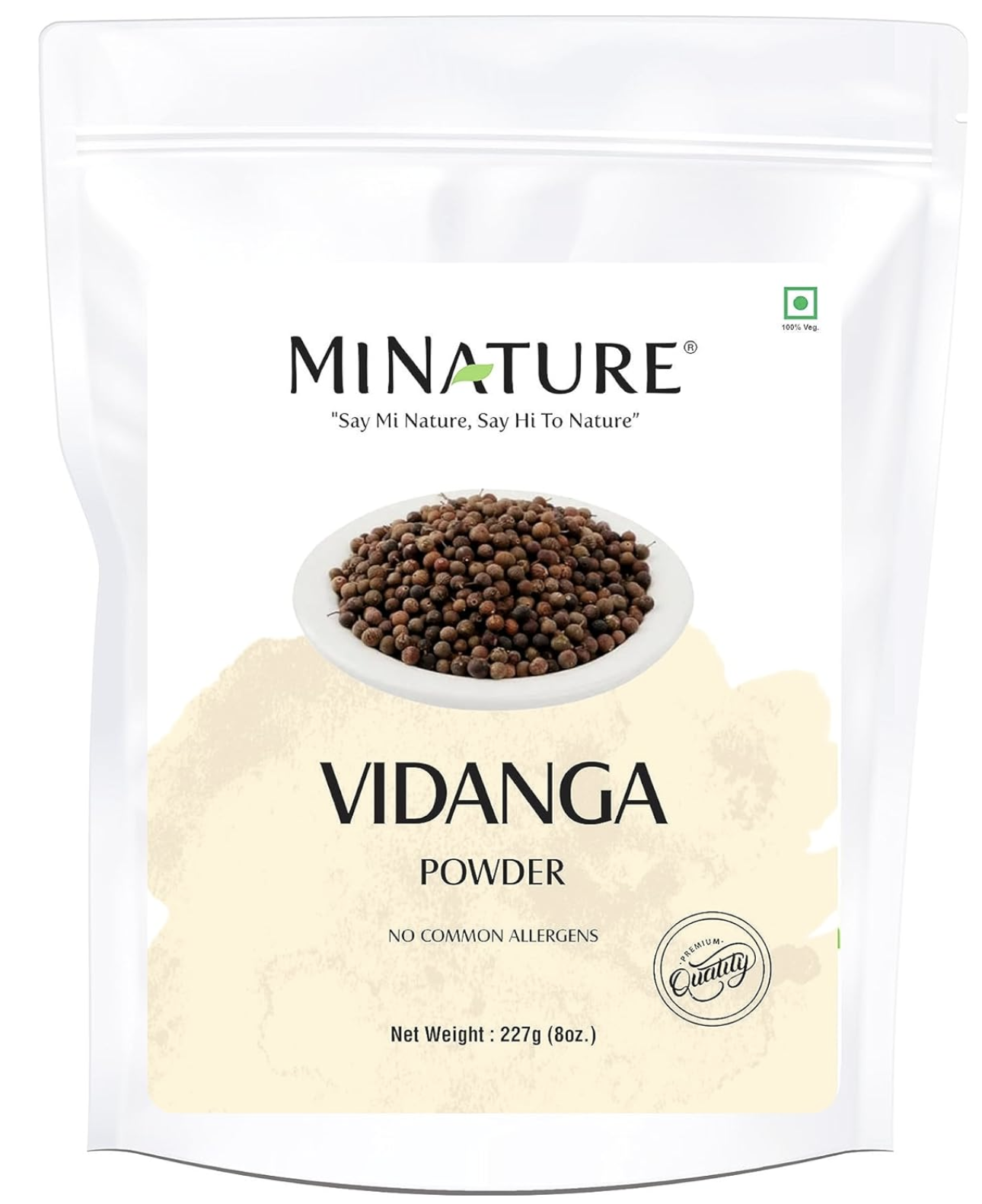
Click here to buy Embelia ribes / Vidanga.
Spilanthes acmella is a treatment for intestinal worms, including cestodes in Mizo traditional medicine. It is administered as a tea using the aerial parts of the plant. This herb causes the cestode scolex to shrink and its suckers to degenerate. The rostellum (the part of a tapeworm where the hooks are located) completely collapse with treatment. In other words, Spilanthes acmella works by structurally damaging cestodes and other types of intestinal worms.
Click here to learn more and subscribe to the Living Database now.
Resources:
• Lalthanpuii, P. B. and Lalchhandama, K. (2020). Intestinal cestodes of chickens are effectively killed by quinoline-rich extract of Spilanthes acmella. Retrieved March 16, 2026 from https://pmc.ncbi.nlm.nih.gov/articles/PMC7245699/
• Demma, J. et al. (2007). Toxicological study on Glinus lotoides: A traditionally used taenicidal herb in Ethiopia. Retrieved March 16, 2026 from https://www.sciencedirect.com/science/article/abs/pii/S0378874106006635