The Humors and Pain
 Conventional medicine has managed to categorize pain into two different types: neuropathic and nociceptive. Nociceptive pain arises (according to definition by conventional medicine) from some kind of injury or insult to the tissues in the body. Neuropathic pain, in contrast, comes from the nervous system.
In conventional medicine, these two categories of pain were created to keep things simple for doctors so that doctors would know which type of drug to prescribe for each patient’s pain. But in conventional medicine, the goal is to only get rid of the pain temporarily. So these two designations for pain – nociceptive and neuropathic – were created to detract from underlying causes. In other systems of medicine, there are many other categories of pain within which any given patient may fit into.
Pain can be a seemingly meaningless ongoing experience or it can be instructive. It can tell us that our lives are in danger as in the case of an intestinal obstruction, for example. It can also be excruciating like a migraine headache, but without any obvious cause. Differentiating between one type of pain and another type of pain is therefore crucial.

Click here to schedule a health coaching session with us.
Mental Health and Chronic Pain
About 40% of people who have a chronic pain condition also have issues with depression. These two issues go together and we shouldn’t ignore this fact. In conventional medicine, depression IS inflammation. Inflammation in the body can produce depression. And inflammation and pain are also intimately correlated.Of course, as we’ve discussed, emotional health, in particular, trauma and stress that has been stored in the autonomic nervous system as unconscious data – usually emotional content regarding how it felt to be under stress or how it felt to be terrified, etc. – is correlated directly through the physiology of the body, in particular to the histamine response, via the pain-response.
If you’ve been diagnosed with either a nociceptive or a neuropathic pain condition, be aware that there are a number of different types of pain. In systems of medicine that are not entirely profit-centric, pain is understood metaphorically so as to capture the emotional content that often underlies the root cause. Mental and emotional health plays a strong role in the production of pain, but in order to get to the emotional stress and trauma that caused the pain condition in the first place, we have to work with somatic, trauma-informed therapy.

Click here to learn more about the DreamLight.app, a guided meditation and brain-entrainment tool for natural trauma-release.
Avicenna’s Canon of Medicine: Categories of Pain
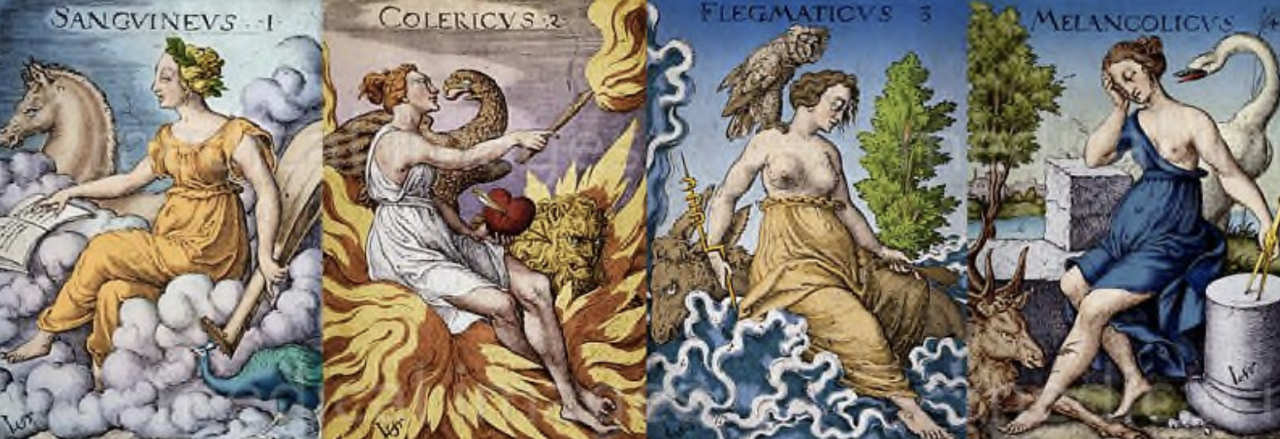
According to Avicenna’s Canon of Medicine, there are 15 categories of pain that are relevant in finding treatments for patients. This system of medicine uses the concept of “humors” to describe what we might view as unconscious trauma that has been stored in the autonomic nervous system such that it might be expressed in any area of the body to bring emotional pain into conscious awareness through the production of physical pain or discomfort. The category of pain describes how it feels in the body, but each category is also associated with a certain type of emotion that underlies it. A “wind” might be regarded a bit like a toxic thought that arises out of the negative emotion to perpetuate the negative emotion rather than releasing it.There are three “pure” emotions that tend to always be a part of any trauma-response. They include sadness, fear, and anger. Other more complex emotions that are related to anger, sadness, and fear include the likes of depression or frustration. Each type of pain has associations with negative emotions as an underlying cause.

Click here to do a free EMDR trial online.
These categories of pain include:- Itching pain - An itching pain involves a humor that is “pungent or sour” involving blood that has become corrupted with anger or frustration.
- Rough pain - A rough pain involves a humor that has a rough or caustic quality usually involving anger and frustration.
- Stabbing pain - A stabbing pain involves a humor that enters into a metaphorically separate membranes. It is often caused by melancholy or a wind that accompanies the feeling of sadness.
- Stretching pain - A stretching pain involves a gas or a humor that stretches the muscles. Gas including distention or bloating in the digestive system is viewed as a problem that can express itself in any area of the body through the autonomic nervous system.
- Compressive pain - Compressive pain involves the compression of an organ due to congestion or inflammation. It is caused by a humor, or negative, unconscious emotion of any kind that causes congestion or inflammation.
- Corrosive pain - Corrosive pain involves irritating or toxic matter that is stuck between the fibers or sheaths of tissues. It often involves anger.
- Tearing pain - A tearing pain is caused when a humor or negative emotion or wind (such as a toxic thought that arises as a result of a negative emotion) enters into the space between bone and connective tissue that covers the body. It is often experienced as a deep, almost impenetrable pain.
- Loose pain - Loose pain occurs when muscle tissue becomes relaxed and extended while the tendon is not relaxed. There is a lack of coordination between the muscles and the tendons.
- Boring pain - A boring pain happens when a thick substance gets stuck in the folds of an organ such as the colon.
- Piercing pain - A piercing pain happens when a thick substance gets stuck in the folds of an organ and then pierces or pushes through it.
- Dull pain - A dull pain happens when a cold humor is blocking the route of sensation. Cold pain like this is often associated with arthritis symptoms and also depression or sadness.
- Throbbing pain - Throbbing pain tends to be hot and it is usually caused by inflammation and the emotions of anger or frustration.
- Heavy pain - Heavy pain happens when the liver or the kidneys become inflamed and surrounding tissues, as a result, feel heavy. Liver inflammation corresponds with anger while kidney inflammation deals with fear.
- Fatigue pain - Fatigue pain occurs after physical exertion as a result of some kind of irritation, ulcer, tension, or flatulence. This type of pain tends to respond well to Amanita muscaria microdosing.
- Irritative pain - Irritative pain is sharp and caustic and it tends to be powerfully associated with underlying anger.
Avicenna tried to describe the primary categories of pain based on how they are perceived by the patient as well as potential causes, underlying temperamental issues, and the disruptions in the body that can lead to the experience of pain.

Click here to learn more and subscribe to the Living Database now.
Coffee Enemas for Pain
In Avicenna’s system of medicine, pain can be caused by “humors”, especially bile, but also excessive gas in the digestive system. Coffee enemas are a type of treatment that clears the liver of bile sludge and bile stones to reduce pain naturally throughout the body. It may seem hard to believe that a liver treatment such as a coffee enema could have a powerful effect on headaches, back pain, or even leg or knee pain, but clearing the liver is often a powerful pain-reliever.When the liver is congested, it can cause a variety of different types of pain from compressive and throbbing pain to heavy pain, according to Avicenna’s model. Coffee enemas can get rid of liver congestion and they have a mood-lifting effect too. They are often used, for example, in cancer patients to detoxify, alkalize the body, and significantly reduce pain, but in fact, coffee enemas reduce many types of pain throughout the body.

Click here to buy a coffee enema kit.
Trauma-Informed Therapy for Pain
There are a variety of trauma-informed therapies that can reduce chronic pain by permanently releasing trauma that has hijacked the autonomic nervous system to produce an over-zealous histamine response in the body. Interestingly, one of the most powerful trauma-informed medicines in the natural world known as Ayahuasca, produces a powerful liver and gallbladder purge that is regarded as the physical release of anger and fear.As with Avicenna’s view of humors as the mediating issue that causes pain, trauma-informed therapy works with pain as the body’s way of communicating loudly about emotions that we don’t wish to feel. To not feel an emotion that needs to be felt is to hold onto said emotion in the body. We can try to dissociate to avoid an emotion that we don’t want to feel, but the emotion still lives in the body until a time comes that we’re willing or able to release it. The emotion will express itself as pain if that opportunity for release never comes.
German New Medicine is a system of medicine that works with the body’s physical pain in terms of emotions and trauma. It is, essentially, a model of medicine that acknowledges that the mind and the body are not separate. Though German New Medicine is most famous as a treatment for cancer, it can also be used to treat other diseases or chronic pain as well.
The main takeaway here is the idea that for centuries, the mind and the body were viewed as a unified whole. In recent times, the separation of mind and body in medicine has been as absolute as the separation between church and state in politics. Though it may have served humanity for a time to view the mind and the body as separate and distinct entities, we are finding in today’s world that such a separation might actually prevent healing.
In Ayurveda, the liver, gallbladder, and pancreas are organs that sit at the intersection between mind-energy and body-energy to mediate communication between mind and body. The body may have a traumatic experience in the world and hold the emotions around this experience without having words to describe what’s happened to it to the narrative, logical, and linguistic “mind”. The liver, gallbladder, and pancreas may produce symptoms throughout the body including chronic pain when the body needs to put the story of what happened during the traumatic event into words. For many patients, coffee enemas clear out the common bile duct that connects the liver, the gallbladder, and the pancreas together to reduce pain, “clear the head”, and stabilize mood. While the idea of an enema to reduce pain may seem illogical, in fact, this type of treatment has been in use for centuries since the time before body and mind were regarded as separate entities.
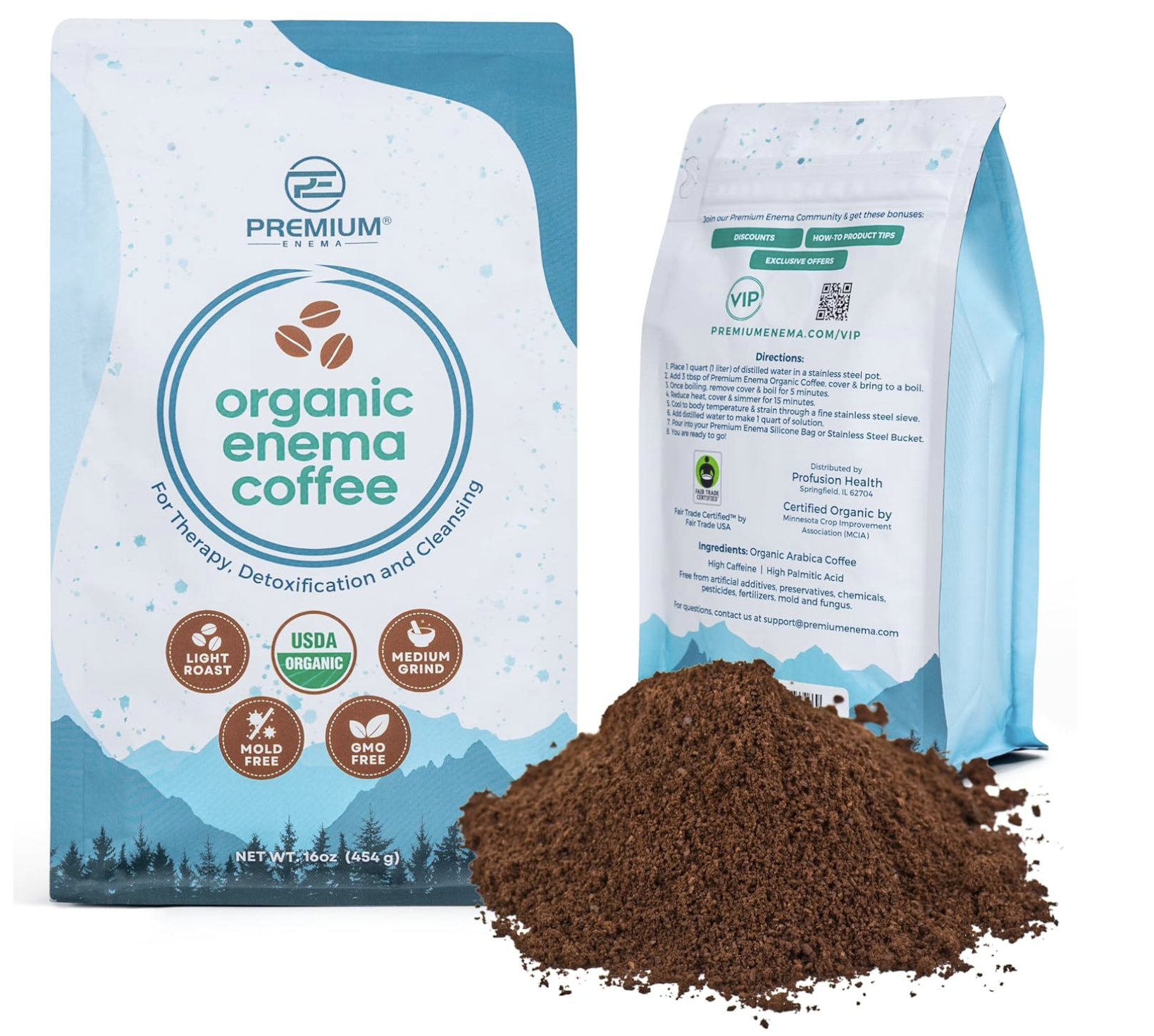
Click here to buy organic coffee for coffee enemas.
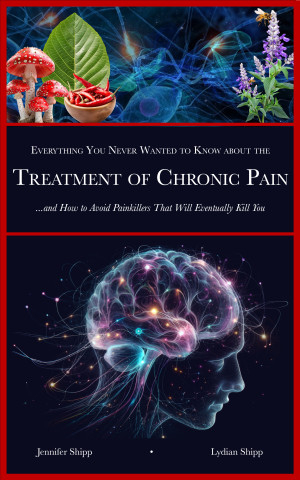
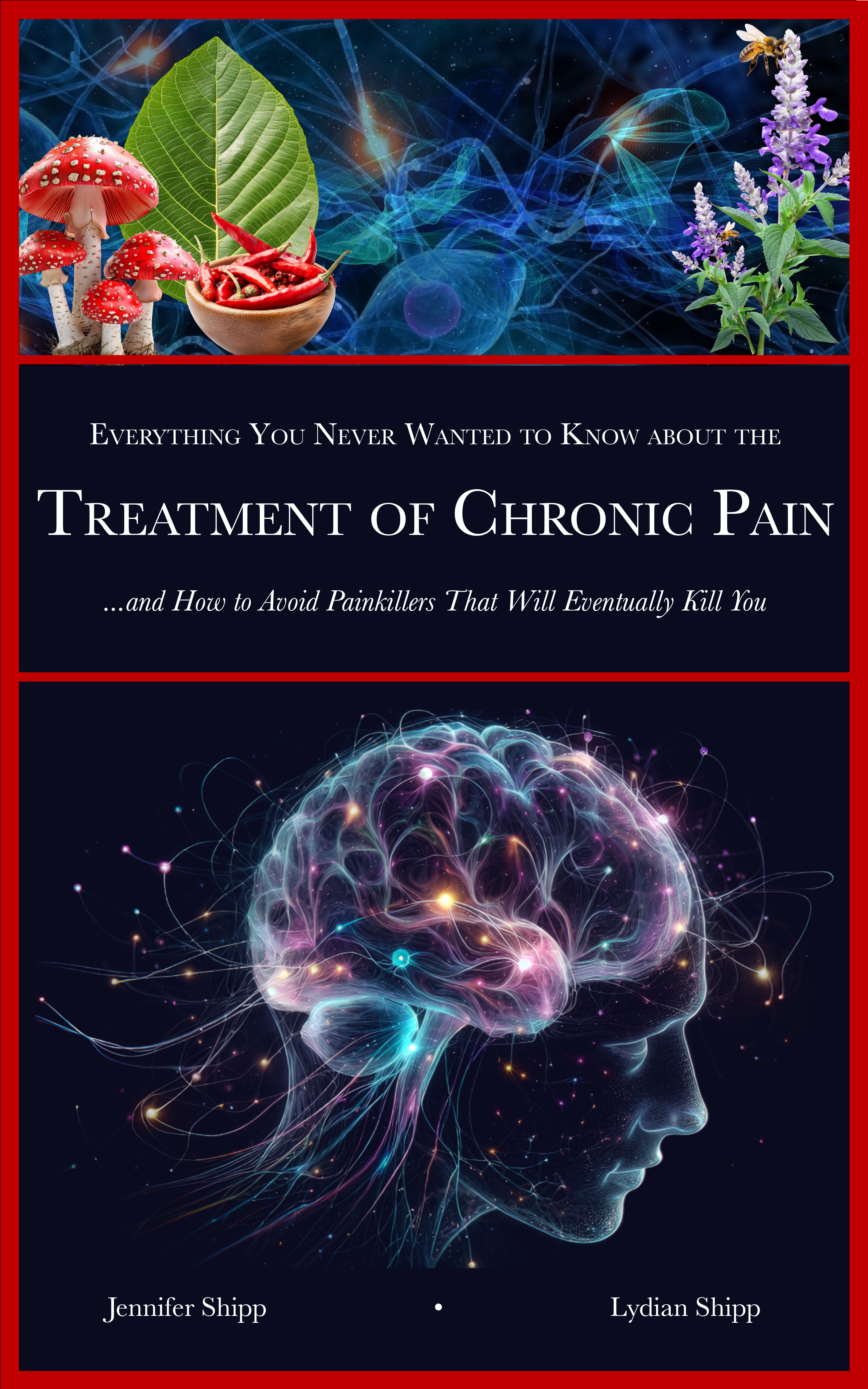 Everything You Never Wanted to Know About the Treatment of Chronic Pain... and How to Avoid Painkillers That Will Eventually Kill You - BUY HERE!!!
Resources:
• Medera Apothecary (2025). Herbal and Holistic Approaches to Chronic Pain. Retrieved July 30, 2025 from https://medera.com.au/blogs/blog-posts/herbal-holistic-approaches-to-chronic-pain
• Tashani, O. A. and Johnson, M. I. (2010). Avicenna’s concept of pain. Retrieved July 30, 2025 from https://pmc.ncbi.nlm.nih.gov/articles/PMC3066781/