Quinine for Diphtheria and Bacterial Infections
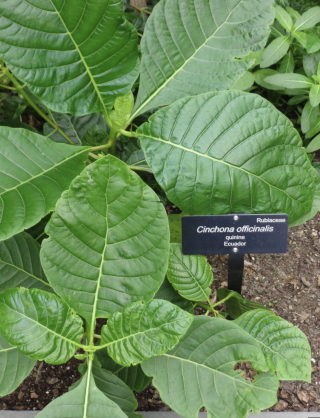
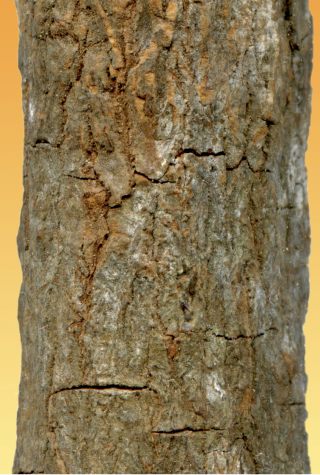
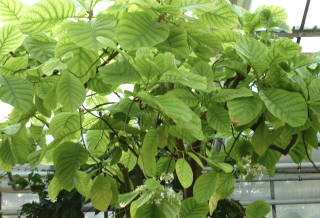
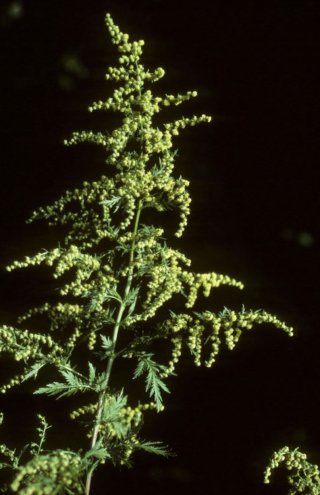
Quinine sulfate works better and it has a much better safety profile than chloroquine or hydroxychloroquine for COVID-19, but it is not a terribly profitable medicinal agent because it can’t be patented. Nonetheless, quinine sulfate can be quite useful in the treatment of certain infections like malaria (a parasite) or COVID (a virus), or perhaps even diphtheria (which is caused by a toxin released by a bacteriophage that infects the harmless diphtheria bacteria). In fact, some doctors were able to successfully use Cinchona officinalis (the plant from which quinine was derived) along with minute doses of iron to successfully treat and cure diphtheria decades ago. So quinine and Cinchona officinalis both deserve some attention in terms of childhood illnesses and how to use these medicines properly in children.
Click here to schedule a health coaching session with us.
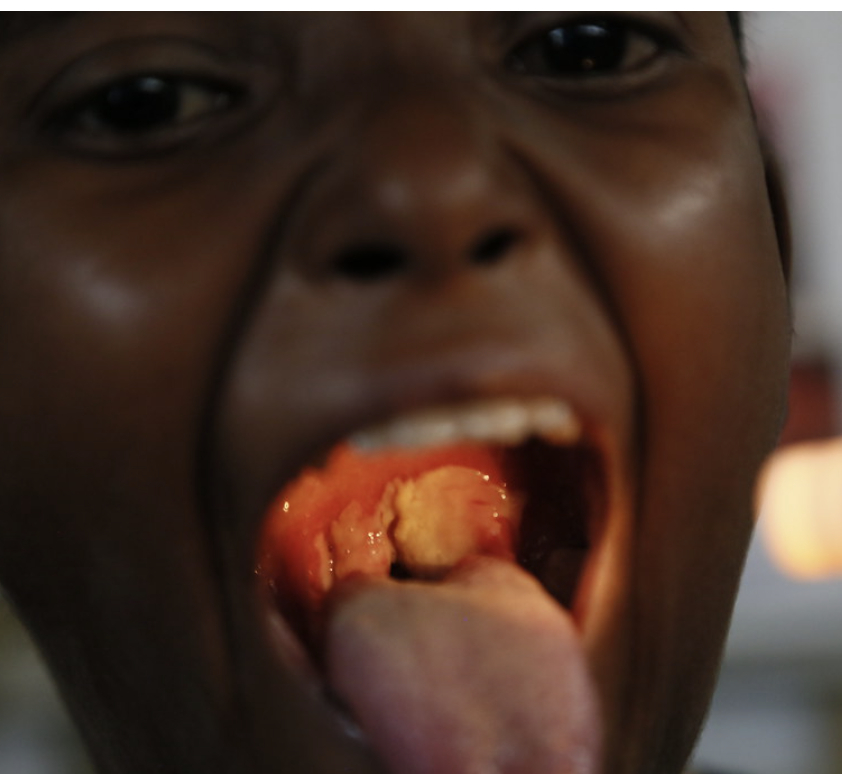
In conventional medicine, a diphtheria antitoxin combined with penicillin G or erythromycin antibiotic therapy is the standard treatment when a child becomes sick with diphtheria (including children who have been vaccinated, but who were sickened by this disease despite vaccination). But even in the early 1900s, American Medical Association (AMA) journal writers noted that the antitoxin wasn’t terribly effective as a treatment. But it should be noted that quinine can enhance the effects of erythromycin treatment in conventional medicine. And quinine or Cinchona officinalis can theoretically be administered as a stand-alone treatment for diphtheria too.
I say “theoretically” because the evidence is there to back up quinine and Cinchona bark in particular as a treatment for diphtheria but before quinine sulfate could be properly studied in terms of its mechanism of action against diphtheria, the AMA stepped in and proclaimed that the standard of care was to use the patentable (and therefore profitable) diphtheria antitoxin, vaccines, and antibiotics.
Pure quinine sulfate from the Cinchona officinalis tree is a salt of quinine and sulfate, but sulfates and iron combine to form iron sulfate salts as well, primarily ferrous sulfate and ferric sulfate. Both ferrous sulfate and ferric sulfate are essential in treating iron deficiency anemia, but some diseases like malaria, for example, and also diphtheria, may be less severe in patients who have iron deficiency anemia. Diphtheria treatment prior to the AMA takeover historically focused on the administration of trace iron via whiskey (which contains trace amounts of iron) or homeopathic treatments like ferri chlor. and ferri potassii in part because giving too much iron to a patient and building blood too quickly can make a pathogen stronger. But Cinchona bark powder has also been used along with copper in trace quantities to treat diphtheria, a thought-provoking fact in today’s scientific milieu given that copper is a much safer, much less toxic and effective nutrient that builds blood without putting the patient at a higher risk of developing a severe form of diphtheria, COVID, or malaria.
Click here to subscribe to the Living Database now.
Ferri chlor and ferri potassii aren’t always easy to find in the modern world, but there are alternatives. Red meat contains iron in a bioavailable, balanced form that children can digest and benefit from without doing any harm during the initial stages of an illness that may or may not be diphtheria, for example. After all, iron deficiency can weaken certain pathogens and make the pathogens more susceptible to other treatments (like quinine or erythromycin).Kids need to have plenty of red blood cells in order to overcome a disease because red blood cells deliver oxygen to other cells in the body and they transport carbon dioxide away from those cells as well. Iron deficiency leads to a red blood cell deficiency. But supplying copper makes iron from food sources easier for the body to use for building blood. During a major disease, it may be much safer to administer tiny amounts of iron to promote slow, but steady red blood cell production along with low dose copper supplementation to encourage the body to absorb bioavailable forms of iron from food. At the same time, a sick child should also receive medicine to kill pathogens and overcome serious symptoms. While quinine sulfate is a good choice, Cinchona bark may be an even better choice because of the various medicinal substances contained in the whole herb.
Click here to buy Cinchona officinalis / Quina.
Resources:
• De Alameida Basano, S. (n.d.). Antimalarials and the Fight Against Malaria in Brazil. Retrieved January 6, 2025 from https://www.researchgate.net/figure/Quinine-7-day-monotherapy-in-children_tbl4_26811098
• No Author (1926). Mortality from Diphtheria Decreasing. Retrieved January 6, 2025 from https://ajph.aphapublications.org/doi/pdf/10.2105/AJPH.16.6.621
• Chun, N. et al. (2025). Anemia Due to Unexpected Zinc-Induced Copper Deficiency. Retrieved January 6, 2025 from https://www.mdpi.com/2038-8330/17/4/35
• Patterson, M. J. (1996). Medical Microbiology, 4th Ed.: Chapter 13 Streptococcus. Retrieved January 19, 2026 from https://www.ncbi.nlm.nih.gov/sites/books/NBK7611/#:~:text=Figure%2013%2D1,not%20grow%20on%20routine%20subculture.
• Kanso, M. A. et al. (2022). Coronavirus pleomorphism. Retrieved January 19, 2026 from https://pubs.aip.org/aip/pof/article/34/6/063101/2846764/Coronavirus-pleomorphism