Cinchona, Quinine, and GLP-1
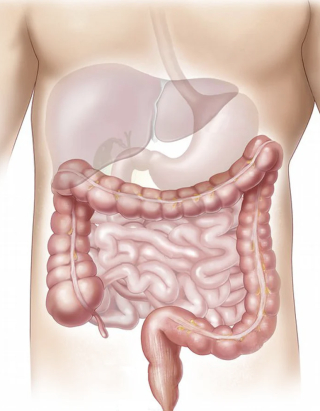
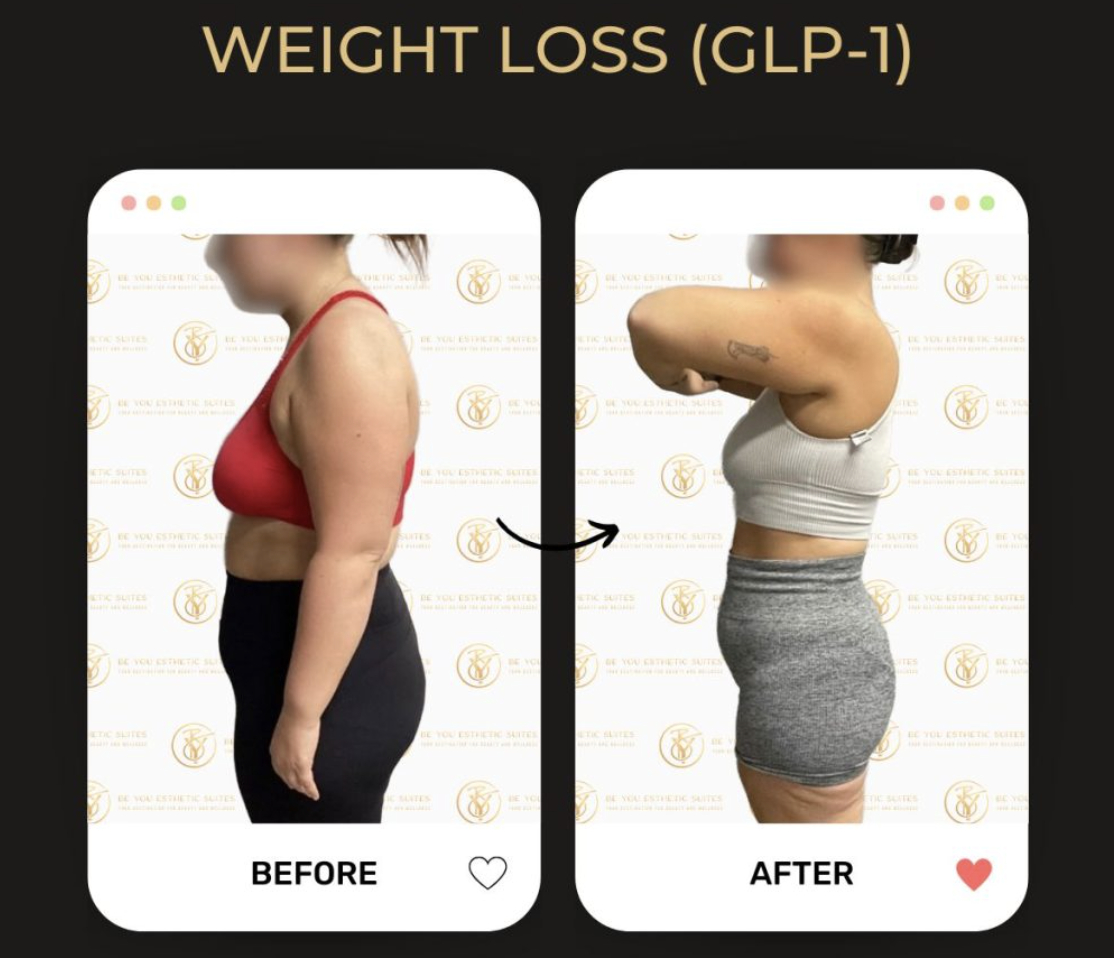
GLP-1 drugs that are prescribed by a doctor can improve weight management efforts and these effects are the ones that have become the most famous in terms of what GLP-1 can do. Of course, during a major childhood infection or as a treatment for chronic disease in adults, it’s generally important that the patient (especially children) continue to gain or maintain their weight rather than losing weight. The speed with which the contents of the stomach empty out into the small intestine is crucial in regard to weight gain or weight loss, but in terms of proper digestion, stomach-emptying speed is also important. The stomach should hold onto its contents long enough for nutrients to be absorbable in the small intestine without overwhelming the small intestine’s capacity. If the stomach empties too quickly it can cause blood sugar spikes and hormonal imbalances while overwhelming the small intestine to a point where nutrients may not be properly absorbed. If the stomach empties too slowly, it can cause feelings of fullness and nausea. Indeed, when food sits for too long in the stomach, fermentation can occur which can lead to malnutrition, chronic blood sugar issues, and other health problems. So Cinchona and quinine dose is important in part because the dose will affect gut motility overall as well as the body’s ability to absorb nutrients that are needed in order to heal.
Click here to schedule a health coaching session with us.
That being said, during a major infection (influenza, COVID, measles, diphtheria, etc.), blood sugar levels fluctuate as the body tries to adapt to the added stress. Cinchona officinalis works dynamically with the body to improve and maintain blood sugar levels that are appropriate from moment-to-moment. During infection, the body releases stress hormones to produce “stress hyperglycemia” (high blood sugar levels in response to stressful events). In “stress hyperglycemia” cells need extra energy and also the cells become less responsive to insulin. Glucose is released into the bloodstream to deal with the added stress which raises blood sugar levels even in patients who are hardly eating.High blood sugar can sometimes worsen infections, unfortunately, so when a patient is refusing to eat, it might be wise not to force sugars or foods unless the patient is open to consuming them. That being said, in patients with vomiting or diarrhea, blood sugar can drop dangerously low so you have to use your best judgment in regard to sugars and foods if you’re the caregiver. Cinchona and the medicinal substance, quinine, modulates glucose regulatory functions to keep them within a healthy range. The bitterness of quinine, in turns, helps the body release enzymes for digestion. Again though, quinine by itself can have a generally imbalancing effect on physiology, while Cinchona contains an array of medicinal substances that produce a more balanced effect with fewer side effects when treating disease.
Click here to buy Cinchona officinalis / Quina.
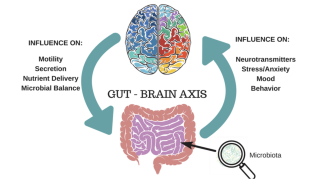
Quinine impacts the movement of food through the gut, in part because it triggers the release of GLP-1 naturally. In scientific studies this has been observed when quinine is given at a dose of 600 mg directly into the small intestine (most readers will be administering quinine directly into the mouth for passage through the stomach before it reaches the small intestine so dosing might be different to achieve the same effects in this case). If stomach emptying slows too much as a result of a quinine dosage that’s too high, for example, or because quinine has been administered for too long of a period of time, nausea, vomiting, diarrhea, or constipation can occur.But in addition to its GLP-1 effects which can cause some mild slowing of stomach emptying, quinine also improves the functioning of the intestinal barrier in those with leaky gut, ulcerative colitis, or Crohn’s disease, and as such, it can improve immune system regulation. Quinine can trigger insulin release which can be beneficial in individuals with chronic blood sugar regulation issues (pre-diabetic or diabetic patients) too. Again though, remember that Cinchona bark is almost always going to yield better results than working with quinine by itself.
Become an Expert. Do an AlivenHealthy Video Course Now.
Resources
Kundu, S. et al. (2024). Scopoletin alleviates high glucose-induced toxicity in human renal proximal tubular cells via inhibition of oxidative damage, epithelial-mesenchymal transition, and fibrogenesis. Retrieved April 25, 2026 from https://pubmed.ncbi.nlm.nih.gov/38709349/Joshi, H. et al. (2021). Review on Scopoletin: A Phenolic Coumarin with Its Medicinal Properties. Retrieved April 25, 2026 from https://ijpsr.com/bft-article/review-on-scopoletin-a-phenolic-coumarin-with-its-medicinal-properties/#:~:text=Scopoletin%20has%20a%20number%20of%20pharmacological%20activities%2C,Antibacterial%20*%20Antifungal%20*%20Antitubercular%20*%20Antioxidant
Al-Harbi, L. N. et al. (2022). Cinchona officinalis Phytochemicals-Loaded Iron Oxide Nanoparticles Induce Cytotoxicity and Stimulate Apoptosis in MCF-7 Human Breast Cancer Cells. Retrieved April 25, 2026 from https://pmc.ncbi.nlm.nih.gov/articles/PMC9565860/#:~:text=Plant%2Dbased%20nanoparticles%20have%20the,phytosterols%20have%20also%20been%20identified.
Gbotolorun, S. C. et al. (2018). Quinine inhibits ovulation and produces oxidative stress in the ovary of cyclic Sprague-Dawley rats. Retrieved May 8, 2026 from https://pmc.ncbi.nlm.nih.gov/articles/PMC6306975/
Keri, R. S. and Patil, S. A. (2014). Quinoline: A promising antitubercular target. Retrieved May 8, 2026 from https://www.sciencedirect.com/science/article/abs/pii/S075333221400136X
Wolf, R. et al. (2002). Quinine sulfate and bacterial invasion. Retrieved January 17, 2026 from https://pmc.ncbi.nlm.nih.gov/articles/PMC149380/
National Institute of Diabetes and Digestive and Kidney Diseases (2018). Quinine. Retrieved January 17, 2026 from https://www.ncbi.nlm.nih.gov/books/NBK548596/
Ghasemi-Dehnoo, M. et al. (2023).Quinic acid ameliorates ulcerative colitis in rats, through the inhibition of two TLR4-NF-kappaB and NF-kappaB-INOS-NO signaling pathways. Retrieved January 17, 2026 from https://pmc.ncbi.nlm.nih.gov/articles/PMC10408368/
Gulada, B. O. et al. (2025). Impact of Viburnum opulus L. Fruit Extracts on the Physicochemical, Sensory, and Bioactive Properties of Wheat Waffles. Retrieved January 17, 2026 from https://www.mdpi.com/1420-3049/30/24/4677
Bujor, A. et al. (2019). Metabolite profiling, arginase inhibition and vasorelaxant activity of Cornus mas, Sorbus aucuparia, and Viburnum opulus fruit extracts. Retrieved January 17, 2026 from https://scholar.google.com/scholar_lookup?title=Metabolite+profiling,+arginase+inhibition+and+vasorelaxant+activity+of+Cornus+mas,+Sorbus+aucuparia+and+Viburnum+opulus+fruit+extracts&author=Bujor,+A.&author=Miron,+A.&author=Luca,+S.V.&author=Skalicka-Wozniak,+K.&author=Silion,+M.&author=Ancuceanu,+R.&author=Dinu,+M.&author=Girard,+C.&author=Demougeot,+C.&author=Totoson,+P.&publication_year=2019&journal=Food+Chem.+Toxicol.&volume=133&pages=110764&doi=10.1016/j.fct.2019.110764&pmid=31437471
Ask Ayurveda (n.d.). Quinic Acid. Retrieved January 17, 2026 from https://ask-ayurveda.com/wiki/article/6536-quinic-acid
Li, S. et al. (2024). Quinic acid alleviates high-fat diet-induced neuroinflammation by inhibiting DR3/IKK/NF-κB signaling via gut microbial tryptophan metabolites. Retrieved May 9, 2026 from https://pubmed.ncbi.nlm.nih.gov/38972055/
Erly, B. et al. (2023). A Perilous Combination: Streptococcus Coinfection with Human Plague–Report of Two Cases and Review of the Literature, 1937-2022. Retrieved January 17, 2026 from https://www.liebertpub.com/doi/full/10.1089/vbz.2022.0084#:~:text=Streptococcus%20pneumoniae%20most%20frequently%20causes,pestis%E2%80%93Streptococcus%20coinfection.