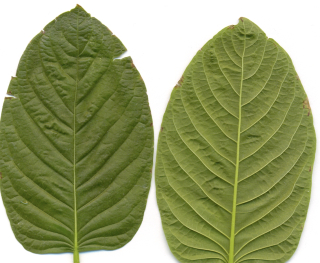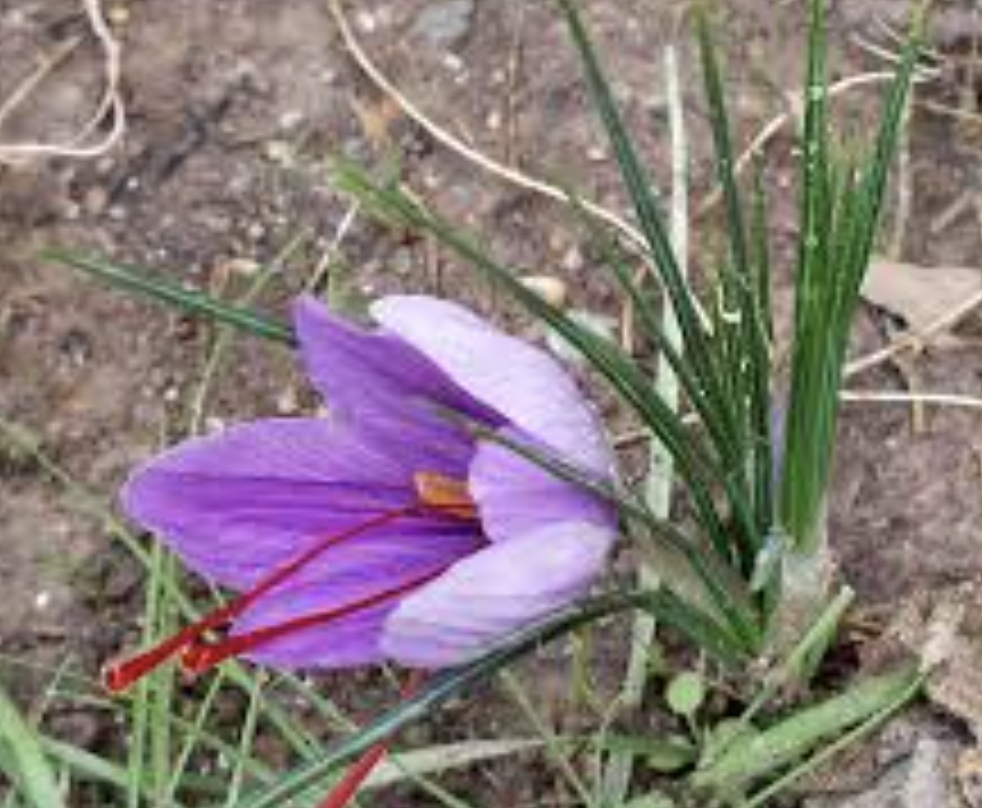
Papaver rhoeas, Kratom / Mitragyna speciosa, Crocus sativus / Saffron Treatment and Quinine / Cinchona Treatment for ADHD, Restless Legs Syndrome, Heart Arrhythmia, and More…
Saffron / Crocus sativus is a bright red flower stigma that’s administered in very tiny doses (usually 20-30 mg). For attention deficit hyperactivity disorder / ADHD, saffron works wonders. Some parents say that saffron / Crocus sativus works better than Ritalin / methylphenidate for ADHD but without producing any side effects.
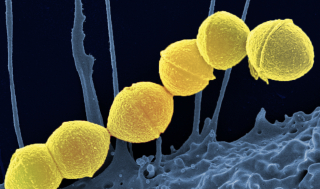
Though Dr. Thomas Sydenham had certainly never heard of ADHD, he was well aware of the St. Vitus dance that looks nearly identical to the restless behaviors of children with ADHD. Cinchona officinalis / quinine is an at home treatment for St. Vitus dance (also known as Sydenham’s chorea), which is caused by Streptococcus pyogenes.
Click here to schedule a health coaching session with us.
It’s important to note here that quinine is a prescribed treatment for restless legs syndrome in part because quinine / Cinchona is able to kill Streptococcus pathogens that can do molecular mimicry and pretend to be human muscle cells called myosin. Indeed, Streptococcus bacteria can make themselves look like human myosin while the Coxsackievirus can make themselves look like actin (another type of muscle cell that works with myosin) and these two pathogens can then cause an extreme form of restlessness in the body. This might look like restless legs syndrome, heart arrhythmias, or it might look like ADHD or even symptoms of autism, but the Streptococcus pyogenes bacteria does this type of molecular mimicry in an effort to steal iron from the muscle tissue. Cinchona intercepts this iron-grab on our behalf to prevent it which is at least one reason why Cinchona / quinine is such an effective treatment for restless legs syndrome or heart arrhythmia as well as the St. Vitus-like dance of ADHD. Quinine helps people relax on a muscle-level by protecting our iron-levels which, in turn, makes the muscle tissues inhospitable to Streptococcus, Coxsackievirus, and other pathogens.Dr. Thomas Sydenham often administered laudanum with Cinchona bark for malaria treatment. Sydenham’s laudanum contained alcohol, saffron / Crocus sativus, cinnamon, and opium / Papaver somniferum. This mixture of medicinal agents helped Dr. Sydenham save some of the patients with the most severe forms of malaria, but a modified form of this mix can also be useful in today’s world without the risk of causing addiction. Saffron / Crocus sativus, of course, is a well-known at-home cure for ADHD. Interestingly, saffron is also a powerful herbal remedy for Streptococcus pyogenes infection.
Click here to buy Cinchona officinalis / Quina.
An opioidergic medicine that’s less addictive than Papaver somniferum in the treatment of ADHD specifically. In the mid-20th century, doctors put patients with Sydenham’s chorea on bed-rest for 6 weeks to cure the constant state of restlessness that plagued young children with this infection. Opioid medicines like kratom / Mitragyna speciosa are used to stop an addiction to opiate drugs and they can be used to reduce restlessness in children. By reducing muscle movements, iron is less available to the Streptococcus pathogen (and to other pathogens that might use molecular mimicry to gain access to the iron in our muscle cells). So the use of an opioid medication might be beneficial in this regard for ADHD specifically, particularly in combination with quinine as quinine potentiates the opioidergic effects while simultaneously protecting the muscles from being colonized by pathogens in search of iron.Saffron / Crocus sativus has opioidergic activity as well and like kratom / Mitragyna speciosa, it has been used to stop an opiate addiction and alleviate symptoms of opioid withdrawal. The two can be taken together and saffron can act to potentiate Mitragyna speciosa. They can be administered in red wine or in another type of higher-proof alcohol such as whiskey. We recommend red wine and whiskey during Cinchona / quinine treatment because they contain copper, zinc, and trace amounts of iron which can help the body rebuild its iron stores without feeding pathogens that might depend on iron for their survival.
Click here to buy Cinchona officinalis.
So perhaps you’re working with quinine / Cinchona to treat your husband’s restless legs syndrome but your son also had ADHD. Or maybe you have some quinine syrup in your refrigerator for mixed drinks and you also use the syrup to stop leg cramps in your tracks. A child (or an adult) with ADHD might seriously benefit from treatment with quinine / Cinchona but its important to understand quinine / Cinchona and to make sure that you take tryptophan supplements and vitamin B100 complex supplements before beginning treatment and that you take them again after treatment for 7 to 14 days with quinine / Cinchona in combination with Artemisia annua.Cinchona has been administered in combination with saffron / Crocus sativus for centuries to treat all kinds of diseases and disorders. The saffron is often administered in alcohol and in the past it was combined with opium. Today, you could instead administer saffron alone or with just alcohol or you could combine it with Mitragyna speciosa for ADHD and other disorders involving restlessness or hyperactivity.
Note, in particular, that Mitragyna speciosa contains a medicinal agent known as mitragynine. Mitragynine is a derivative of tryptophan which might explain which it pairs so well with quinine / Cinchona bark.
Click here to buy Kratom.
Mitragyna speciosa after Quinine / Cinchona Treatment
Papaver rhoeas is a pain-relieving herb that is not addictive like its cousin Papaver somniferum. You could work with Papaver rhoeas or kratom / Mitragyna speciosa for mental health issues or for physical health problems that involve restlessness in the body. While Cinchona intercepts pathogenic processes in the body it can leave behind “gaps” in a person’s health through its impact on tryptophan. Mitragyna contains mitragyinine, the primary medicinal agent that has made Mitragyna speciosa famous as a pain-killer and as a cure for diabetes and cancer. But mitragynine is made from tryptophan. In other words, mitragynine is a derivative of tryptophan, so this may be one of the reasons why kratom therapy following a course of Cinchona officinalis may be so important.
Click here to buy Saffron.
Long term treatment with Cinchona can, after all, cause pain to develop in the body. Kratom can relieve the pain and help to restore the body to a normal, healthy state once Cinchona successfully intercepts the pathogen.Consider also supplementing with saffron / Crocus sativa at a dose of 6 stigma up to 3 times per day in adults along with kratom use after or along with Cinchona / quinine treatment.
Click here to subscribe to the Living Database now.
Resources
Abdel-Shafi, S. et al. (2019). Biological Characterization and Inhibition of Streptococcus pyogenes ZUH1 Causing Chronic Cystitis by Crocus sativus Methanol Extract, Bee Honey Alone, or in Combination with Antibiotics: An In Vitro Study. Retrieved May 3, 2026 from https://pmc.ncbi.nlm.nih.gov/articles/PMC6721159/
Shahi, M. N. et al. (2017). The Impact of Saffron on Symptoms of Withdrawal Syndrome in Patients Undergoing Maintenance Treatment for Opioid Addiction in Sabzevar Parish in 2017. Retrieved May 3, 2026 from https://pmc.ncbi.nlm.nih.gov/articles/PMC5735591/
Sydenham, T. (1676). Medical Observations Concerning the History and Cure of Acute Diseases. Retrieved May 3, 2026 from https://earlymoderneurope.hist.sites.carleton.edu/items/show/247
Freedman, J. E. and Weight, F. F. (1989). Quinine potently blocks single K+ channels activated by dopamine D-2 receptors in rat corpus striatum neurons. Retrieved May 2, 2026 from https://www.sciencedirect.com/science/article/abs/pii/0014299989904755
Islahudin, F. et al. (2014). The antimalarial drug quinine interferes with serotonin biosynthesis and action. Retrieved May 1, 2026 from https://www.nature.com/articles/srep03618
Science History Institute (2024). Dyes, Drugs, and Psychosis. Retrieved May 1, 2026 from https://www.sciencehistory.org/stories/distillations-pod/dyes-drugs-and-psychosis/
Santos, F. A. and Rao, V. S. (1999). Quinine-induced inhibition of gastrointestinal transit in mice: possible involvement of endogenous opioids. Retrieved May 1, 2026 from https://pubmed.ncbi.nlm.nih.gov/9932723/
Eyal, S. (2018). The Fever Tree: from Malaria to Neurological Diseases. Retrieved May 1, 2026 from https://pubmed.ncbi.nlm.nih.gov/30477182/
Semedo, M. G. et al. (2025). Cinchona bark and quinine as psychiatric treatments in Portugal, 1700-1900. Retrieved May 1, 2026 from https://pubmed.ncbi.nlm.nih.gov/40814135/