NAD+ for Dementia and Neurodegenerative Disease
DISCLAIMER: CONSULT WITH A DOCTOR BEFORE DECIDING ON A TREATMENT PLAN FOR ANY DISEASE.
ome links may be affiliate links. We may get paid if you buy something or take an action after clicking one of these. We use this revenue to keep the site free to you.
NAD+ for Neurodegenerative Disease and Dementia
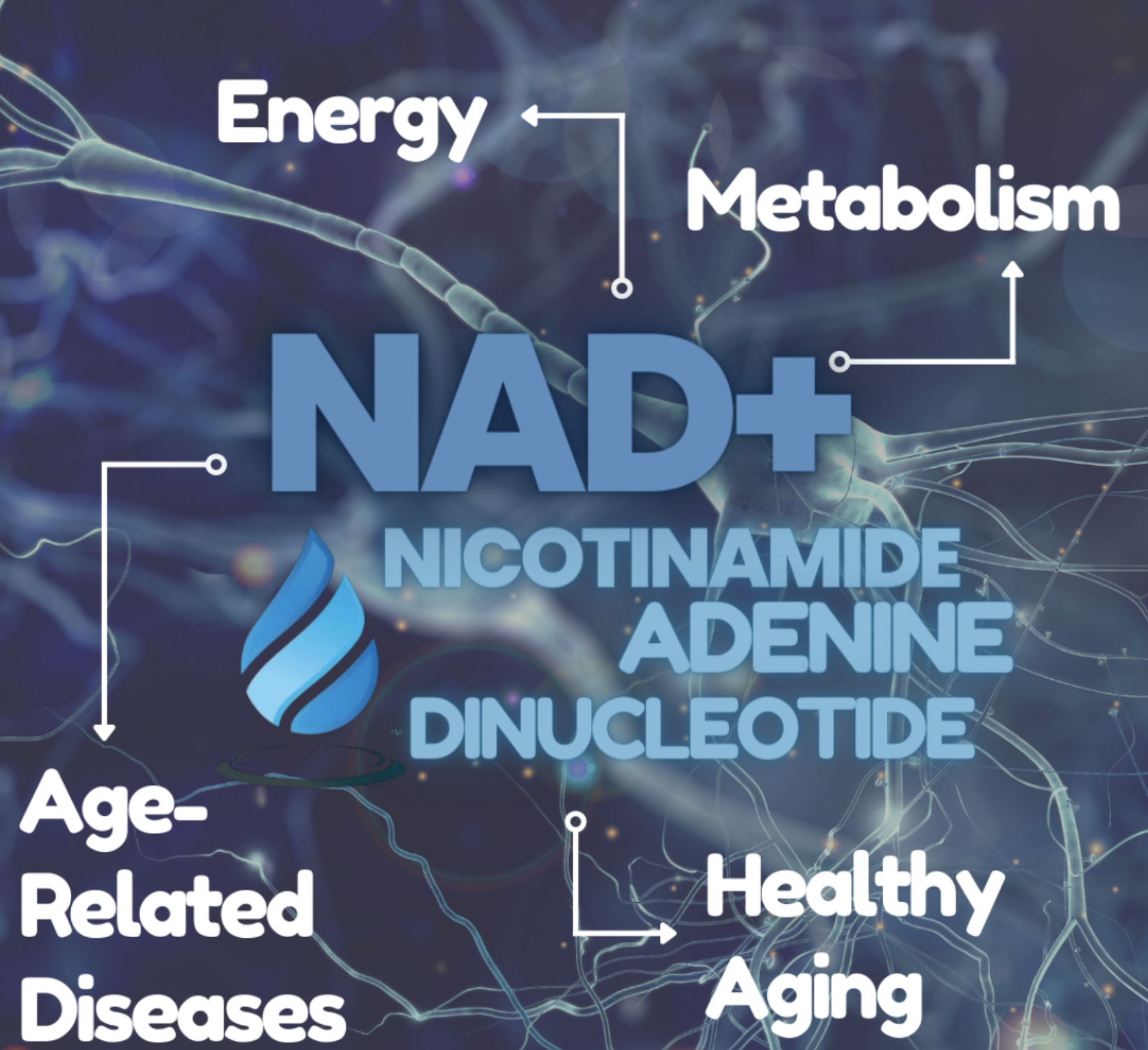
Nicotinamide Adenine Dinucleotide / NAD+ or sometimes just “NAD” is an essential molecule in the human body. It is used in more enzymatic reactions than any other molecule. It plays a role as a co-factor in more than 200 redox reactions. It also sometimes acts as a substrate in biochemical reactions in the body.
NAD+ does many things but it is particularly beneficial for neurological diseases of all kinds as well as mental health issues.
NAD+ has the following medicinal effects on the body:
-
Energy production
-
Mitochondrial Healing
-
Neuroprotection
-
DNA repair
-
Sirtuin Activation
-
Enhanced autophagy
-
Improved mitophagy
-
Neurotransmitter regulation
-
Anti-inflammatory
Click here to schedule a health coaching session with us.
Modern man is particularly vulnerable to NAD deficiency as a result of poor diet. The disease known as pellagra, a vitamin B3 deficiency, produces symptoms of dementia as well as diarrhea, and skin inflammation (dermatitis). If a loved one develops symptoms of dementia along with digestive issues, and skin inflammation, it is vital to supplement with some form of vitamin B3. NAD+ is one form that can be administered via IV.
A vitamin B3 deficiency can lead to death.
Vitamin deficiencies exist on a spectrum wherein a patient may manifest mild to moderate symptoms of pellagra or just one or two symptoms and not the other symptoms of deficiency. If you suspect that you or a loved one has a vitamin B3 deficiency, intravenous NAD+ or niacin supplements may be beneficial in reversing the symptoms and the deficiency.
In all vertebrates, NAD is produced through one of two different pathways:
-
De novo synthesis from the amino acid, tryptophan
-
Adequate vitamin B2, B6, and C is required in order to convert tryptophan to NAD
-
-
From vitamin precursors in the diet such as:
-
Nicotinamide
-
Nicotinamide riboside
-
Nicotinic acid mononucleotide
-
Nicotinic acid
-
If you are deficient in vitamin B3, your body may be lacking more than one nutrient involved in the production of NAD+ and the various forms of vitamin B3. To treat an underlying vitamin B3 / NAD+ deficiency, be sure to also administer a vitamin B100 complex supplement and a vitamin C supplement at a dose of 6000 mg per day.
NAD+ is a supplement that has become relatively famous in drug rehab facilities for its ability to help reduce withdrawal symptoms. NAD+ gives the brain and body more energy to heal itself, but it works through many different mechanisms of action against Parkinson’s disease, Alzheimer’s, frontotemporal dementia, vascular dementia, multiple sclerosis / MS, and amyotrophic lateral sclerosis / ALS. Second in line to its ability to help drug addicts overcome their habit is the anti-aging effects of NAD+. NAD+ helps to preserve not just cognitive ability, but it can also be used to treat diabetes, stroke, and traumatic brain injury. Indeed, all cells in the body benefit from NAD+ therapy.
There are a number of NAD+ products on the market as oral supplementation, but these products, though helpful, are not as powerful as NAD+ IV therapy or nasal spray. Oral supplements don’t tend to have the same level of effects as intravenous NAD+ or nasal sprays. Nonetheless, vitamin B3 supplements can be beneficial in those who need daily, high doses of this vitamin to treat a deficiency.
NAD+ is essential for cellular energy metabolism because it is necessary for electron exchange in the electron transport change. NAD+ plays a major role in the production of ATP through oxidative phosphorylation. ATP is a packet of energy in the body and we need plenty of it each day in order to think and move around.
Click here to do a free trial of EMDR to Release Trauma.
NAD+ acts as a neuroprotective agent that reduces oxidative stress, lowers protein aggregation, reduces inflammation, and stimulates neuroprotective HCA2 macrophages. It also blocks autophagy and it treats and heals damaged mitochondria. It has multiple mechanisms of action through which it works to heal neurological diseases and reduce symptoms like tremors in Parkinson’s disease patients.
In multiple sclerosis patients, NAD+ has been studied in terms of demyelination. Administration of non-tryptophan NAD precursors can halt or slow the progression of multiple sclerosis in animal models of the disease. The NAD+ delays stress-induced depletion of axonal NAD and ATP. The NAD precursor molecule nicotinamide has been able to ameliorate symptoms of MS in experimental autoimmune encephalomyelitis animal models. Through NAD+ nasal sprays and IVs, MS patients may be able to prevent or slow the progression of multiple sclerosis. Oral supplementation with precursors like NR can also be beneficial.
Amyotrophic lateral sclerosis / ALS / Lou Gehrig’s disease is another disease that involves oxidative stress and changes in NAD-metabolism and redox status. Mitochondrial function deteriorates in motor neurons in ALS. But NAD+ can help improve neuron resilience to stress and regulate synaptic plasticity. Studies indicate that either the inhibition of NAD+ breakdown enzymes, NAD+ IV therapy or nasal sprays, and/ or supplementation with NAD+ precursors are useful in ALS treatment.
Various neurodegenerative diseases respond to NAD+ treatment including:
-
Alzheimer’s disease
-
Parkinson’s disease
-
Huntington’s disease
-
ALS
-
MS
Click here to learn more about the DreamLight.app, an online guided meditation and brain-entrainment tool.
The regulation of mitochondria, the primary energy-production site in cells, is vital to prevent age-related decline. Mitochondrial stress and damage can be controlled somewhat through the administration of NAD+ or an NAD precursor. In Parkinson’s disease patients, administration of NR supplements increase NAD levels and alter cerebral metabolism. With NR supplementation, Parkinson’s symptoms are noticeably lessened. NR supplementation produce no side effects.
NAD+ administration via IV shows a rapid and sustained relief from Parkinson’s-related symptoms. Tremors lessen or stop after NAD+ IV therapy but nasal sprays can also be beneficial. NR oral supplementation has effects that are far less pronounced but certainly still important, however, patients may experience the most benefits from working with both NAD+ IVs, nasal sprays, and NR oral supplements.
In Alzheimer’s patients, NAD+ IVs and precursor supplementation slows the progression of the disease by enhancing neuron-resilience.
How to Administer NAD+ or Its Precursors for Neurodegenerative Disease
The use of NAD or its precursors can slow or halt the progression of some neurodegenerative diseases. There are different forms and oral precursors for NAD, but the following have been shown to have beneficial effects on slowing or halting neurodegeneration:
-
NMN / Nicotinamide Mononucleotide - 250 to 1000 mg per day
-
NR / Nicotinamide Riboside - 250 to 500 mg per day
Intravenous NAD+ can be obtained from a boutique IV clinic. Sometimes nurses travel to administer NAD+ IVs at home. NAD+ nasal sprays can also be administered between IV treatments.
Note that NAD+ nasal sprays are created at different doses. Higher doses are typically better for patients with dementia or neurological diseases. A prescription may be necessary from an online doctor in order to get higher-doses of NAD+ nasal spray.
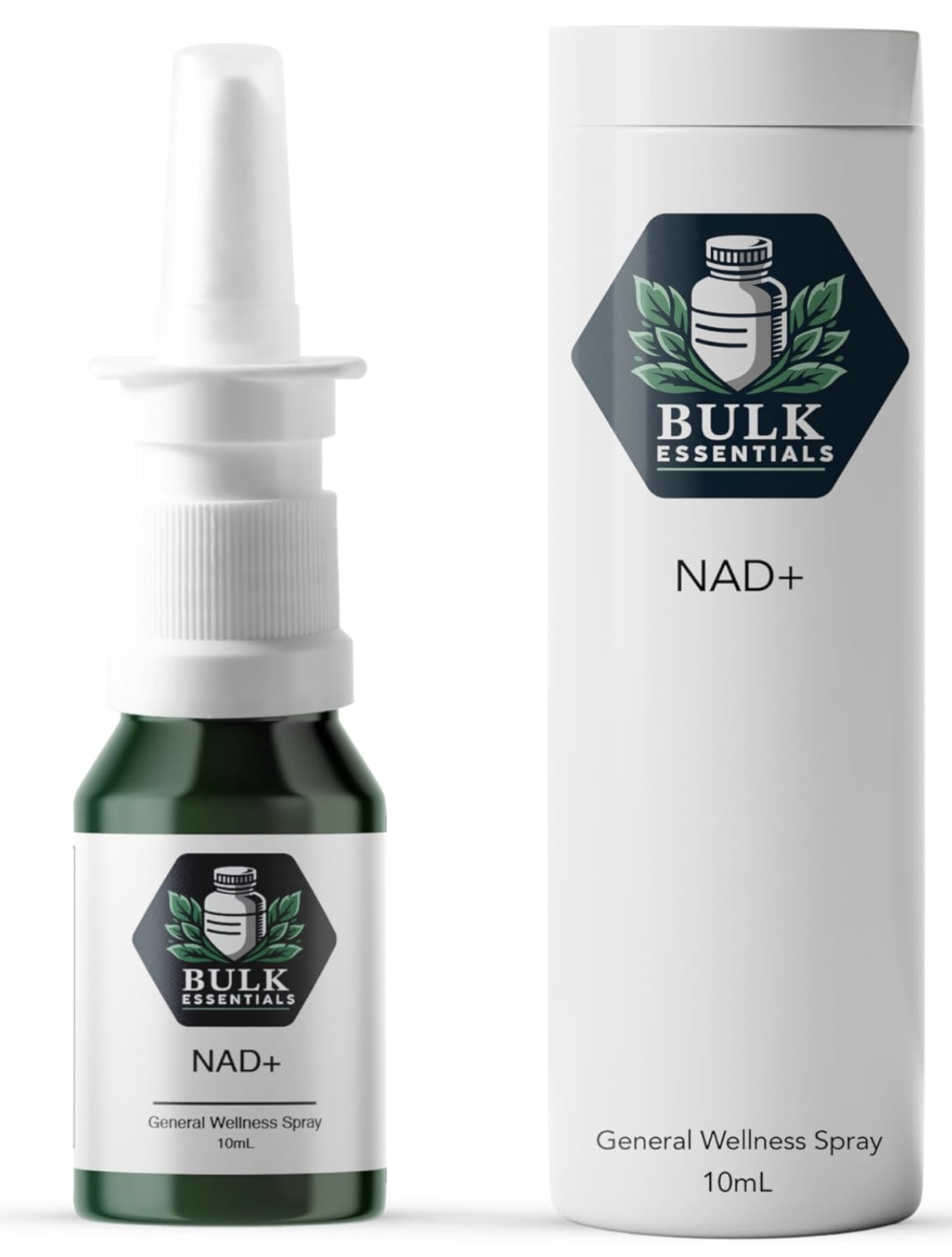
Click here to buy NAD+ nasal spray.
Some studies suggest that low doses of caffeine (also an antioxidant) can be beneficial in addition to NAD+ administration. Neurites benefit from this combination-treatment and they grow longer than untreated neurites in animal models of ALS. Scientists believe that the combined antioxidant effects of NAD+ and caffeine have beneficial effects in neurodegenerative diseases.
Click here to subscribe to the Living Database now.
Resources
Campbell, J. (2022). Supplementation with NAD+ and Its Precursors to Prevent Cognitive Decline Across Disease Contexts. Retrieved June 17, 2026 from https://pmc.ncbi.nlm.nih.gov/articles/PMC9370773/
Penberthy, W. T. and Tsunoda, I. (2009). The Importance of NAD in Multiple Sclerosis. Retrieved June 17, 2026 from https://pmc.ncbi.nlm.nih.gov/articles/PMC2651433/
Obrador, E. et al. (2021). NAD+ Precursors and Antioxidants for the Treatment of Amyotrophic Lateral Sclerosis. Retrieved June 17, 2026 from https://pmc.ncbi.nlm.nih.gov/articles/PMC8394119/
Lundt, S. et al. (2024). Dietary NMN supplementation enhances motor and NM function in ALS. Retrieved June 17, 2026 from https://www.sciencedirect.com/science/article/abs/pii/S0014488624000244
NAD+ Aging Science (n.d.). NAD⁺ Precursor Improves Neuron Production and Motor Function in Mice with ALS. Retrieved June 17, 2026 from https://www.nad.com/news/nr-enhances-adult-brain-cell-production-and-motor-function-in-als-mice
Carvalho, J. (2020). Caffeine and NAD+ Bolster Health of Motor Neurons From ALS Mouse Model. Retrieved June 17, 2026 from https://alsnewstoday.com/news/caffeine-oxidized-nad-bolsters-health-motor-neurons-of-als-mouse-model/
Brakedal, B. et al. (2022). The NADPARK study: A randomized phase I trial of nicotinamide riboside supplementation in Parkinson’s disease. Retrieved June 17, 2026 from https://www.sciencedirect.com/science/article/pii/S1550413122000456
The Parkinson’s Plan (2026). NAD+ and Parkinson’s Disease. Retrieved June 17, 2026 from https://theparkinsonsplan.com/nad-and-parkinsons/
Rutherford, L. et al. (n.d.). IV NAD Alleviates Tremors Associated With Parkinson’s Disease: A Case Report. Retrieved June 17, 2026 from https://nadresearch.org/iv-nad-parkinsons-tremors/
Ai, R. et al. (2025). NAD+ reverses Alzheimer’s neurological deficits via regulating differential alternative RNA splicing of EVA1C. Retrieved June 17, 2026 from https://www.science.org/doi/10.1126/sciadv.ady9811
AD


Be sure to take a look at a few of our e-Books titles below that might pertain to your health search:
NAD+ for Neurodegenerative Disease and Dementia
Nicotinamide Adenine Dinucleotide / NAD+ or sometimes just “NAD” is an essential molecule in the human body. It is used in more enzymatic reactions than any other molecule. It plays a role as a co-factor in more than 200 redox reactions. It also sometimes acts as a substrate in biochemical reactions in the body.
NAD+ does many things but it is particularly beneficial for neurological diseases of all kinds as well as mental health issues.
NAD+ has the following medicinal effects on the body:
-
Energy production
-
Mitochondrial Healing
-
Neuroprotection
-
DNA repair
-
Sirtuin Activation
-
Enhanced autophagy
-
Improved mitophagy
-
Neurotransmitter regulation
-
Anti-inflammatory
Click here to schedule a health coaching session with us.
Modern man is particularly vulnerable to NAD deficiency as a result of poor diet. The disease known as pellagra, a vitamin B3 deficiency, produces symptoms of dementia as well as diarrhea, and skin inflammation (dermatitis). If a loved one develops symptoms of dementia along with digestive issues, and skin inflammation, it is vital to supplement with some form of vitamin B3. NAD+ is one form that can be administered via IV.
A vitamin B3 deficiency can lead to death.
Vitamin deficiencies exist on a spectrum wherein a patient may manifest mild to moderate symptoms of pellagra or just one or two symptoms and not the other symptoms of deficiency. If you suspect that you or a loved one has a vitamin B3 deficiency, intravenous NAD+ or niacin supplements may be beneficial in reversing the symptoms and the deficiency.
In all vertebrates, NAD is produced through one of two different pathways:
-
De novo synthesis from the amino acid, tryptophan
-
Adequate vitamin B2, B6, and C is required in order to convert tryptophan to NAD
-
-
From vitamin precursors in the diet such as:
-
Nicotinamide
-
Nicotinamide riboside
-
Nicotinic acid mononucleotide
-
Nicotinic acid
-
If you are deficient in vitamin B3, your body may be lacking more than one nutrient involved in the production of NAD+ and the various forms of vitamin B3. To treat an underlying vitamin B3 / NAD+ deficiency, be sure to also administer a vitamin B100 complex supplement and a vitamin C supplement at a dose of 6000 mg per day.
NAD+ is a supplement that has become relatively famous in drug rehab facilities for its ability to help reduce withdrawal symptoms. NAD+ gives the brain and body more energy to heal itself, but it works through many different mechanisms of action against Parkinson’s disease, Alzheimer’s, frontotemporal dementia, vascular dementia, multiple sclerosis / MS, and amyotrophic lateral sclerosis / ALS. Second in line to its ability to help drug addicts overcome their habit is the anti-aging effects of NAD+. NAD+ helps to preserve not just cognitive ability, but it can also be used to treat diabetes, stroke, and traumatic brain injury. Indeed, all cells in the body benefit from NAD+ therapy.
There are a number of NAD+ products on the market as oral supplementation, but these products, though helpful, are not as powerful as NAD+ IV therapy or nasal spray. Oral supplements don’t tend to have the same level of effects as intravenous NAD+ or nasal sprays. Nonetheless, vitamin B3 supplements can be beneficial in those who need daily, high doses of this vitamin to treat a deficiency.
NAD+ is essential for cellular energy metabolism because it is necessary for electron exchange in the electron transport change. NAD+ plays a major role in the production of ATP through oxidative phosphorylation. ATP is a packet of energy in the body and we need plenty of it each day in order to think and move around.
Click here to do a free trial of EMDR to Release Trauma.
NAD+ acts as a neuroprotective agent that reduces oxidative stress, lowers protein aggregation, reduces inflammation, and stimulates neuroprotective HCA2 macrophages. It also blocks autophagy and it treats and heals damaged mitochondria. It has multiple mechanisms of action through which it works to heal neurological diseases and reduce symptoms like tremors in Parkinson’s disease patients.
In multiple sclerosis patients, NAD+ has been studied in terms of demyelination. Administration of non-tryptophan NAD precursors can halt or slow the progression of multiple sclerosis in animal models of the disease. The NAD+ delays stress-induced depletion of axonal NAD and ATP. The NAD precursor molecule nicotinamide has been able to ameliorate symptoms of MS in experimental autoimmune encephalomyelitis animal models. Through NAD+ nasal sprays and IVs, MS patients may be able to prevent or slow the progression of multiple sclerosis. Oral supplementation with precursors like NR can also be beneficial.
Amyotrophic lateral sclerosis / ALS / Lou Gehrig’s disease is another disease that involves oxidative stress and changes in NAD-metabolism and redox status. Mitochondrial function deteriorates in motor neurons in ALS. But NAD+ can help improve neuron resilience to stress and regulate synaptic plasticity. Studies indicate that either the inhibition of NAD+ breakdown enzymes, NAD+ IV therapy or nasal sprays, and/ or supplementation with NAD+ precursors are useful in ALS treatment.
Various neurodegenerative diseases respond to NAD+ treatment including:
-
Alzheimer’s disease
-
Parkinson’s disease
-
Huntington’s disease
-
ALS
-
MS
Click here to learn more about the DreamLight.app, an online guided meditation and brain-entrainment tool.
The regulation of mitochondria, the primary energy-production site in cells, is vital to prevent age-related decline. Mitochondrial stress and damage can be controlled somewhat through the administration of NAD+ or an NAD precursor. In Parkinson’s disease patients, administration of NR supplements increase NAD levels and alter cerebral metabolism. With NR supplementation, Parkinson’s symptoms are noticeably lessened. NR supplementation produce no side effects.
NAD+ administration via IV shows a rapid and sustained relief from Parkinson’s-related symptoms. Tremors lessen or stop after NAD+ IV therapy but nasal sprays can also be beneficial. NR oral supplementation has effects that are far less pronounced but certainly still important, however, patients may experience the most benefits from working with both NAD+ IVs, nasal sprays, and NR oral supplements.
In Alzheimer’s patients, NAD+ IVs and precursor supplementation slows the progression of the disease by enhancing neuron-resilience.
How to Administer NAD+ or Its Precursors for Neurodegenerative Disease
The use of NAD or its precursors can slow or halt the progression of some neurodegenerative diseases. There are different forms and oral precursors for NAD, but the following have been shown to have beneficial effects on slowing or halting neurodegeneration:
-
NMN / Nicotinamide Mononucleotide - 250 to 1000 mg per day
-
NR / Nicotinamide Riboside - 250 to 500 mg per day
Intravenous NAD+ can be obtained from a boutique IV clinic. Sometimes nurses travel to administer NAD+ IVs at home. NAD+ nasal sprays can also be administered between IV treatments.
Note that NAD+ nasal sprays are created at different doses. Higher doses are typically better for patients with dementia or neurological diseases. A prescription may be necessary from an online doctor in order to get higher-doses of NAD+ nasal spray.
Click here to buy NAD+ nasal spray.
Some studies suggest that low doses of caffeine (also an antioxidant) can be beneficial in addition to NAD+ administration. Neurites benefit from this combination-treatment and they grow longer than untreated neurites in animal models of ALS. Scientists believe that the combined antioxidant effects of NAD+ and caffeine have beneficial effects in neurodegenerative diseases.
Click here to subscribe to the Living Database now.
Resources
Campbell, J. (2022). Supplementation with NAD+ and Its Precursors to Prevent Cognitive Decline Across Disease Contexts. Retrieved June 17, 2026 from https://pmc.ncbi.nlm.nih.gov/articles/PMC9370773/
Penberthy, W. T. and Tsunoda, I. (2009). The Importance of NAD in Multiple Sclerosis. Retrieved June 17, 2026 from https://pmc.ncbi.nlm.nih.gov/articles/PMC2651433/
Obrador, E. et al. (2021). NAD+ Precursors and Antioxidants for the Treatment of Amyotrophic Lateral Sclerosis. Retrieved June 17, 2026 from https://pmc.ncbi.nlm.nih.gov/articles/PMC8394119/
Lundt, S. et al. (2024). Dietary NMN supplementation enhances motor and NM function in ALS. Retrieved June 17, 2026 from https://www.sciencedirect.com/science/article/abs/pii/S0014488624000244
NAD+ Aging Science (n.d.). NAD⁺ Precursor Improves Neuron Production and Motor Function in Mice with ALS. Retrieved June 17, 2026 from https://www.nad.com/news/nr-enhances-adult-brain-cell-production-and-motor-function-in-als-mice
Carvalho, J. (2020). Caffeine and NAD+ Bolster Health of Motor Neurons From ALS Mouse Model. Retrieved June 17, 2026 from https://alsnewstoday.com/news/caffeine-oxidized-nad-bolsters-health-motor-neurons-of-als-mouse-model/
Brakedal, B. et al. (2022). The NADPARK study: A randomized phase I trial of nicotinamide riboside supplementation in Parkinson’s disease. Retrieved June 17, 2026 from https://www.sciencedirect.com/science/article/pii/S1550413122000456
The Parkinson’s Plan (2026). NAD+ and Parkinson’s Disease. Retrieved June 17, 2026 from https://theparkinsonsplan.com/nad-and-parkinsons/
Rutherford, L. et al. (n.d.). IV NAD Alleviates Tremors Associated With Parkinson’s Disease: A Case Report. Retrieved June 17, 2026 from https://nadresearch.org/iv-nad-parkinsons-tremors/
Ai, R. et al. (2025). NAD+ reverses Alzheimer’s neurological deficits via regulating differential alternative RNA splicing of EVA1C. Retrieved June 17, 2026 from https://www.science.org/doi/10.1126/sciadv.ady9811
AD