 The Low Histamine Diet to Reduce Pain Caused by Histamine Imbalance
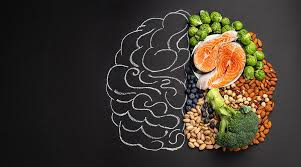
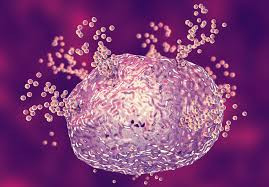
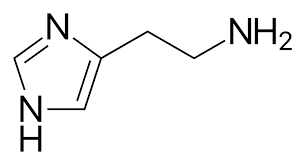
The Low Histamine Diet involves eating only clean, natural foods, just like any other healing diet protocol, and also requires that adherents reduce or eliminate intake of histamine-rich foods. Foods that contain higher levels of histamine can lead to further histamine imbalance in individuals who are sensitive to histamine, which can ultimately lead to symptom flare-ups. This diet can help relieve – and ultimately heal – symptoms like chronic skin and respiratory allergies, regular headaches, fibromyalgia, eczema, anxiety/depression, acid reflux, chronic pain and inflammation, IBS and other digestive disturbances, and more.
One of the nice things about the Low Histamine Diet, in comparison with other diets, is that if it’s going to work to relieve symptoms, it works fast. Most people experience noteworthy improvements within 1-2 weeks of starting the diet, due to the nature of what it aims to achieve. And, better yet, once symptoms resolve and the body has the opportunity to heal, most people can return to a normal, healthy, balanced diet complete even with “irritating” foods – but without the irritation that can come with these foods when histamine levels are excessively high.
Below is a list of histamine-rich foods – or alternatively, foods that can stimulate the release of excess histamine in the body – that should be avoided on the Low Histamine Diet:
- Aged / fermented cheeses
- Alcohols (especially beer and wine)
- Raw egg whites (this restricts soft-boiled eggs or eggs where the whites aren’t fully cooked, eggnog, hollandaise sauce, etc.)
- Some fresh fruits and all dried fruits
- Bananas
- Citrus fruits (lemon, lime, grapefruit, etc.)
- Kiwi
- Strawberries
- Plums
- Passionfruit
- Papaya
- Pineapple
- Avocado
- Raspberries, strawberries, loganberries, and cranberries
- Cherries
- Dried fruits (raisins, dates, prunes, etc.)
- Some vegetables (fresh or cooked)
- Eggplant
- Pumpkin and other squash
- Spinach
- Tomato
- Olives
- Pickled or canned veggies
- Some nuts
- Peanuts
- Walnuts
- Cashews
- Some spices
- Cayenne pepper
- Allspice
- Anise
- Cinnamon
- Chili powder
- Cloves
- Curry powder
- Nutmeg
- Paprika
- Licorice
- Chocolate
- Soy and soy-based products
- Fish and shellfish (especially canned fish)
- Legumes (especially canned legumes; e.g. chickpeas, beans, lentils, etc.)
- Wheat / gluten-containing grains
- Unpasteurized milks
- Soured / fermented milk products (e.g. yogurt, sour cream, buttermilk, etc.)
- Fermented foods (e.g. sauerkraut, kefir, sourdough, kimchi, kombucha, etc.)
- Pickled and vinegar-containing foods (e.g. pickles, olives, mustard, ketchup, etc.)
- MSG
- Artificial colorings and flavorings
- Probiotics
- Processed and aged meats
- Non-frozen leftovers
- Soy sauce and miso
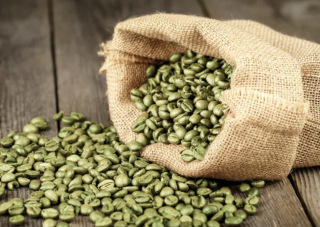
- Coffee
- Tea from Camelia sinensis (e.g. black tea, green tea)
- Maté teas
The foods below are comparatively low in histamine, meaning that, in most cases, they can be included in somewhat higher quantities in the diet without causing increased symptoms:
-
- Fresh meats (not aged meats)
- Salmon (fresh or flash-frozen within 30 minutes of being caught)
- Fully-cooked eggs (egg yolks are preferable; make sure the whites are fully cooked)
- Pure butter
- Meat drippings and fats
- Apple cider vinegar
- NOTE: This is the only vinegar allowed on the Low-Histamine Diet.
-
- Some grains (½ cup per day maximum)
- Amaranth
- Quinoa
- Buckwheat
- Millet
- Rice
- Arrowroot
- Non-citrus fruits
- Apples
- Peach
- Pomegranate
- Blackberries and blueberries
- Pear
- Melons (Cantaloupe, honeydew, watermelon, etc.)
- Figs
- Mango
- Grapes
- Lychee
- Rhubarb
- Coconut
- Persimmon
- Etc.
- All fresh vegetables (except those listed above)
- Olive oil
- Coconut oil
- Potatoes
- Flaxseeds
- Chia seeds
- Non-dairy milks (almond milk, hemp milk, coconut milk, etc.)
- Soft, non-aged/non-fermented cheeses and dairy products (e.g. butter, ghee, cream, cream cheese, mozzarella, ricotta, etc.)
- Some grains (½ cup per day maximum)
- NOTE: Eliminate ALL dairy products for the first 2 weeks of the Low-Histamine Diet, and then reintroduce these allowed dairy products gradually if your body tolerates them well after this point.
- Natural sweeteners (e.g. honey, maple syrup, molasses, pure jams and jellies without sugar made with Low-Histamine Diet fruits, etc. – use in moderation)
Note that neither of these 2 lists includes nuts; this is because nuts tend to provoke variable reactions in different people. For the first 2 weeks of the Low-Histamine Diet, eliminate all nuts – this includes cashews, almonds, macadamia nuts, Brazil nuts, pecans, walnuts, etc. After the first 2 weeks, start by reintroducing only macadamia nuts and chestnuts, and observe your response. If all goes well, reintroduce some other nuts. Avoid walnuts and cashews in all cases, these don’t belong on any Low-Histamine Diet (though some people may be able to tolerate them well much later in the process).
Legumes such as beans and lentils should also be eliminated completely during the first 2 weeks of the Low-Histamine Diet for similar reasons. After the first 2 weeks, reintroduce various legumes individually, and note your body’s reaction to these legumes. Do not consume more than 1 cup of any legume per day on the Low-Histamine Diet, and avoid soy and all canned legumes entirely.
It’s important to be aware of how your body responds to any of the foods above. While most people experience a reaction to the foods in the “avoid” list, and most people don’t experience a reaction to the foods in the “eat freely” list, there are exceptions. These are generalizations and intended to act as a guide. Start by completely eliminating all of the foods in the “avoid” list above, and gradually test them out one-by-one. Keep a food journal, and observe whether or not your body reacts – in a good or bad way – to any of these foods. For example, you may have a strong reaction and symptoms increase after eating a handful of cashews, but you may not have any issues at all after eating a banana or a small helping of lentils. Again, awareness is key on the low histamine diet!
Diamine Oxidase (DAO) Deficiency and Histamine Intolerance
Diamine oxidase is one of two enzymes (the other is N-methyltransferase, or HNMT) that breaks down excess histamine in the body. Low levels of DAO specifically mean that the body can’t break down histamine as efficiently, which ultimately means that histamine levels can rise unmanaged, leading to an increase in pain, inflammation, and other symptoms. In fact, nearly 70% of cases of histamine intolerance are caused by DAO deficiency. Working to correct a deficiency in this enzyme can help quickly reset the body and reverse symptoms of histamine intolerance for good.Diamine oxidase deficiency can occur as a result of a few different causes, including:
- Genetic predisposition/inheritance - Some people have a mutation in the Amine Oxidase Copper Containing 1 (AOC1) gene that makes it so that this gene can’t direct the body on how to make DAO correctly or in the appropriate quantities.
- Medications - Certain pharmaceutical medications can lead to reduced DAO levels. Examples of these drugs include proton pump inhibitors (PPIs) and NSAIDs.
- Alcohol use - Alcohol is not only a high-histamine drink, but also can inhibit the DAO enzyme, making it a very bad choice for people with histamine intolerance.
- Nutrient deficiencies - Deficiencies in the B-complex vitamins, vitamin C, zinc, and/or copper – all cofactors in the production of DAO – can lead to decreased production of this enzyme due to limited resources in the body.
- Hormone imbalances - Changes in estrogen and progesterone levels can also affect the production and utilization of the DAO enzyme. This explains partly why approximately 80% of cases of histamine intolerance are in women. High estrogen levels specifically are linked to a decreased output of DAO and thus higher levels of histamine.
- Gastrointestinal problems - More serious GI issues like Crohn’s disease, SIBO, ulcerative colitis, and IBS can impede DAO production and utilization, besides also producing separate symptoms that resemble histamine intolerance.
- High-histamine diet - Some foods high in histamine also actively inhibit the DAO enzyme, or simply contain so much histamine that they “overload” the body in such a way that DAO and NMT can’t break down enough of the histamine to bring the body back into balance. Foods notorious for causing this include fermented foods, black and green teas, and alcohol.
How to Increase DAO Enzyme Levels
DAO enzyme levels can be increased not only by following a low histamine diet, which can “free up” existing DAO enzymes in the body so that they can do their job more easily, but also through some other methods. Below are some of the other most effective ways to increase DAO enzyme levels (or reduce histamine levels, thus “freeing up” DAO enzymes in the body):Balance Fat Intake
The fats that you eat, and the quantity in which you eat them, matters. Increased intake of monounsaturated fatty acids, specifically in the form of Omega-9’s, can increase the release of DAO into the bloodstream. Extra virgin olive oil is an example of this type of fat, and has been shown to increase DAO enzyme release by up to 500%!It’s also wise to decrease intake of arachidonic acid (AA) and other Omega-6 fatty acids like those found in offal, fatty red meats, hard cheese, butter, and eggs. These types of fats can increase histamine levels and inhibit DAO enzyme release and function.
Focus on Protein
Adequate protein intake with each meal can facilitate the release of DAO in the appropriate quantities. Low-histamine, healthy protein sources like pumpkin seeds, poultry meats, heavy metal-free seafoods, quinoa, and non-dairy milks are all good options. Make sure to include at least a small amount of protein with each meal to encourage release of the DAO enzyme and to reduce histamine buildup in the body.Support General Gut Health
Of course, the digestive system is a complex thing, so supporting gut health can also (often) be fairly complex. That being said, there are many, many things that can be done to help heal digestive issues of all kinds. The gallbladder and liver (and pancreas) tend to play a central role in many digestive problems, and thus, healing these organs is a good place to start. Castor oil packs on the tummy every day, along with red light therapy in the same area, can offer multiple benefits to the entire digestive system, while the Hulda Clark Gallbladder Cleanse can also help remove bile sludge and gallstones safely and effectively, leading to significant improvements in digestion. Read more about the role of the gallbladder in digestion in our book, The Gallbladder and Beyond.Supplements to Support DAO Enzyme Production and Release
Nutritional deficiencies can lead to an inability to produce or release DAO in normal, sufficient quantities to balance histamine levels in the body. Specifically, deficiencies in zinc, copper, vitamin C, and vitamin B6 have been linked to either higher levels of histamine or reduced DAO enzyme activity (and thus, higher histamine levels). Supplement daily with a zinc+copper supplement that contains 15mg+2mg of these minerals (respectively), along with high-dose vitamin C of 5-15 grams per day. Take a B50 or B100 supplement that contains all of the B-complex vitamins, but which contains at least 25mg of vitamin B6 in particular.DAO supplements are also available, and can take stress off of the body while it’s healing. Supplementing with DAO enzymes can relieve symptoms of high histamine quickly, giving your mind and body a chance to recover more effectively. This supplement should be taken with each meal and snack, in addition to following the guidelines above.
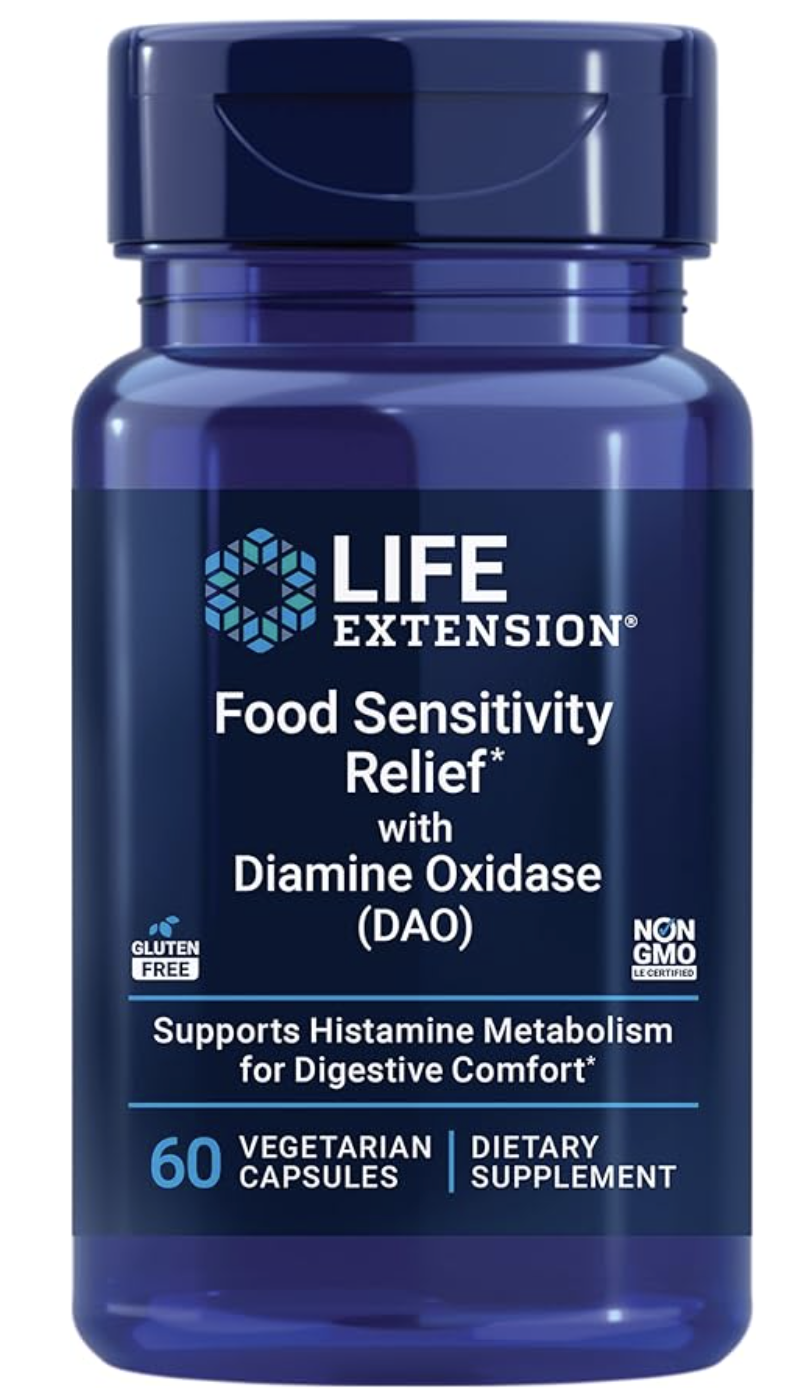 Buy DAO Supplements Here
Ginger Tea to Degrade Histamine Levels
Ginger tea made with freshly sliced ginger, boiled in water for 20-30 minutes, can help degrade excess levels of histamine in the body, thus relieving symptoms. This tea should ideally be made with only fresh ginger and hot water, but a small amount of raw honey or stevia drops can be added also to enhance the flavor of the tea. Drink daily as desired to minimize symptoms and help reset the body. Everything You Never Wanted to Know About the Treatment of Chronic Pain... and How to Avoid Painkillers That Will Eventually Kill You - BUY HERE!!!
Resources:
• Tee, Anita (n.d). Diamine Oxidase & Histamine: How to Increase DAO Enzymes Naturally. Retrieved September 18, 2025 from: https://www.factvsfitness.com/blogs/news/dao-deficiency-increase-dao-enzyme
• Rowe, Peter (2025). Low Histamine Diet. Retrieved September 18, 2025 from: chrome-extension://efaidnbmnnnibpcajpcglclefindmkaj/https://www.hopkinsmedicine.org/-/media/johns-hopkins-childrens-center/documents/specialties/adolescent-medicine/cfs-low-histamine-diet.pdf