Helminth Infections: Summary
Helminth infections, parasitic worms grouped into nematodes (roundworms) and platyhelminthes (flatworms, including tapeworms and flukes), are increasingly encountered outside endemic regions due to international travel and food habits. They are routinely missed in developed-world clinical settings, where doctors lack familiarity with these diseases, disbelieve patients who self-diagnose, and who rarely know how to treat parasite infections effectively (there are exceptional doctors who do know how to treat parasite infections, but they are decidedly not the norm). Many infections are asymptomatic or produce minimal symptoms, yet some can persist for decades and become life-threatening in immunocompromised individuals.
Click here to schedule a health coaching session with us.
Roundworms (Nematodes)
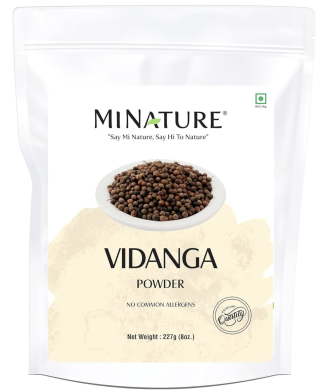
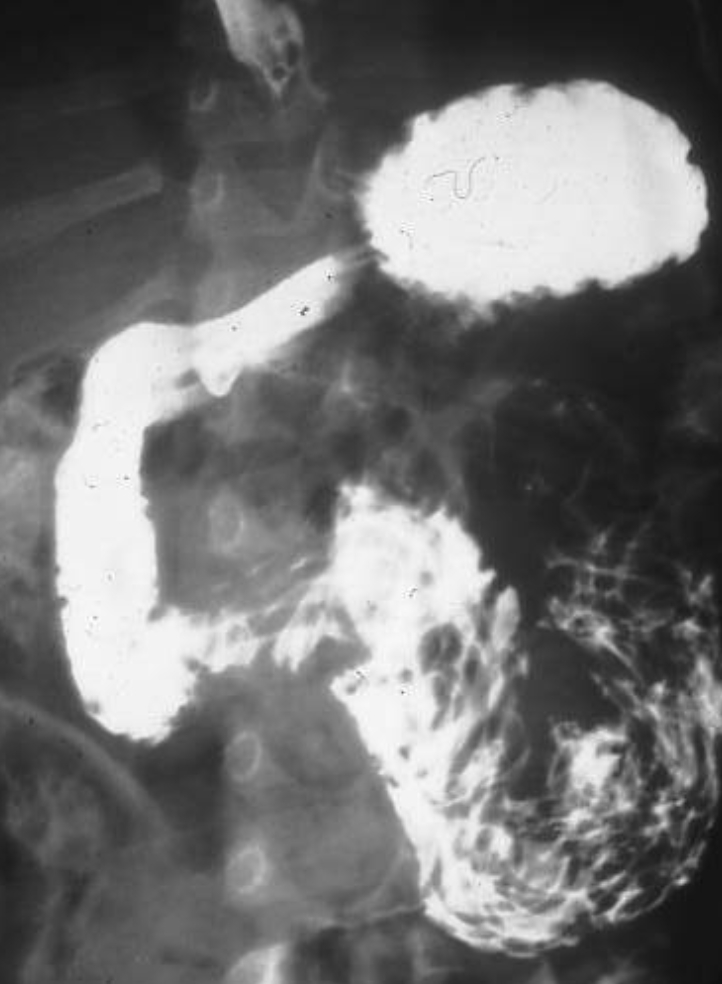
Ascaris lumbricoides infects roughly a quarter of the global population. It is often asymptomatic but can cause pulmonary symptoms during larval migration, intestinal obstruction in heavy infections, and biliary or pancreatic complications when worms migrate into ducts. Conventional treatment (albendazole, mebendazole) achieves high cure rates, but reinfection is rapid in endemic settings. Natural alternatives include Embelia ribes, an Ayurvedic broad-spectrum antihelminthic dosed at 1 gram twice daily for 7 to 21 days, then 1 gram weekly for 3 months, and wild tobacco (Nicotiana rustica) in the form of Ambil paste, which works through nicotinic receptor modulation similar to ivermectin but without resistance risk. Artemisia annua / Qing Hao, Juglans Nigra, and Syzigium aromaticum.
Click here to buy Artemisia annua / Qing Hao tincture.
Strongyloides stercoralis is distinguished by its capacity for internal autoinfection (larvae can restart their lifecycle within the same host indefinitely) allowing the parasite to persist for decades. In immunocompromised patients, this can escalate into fatal hyper-infection. Conventional treatment uses ivermectin. Natural alternatives again include Ambil and Embelia ribes. Kratom (Mitragyna speciosa) alkaloids have demonstrated dose-dependent anthelmintic activity against Strongyloides larvae in ruminants through a paralysis mechanism and likely this same pain-killing herb would work in humans to get rid of life-threatening parasites also.
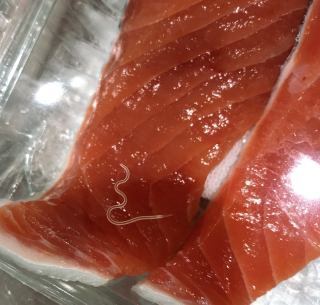
Capillaria philippinensis, acquired from raw freshwater fish, produces escalating autoinfection that mimics celiac disease. Treatment from a doctor is usually an extended course of albendazole or mebendazole but as an alternative therapy, Embelia ribes applies here as well.
Hookworms infect over 400 million people and cause iron deficiency anemia through intestinal blood feeding. Self-treatment protocols include monthly albendazole (400 mg) or mebendazole (500 mg), or the herbal combination treatment of Wormwood, Black Walnut, and Cloves, the first two targeting larval stages, the third targeting eggs.
Click here to subscribe to the Living Database!
Whipworm (Trichuris trichiura) causes rectal prolapse and developmental impairment in children at high burdens. Conventional antihelminthics have lower efficacy here than against other soil-transmitted helminths. As an alternative treatment, castor oil, used in high doses, has shown clinical effectiveness at clearing intestinal worms by purging the gut. Camelina oil or pickled vegetable brine can follow to restore gut flora.
Pinworms are ubiquitous in children and households. The Ayurvedic remedy Embelia ribes is effective here as well (1 gram twice daily for 21 days, then maintenance dosing). Whole-household treatment is essential given the ease of reinfection.
Trichinella spiralis, contracted from undercooked pork or wild game, causes a two-phase illness: intestinal symptoms during the adult worm phase, followed by systemic muscle invasion, fever, myalgia, periorbital edema, etc. as larvae disseminate. Cardiac and CNS involvement can be fatal. Conventional antihelminthics work during the intestinal phase but are less effective once larvae have encysted in muscle. Corticosteroids used in severe cases carry the risk of precipitating hyperinfection of concurrent parasitic infections.
Click here to learn more about the DreamLight.app, a guided meditation and brain-entrainment tool for natural trauma-release.
---------------------------------
Parasites: Self-Treatment and Prevention - BUY THE eBOOK HERE!!!