Can Iron Deficiency Anemia Cause Dental Problems?
 Yes. It definitely can! Though low-level iron deficiency or iron deficiency anemia is not commonly known to be a problem for dental health, it is, in fact, a major issue. Iron deficiency can look like bleeding, swollen gums and periodontitis. Iron deficiency can cause the teeth to be overly sensitive to heat and cold. Through its effects on the blood supply feeding the teeth, iron deficiency also causes tooth deterioration.
In fact, if you’ve worked with all of the other treatments that we recommend in our Heal Your Teeth book for remineralizing your teeth and nothing seems to be working, then it’s time to look at iron deficiency anemia and copper deficiency as a possible cause.
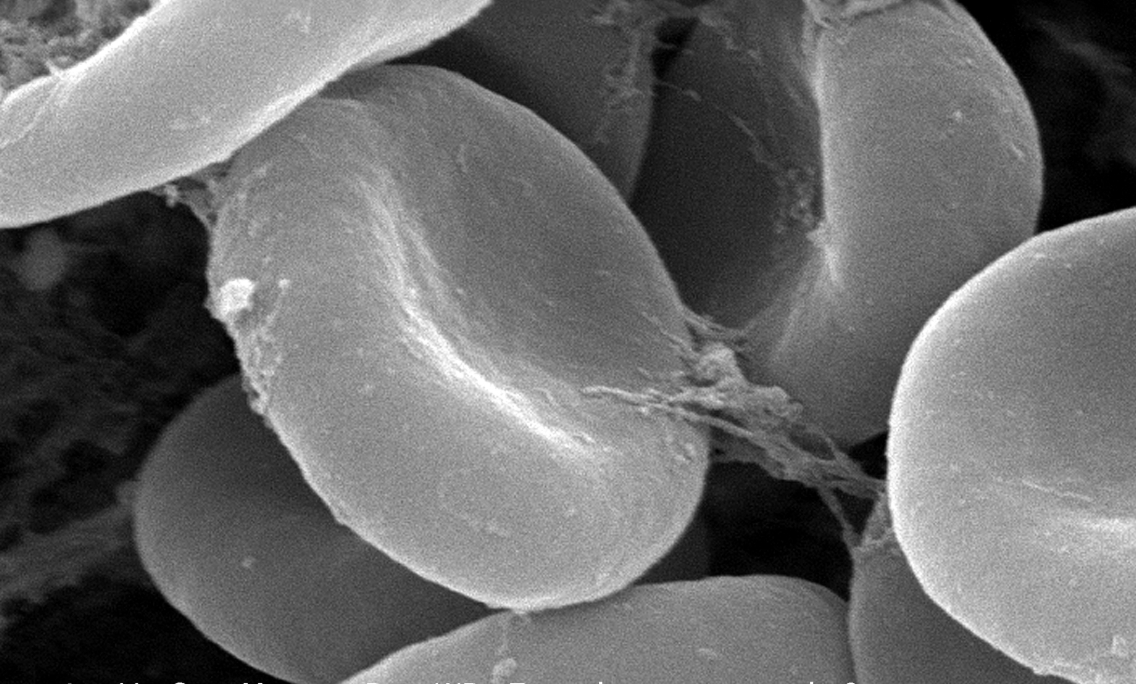
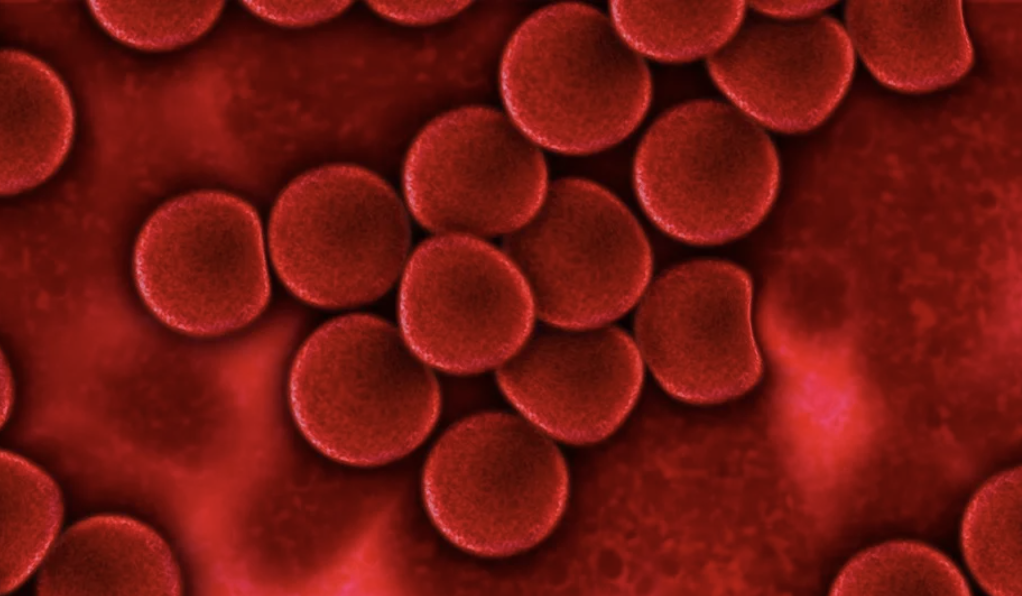
Iron deficiency anemia or even just very low-level iron deficiency that doesn’t necessarily register on lab results, can lead to jaw necrosis and tooth decay because your bones and teeth stop having access to red blood cells that keep bone tissues alive. Iron deficiency and its more advanced form, iron deficiency anemia, affects an estimated 2 billion people each year according to the scientific literature, but that doesn’t count all of the people who have iron deficiency who never get tested and who never realize that they’re iron deficient. In reality, iron deficiency and iron deficiency anemia often go undiagnosed because iron levels and anemia status is a moving target that can shift from day to day and week to week as the body is constantly trying to restore proper iron levels by building new red blood cells.
Children and pregnant women are populations of people who are at high risk for developing iron deficiency and iron deficiency anemia, but so are populations of people who have malaria or chronic low-level infection with hemolytic pathogens. Anyone who experience chronic or transient digestive system inflammation for any reason can also develop iron deficiency (we discuss why below) Most people who feel exhausted, depleted, lethargic, depressed, and unmotivated never think to themselves that they might have a low level Streptococcus pyogenes infection, for example, that might be eating their red blood cells, lodging themselves in dopamine receptors, or masquerading as human muscle tissues to cause various health problems, not to mention poor dental health. Most people, including doctors, don’t recognize the connection between a streptococcus infection and iron-deficiency anemia or any of the other health problems I just mentioned, yet this is a very common health paradigm that creates all kinds of health issues and woe for average people. Addressing iron deficiency anemia and iron deficiency in order to heal your teeth can improve your entire health profile as well as your quality of life in a major way, but before you go buy iron supplements, keep reading. You should not take an iron supplement to overcome iron deficiency. That would be like throwing little treats at serious infectious pathogens like Streptococcus pyogenes. Below we explain what you can do to overcome iron deficiency anemia that’s causing serious dental health problems (and other health issues too).

Click here to schedule a health coaching call with us.
Copper for Iron Deficiency Anemia
Some of our readers may already be familiar with Dr. Ardis, a medical professional who is against iron supplementation and a proponent for copper supplementation instead. He’s worked hard to really explain why iron supplementation is bad and why copper supplementation is generally good. Zinc supplements that are administered without adequate levels of copper at the same time can inadvertently leech copper from the body, for example, so if you’re taking a supplement that contains zinc, but no copper, and you have dental health problems, you’ll need to modify your supplementation protocol. It has also come to our attention that some supplements are not entirely honest about what they contain. We’re not saying that you should stop taking supplements, but just to be aware that if you’re taking a zinc-copper supplement already and you still have dental health problems and other health issues, we’ve been there. Below we explain a bit more about how this can happen and how to overcome copper deficiency even if you’ve been taking a zinc-copper supplement that may or may not be doing or providing what it’s supposed to be providing.Iron is efficiently recycled in the body and as such, we don’t really need to supplement with iron. In fact, iron supplementation causes severe, sometimes fatal damage to human organs and the brain, a little known fact that doctors rarely know about. Side effects of iron-supplementation overdose include nausea, constipation, abdominal pain, and vomiting. Our bodies can easily absorb iron from the diet in bioavailable forms that are not toxic to the body. In contrast, it’s hard to achieve that same level of iron-balanced absorption from iron supplementation. On the other hand though, copper plays a major role in overcoming iron-deficiency anemia. Copper is a trace mineral, so under normal circumstances, when the body is relatively healthy, you need very little copper each day. If you develop a copper deficiency though, it could be a month or longer before your red blood cell level declines far enough that you notice it. When you do notice it, if you have lab results telling you that your copper is low, those results won’t generally mention copper. Rather, you’ll have “iron-deficiency anemia” as the telltale sign of copper deficiency. It seems logical to try to administer iron supplements or an IV to correct this problem, but resist the urge to do this. Copper is the key to overcoming iron deficiency anemia.
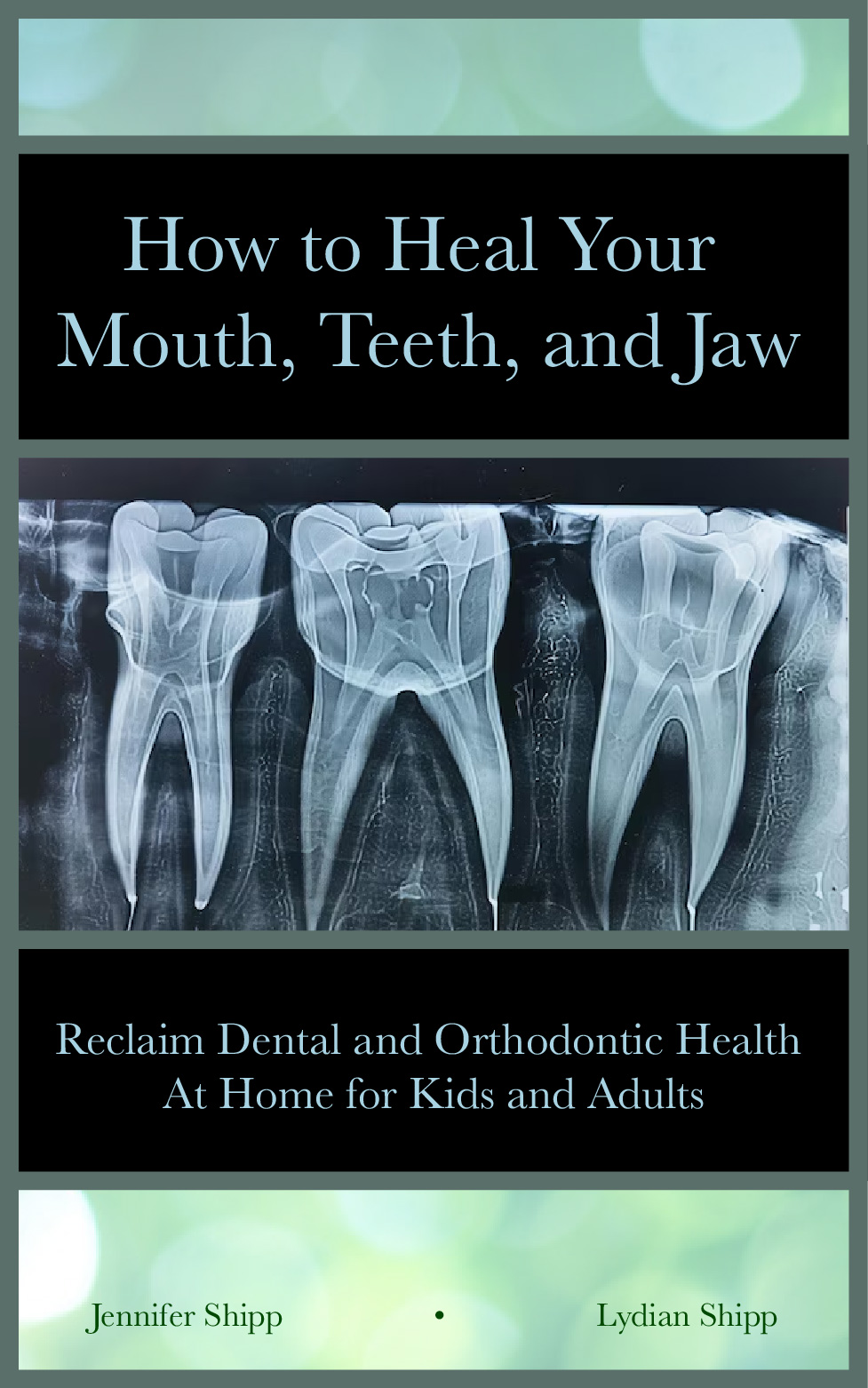
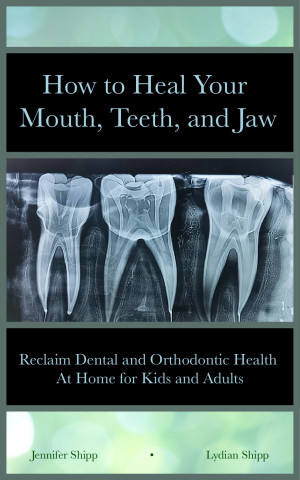
Click here to buy our Heal Your Mouth, Teeth, and Jaw book.
Once red blood cell levels get low enough as a result or copper deficiency and the diagnosis of iron-deficiency anemia takes shape (it would be more apt to call it “copper deficiency anemia”), people tend to feel pretty awful overall. By this time, the teeth may be de-mineralizing precipitously despite a very religious protocol for remineralizing them. Other health problems emerge including exhaustion, breathlessness, heart palpitations, and a long list of other symptoms.The teeth need a healthy blood supply because they are constantly mineralizing and demineralizing through pores in the bone tissues that are fed with the basic building block-minerals for good dental health (calcium and inorganic phosphates, for example). If copper levels get low, red blood cells also disappear which leads to poor oxygenation of tissues throughout the body including bone tissues. Our bones and teeth need a blood supply and if the blood supply is compromised in some way by copper and iron deficiency (and a correspondingly low red blood cell count, which is the definition of iron-deficiency anemia), our bones start to deteriorate and demineralize.
In addition to its role in iron metabolism and red blood cell production, copper is also present in trace amounts in human bones. Copper is essential for good skeletal health. About two-thirds of the total copper in the body is located in the skeleton and muscle tissues but that’s not all. Copper also acts as a cofactor for enzymes that are involved in collagen and elastin synthesis. Thus, copper is essential in the development and maintenance of the hard-structure of the body as well as proper functioning of the muscles.
Copper is an essential trace mineral for humans. Though you need very little of it (2 - 10 mg per day in adults) to maintain good health and strong bones, many people fall short. Without copper, you’ll feel exhausted, unable to heal from minor injuries or infections, and mentally foggy. Your bones and teeth will become weak without this essential trace mineral. You might develop issues with your joints (arthritis or collagen deterioration are good examples). Your immune system may stop functioning properly as well. But while it might sound like a very simple thing to correct copper deficiency and the corresponding iron deficiency anemia that often develops in tandem with general deterioration of tissues and yes, teeth, in order to be successful at overcoming copper deficiency and iron deficiency, most people will need to have a rudimentary understanding of how copper and iron levels play a role in pathogenic behavior and infection in the body. These deficiencies are correlated with low-level infection in the body that might have been present for decades before the deficiency took shape.
Pathogens and Their Relationship to Iron and Copper
In this section of this discussion, we’re going to highlight two specific pathogens, but readers should keep in mind that other pathogens might be involved in any given copper deficiency or iron deficiency. We’re going to use Streptococcus pyogenes and Coxsackievirus B3, but there’s quite an array of pathogens that might cause an infection that leads to the deterioration of teeth and the jaw bone. If you’re not familiar with the list of autoimmune disease pathogens and low-level infection that have been correlated with the various autoimmune diseases, be sure to visit AlivenHealthy.com to learn more.Let’s start by defining the word, “hemolytic” and “hemolysis”. When a pathogen is “hemolytic”, it is a pathogen that “eats red blood cells”. There are a variety of pathogens that puncture, degrade, or “lyse” red blood cells in order to retrieve iron from our bodies for their survival. A number of bacteria, viruses, protozoa, amoeba, parasites etc. are “hemolytic” – they break down red blood cells using one of many different methods in order to get ahold of our body’s supply of iron. Methods for “lysing” red blood cells to retrieve “heme” and iron, vary from pathogen to pathogen, but let’s just say that there are many different hemolytic pathogens that use various methods to steal iron from us. Streptococcus pyogenes has been a bane to human health for centuries as the offending agent that causes strep throat, scarlet fever / rheumatoid fever, Lupus Erythematosus, some forms of arthritis, Crohn’s disease, ulcerative colitis, and a number of other serious health problems.
Streptococcus pyogenes will be our model for a hemolytic bacteria in this discussion about iron deficiency anemia and copper deficiency and the resulting poor dental health (and poor overall health) that can take shape as a result of a low-level strep infection.
On the other hand, while iron deficiency relates to the presence of hemolytic Streptococcus pathogens in the body, copper deficiency is often associated with another group of viruses such as Coxsackievirus B3, the virus that is most closely associated with the development of so-called “autoimmune” diabetes. Coxsackievirus B3 is the underlying cause of hand, food, and mouth disease, a childhood illness that causes some children to develop a rash, fever, vomiting, diarrhea, and other symptoms while other children show no symptoms at all. Once a child either develops symptoms of hand, food, and mouth disease, or simply becomes a carrier, the Coxsackievirus can, in some cases, become a colonizing pathogen in the human body that goes on to cause health problems like diabetes among other things.
Coxsackievirus B3 (as well as other viruses) can set up shop in the body to produce a chronic disease. The pancreas is often a target-organ for Coxsackievirus B3 colonization which can lead to the development of diabetes, but other digestive system diseases like Crohn’s disease or ulcerative colitis too. Indeed, if you have trouble digesting your food at times due to food allergies, this can lead to copper deficiency. If you have a nervous stomach that reacts to emotional turmoil, you might develop a copper deficiency as a result of that as well. In turn, a copper deficiency makes the body susceptible to colonization by pathogens like Coxsackievirus B3 (among others).
This is all pretty straightforward in terms of dental health. Restore copper levels to the body and get rid of low-level infection with hemolytic bacteria like Streptococcus pyogenes - problem solved, right? But it’s important to understand that often, what triggers dental degeneration (dental cavities or jaw bone deterioration) is emotional trauma or biological trauma (such as exposure to chemicals or vaccines or toxic drugs) that make the body weak in a way that allows a low-level infection (that produces a mild drag on a person’s energy or mood level) to evolve into what might be diagnosed as a serious chronic disease (autoimmune diseases and cancer are common diagnoses that are correlated with low-level infection in the body).
As a side note, most people really disregard the possibility of emotional trauma as a possible underlying cause of dental health issues, but I would refer the reader to Takotsubo Syndrome, also known as Broken Heart Syndrome and its correlation to Streptococcus bacteria before we continue on. Broken Heart Syndrome is a common but practically unknown physical manifestation of heart issues and heart shape-changes that develop following a severe emotional trauma. Broken Heart Syndrome is directly correlated with Streptococcal bacteria. It involves a change in the shape and function of the left-ventricle of the heart as a result of suffering from an emotional trauma. Broken Heart Syndrome is also correlated with Streptococcus infection.
Often in adults, infection with streptococcal bacteria does not come from the external environment, but rather from low-level infection that has been living in the body for many years, or perhaps decades. Something occurs in the environment (emotional or biological), and a person with this type of low-level infection will suddenly become immunologically weakened as a result. Endocrine system shifts that involve higher levels of certain stress hormones like cortisol might lower our immune response, for example. Streptococcal bacteria, which are extraordinarily pleomorphic (they can change into different shapes), come out of a state of relative quiescence to produce more severe symptoms of their presence. One of the common symptoms that they produce is iron deficiency or iron deficiency anemia because Streptococcus bacteria need iron in order to survive. They harvest iron from our red blood cells. This weakens us and strengthens them.
We might think of iron as a sort of health-currency for both humans and many of the pathogens that infect us.
This is where it gets interesting though. Coxsackievirus is an enteric virus that can infect the water supply or the air. Coxsackievirus and Streptococcal viruses can work together synergistically in the body to produce a more severe set of symptoms. While Streptococcal bacteria are destroying our red blood cells and consuming our iron such that all tissues in the body that require a blood supply are compromised (including the skeletal bones, jaw bones, and teeth), Coxsackievirus can exploit the tissue weakness caused by Streptococcus proliferation. As strep bacteria are causing us to become weakened in terms of our blood supply, low-level Coxsackievirus can diminish our white blood cell count. Indeed, low copper levels lowers our white blood cell levels which in turn, weakens the immune system. So a low copper level can give strep bacteria a foothold that then leads to low red blood cell counts (anemia). As strep bacteria lower tissue oxygen levels (by destroying our red blood cells that normally carry oxygen to the entire body), Coxsackievirus becomes more virulent. These two pathogens work together and they help each other to keep a foothold in the body.
Maybe you noticed dental issues as well as some exhaustion or brain fog after you had surgery or influenza. Or maybe you started taking new prescription drugs recently that later led to dental problems and various health issues (as a result of digestive system changes and inflammation). Maybe you had a parasite infection recently. Or perhaps the agricultural fields surrounding your community have been sprayed with insecticides that caused thyroid problems and a corresponding immune-system dysregulation or maybe you changed your diet such that your body stopped absorbing nutrients. In any case, once streptococcal bacteria and Coxsackievirus take hold in the body, they can do some weird things to hijack your overall health.
For example, Streptococcus pyogenes and Coxsackievirus sometimes change shape into human myosin (strep) and actin (Coxsackievirus). Myosin and actin are the basic building blocks of human muscle tissue. So these two pathogens can mimic, on a molecular level, the appearance and function of human sarcomeres (the basic structural component of muscle), including heart muscle tissue in order to harvest our energy for their own survival without being easily detected. When pathogens mimic human molecules it is called molecular mimicry. Streptococcus bacteria and Coxsackievirus are not the only pathogens that do molecular mimicry in the body to escape detection while ensuring their own survival. But for individuals who developed heart-related issues as a result of COVID infection or the COVID vaccine, molecular mimicry and this material about anemia should be carefully considered. Anemia can cause heart issues – pathogenic infection can too. A low-level infection with one pathogen can create an exploitable weakness that invites another type of pathogen to take hold.
But again, these pathogens are often present in our bodies from a young age. Essentially, we self-infect ourselves as a result of some insult to the immune system, either emotional or biological.
When we were studying this material, Lydian and I both had dreams in reference to an old movie As Good As It Gets with Jack Nicholson and Helen Hunt. Essentially, both the older male character with Obsessive Compulsive Disorder (OCD) and the child who suffered from serious, chronic allergies likely suffered from low-level strep infection that caused Helen Hunt’s character all kinds of woe. PANS and PANDAS, a disorder in children is heavily correlated with underlying strep infection. All of these issues may respond well to the protocol that we describe below, just be aware that the treatment needs to be administered for 6 to 8 weeks or possibly longer in some cases.
So while it might seem logical to simply begin supplementing with copper to overcome jaw necrosis or dental cavities, most people who have iron deficiency anemia and copper deficiency also technically have an infection with one or more pathogens that are causing other symptoms beyond just dental health issues.
So let’s look at a holistic approach that works to overcome the underlying “infection” or “colonization” by hemolytic bacteria and pathogens like Coxsackievirus that can create a weakness in the digestive system that often causes the original copper deficiency in the first place.
How to Overcome Infection with Hemolytic Bacteria and Digestive Pathogens While Correcting Copper Deficiency and the Corresponding Iron Deficiency
One of the first tasks that you have to undertake to overcome copper deficiency and the corresponding iron deficiency (and anemia) that develops as a result, is to kill hemolytic bacteria and viral pathogens that support each other’s presence. It can be difficult to restore iron levels using copper supplementation if you have an infection with a pathogen that’s eating the iron in your red blood cells. So you have to get rid of that infection first and simultaneously work to restore proper copper levels which in turn, will help the body restore the proper levels of iron through the diet.NOTE: In 2017, John, Lydian, and I got malaria, a hemolytic protozoan infection. We had been vegan for 5 years and we all developed severe vitamin B12 deficiency when we were in Southeast Asia. We had a low-level malaria infection for about a year, but we didn’t notice the symptoms until we went to get vitamin B12 injections to correct the vitamin B12 deficiency. At that point, our bodies built new red blood cells and within about 2 weeks, the malaria infection took over and we got really sick. Based on this experience, we recommend that people start with Cinchona officinalis and Artemisia annua treatment for about 7 days before beginning to work with the red meat and red wine. In other words, begin killing pathogens before supplementing to avoid feeding the infection.
Cinchona officinalis
We recommend that people work with Cinchona officinalis as a natural source of quinine that is far safer than working directly with quinine that has been isolated from this plant. For an average sized adult (about 150 lbs or 60 kg) administer 1000-3000 mg of Cinchona officinalis daily as a powerful, broad-spectrum medicine that inhibits the growth of hemolytic bacteria and other pathogens.
Be sure to measure your Cinchona officinalis dose on a gram scale.
Make a decoction with 1000-3000 mg of Cinchona officinalis by grinding the tough bark into a fine powder and placing it in a small amount of water (1/8th of a cup is sufficient). Bring it to a boil and then lower the temperature and let it simmer for 15 minutes.
Cinchona officinalis and quinine (a medicinal substance found in this herb) inhibits hemolysis of red blood cells by pathogens through various mechanisms of action. The quinine in Cinchona officinalis ultimately kills many types of hemolytic pathogens and over the course of many centuries, pathogens have not developed a resistance to it. So Cinchona officinalis slowly kills pathogens that are causing anemia. It can also prevent infection with these pathogens if you are exposed to them regularly, but for prevention, you would work with a lower dose (1000 mg per day) rather than taking high doses chronically.
Note that quinine and sometimes Cinchona officinalis are often demonized in the media as being dangerous. This is because they work to treat such a massive number of serious health problems that they threaten Big Pharma. Hydroxycholorquine and chloroquine are derivatives of quinine that have some serious side effects, but these two drugs became famous during COVID because they were able to help patients overcome the disease. Quinine is still more effective at treating malaria, but the AMA promotes drugs like hydroxychloroquine and chloroquine instead because quinine is not a patentable medicine.
Note that Cinchona officinalis is also a powerful anticancer medicine. Cinchona officinalis can also be administered as a tincture. Be aware that HawaiiPharm tinctures (see below) contain vegetable glycerin so use the dropper to place the proper dose in a glycerin capsule so as not to clog the pores in your teeth which can cause demineralization. It's okay to consume glycerin as long as it doesn't interact in liquid form with your teeth or your mouth tissues.
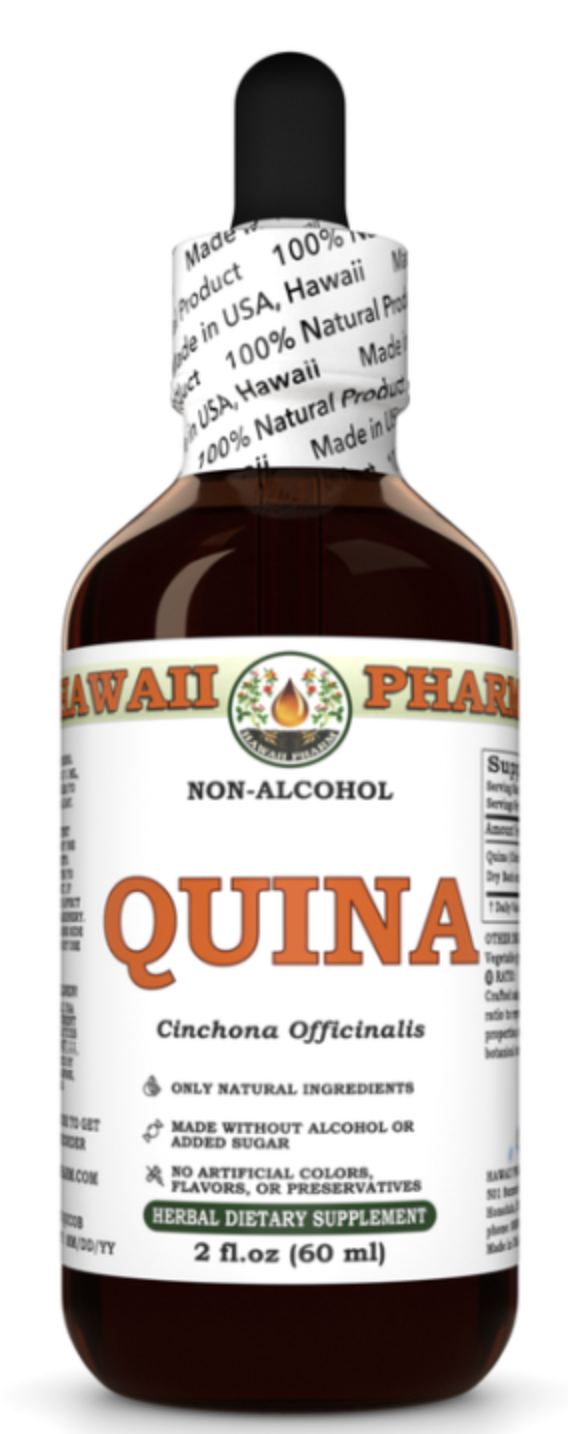
Click here to buy Cinchona bark tincture.
Artemisia annua
After you remove the Cinchona officinalis from the heat, place 4 grams of Artemisia annua / Sweet Wormwood in the water with the Cinchona officinalis as it cools. This is the dose for an average sized adult.Do not place Artemisia annua in the water with the Cinchona bark until you’ve removed the pot from the fire. High heat degrades the most important medicinal substances in Artemisia annua so while Cinchona needs to simmer for 15 minutes, Artemisia should steep in the water only as it cools after being removed from the heat. Artemisia annua works best when it is steeped in recently boiled water as it is cooling.
Wait for 15 minutes and allow the mixture to cool. Then pour it into a bottle of bubbly mineral water. Note that the bottle may bubble over in a volcanic fashion. We recommend that you pour the water from the bottle into an open-mouth glass first with plenty of room for foam at the top and add your decoction to the open-mouth glass to mix together. The Cinchona + Artemisia liquid often causes a reaction of foam that has to sit for a few minutes before you can put the water back into its bottle (if you wish).
Add stevia or monk fruit to this mixture to sweeten it. It is very bitter.
Artemisia annua releases reactive oxygen species medicines that kill a wide array of pathogens including bacteria, viruses, protozoa and more. It works well with Cinchona officinalis to help people overcome many types of infection that are resistant to other types of treatment.
Artemisia annua can also be administered as a tincture. Be aware that HawaiiPharm tinctures contain vegetable glycerin so use the dropper to place the proper dose in a glycerin capsule so as not to clog the pores in your teeth which can cause demineralization. It's okay to consume glycerin as long as it doesn't interact in liquid form with your teeth or your mouth tissues.
Click here to buy Artemisia annua.
How to Administer the Tonic Water to Kill Pathogens
Don’t drink this whole bottle of tonic water all at once. Rather, try to sip at it over the course of about 8 hours for best results. Note that patients with malaria take the same dose of the tonic water hourly for 8 hours every day for at least 10 to 14 days. (Malaria is a hemolytic pathogen too.)Do not take vitamin C within 2 hours of consuming this beverage to prevent the vitamin C from canceling out the reactive oxygen species antibiotics in this medicine.
Red Wine and Red Meat
In addition to working with Cinchona and Artemisia, you should also drink red wine with meals and perhaps also between meals during your initial treatment to increase copper levels despite digestive system inflammation that you might be battling. Red meat contains iron in a bioavailable form that the body is better able to use after developing an iron deficiency. Don’t take iron supplements and be aware that copper supplements often fail to deliver health-wise in patients with dental deterioration for reasons that we haven’t yet figured out yet.Note that children can also drink small doses of red wine for dental issues and for fever or anemia symptoms. Indeed, intermittent fever can be caused by iron deficiency and copper deficiency in children. Red wine (administered in small doses throughout the day) is an old remedy for children’s fevers that works very well to treat this problem (it helps to cure the underlying issue). Red wine and whiskey were used in the pre-vaccine era as part of an effective cure for diphtheria, for example.
Note that alcohol improves the body’s ability to absorb and use sugars and other nutrients. If you suffer from alcohol addiction, be sure to read about the relationship between alcoholism and insulin resistance at . Many people who suffer from alcohol addiction use alcohol as a substitute for insulin. We recommend working with red wine as a nutrient source that’s combined with alcohol. It is based on historical records of how people cured and prevented disease before the development of the AMA (American Medical Association).
Green Coffee Extract or Green Coffee Drink
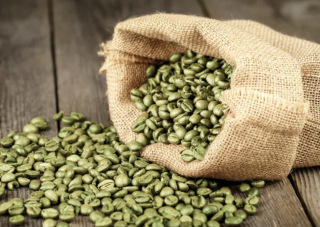
Green coffee contains quinic and chlorogenic acids that slowly, over the course of time, reduces inflammation in the digestive system. Green coffee also contains both iron and copper in bioavailable forms that can help the body rebuild its supply of these vital nutrients safely as the digestive inflammation abates.Iron and Vitamin B12 Warning
Many people who have iron deficiency anemia think that taking iron and vitamin B12 will help overcome the problem safely so that they can bypass the treatment we’re recommending above. Our personal experience (we learned this the hard way), is that if you try to rebuild your blood supply too quickly without killing the pathogen that’s causing the underlying iron or copper deficiency, the pathogen can multiply quickly (by eating all of those new red blood cells) to cause serious disease.Though vitamin B12 is an important nutrient to administer as a part of your treatment for dental health and iron deficiency and copper deficiency (and anemia), administer about 5000 mcg of vitamin B12 topically using dimethylsulfoxide / DMSO over the course of about a week (about 1000 mcg per day). The next week administer another 5000 mcg with DMSO. Be sure to learn more about vitamin B12 deficiency that occurs as a result of digestive system inflammation (Crohn’s disease, ulcerative colitis, celiac, and also low-level inflammation that may not always be noticeable) or simply middle age. Most adults over the age of 50 years and some young children may need topically administered vitamin B12 that bypasses the problem of poor absorption in an inflamed digestive system.
Also note that taking iron to treat iron deficiency anemia (including iron IVs) is like providing food for pathogens that require iron in order to thrive. So you don’t want to provide a high dose of iron in supplement-form that your body might struggle to absorb because you don’t know what might happen in terms of pathogenic effects. Instead, drink red wine and eat red meat as medicine if you’re trying to rebuild your teeth, your jaw, or your overall health as a result of these deficiencies.
Copper and Iron Deficiency in Women and Children
Dental cavities are correlated with iron deficiency because teeth that don’t receive a proper blood supply that contains a balance of red blood cells won’t be able to remineralize themselves no matter how hard you try to restore them. Both women who menstruate and thus lose blood every month and children (who are still growing) are more at risk of developing iron deficiency, vitamin B12 deficiency, and copper deficiency. As a woman, if you are treating yourself for iron deficiency anemia and copper deficiency due to health problems including poor dental health, be aware that your progress might seem to be on a 2-week cycle due to ovulation, the buildup of uterine blood and later menstruation.Children who are iron deficiency or copper deficient often have symptoms of autism, ADHD, or cognitive delays. Restoring proper iron and copper to the body by treating underlying pathogens will improve their behavior, their concentration, and their ability to fight other serious illnesses. In children, iron deficiency makes dental cavities three times more likely. Remineralize teeth in both children and adults by treating underlying, low-level infectious hemolytic pathogens and pathogens that cause digestive system inflammation. Then, restore copper levels and iron via the diet.
Resources:
• Velliyagounder, K. et al. (2024). Iron Deficiency Anemia and Its Impact on Oral Health – A Literature Review. Retrieved January 26, 2026 from https://pmc.ncbi.nlm.nih.gov/articles/PMC11202564/
• Anquino-Canchari, C. R. et al. (2020). Relationship between iron deficiency anemia and dental caries in schoolchildren of peruvian native communities. Retrieved January 26, 2026 from https://revibiomedica.sld.cu/index.php/ibi/article/view/e509/912
• Fatih, M. T. et al. (2025). Association Between Iron Deficiency Anemia and Dental Caries in Children: A Systematic Umbrella Meta-Analysis.Retrieved January 26, 2026 from https://onlinelibrary.wiley.com/doi/10.1111/jhn.70149?af=R
• Cartwright, G. E. et al. (1957). The Role of Copper in Erythropoiesis. Retrieved January 29, 2026 from https://www.ncbi.nlm.nih.gov/books/NBK224294/
• Zhang, Z. et al. (2024). The impact of copper on bone metabolism. Retrieved January 29, 2026 from https://pubmed.ncbi.nlm.nih.gov/39021399/#:~:text=Abstract,copper%2Dcontaining%20supplements%20and%20biomaterials
• Root-Bernstein, R. et al. (2008). Antigenic complementarity between coxsackievirus and streptococci in rheumatic heart disease and myocarditis. Retrieved January 29, 2026 from https://www.researchgate.net/publication/5243085_Antigenic_complementarity_between_coxsackie_virus_and_streptococci_in_rheumatic_heart_disease_and_myocarditis