The Chlorogenic Acid in Green Coffee: What It Is and How It Supports Gut Health
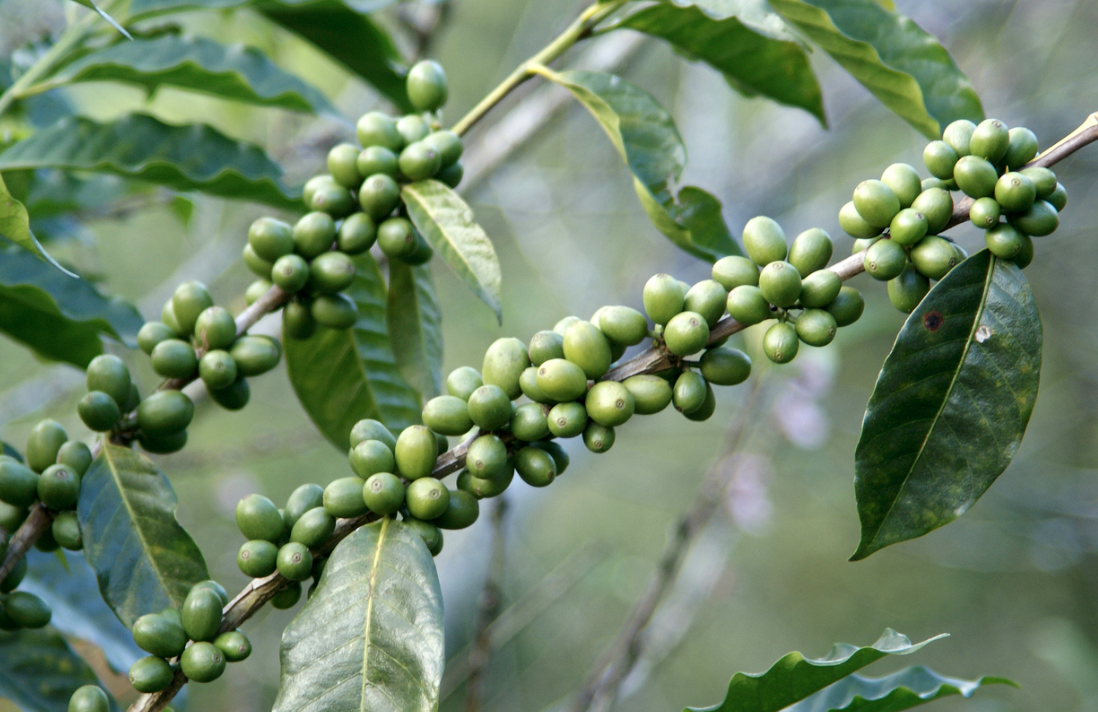 When your kids get sick, you might not think of something like coffee of all things as a possible medicine, but unlike adults, kids often have a paradoxical response to caffeine (this is why kids are given stimulants for ADHD). While adults can become jittery and hyper when they drink coffee, in kids, Coffea arabica, particularly green coffee beans, can reduce hyperactivity naturally while simultaneously treating gut health issues. But during a major illness like a strep infection or diphtheria (also malaria among others), green, unroasted coffee can be used along with Cinchona officinalis to rebuild red blood cells that streptococcal bacteria (and other hemolytic pathogens) destroy during an infection in order to keep themselves alive. Iron-deficiency anemia due to streptococcal infection causes a lot of woe in today's world! Green coffee administered along with Cinchona officinalis can help offset the damages wrought by hemolytic, iron-deficiency-anemia-inducing pathogens.
Historically, scientists thought that quinic acid was inert, but they later observed that it modulated the bioavailability of chlorogenic acids among other things. Chlorogenic acids are a combination of quinic acid and, in turn, have the following medicinal effects on the body:
When your kids get sick, you might not think of something like coffee of all things as a possible medicine, but unlike adults, kids often have a paradoxical response to caffeine (this is why kids are given stimulants for ADHD). While adults can become jittery and hyper when they drink coffee, in kids, Coffea arabica, particularly green coffee beans, can reduce hyperactivity naturally while simultaneously treating gut health issues. But during a major illness like a strep infection or diphtheria (also malaria among others), green, unroasted coffee can be used along with Cinchona officinalis to rebuild red blood cells that streptococcal bacteria (and other hemolytic pathogens) destroy during an infection in order to keep themselves alive. Iron-deficiency anemia due to streptococcal infection causes a lot of woe in today's world! Green coffee administered along with Cinchona officinalis can help offset the damages wrought by hemolytic, iron-deficiency-anemia-inducing pathogens.
Historically, scientists thought that quinic acid was inert, but they later observed that it modulated the bioavailability of chlorogenic acids among other things. Chlorogenic acids are a combination of quinic acid and, in turn, have the following medicinal effects on the body:
- Improve insulin sensitivity
- Antihypertensive / they lower blood pressure
- Free radical scavenger that’s more powerful than vitamin E
- Neuroprotective - can be useful in treating neurodegenerative diseases by protecting dopamine neurons
- Reduce symptoms of PTSD-like anxiety
- Anticancer (chlorogenic acids inhibit cancer cell proliferation and disrupt the cell cycle)
- Antimicrobial
- Antibacterial
- Antiviral

Click here to schedule a health coaching call with us.
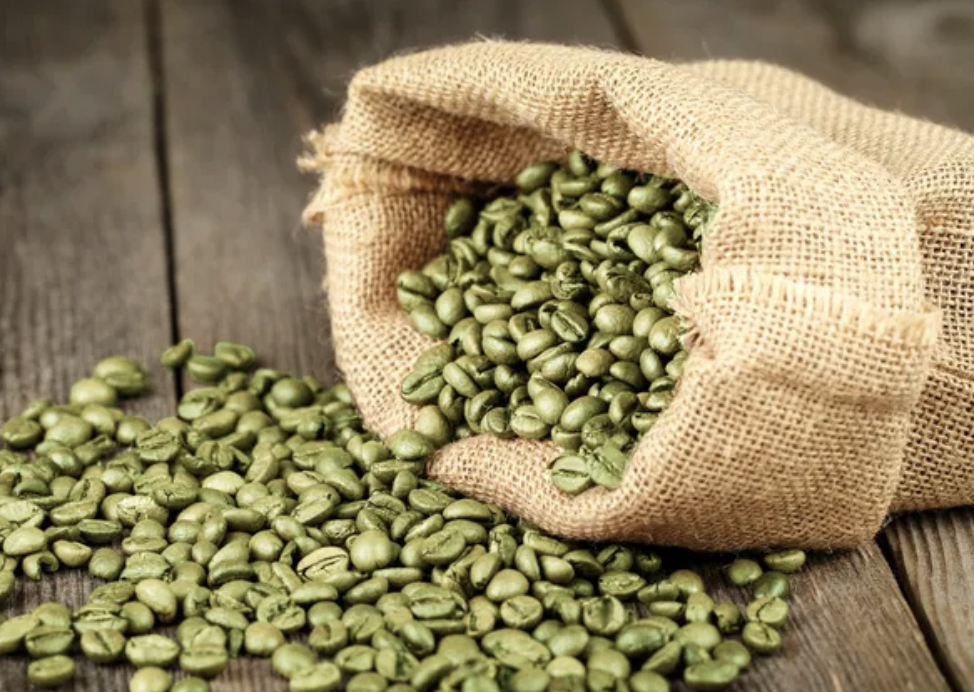
Chlorogenic acid, like quinic acid, is found in Cinchona officinalis along with other medicinal substances like quinine. But quinic acid modulates the body’s absorption of the medicinal agents found in a whole plant. So when you take quinine by itself as a drug in pill form from a pharmaceutical company, the quinic acid that exists in combination with quinine isn’t modulating the dose of quinine or how your body uses the quinine. When you take Cinchona officinalis, a combination of different substances work together with the body’s innate intelligence to make sure that the final result of treatment is balancing and healing. This is not to say, of course, that you can disregard dosing recommendations for Cinchona officinalis as a whole plant. Most people take a very small dose of this plant daily to treat infection because it’s so powerful. But Cinchona is much more forgiving in terms of dose than quinine. The consumption of green coffee can be traced back to Ethiopia, but the beverage that we drink today (usually roasted, not green coffee beans) originated in Yemen where it was harvested, roasted, and brewed. Green coffee beans are high in chlorogenic acids as well as quinic acids that are released when the coffee beans are roasted. The higher-than-usual quantity of chlorogenic acids has anti-inflammatory effects on the gut.
Click here to buy The Renegade Parent’s Guide to Children’s Health and Healing - Encyclopedia of Herbal Remedies.
The Sufi Muslims used roasted coffee in the 1400s to aid their concentration during nighttime prayers and it slowly spread across Arabia toward Mediterranean trade routes. Coffee eventually made its way to Europe and later, North America, but it is best known in its roasted, low chlorogenic form. The young, green, unroasted or light-roasted coffee beans have medicinal properties that have been known since the 1600s. At that time, healers were recommending the use of green coffee to cure “nervous disorders” and mood problems as well as to treat issues with the stomach. This makes sense because gut health influences mental and emotional health. Coffee (green or roasted) was administered to “clear the head” or produce more focus in patients who were “nervous”. And while physicians at that time didn’t know that coffee was helping the gallbladder “dump” and release its toxins, in fact, their observation that this drink alleviated discomfort felt in the stomach (though caused by gallbladder issues) is correct. Indeed, for pregnant women or anyone suffering from gallbladder issues, a few sips of coffee (green or roasted) just before eating can make meals much more enjoyable and digestion much more efficient. Green coffee and roasted coffee can be medicinal. Indeed, it is the roasted, dark version that most people use to overcome gallbladder pain and discomfort before eating. If your gallbladder is acting up, a sip of roasted coffee right before or with meals can make a huge difference in terms of overcoming digestive discomfort. Roasting the coffee beans causes the powerful anti-inflammatory chlorogenic acids to degrade into quinic acid (which also have their own unique medicinal effects too as we’ve discussed elsewhere). In other words, green coffee is higher in chlorogenic acids while roasted coffee is higher in quinic acids.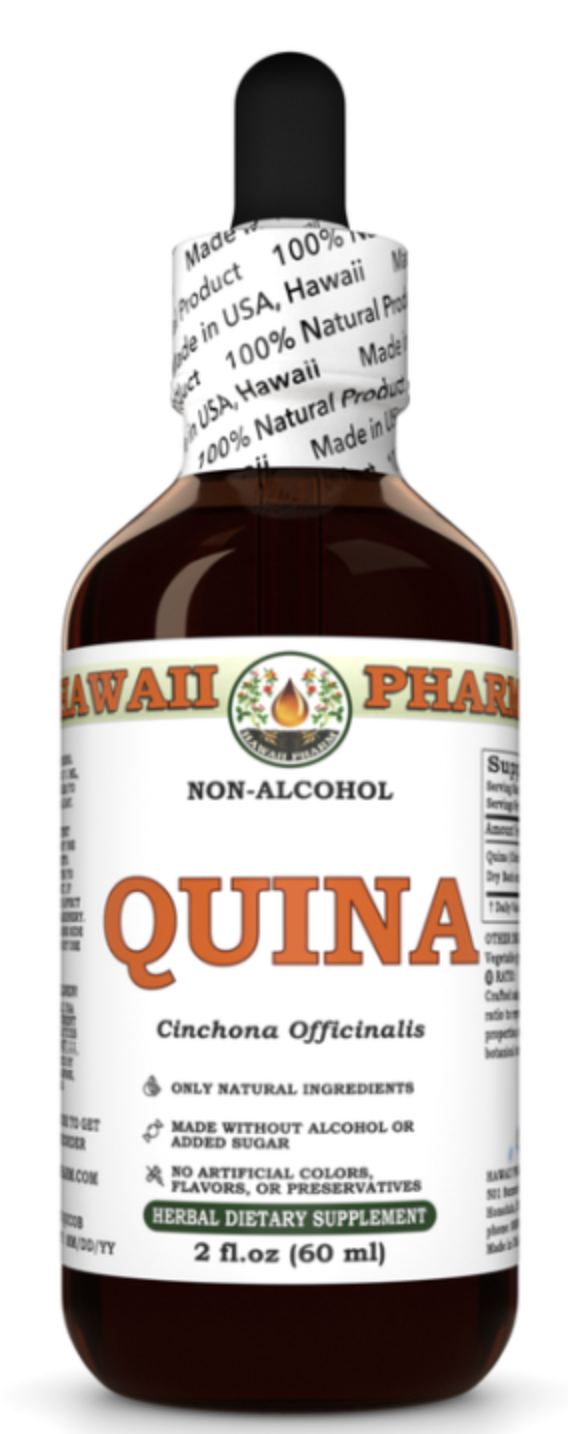
Click here to buy Cinchona bark tincture.
Green coffee is a weight loss aid in addition to its anti-inflammatory effects on the gut. However, if you drink green coffee to get rid of digestive system inflammation, improvements that take shape as a result in your general state of health will certainly make it easier for you to exercise and eat well so as to lose weight. During a childhood illness like scarlet fever, strep throat, measles, etc., green coffee can provide a mild-flavored source of liquids that have an anti-inflammatory effect on the body. Green coffee can be administered orally as a drink (sweeten it a bit and add ginger “beer” for kids) or as an enema if the child is not already drinking enough fluids. The addition of ginger “beer” (which is not actually beer, but rather just a fermented ginger drink) along with maple syrup is an excellent nutritive drink for sick kids as the fermentation and chlorogenic acids can enhance the uptake of nutritional substances like trace amounts of iron in the green coffee and maple syrup (choose authentic maple syrup for the recipe below) to rebuild blood after a hemolytic infection.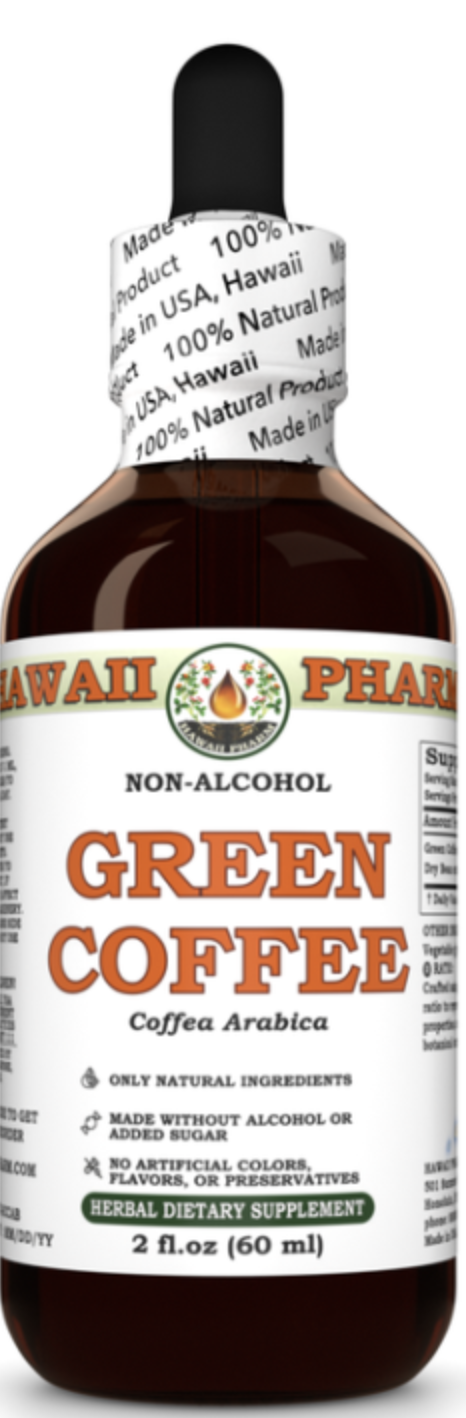
Click here to buy Green Coffee Extract.
Green Coffee, Ginger Beer, and Maple Syrup Remedy
For nausea, vomiting, and diarrhea treatment using green coffee, combine equal parts of freshly brewed green bean coffee (120 grams) with a low-sugar, fermented (but alcohol-free) ginger beer (120 grams). Add 420 grams of sparkling, bubbly water and 60 grams of the spiced simple spiced maple syrup recipe below: Combine the following ingredients in a pot:- 200 g Maple syrup
- 5 g Star Anise
- 5 g Cloves
- 200 g filtered water
Using Green Coffee to Overcome Anemia Naturally
Iron-deficiency anemia is often a serious, unidentified cause of lethargy in children who have recently been ill and it can be a serious impediment to a child's ability to overcome an illness. This is also true in adults, especially women of child-bearing age who are still menstruating. Iron deficiency anemia is no joke. It creates people to really languish in a state of exhaustion that can literally last for the rest of that person's life because of the actual underlying cause (a subject that we cover in another post). Never take iron for iron-deficiency anemia. Rather, look for foods that are rich in both iron and copper or...foods that rich in just copper to overcome iron-deficiency anemia. Green coffee fits this bill. It contains a little bit of iron and little bit of copper and it lowers gut inflammation to make these nutrients more bioavailable during an illness. If you are trying to overcome iron-deficiency anemia, which can also caused or be related to chronic gastrointestinal inflammation, this drink can reduce gut-inflammation to improve the body’s ability to absorb iron (via its copper content), other nutrients, and medicines. Portugal and Brazil often combine green coffee grounds and tamarind, both high in quinic acid, in sauces and vinegars. In other words, you can administer green coffee medicinally as a food if you know how to prepare it. In Ayurveda, high levels of quinic acid seems to be associated with removing “Ama” or “sludge” in the liver or gallbladder without overly stimulating Agni (fire). Coffee is more pungent and heating according to Ayurveda and often should be avoided by those who are more Pitta or Vata if you’ve been properly diagnosed as one or the other by a professional. Roasted coffee in the winter months can increase “fire” and “warmth” (Agni) in the body but in the summer, roasted coffee should be avoided. In the autumn, sour fruits are recommend to balance Kapha and that includes fruits that contain quinic acids, which are naturally sour. Quinic acids in traditional medicine and ethnic foods, seem to play a role in modulating the effects of other nutrients and medicinal substances found in foods and medicines. Seasonality and an awareness of natural cycles is relevant in terms of quinic acid effects and the body’s need for this substance in food and whole-plant treatments, something that we discuss in greater detail later.Resources:
• Ghasemi-Dehnoo, M. et al. (2023).Quinic acid ameliorates ulcerative colitis in rats, through the inhibition of two TLR4-NF-kappaB and NF-kappaB-INOS-NO signaling pathways. Retrieved January 17, 2026 from https://pmc.ncbi.nlm.nih.gov/articles/PMC10408368/