Naturally Heal the Vagina after Menopause or Pregnancy: How to Overcome Vaginal Dryness, Bacterial Vaginosis, and More...
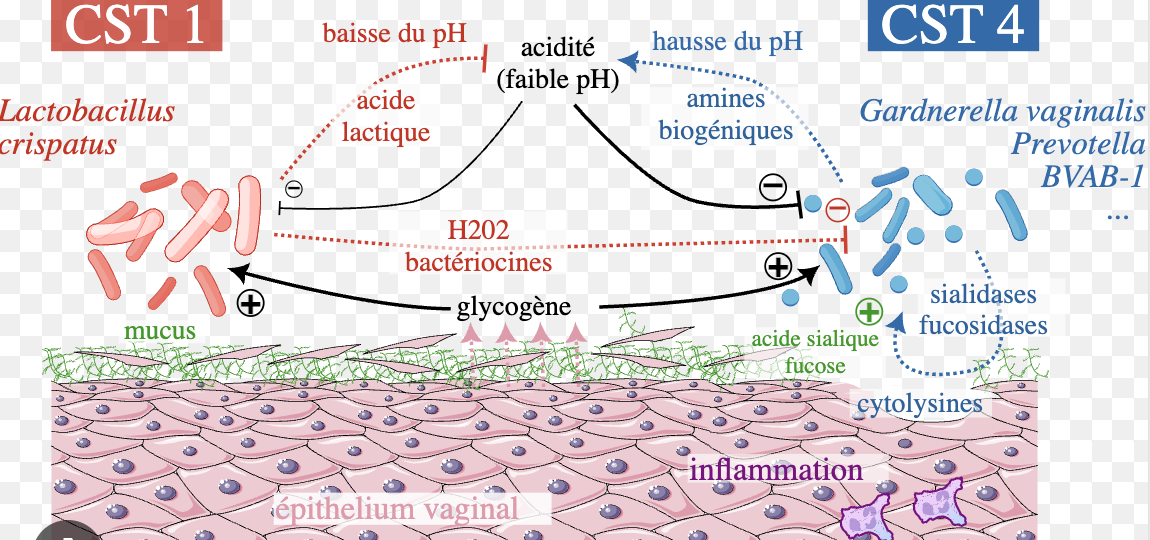 Women of reproductive age have a vaginal pH of between 3.8 to 4.5, but at menopause, vaginal pH becomes more alkaline as estrogen levels decrease. Lower levels of estrogen, in turn causes a thinning of the vaginal lining and diminished lactic acid production by lactobacilli. The change in vaginal pH, estrogen levels, and thinning of the vaginal tissues can make the vagina more susceptible to infection.
In young women, the pH of the reproductive tract exists as a gradient that is acidic in the vaginal canal, becoming more alkaline moving upward into the uterus. Lactobacillus is the dominant bacteria in the ecosystem of a healthy vagina in women both young and old that helps to maintain a balanced pH.
The ecosystem of the vagina and the uterus is intricate and multifaceted and it directly impacts women’s health. This community of microorganisms include bacteria, fungi, viruses, and yeast that impact the body in a holistic way throughout the lifespan of a woman and that also impacts fertility. A number of factors can impact the microbiome of the vagina and the uterus including:
- Age
- Race
- Hormonal changes
- Sexual activity
- Contraceptive use
- Antibiotics

Click here to schedule a health coaching session with us.
The Lactobacillus genus of bacteria typically assert dominance in the vaginal community. They produce lactic acid to help keep the acid pH of the vagina intact and at a low level in the outer periphery of the reproductive tract, in the area of the woman’s reproductive organs that are exposed directly to the outside world. This low pH between 3.8 to 4.5 acts as a front-line defense against bacterial vaginosis, yeast infection, and even sexually transmitted diseases. When the pH goes up, the vaginal canal as well as the uterus become more susceptible to infection.During the transition to menopause, lower levels of estrogen can lead to issues that are ultimately caused by changes in the vaginal microbiome including atrophic vaginitis, urinary tract infections, and vulnerability to sexually transmitted diseases. Lower estrogen levels lead to thinning vaginal tissues. Thinning vaginal tissues, in turn, make the vagina susceptible to infection with bacteria such as Gardnerella. Gardnerella infections then obliterate the Lactobacillus colonies in the vagina that normally keep the acidity of the vagina at normal levels. In order to recover normal vaginal function after menopause, you have to restore the normal bacterial flora to the vagina while lowering / acidifying vaginal pH and administering local, natural forms of estrogen to the vaginal tissues while they rebuild.
Probiotics have been studied as a possible treatment for disruptions in the acidic pH of the vagina and some products exist to balance pH and to administer probiotics directly to the vaginal tissues. Studies have shown that probiotics and pH balancing supplements like boric acid can foster Lactobacillus recolonization which can be particularly useful during the transition to menopause as they can prevent vagina dryness and painful intercourse sometimes. Probiotics can be administered by mouth or vaginally, but vaginal probiotic suppositories are subject to more stringent regulations and are recommended in this case if you can obtain them.

Click here to subscribe to the Living Database now.
Orally administered probiotic strains that improve vaginal flora after menopause include:- Lactobacillus rhamnosus GR-1
- Lactobacillus reuteri RC-14.
In women of reproductive age between 18 to 45 years of age, oral probiotics containing Lactobacillus paracasei LPC-SO1 have a noteworthy impact on the presence of bacteria including a decrease in Gardnerella and an increase in Lactobacillus gasseri.
Gardnerella vaginalis is one of the bacteria that signals that the vaginal microflora is disrupted. It is not always the main colonizing bacteria, but its presence can cause significant suffering in some women. Bacterial vaginosis accompanied by colonization by Gardnerella vaginalis can be treated using boric acid vaginal suppositories daily for 60 days to remove biofilms and other bacterial pathogens in the vagina. Boric acid works by changing the pH of the vagina to inhibit biofilm, bacterial enzyme production, and to alter the permeability of the cell walls.
NOTE: Avoid intercourse and oral sex for 24 hours after inserting a boric acid suppository.
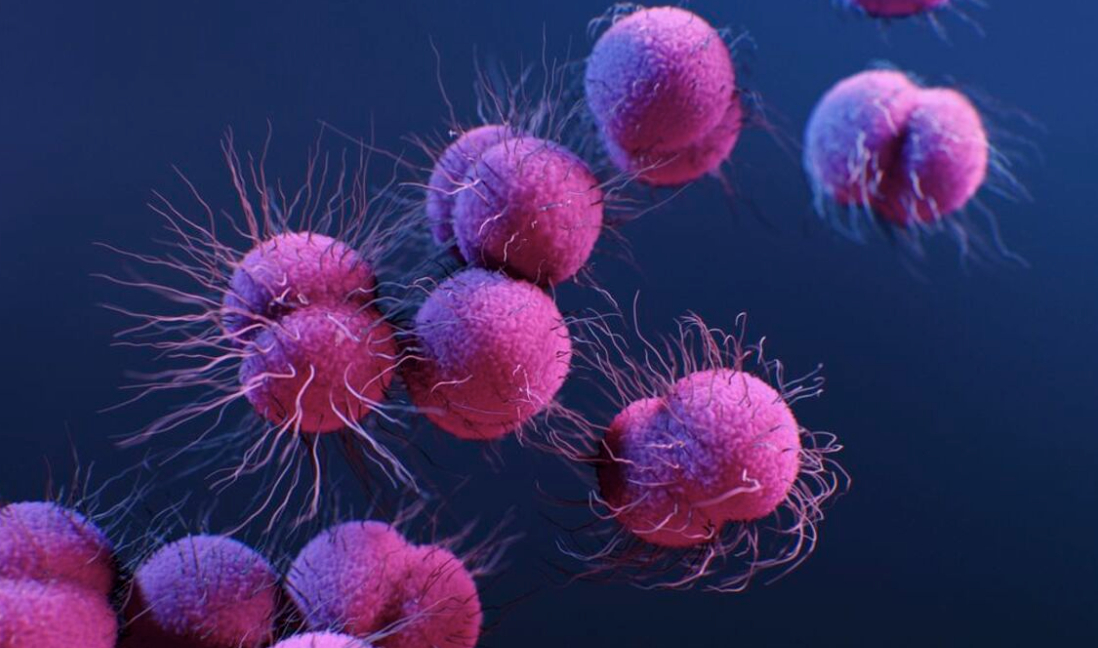
Gardnerella vaginalis is pleomorphic which means that it can change shape based on pH level. It is normally observed as a gram-negative rod-shaped bacteria in women with cervicitis and it can produce a bacterial toxin known as vaginolysin. Vaginolysin is a cholesterol-dependent cytolysin toxin that is able to produce pores in cholesterol-rich cellular membranes. Vaginolysin has a cytolytic activity against human red blood cells which allows the Gardnerella vaginalis bacteria to gain access to iron via the blood-rich endometrium. Vaginal and cervical tissues are damaged by vaginolysin leaving them tender and vulnerable to infection. Indeed, the vaginolysin toxin released by Gardnerella contributes to the virulence of the Neisseria gonorrhoeae.
Theoretically, Gardnerella bacteria could change shape into the Cryptocides mycobacterium that looks and behaves like the cancer-causing pathogen to produce a false-positive on a pregnancy test as cancer cells do produce hCG. Candida, Trichomonas vaginalis, and Gardnerella all produce symptoms of pregnancy and theoretically, under certain conditions, if cancer cells are even transiently present, they could produce a false-positive on a pregnancy test in women of reproductive age.
Indeed, if you have vaginal cancer or any type of reproductive organ cancer, as a woman (this would include uterine cancer, breast cancer, or ovarian cancer), boric acid suppositories along with the administration of probiotic strains of bacteria (yogurt can be a good resource for this) can make a positive difference in the trajectory of the disease.
Estrogen and Vaginal pH
Estrogen plays a role in maintaining vaginal pH, in part through its impact on Lactobacillus bacteria. Estrogen promotes the growth of vaginal tissues to make them less fragile and more robust which in turn, promotes the presence of Lactobacilli. When women go through major hormonal transitions such as those involved with pregnancy or menopause, the change in estrogen levels can lead to a temporary decline in Lactobacillus bacteria. In order to re-establish a proper population of Lactobacillus, probiotic supplementation or vaginally administered, sugar-free, plain, organic yogurt may be necessary.
Click here to do a free trial of EMDR to Release Trauma.
Royal Jelly and Yogurt to Rebuild the Vaginal Biome
Estrogen plays an essential role in maintaining vaginal pH as well as healthy vaginal tissues. The presence of Lactobacilli in an acidic milieu along with local application of royal jelly, as a natural source of exogenous estrogen can help women re-establish a healthy vaginal biome after going through a major hormonal transition whether is be due to menopause or postpartum transitions.Women who are experiencing vaginal dryness or discomfort during intercourse following pregnancy or as a result of menopause can restore the vaginal flora by administering an organic, sugar-free, plain yogurt inside the vagina along with pure royal jelly daily. Royal jelly is produced by bees and it contains a small amount of natural estrogens to help the vaginal tissues rebuild itself. Administer boric acid vaginal suppositories nightly for up to 2 months and then in the morning, administer yogurt and royal jelly to the vulva and just inside the vagina to help re-establish lactobacillus colonies at the same time.

Click here to learn more about the DreamLight.app, an online guided meditation and brain-entrainment tool.
Resources:
• Lykke, M. R. et al. (2021). Vaginal, Cervical, and Uterine pH in Women with Normal and Abnormal Vaginal Microbiota. Retrieved July 2, 2025 from https://pmc.ncbi.nlm.nih.gov/articles/PMC7909242/
• Silva, V. F. et al. (2024). Oral probiotics and vaginal microbiome in post-menopause women: an opinion for the improvement of natural therapies in gynecology. Retrieved July 2, 2025 from https://pmc.ncbi.nlm.nih.gov/articles/PMC10768674/
• Amabebe, E. and ANumba, D. O. C. (2018). The Vaginal Microenvironment: The Physiologic Role of Lactobacilli. Retrieved July 2, 2025 from https://pmc.ncbi.nlm.nih.gov/articles/PMC6008313/#:~:text=The%20physiological%20status%20of%20the,on%20reproduction%20is%20also%20outlined.