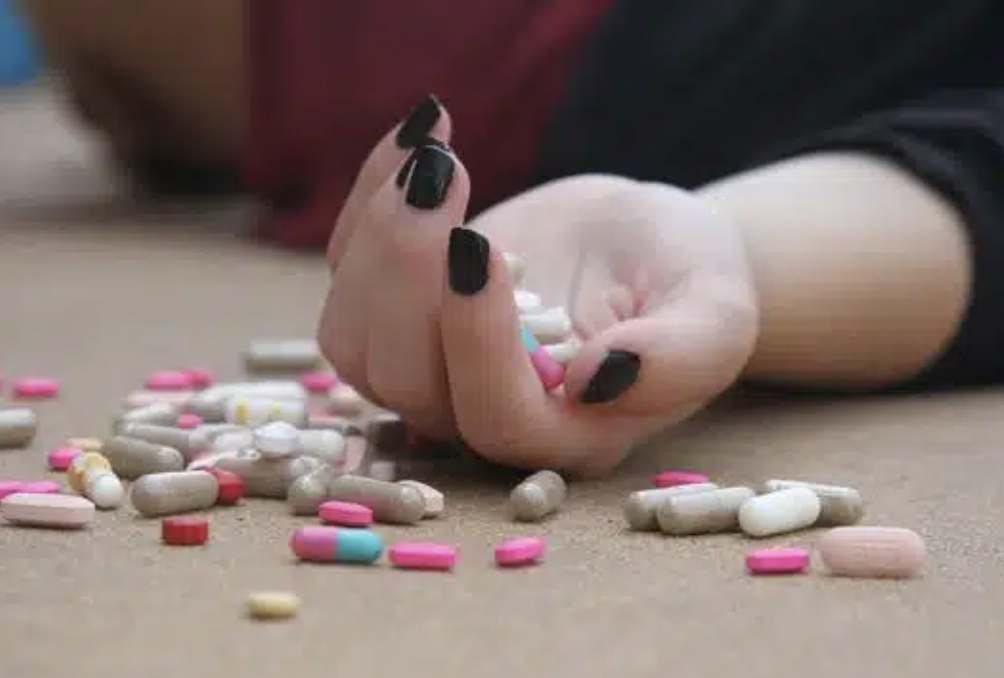
 Amphetamines comprise a wide variety of drugs and include both certain prescription medications as well as popular street drugs. These highly addictive substances include:
- Methamphetamines
- Methylphenidate (Brand names: Ritalin, Concerta, etc.)
- Adderall (a combination of amphetamine and dextroamphetamine)
- Ephedrine
- Amphetamine sulfate (AKA “speed”)

Click here to schedule a health coaching call with us.
Amphetamine addictions cause the brain to release excess dopamine. This release of dopamine is what produces the “high” and the abundance of energy that these drugs generally create. However, too much dopamine is released when an amphetamine is taken, and so the user has to seek out the drug in order to feel the same way again. Thus, a brain that has been exposed to cocaine or an amphetamine drug needs to produce more dopamine very quickly. Because a normal, healthy brain can only release a certain amount of dopamine at a time this means that when too much dopamine is released, the brain can’t keep up with dopamine production. This is a toxic cycle that can cause the dopamine receptors in the brain to “close”, deteriorate or even die.That being said, dopamine receptors can also regrow, reopen, and they can heal after deterioration.
Amphetamines override the natural rhythm of dopamine release, but there are specific supplements that can reset and support the natural production and release of dopamine in the brain which means that you can feel good and focused without needing an amphetamine to foster concentration for you. With herbal and vitamin support, your body can relearn how to produce dopamine in the proper amounts and then release it at the right times and in the right quantities.
Click here to learn more about the DreamLight.app, a guided meditation and brain-entrainment tool.
When overcoming an amphetamine addiction, Mucuna pruriens (when combined with vitamin B6 and an amino acid supplement) is one of the most helpful tools to use to overcoming amphetamine addiction. People addicted to amphetamines should take the following supplements daily:
- Mucuna pruriens - Take 6000mg daily throughout the day. In other words, take 1500 mg upon waking, 1500 mg again at noon, 1500 mg at 3:00 pm, and finally 1500 mg at 6:00 pm or at bedtime.
- Kudzu - Take 1200 mg in the morning and at night.
- Vitamin B6 - One of the most important vitamins that must be present in sufficient quantities to convert Mucuna pruriens into dopamine is vitamin B6. You need to get at least 25-40 mg of vitamin B6 daily. We recommend taking no less than 100 mg of vitamin B6 daily to overcome a stimulant addiction. Take 1 dose of this vitamin B100 complex daily along with the multivitamin below to fulfill this daily requirement.
- Multivitamin - Thorne Research multivitamins are an excellent choice for restoring cardiovascular, dental, and bone health following an amphetamine addiction.
- Amino Acid supplement - Take 1 dose per day separately from the Mucuna pruriens supplement. Taking this supplement at the same time as the Mucuna could prevent the L-Dopa in Mucuna from passing the blood-brain barrier.
- NAC (N-acetylcysteine) - Take 1000 mg every 3-4 hours
- Magnesium - Take 400mg in the morning and 400mg at night.
St. John’s Wort and 5-HTP can be valuable supplements for amphetamine addicts who are working to balance their serotonin and dopamine levels (these two supplements help the body produce serotonin), however they should only be used after you are able to exercise control over your addiction. And these two supplements (5-HTP and St. John’s Wort) should be avoided if you also take other types of drugs like benzos or opioids too. Do not take either of these supplements until you’ve been clean for at least 2 weeks and do not take them if you feel there’s a chance you might relapse (to avoid Serotonin Syndrome).
Below are two more anti-addiction supplements that can help with overcoming amphetamine addiction by boosting acetylcholine and serotonin levels:
- 5-HTP - This supplement increases the amount of available serotonin in the brain. Do not take this supplement if you are taking an MAOI or SSRI and wait until you are at least 2 weeks clean and do not feel like you’re going to relapse before taking this supplement.
- Gotu Kola -(Centella asiatica) - This herb helps boost acetylcholine levels in the brain to make it easier to think and to study.
There are two supplements that will help you sleep at night while also acting as neuroprotective agents during withdrawals and detox:
- L-Tryptophan - Take 1000 mg at night 1 hour before bed.
- Melatonin - Take a 40-100 mg of high-dose melatonin before bed. Do not turn on the lights or expose yourself to light from electronic devices after taking melatonin for best results. Consider taking half of the full dose of melatonin (50 mg) at the beginning of the night and the second half of the dose (another 50 mg) if you wake up in the middle of the night.
Trauma-Informed Therapies and Treatments During Addiction Recovery
Trauma-informed therapy is somatic and body-oriented. This type of therapy may involve some “talk” but the talk is very different than what happens in a talk-therapy session with a psychologist or psychiatrist. In order to overcome an addiction to amphetamines, you have to release trauma. For this aspect of an amphetamine addiction, we recommend psilocybin microdosing if you’re doing the work at home alone.The release of trauma is essential if you want to overcome an addiction permanently. Trauma is unconscious so most people aren’t fully aware of what their traumas are. That’s why talk-therapy doesn’t work to treat addictions. In order to be totally free of cravings and get your life back under your conscious control, you have to release the unconscious material that’s driving the addiction.
Click here to do a free trial with EMDR online.
Trauma-informed therapies tend to be incredibly gentle, yet powerful in their effects. Eye Movement Desensitization and Reprocessing (EMDR) is one type of therapy that can produce powerful effects within a very short period of time. Brain entrainment and guided meditations are another example of trauma-informed therapy that works by modulating the body’s response to stress. But while trauma-informed therapies like craniosacral therapy, brain entrainment, or EMDR are powerful, the most powerful way to release trauma is to work intensively with the sacred indigenous medicines. These medicines include:- Ayahuasca
- Psilocybin
- San Pedro
- Iboga
- Sapito
The sacred indigenous medicines work on many levels to heal the brain and help you produce new neural connections that can make it infinitely easier to “just say no” to a drug. These medicines release trauma and help you integrate that trauma so that the trauma becomes a source of wisdom rather than something that works against you all the time.
Whenever you work with medicines to rebuild and restore dopamine receptors, it’s vital to also work with trauma-release in some form as the restoration of dopamine receptors will grant you a new level of access to your unconscious trauma. The combination of dopamine receptor healing combined with trauma-release is a powerful, life-changing protocol that will help you overcome addiction along with changing your life in positive ways.
To learn more about how to use these supplements and treatments properly to overcome addiction, learn more about the Mucuna pruriens protocol here. Or click here to buy our Mucuna pruriens video course.