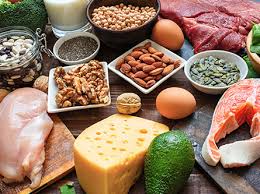
 Eat to End Addiction: How Food Can Heal the Opioid-Damaged Brain
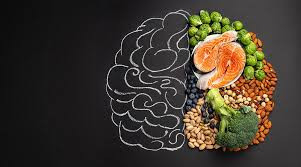
The Anti-Opioid Addiction Diet is based on scientifically proven nutrient deficiencies that are common in individuals who take opioids, as well as on information about the nutrients that addicts need in order to recover effectively from an addiction of any kind. Depending on your individual constituency and preferences, you may or may not choose to follow these dietary guidelines over the long-term, but the dietary principles discussed here can help you rebalance your brain and body more quickly and effectively immediately before, during, and after the opioid withdrawal process. Ideally, this diet should be followed for at least 6 months following quitting opioids so as to give your body enough time to actually start taking in and utilizing the nutrient resources in the food you’re eating.
In the early stages of opioid withdrawals, muscle wasting and nutrient deficiency symptoms are common, so it’s important to support the recovering person with a diet that is rich in specific nutrients, as well as in protein. Frequent meals and snacks are recommended by experts in opioid addiction treatment. The right “happy” foods (chocolate specifically) can also be used to “trigger” the dopaminergic system early in recovery in order to help the patient resist the urge to use opioids; this strategy has been used successfully in Alcoholics Anonymous groups for many years. That being said, it’s preferable that these “happy” foods are still as healthy and nutrient rich as possible (i.e. chocolate avocado pudding vs a store-bought pudding cup).
If you’re working with a loved one who is struggling with opioid addiction, diet can sometimes be a good place to start, since it’s something that most people can comprehend and which can be started discreetly in a household through small (but significant) changes to meals. It can also be helpful to start with diet before introducing the idea of supplements; there are nutrients in food, too, after all, and when used judiciously, diet can help a person addicted to drugs to get enough “brain food” in order to feel comfortable working with other medicines to break the addiction or to feel ready to quit drugs in the first place.
Nutrient Deficiency in Opioid Addiction / Opioid Use
Individuals who take opioid drugs, especially long-term or in high quantities, are known to be deficient in the following nutrients:- Vitamins
- Thiamine / Vitamin B1
- Riboflavin / Vitamin B2
- Niacin / Vitamin B3
- Pyridoxine / Vitamin B6
- Folate / Vitamin B9
- Vitamin B12
- Vitamin A
- Vitamin C
- Vitamin E
- Vitamins K1 and K2
- Minerals
- Calcium (NOTE: Do not supplement with calcium! You can take in more of this nutrient via natural dietary sources, but it’s unsafe to take in supplemental calcium via a dietary supplement or calcium-fortified foods)
- Magnesium
- Selenium
- Zinc
- Other Nutrients
- Cholesterol
- Essential fatty acids
- Amino acids (all)
The ketogenic diet can help restore these nutrients in the body, especially when combined with a supplementation protocol that emphasises these specific nutrients.
Basic Guidelines of the Anti-Opioid Addiction Diet
Below are the basic guidelines to follow before, during, and after treating an opioid addiction:- Eliminate fast food and junk foods (i.e. McDonalds, Domino’s Pizza, Starbucks, etc. / i.e. packaged cookies, potato chips, onion rings, chocolate bars, hot dogs, etc.)
- Make conscious, low-carb food choices
- If you need to eat out, opt for salads or dishes made with organic, whole-food ingredients, avoiding anything with refined sugar or corn syrup. Stick to natural, low-carb sweeteners such as stevia or monk fruit—but always read ingredient labels carefully, as many products marketed as “natural” actually contain synthetic sugar alcohols or other chemicals that can hinder recovery and undermine anti-addiction efforts.
- Foods high in sugar, corn syrup, or with a high glycemic index trigger a surge of dopamine release in the brain’s synapses, followed by a sharp drop—a “sugar crash”—that leaves dopamine levels depleted. This crash can set the stage for relapse in individuals recovering from opioid addiction. Avoiding refined sugars and decreasing carbohydrate levels (by following a keto diet, for example) during withdrawal is crucial for anyone seeking to heal naturally from an addiction. Consuming these sugars and carbohydrates rapidly drains dopamine reserves in neurons, causing cycles of dopamine flooding and “drought” that destroy dopamine receptors and increase vulnerability to addictive behaviors overall.
- Always read the “Ingredients” section in the Nutrition Facts area of food labels. Especially avoid foods containing SUGAR or SYRUP (such as white sugar, coconut sugar, corn syrup, rice syrup, etc.).
- Eat a diet rich in organic, low-carb fruits and vegetables and free-range/grass-fed animal proteins. Make sure to wash all fresh produce to remove potential bromide and organophosphate residues. Read more about bromide-containing insecticides and organophosphates in this article.
- Steer clear of caffeine — including coffee, sodas, black tea, and other highly caffeinated beverages. Caffeine can trigger an intense “dopamine storm” in the brain, similar to the effects of sugar or even methamphetamines, and can disrupt healthy neurotransmitter balance. For those recovering from opioid addiction, it can also raise blood glucose levels and sharply reduce insulin sensitivity, worsening any pre-existing hyperglycemic tendencies. For a healthier energy lift, try green tea or Mucuna pruriens. Green tea offers L-theanine, antioxidants, and beneficial plant compounds that promote calm focus and alertness without the jitters often caused by other caffeinated drinks. Mucuna pruriens, a dopamine-rich legume, can be added to meals or taken as a supplement to enhance wakefulness, peace of mind, and concentration. In parts of Central America, it’s even nicknamed “Nescafe” for its energizing effects. If you work with Mucuna, do keep in mind that it’s a bean, and so the carbohydrates in this bean must be factored into your daily carb count if you’re following a ketogenic diet.
- Vegans must switch to a diet (ideally a ketogenic one, or something similar) that contains adequate amounts of animal products.
- Vegan diets—and some vegetarian diets that are especially low in animal products—can increase susceptibility to addictive behaviors because their amino acid profiles may lead to dopamine deficiency. A shortage of key amino acids, particularly L-tyrosine, is a known contributing factor in the development of addictions. Supplementing with the right amino acids can help restore dopamine balance and support recovery naturally.
- Take supportive digestive supplements like pancreatic enzymes, ox bile, betaine HCl + pepsin, and systemic enzymes to keep your entire body healthy and balanced as you increase your dietary intake of animal products.
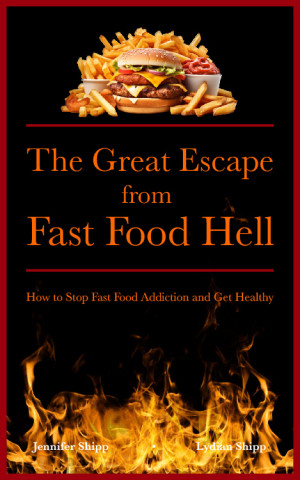
 The Great Escape from Fast Food Hell: How to Stop Fast Food Addiction and Get Healthy - BUY HERE!
Diabetes, Metabolic Syndrome, and How Opioid Use is Linked to Hyperglycemia
Insulin resistance is a major risk for individuals who are addicted to opioid drugs. Indeed, diabetes-like hyperglycemia, along with metabolic syndrome, are extremely common states among opioid addicts, especially those who are in recovery. Opioid addicts who are not yet in recovery, in contrast, can sometimes show signs of hyperglycemia via increased levels of glycosylated hemoglobin. One study even found that the prevalence of metabolic syndrome among individuals addicted to opioid drugs like methadone and buprenorphine can be up to 56% and 34% (respectively) higher than in the general public.While insulin resistance (and related conditions) is prevalent among opioid users, research in Sweden specifically has found that people addicted to opioids aren’t more or less prone to being over- or underweight than other populations; BMIs of all different types have been seen in individuals addicted to opioids. However, in other parts of the world beyond Sweden, most opioid addicts tend toward being underweight.
These discrepancies (and the fact that most opioid addicts tend toward a diet high in sugary and high-carbohydrate foods, in spite of often being quite thin) suggest that the metabolism is altered in people taking opioid drugs. Some experts believe that this may be due to the role that opioids play in lipolysis; one in vitro study found that endogenous beta-endorphin opioids in the body play a crucial role in adipocyte (fat cell) death, and that naloxone, an opioid antagonist, prevented this effect. Thus, it’s possible that exogenous opioid drugs may cause a higher degree of lipolysis, leading to low BMI in opioid users.
Endogenous opioids – or those opioids that are produced naturally by the body – are known to play a crucial role in the regulation of insulin production through interactions with the mu-opioid receptors on pancreatic beta-cells. When exogenous (external) opioids are introduced, these too can interact with the mu-opioid receptors on beta-cells, thus altering insulin production and utilization.
Exogenous opioids can also interfere with the mu-opioid receptors in the hypothalamus, which also is involved with regulating insulin secretion. The dose of exogenous opioids is relevant, however, in terms of the behavior of the hypothalamus, since research shows that high doses of exogenous opioids binding to the hypothalamic mu-opioid receptors inhibit insulin production, while lower doses stimulate insulation production. For example, one study found that subjects who had never taken opioids had a 42.8% decrease in insulin levels (from baseline) as a result of 30 days of morphine administration – an increase in exogenous opioids, in the form of morphine, caused the subjects’ insulin levels to drop by nearly half.
Beyond simply reducing insulin production, opioids also increase glucose production (gluconeogenesis) and inhibit glycolysis by acting against glycolytic enzymes, thus further increasing blood glucose levels.
Although the trend is certainly toward hyperglycemia, some reports of hypoglycemia in cases of opioid use have also been reported. Cases of hypoglycemia are more common in people who only just recently started taking opioid drugs, or alternatively, in cases of overdose (interestingly, these are kind of on “opposite” ends of the spectrum). Use of the opioid pharmaceutical Tramadol has specifically been implicated, as has methadone to a somewhat lesser extent; some experts speculate that the contradictory effects of these two drugs on insulin and glucose in the body may be because both are fully synthetic.
One case report of opioid-caused hypoglycemia suggested that adrenal insufficiency caused by the drug was the cause of the hypoglycemia; in this case, 2 episodes of hypoglycemia, caused by impaired gluconeogenesis, occurred after the patient had been fasting. Another report was when a patient took an overdose of Tramadol, which led to an excess secretion of insulin and subsequent hypoglycemia.

The Budwig Smoothie for Brain Health and Full-Body Healing from Opioid Addiction
Consume Dr. Budwig’s Quark smoothie once per day to boost your omega fatty acid levels in the brain and nervous system. This quick recipe will make a huge difference in your brain health within 2 to 3 weeks if you drink at least 1 Budwig Quark Smoothie every day. This unique healing recipe is also rich in essential anti-opioid addiction nutrients like vitamin K2, vitamins A and E, vitamin B12, and zinc, among others.The Budwig Smoothie is also rich in Omega-3 fatty acids, which have been studied as a potential treatment for opioid addiction. In animal studies, mice who received higher dietary levels of Omega-3 fatty acids exhibited lower anxiety levels and reduced opioid-seeking behaviors, therefore suggesting that this specific nutrient may help ease discomfort during the withdrawal period in addition to preventing relapse.
The Budwig Quark Smoothie is easy to make:
- 3 Tablespoons of cold-pressed, virgin organic flaxseed oil
- 6 Tablespoons of cow’s milk, goat’s milk, or high-fat coconut milk
Blend these two ingredients together in a blender until they’re completely combined and “fluffy”. Then, add 1-2 bananas or another fruit of your choice to the mix to taste (you don’t have to add fruit if you’d prefer to eat the smoothie plain). Eat the Budwig smoothie while sitting in direct sunlight with your skin exposed (without sunscreen) for best results.
Click here to read more about The Budwig Protocol.
Note that the Budwig Smoothie is keto friendly, so it can be an excellent addition to a healing keto diet protocol; consider eating it for breakfast or lunch when the sun is out, or as a midmorning or midafternoon snack.
The Ketogenic Diet for Opioid Addiction
The ketogenic diet can be extremely therapeutic for individuals who struggle with hyperglycemia, insulin resistance or insulin deficiency, and other related issues. The keto diet is famous as a treatment for diabetes, but has also shown promising results in the treatment of PCOS, cystitis, metabolic syndrome, Parkinson’s disease, epilepsy, herpesvirus infections, and even some substance abuse disorders like opioid addiction and alcoholism (among others).This dietary protocol involves eating higher proportions of fats and proteins in the diet, and limited amounts of carbohydrates. As such, people following a keto diet will eat mostly foods like animal products (meats, eggs, cheese, etc.) and plant-based proteins and fats (legumes, oils, etc.), and limit consumption of carbohydrate-rich foods like fruits and certain vegetables. The goal is to transition the body into a state of ketosis, whereby the cells start using ketones instead of glucose for energy production.
Some ancestral diets, like those of the Inuit or Maasai people, are more aligned with ketogenic diet principles in that they consist mostly of fats and proteins with comparatively little carbohydrates. Although the trend in the modern world is toward eating more fruits and vegetables and fewer animal products, the reality is that, for some people especially who have a particular body chemistry, a diet that’s rich in animal products and healthy fats and proteins may prove to be healthier and more sustainable.
Some research suggests that the ketogenic diet may help treat opioid addiction (as well as other types of addiction) by decreasing excess excitatory glutamate levels in the brain while also increasing relaxing GABA levels, specifically in the hippocampus. This effect of the ketogenic diet has also been used to explain its success in treating epilepsy; one study found that the ketogenic diet increased cerebrospinal GABA levels in children with refractory epilepsy, thus alleviating some symptoms of the condition.
Other studies suggest that the ketogenic diet may also, in fact, be somewhat neuroprotective. The keto diet can potentially improve mitochondrial function and reduce oxidative stress, particularly in individuals suffering from addiction, nervous system conditions, or mental health issues. Animal studies have shown that this diet can increase glutathione production by mitochondria – thus facilitating detox and relieving oxidative stress at a cellular level – in addition to reducing mitochondrial release of cytochrome-C.
Glial cell activation can also play a role in neurological damage. This is another way that the ketogenic diet can be potentially neuroprotective, is by altering glial cell morphology and reducing glial cell activation. Production of reactive astrocytes (another cause of progressive neurological damage) can also be inhibited by following a ketogenic diet.
Individuals considering the ketogenic diet for the treatment of opioid addiction may also want to note that the ketogenic diet has been found to actually increase the pain-relieving and locomotor effects of oxycodone. This suggests that the ketogenic diet may be particularly helpful for people who want to gradually decrease their intake of opioid drugs, since this diet may help reduce opioid tolerance and make it easier to reduce opioid intake more comfortably.
The Ketogenic Diet: Potential Differences Between Men and Women
Some research suggests that the effects of the ketogenic diet may differ between male and female individuals. For example, one animal study in mice found that male mice tended to experience positive weight loss more readily on the ketogenic diet than did female mice, in spite of both genders being in ketosis. The same study found that the ketogenic diet made oxycodone (and naloxone) withdrawal symptoms worse in male mice, but that this effect didn’t occur in female mice. However, male mice were more likely to reduce self-administration of oxycodone than female mice while following the ketogenic diet.Basic Principles of the Ketogenic Diet
NOTE: All of the basic guidelines for a healthy diet discussed above still apply here as well. Like with any other diet protocol, junk foods and fast food, refined sugars and artificial sugar substitutes, food colorings/flavorings, and other toxic ingredients should all still be eliminated, for example.Below are examples of foods that can be included in the ketogenic diet:
- Meat and poultry
- Fish and other seafood
- Cheese, eggs, and milk
- Plant-based fats (i.e. olive oil, coconut “butter”, etc.)
- Above-ground vegetables (i.e. avocado, cabbage, tomato, eggplant, mushrooms, spinach, lettuce, etc.)
- Berries (blackberries, blueberries, raspberries, and other berries can be eaten in moderate quantities on the keto diet)
Note that all animal products should be grass-fed/free-range, as well as organic. Fish and seafood products should be carefully chosen and vetted to ensure that they contain as little heavy metal contamination as possible; there are guides online with more detailed information about which types of seafood contain the least heavy metals.
At least 60 grams of protein should be consumed per day. Try to include at least one protein food per meal, and make snacks protein-rich as well, should you need them.
The foods below are foods that should be avoided. Though you don’t have to completely eliminate these foods, they should be very limited in the diet (not because they’re unhealthy, but rather because they’re high in carbohydrates and can interfere with the body’s ability to switch into ketosis if present in too-high quantities). Carbohydrate foods like those below are limited to 20-50g per day:
- Grains (i.e. wheat, barley, oats, rice, corn, etc.)
- Most fruits (i.e. bananas, mangoes, etc.)
- Sugar, honey, agave nectar, dates, and other similar sugar substitutes (stevia and monk fruit, however, are acceptable)
It’s also essential to drink enough water while following this diet. Some sources recommend drinking at least 64 ounces of water throughout the day, if not more than this. If you struggle to remember to drink enough water, get a water bottle with this minimum of 64 ounces and bring it with you everywhere; just keep taking sips of water. A little seawater supplement and some stevia drops, along with a squeeze of lime juice, can make the water a fun “treat” if this is something you require.
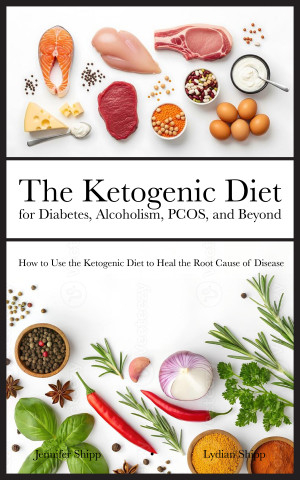
 The Ketogenic Diet for Diabetes, Alcoholsim, PCOS, and Beyond - BUY HERE!!!
The Importance of Fermented Foods
Opioid drugs are known to dramatically alter the gut microbiome and general function of the digestive system; constipation, nausea, vomiting, abdominal swelling, and other digestive system symptoms are extremely common in people with opioid addiction. Opioid addiction can cause these symptoms by tightening the intestines when they’re supposed to be at rest, decreasing bile acid production, and by damaging the epithelium, for example. These various changes can lead to an overgrowth of “bad” bacteria, and can damage the “good”, probiotic bacteria in the gut.Note that the gut is often considered the “second brain” because of its direct and intimate link to emotional and mental well-being. To illustrate this point, most of the serotonin receptors in the body are located in the digestive tract, meaning that our gut health is ultimately directly linked to our feelings of happiness and peace!
In people with opioid addiction, opportunistic bacterial infections of the digestive tract are significantly more common; some of these infections may include Clostridium difficile, Pseudomonas aeruginosa, Salmonella typhimurium, to name only a few documented bacterial infections seen frequently in opioid addicts. In fact, according to a large, cross-sectional hospital study, patients who are prescribed opioid painkillers have an 8:3 risk ratio of developing a Clostridium difficile infection in comparison with patients who aren’t taking opioids!
Opioids are unique in that they can directly interact with special bacterial receptors on pathogenic bacteria cells, like Pseudomonas aeruginosa, thus increasing bacterial spread and encouraging the bacteria to morph into a form that can damage the mucosal layer of the intestinal epithelium. This can lead to problems like SIBO, for example, where bacteria, toxins, and antigens can cross the weakened epithelial barriers in the gut, thus leading to the potential for sepsis and septic shock if left untreated.
Some animal studies have observed that opioid withdrawals can result in an increased risk of immune suppression and septic shock, indicating that the need for rebuilding the intestinal epithelium and microbiome is absolutely essential in order to protect addicts’ health during the recovery process.
So, clearly, the gut microbiome, and rebuilding said microbiome, plays an important role in treating opioid addiction and preventing the potential for harm. Fermented foods with live cultures are the ideal way to help gently and effectively rebuild the gut microbiome. There are a wide range of fermented foods that appeal to all different taste preferences; some examples include things like kombucha, sauerkraut, live-culture yogurt and kefir, sourdough bread, and many others. All of these contain helpful probiotic bacteria, so choose something that appeals to you that you can consume at least once daily in small to moderate quantities. The important thing is that the fermented food you choose contains live cultures, meaning that it contains living probiotic bacteria (you may need to go to a health food store or local farmer’s market to find this, although there are some options available online).
Resources:
• Ruiz, Maryann Kay (2021). Nutritional Concerns in Substance Abuse Disorders. Retrieved June 18, 2025 from: https://foodsystems.uw.edu/wp-content/uploads/2021/09/Ruiz_MS-Capstone-Report_Final_2021.pdf
• N.A. (n.d). Keto Diet Plan. Retrieved July 4, 2025 from: chrome-extension://efaidnbmnnnibpcajpcglclefindmkaj/https://www.fammed.wisc.edu/wp-content/uploads/2023/02/15-gram-carb-per-meal-sample-menu.pdf
• Kong, Deshenyue, et. al. (2023). Ketogenic diet: a potential adjunctive treatment for substance use disorders. Retrieved July 4, 2025 from: https://www.frontiersin.org/journals/nutrition/articles/10.3389/fnut.2023.1191903/full
• Trinko, R., et. al. (2023). Ketogenic diet enhances the effects of oxycodone in mice. Retrieved July 4, 2025 from: https://www.nature.com/articles/s41598-023-33458-8