 Vitamin C / Ascorbic Acid for Pain Relief and Opioid Withdrawal Symptoms
Vitamin C (ascorbic acid) may play an important role in preventing and treating opioid addiction, as well as in preventing and treating all kinds of pain. As a cofactor, vitamin C is essential in producing neurotransmitters like serotonin, as well as in the production of glucocorticoids, androgens and estrogens, aldosterone, and other hormones/steroids via adrenal steroidogenesis. It may also enhance the production of endomorphins and endorphins (important, naturally produced compounds that alleviate pain and produce positive feelings), and acts to modulate dopamine and glutamate throughout the body.
Read more about high-dose vitamin C therapy for cancer here, or click here to learn how vitamin C can treat and prevent gallstones. Vitamin C can also relieve and prevent morning sickness during pregnancy. Vitamin C is also used to treat autoimmunity, chronic fatigue, infections, and more.

Click here to schedule a health coaching call with us.
Vitamin C for Opioid Addiction Treatment
In animal studies, the administration of vitamin C has been shown to effectively prevent and reverse the development of opioid addiction by specifically inactivating opioid binding in receptor sites. The vitamin C can reduce the total number of opiate binding sites, leading to a decrease in tolerance to opioid drugs; vitamin C acts to reduce the number of binding sites by up to 50% within the first 60 seconds of administration of a high dose of this nutrient, and then works more slowly to “prune” these binding sites thereafter.Human studies have observed that high, frequent doses of vitamin C can dramatically reduce opioid cravings and withdrawal symptoms in people addicted to opioid drugs. Studies done on guinea pigs (an animal that, like humans, doesn’t produce its own vitamin C) have shown similar results; one study found that vitamin C administration does indeed inhibit the symptoms of withdrawal in morphine-addicted guinea pigs.
In another study, a group of rats with morphine addiction (who were able to self-administer morphine using a lever) were given vitamin C after the addiction was established. In comparison to the control group of morphine-addicted rats that did not receive vitamin C, the rats that did receive this nutrient were found to take fewer drug “hits” over the course of the day. When the morphine administration was discontinued, the Vitamin C Rats also exhibited fewer opioid withdrawal symptoms than the rats in the control group.
 Everything You Never Wanted to Know About the Treatment of Chronic Pain... and How to Avoid Painkillers That Will Eventually Kill You - BUY HERE!!!
Vitamin C for Pain Relief and Prevention
Vitamin C actually increases the antinociceptive (pain-relieving) effects of pain medications, including opioids prescribed for pain relief. Not only that, but vitamin C has its own analgesic effects, with research showing that high doses of this nutrient can act to relieve pain after surgery and in patients with chronic pain.One study found that the administration of 2 grams of vitamin C given orally 1 hour before receiving anesthesia to undergo surgery resulted in the patients needing significantly less morphine to manage their pain than the patients who had only received a placebo. IV administration of vitamin C can also help alleviate general postoperative pain in a similar way, and be utilized to alleviate pain caused by acute and post-herpetic neuralgia caused by shingles / herpes zoster infection.
Other research has found that vitamin C may help prevent the development of complex regional pain syndrome (CRPS), especially that which is caused by surgery or physical traumas. One trial completed on 400+ individuals with a recent wrist fracture found that even a (comparatively) tiny dose of just 500mg of vitamin C per day was able to reduce these individuals’ risk of developing CRPS as a result of their injury.
High-dose vitamin C has also been used to relieve pain from cancer (note that this is also regarded as a cure for cancer, especially when administered alongside other natural cures for cancer). A daily dose of 5-10g of vitamin C, administered either orally or via an IV over the course of between 7-70 days, has consistently been shown to relieve pain caused by cancers like fibrosarcoma, breast cancer with skeletal metastases (bone cancer), and bladder cancer, among others. In all of the studies that use vitamin C to relieve cancer-related pain, this nutrient led to a significantly reduced need for opioid-based pain control medication, or eliminated the need for opioid pain relievers entirely.
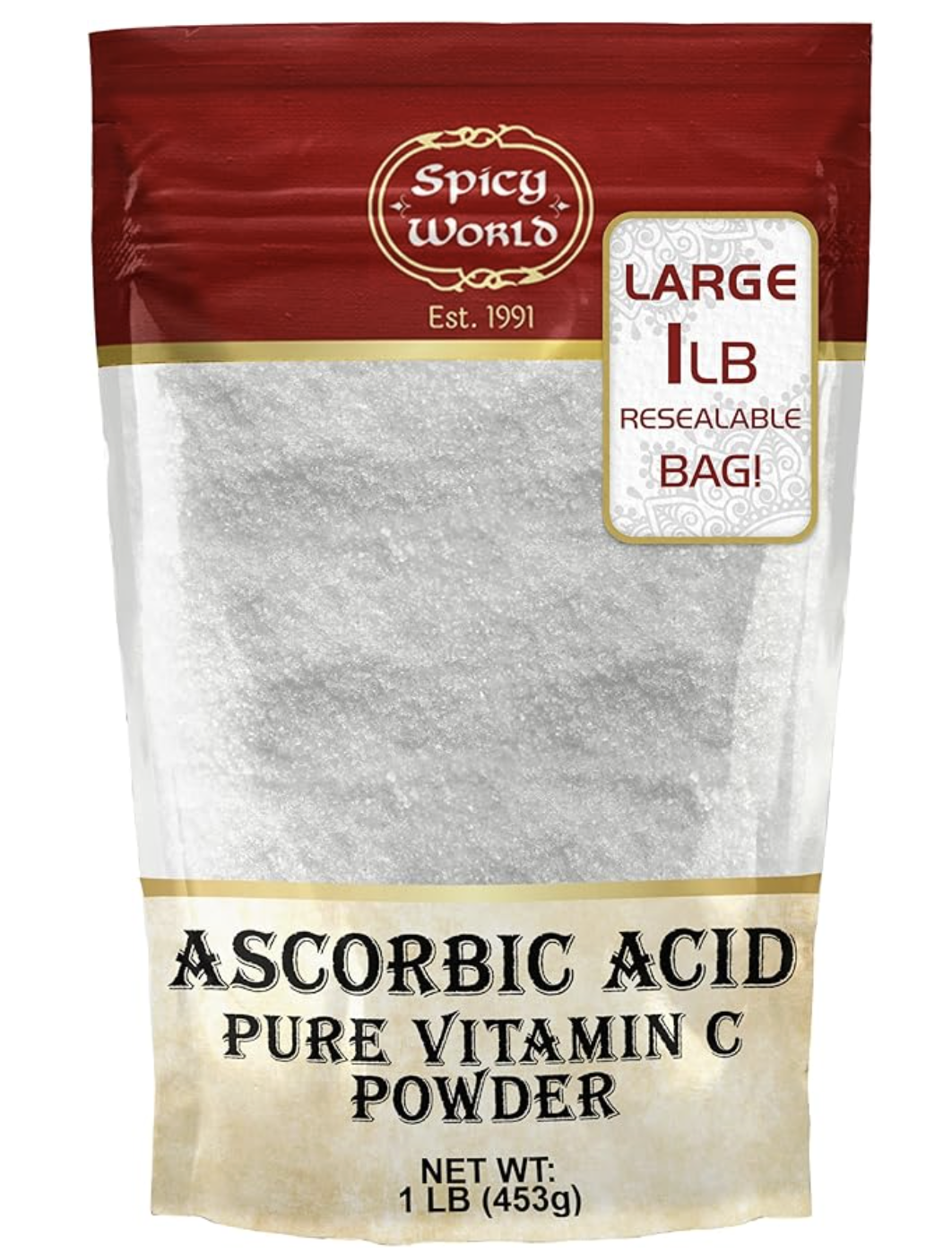 Buy 100% pure vitamin C powder here
Dosing Guidelines for Opioid Withdrawal Treatment
Similar results to the research discussed above were seen in a study in which mice were injected with morphine twice daily to cause an addiction. In this study, administration of vitamin C at a daily dose of 400-1600mg/kg to the morphine-addicted mice resulted in a lower likelihood of the mice developing a tolerance to or dependence on morphine. Higher doses of vitamin C were found to be more effective in this study.Note that this dose of vitamin C in a human is extremely high, but it is safe to consume this dose in divided doses while recovering from an addiction, provided that the patient’s tolerance level to vitamin C is high enough. Work your way up slowly with the dose, administering a dose of 500-1000mg every 30 minutes to an hour, stopping when the patient feels their digestive system moving and gurgling. Some people may feel this gurgling after a very small dose of only 500-1000mg, indicating that their body doesn’t need as much vitamin C and is closer to a “saturation” level, while other people may have to take very high doses to reach this “saturation” level with supplementation. When you reach a dose that causes a gurgling feeling, this is the dose that you should aim for until you’ve recovered from the addiction (at which point, a daily dose of about 3000mg/day is adequate in most people).
Some studies have chosen to include vitamin E supplementation along with vitamin C at a dose of 5mg/kg and 300mg/kg respectively, given daily for at least 4 weeks. This nutrient supplementation regimen was able to effectively treat opioid withdrawal symptoms in 57% of patients, in comparison with only 7% of patients in the control group (these individuals received a standard treatment involving a daily dose of diazepam and an analgesic).
Click here to subscribe to the Living Database!
A dose of at least 1-3 grams of buffered vitamin C has also been shown to produce similarly positive results. According to a trial done in San Francisco, ⅓ of the 60 patients who received vitamin C supplementation reported that around 70% of their opioid withdrawal symptoms had disappeared with the supplementation protocol, and around half of the group reported that 60% of their symptoms were relieved. Patients who were in aftercare and had already finished the detox part of their treatment reported relief from up to 90% of their symptoms using the vitamin C supplementation protocol.Vitamin C is water soluble, so it’s difficult to “overdose” on this specific nutrient, if not nearly impossible. Choose ascorbic acid powder/granules rather than capsules (this is both more affordable and more efficient) and dissolve the granules in juice or water with some stevia drops as sweetener to make it more palatable. In this context, 1 teaspoon is equal to 5000mg (5g) of ascorbic acid powder/granules. Start with a dose of just ⅛ of a teaspoon or a ¼ of a teaspoon, and then continue increasing the dose as needed.
Schauss’ Protocol for Opioid Addiction
Alexander G. Schauss, Ph.D. was the first to develop a high-dose vitamin C protocol for the treatment of opioid addiction in 1969. This protocol was intended to be used for addicts that intend to quit taking opioids abruptly (“cold turkey”). It was first utilized on a group of subjects with heroin addiction who had previously tried to quit unsuccessfully; the subjects followed the protocol below, which effectively eliminated all signs and symptoms of heroin withdrawals.- Day 1 (3 days before quitting “cold turkey”) - Take 500-1000mg of sodium ascorbate every 2 hours starting upon waking and ending at bedtime.
- Day 2 (2 days before quitting) - Take 1000-2000mg of sodium ascorbate every 2 hours starting upon waking and ending at bedtime.
- Day 3 (day of quitting; begin drug withdrawal at bedtime) - Take 5000-7000mg of sodium ascorbate every 2 hours starting upon waking and ending at bedtime.
- Overnight, if withdrawal symptoms develop, recovering addicts are instructed to take 5000-7000mg of sodium ascorbate every 2 hours until symptoms abate.
- Day 4 - Take 2500-5000mg of sodium ascorbate every 2 hours starting upon waking and ending at bedtime.
- Overnight, if withdrawal symptoms continue, recovering addicts are instructed to take 2500-5000mg of sodium ascorbate every 2 hours until symptoms abate.
- Day 5 - Take 1000-2500mg of sodium ascorbate every 2 hours starting upon waking and ending at bedtime.
- Overnight, if withdrawal symptoms continue, recovering addicts are instructed to take 1000-2500mg of sodium ascorbate every 2 hours until symptoms abate.
- Day 6 - Take 1000mg of sodium ascorbate every 2 hours starting upon waking and ending at bedtime.
- Overnight, if withdrawal symptoms continue, recovering addicts are instructed to take 1000mg of sodium ascorbate every 2 hours until symptoms abate.
Linus Pauling later added high-dose niacin therapy to the treatment above. The results of Schauss’ original experiment with this high-dose vitamin C treatment protocol were repeated multiple times afterwards, and even the National Institute of Drug Abuse and Addiction in the United States confirmed that the positive effects of this treatment were “irrefutable” (yet, of course, the NIDAA didn’t endorse the treatment, unfortunately).
Drs. Alfred F. Libby and Irwin Stone also utilized high doses of vitamin C in the treatment of opioid addiction, and found that a daily dose of 25-85g of sodium ascorbate, administered in divided doses over the course of a day, along with other essential nutrients completely “cured” heroin addiction with little to no withdrawal symptoms. Within 2-3 days after starting high-dose vitamin C therapy, recovering heroin addicts had regained their appetite, were sleeping normally and restfully again, and reported feeling well overall. On days 4-6 of the treatment, the dose of sodium ascorbate was reduced to 10-30g daily, and the doses of the other nutrients were also reduced (predigested proteins were discontinued so long as the patient was eating well).
Libby and Stone’s study had a 100% cure rate in heroin addicts, and included even particularly severe, chronic cases of addiction.
Trevor Millar, an expert in the treatment of opioid addiction, has successfully used a modified version of the protocol above to help addicts “taper down” and eventually stop their use of opioids. He simply told his patients to take a dose of 2g of sodium ascorbate every 2 hours during waking hours, starting 3 days before attempting to reduce their opioid drug intake, and continuing with the same protocol, or increasing the dosage as-needed to reduce withdrawal symptoms. Like with Schauss’ protocol, this dose can be administered overnight also.
Contraindications and Side Effects
High doses of vitamin C in any form may result in osmotic diarrhea (this can be reversed simply by lowering the vitamin C dose). However, most experts in this therapy for opioid addiction found that those heavily addicted to opioids had a very high tolerance for vitamin C, and needed a lot of vitamin C before reaching bowel intolerance.High-dose vitamin C therapy is sometimes contraindicated in patients with renal insufficiency, chronic hemodialysis patients, in people with iron overload disorders, and in people with oxalate stone forming conditions. There is disagreement on whether or not IV vitamin C therapy in particular is safe/helpful for patients with G6PD deficiency (there’s some evidence that it can provoke hemolysis in these individuals), so people with this condition may want to seek the support of a health professional if they choose to undergo this particular treatment.
Resources:
• Zelfand, Erica (2020). Vitamin C, Pain, and Opioid Use Disorder. Retrieved June 17, 2025 from: https://pmc.ncbi.nlm.nih.gov/articles/PMC7572147/#ref57