Myrtle: Herbal Remedy for Skin and Respiratory Problems in Children
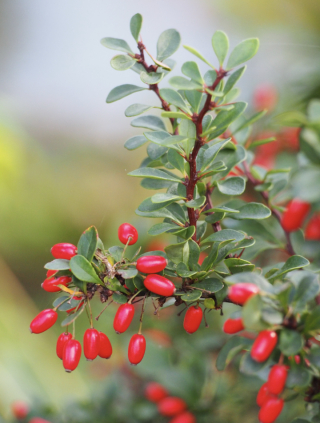
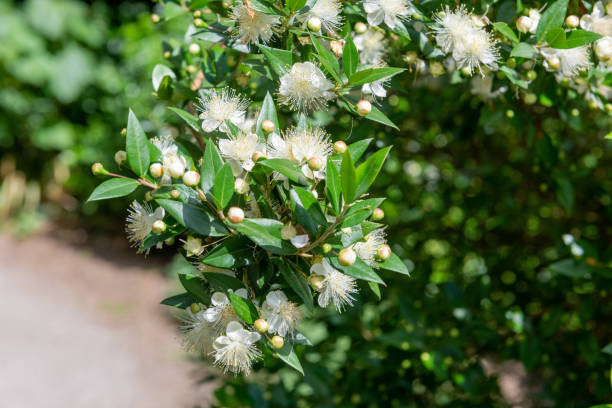
Myrtle is a flowering, evergreen shrub native to the Mediterranean regions of Europe, North Africa, and the Middle East, as well as to India. It is also known as Corsican pepper. The flowers, berries, and leaves of Myrtus communis all have medicinal properties. Myrtle berries may be used as a spice or flavoring, or in the production of a special type of alcoholic drink known as Mirto. Note that the essential oil is made from the leaves of the myrtle plant.Medicinal Actions of Myrtle in Babies
Below are the medicinal actions of Myrtus communis (note that the essential oil of this plant is generally made from the leaves, while the syrup is made from the berries):- Liver disease
- Liver damage (myrtle flowers are hepatoprotective)
- Bacterial infection
- Escherichia coli (hexane and methanol extracts; essential oil)
- Pseudomonas aeruginosa and Pseudomonas fluorescens
- Salmonella typhi and Salmonella enterica
- Staphylococcus aureus (hexane and methanol extracts)
- Actinobacillus actinomycetemcomitans (methanol and aqueous extracts)
- Porphyrymonas gingivalis (methanol and aqueous extracts)
- Prevotella intermedia (methanol and aqueous extracts)
- Listeria monocytogenes and Listeria innocua
- Bacillus subtilis
- Salmonella spp.
- Micrococcus luteus (methanolic leaf extract)
- Streptococcus agalactiae, Streptococcus pyogenes, and Streptococcus pneumoniae (essential oil)
- Proteus vulgaris (essential oil)
- Enterococcus faecium (methanolic extract of leaf/berry)
- Mycobacterium tuberculosis and Mycobacterium paratuberculosis (essential oil)
- Enterococcus durans (essential oil)
- Enterobacter cloacae
- Fungal infections
- Aspergillus niger, A. ochraceus, and A. flavus (essential oil)
- Fusarium oxysporum and F. culmorum (chloroform extracts and essential oil)
- Candida albicans, C. glabrata, C. tropicalis, C. krusei, and C. parapsilosis (essential oil)
- Parasite infection
- Toxoplasma gondii / Toxoplasmosis (essential oil)
- Trichomonas vaginalis / Trichomoniasis
- Digestive system problems
- Colitis
- Peptic ulcers
- Diarrhea
- Gastrointestinal tract diseases (specifically the seeds found inside of the berries)
- Respiratory problems
- Canker sores (berries)
- Diabetes (berries)
- Hemorrhoids
- Inflammation
- Uterine bleeding
- Heart palpitations
- Headache
- Leukorrhea
- Urethritis (swelling/inflammation of the urethra)
- Epistaxis / Nosebleed
- Conjunctivitis
- Lung disease
- Excessive sweating / Excess perspiration
- Toxin exposure: Myrtle protects the body from exposure to the following toxins:
- Aflatoxin B1
- Alcohol
- Aluminum chloride + D-galactose
- Arsenic
- Bleomycin
- Carbon tetrachloride
- Carrageenan
- Cerulein
- Cypermethrin
- Ethanol
- Monosodium glutamate (MSG) + acrylamide
- Paracetamol
- Streptozocin
- Hyperlipidemia
- High cholesterol
- Fibrosis (especially pulmonary fibrosis)
- Urinary tract infection (tea made from leaves)
- Bladder infection (tea made from leaves)
- Alzheimer’s disease
Myrtle Essential Oil and Myrtle Berry Syrup for Respiratory Problems
An oil mix combining 1 drop of myrtle essential oil with 3 tablespoons of a carrier oil can be applied to the feet, chest, and back of babies suffering from cold or cough. Myrtle essential oil can be used this way for all manners of respiratory problems in babies, and is noted for its ability to help expel mucus, relax the body, and act as an anti-infective agent.Myrtle leaf contains eucalyptol (also known as cineole), a compound also found in eucalyptus known for its expectorant properties. Like eucalyptus, therefore, myrtle can also be used in a diffuser in aromatherapy for the treatment of respiratory complaints.
Myrtle essential oil can be administered topically or via aromatherapy for the treatment of the following respiratory complaints:
- Common cold
- Cough
- Bronchitis
- Asthma
- Whooping cough
Myrtle berry syrup is also indicated for the treatment of coughs and respiratory infections in people of all ages, including children. Myrtle berry is a common ingredient in herbal cough syrup preparations and has a long history of traditional use for this purpose.
Kid-Friendly Medicines Living Database, BETA Release- NOW AVAILABLE! Click here to sign up...
Myrtle Berries for Skin Inflammation and Other Skin Conditions
Traditionally, a decoction made from myrtle berries was added to bathwater to relieve skin inflammation in babies and children. A myrtle leaf decoction can also be applied topically as a compress to treat other skin conditions, including the following:- Abscesses
- Boils
- Lice
- Skin infection
- Dandruff
- Wounds
- Acne
- Ulcers
- Bruises
- Dermatosis
- Hemorrhoids
- Reddened skin
- Eczema
- Psoriasis
Myrtle Berry Syrup for GERD
One case study observed the positive effects of myrtle berry syrup in the treatment of GERD and other serious digestive symptoms in an 8-year-old boy. The boy had severe esophagitis starting from age 2, as well as abdominal pain and irritability. At age 5 he experienced gastrointestinal bleeding. He was prescribed 2.5 cc of Myrtus communis berry syrup taken 3 times per day along with quince jam taken at breakfast. The boy’s abdominal pain improved after 2 months of treatment and he showed no signs of GERD recurrence during the 2 years following this treatment plan. The boy also showed no side effects from this treatment.A different study on a group of children between the ages of 1 and 7 administered myrtle syrup for 4 weeks. This study didn’t notice a significant change in GERD symptoms, though the children’s appetites did seem to improve with the myrtle berry syrup treatments.
Myrtle Essential Oil for Nervousness and Insomnia
Myrtle has a calming scent and is widely regarded in the aromatherapy world as one of the most calming and reassuring scents available, especially for children and babies. The essential oil can be added to a diffuser or placed on a cotton ball nearby to a child to promote relaxation and feelings of peace. It may be used in aromatherapy to help treat the following:- Nervousness
- Insomnia
- Distraction
- Fearfulness
- Anxiety
- Nightmares
In more severe cases of any of the above problems, a child may also benefit from topical administration of myrtle essential oil as described below in the section about how the essential oil can be administered correctly.
How to Administer Myrtle in Children and Babies
Myrrh can be administered in the following ways in children and infants:- Essential Oil (Topical) - Myrtle essential oil should only be administered topically, it should never be taken internally. To administer topically, mix 1 drop of myrtle essential oil with 3 tablespoons of a carrier oil like coconut oil or bitter apricot oil to apply to an infant's skin. In older children, up to 3-5 drops of essential oil can be used.
- Essential Oil (Aromatherapy) - A few drops of myrtle essential oil can be added to a diffuser or put on a cotton ball nearby to a baby or child to use the essential oil for aromatherapy.
- Compress - The leaves should be used in a topical compress. 10 grams of dried leaves should be added to 1 liter of water. The water should be boiled for 10 minutes (cover the pot to trap the volatile oils). Strain and then soak a piece of gauze in the decoction to put on the skin in the affected area(s).
Click here to subscribe to the Living Database!
Resources:
• Saar Soleares (n.d). How to Use Essential Oils on Babies & Children. Retrieved April 19, 2023 from: https://www.saarsoleares.com/blogs/natural-solutions-for-healthier-moms-children/how-to-use-essential-oils-on-babies
• Mahdi Dabbaghi, Mohammad, et. al. (2023). A review of the biological effects of Myrtus communis. Retrieved December 12, 2023 from: https://physoc.onlinelibrary.wiley.com/doi/full/10.14814/phy2.15770
• Wild Herbs of Crete (n.d). Myrtle. Retrieved December 12, 2023 from: https://www.wildherbsofcrete.com/myrtle
• Chauhan, Vikram (n.d). Myrtle - Very Useful Herb for Skin Problems. Retrieved December 12, 2023 from: https://www.drvikram.com/myrtle.php
• Indigo Herbs (n.d). Myrtle Benefits. Retrieved December 12, 2023 from: https://www.indigo-herbs.co.uk/natural-health-guide/benefits/myrtle
• Giamperi, Francesca, et. al. (2020). Myrtle (Myrtus communis L.) berries, seeds, leaves, and essential oils: New undiscovered sources of natural compounds with promising health benefits. Retrieved December 12, 2023 from: https://onlinelibrary.wiley.com/doi/full/10.1002/fft2.37
• Gorjian, Hayedeh, et. al. (2023). Myrtle: a versatile medicinal plant. Retrieved December 14, 2023 from: https://www.ncbi.nlm.nih.gov/pmc/articles/PMC9933039/
• N.A. (n.d). Myrtle (Tao Jin Niang). Retrieved December 14, 2023 from: https://www.whiterabbitinstituteofhealing.com/herbs/myrtle/
• Salehi, Mehdi, et. al. (2019). Effect of Myrtle Syrup on Refractory Pediatric Gastroesophageal Reflux in an Eight-Year-Old Boy: A Case Report. Retrieved December 14, 2023 from: https://www.ajtcam.ir/article_108136_f70739d68dba381dd31298263763c5fd.pdf
• Sadat Paknejad, Maryam, et. al. (2021). Myrtle (Myrtus communis L.) fruit syrup for gastroesophageal reflux disease in children: A double-blind randomized clinical trial. Retrieved December 14, 2023 from: https://pubmed.ncbi.nlm.nih.gov/34533246/