Kratom's Antidiarrheal Effects and It's Use in Treating Major Digestive Illnesses
In scientific studies, when animal models of diarrhea are given kratom once, there is a dose-dependent effect in terms of slowing intestinal transit. At higher doses (above 5 grams in adults), intestinal transit time is slowed. At lower doses, the effects are less noticeable. After this first dose of kratom to stop diarrhea though, the kratom-related effects stop decreasing intestinal transit time. This is actually positive news for those who use kratom for digestive system ailments, pain relief, allergy relief, or for any other purpose that would require longer-term treatment. For those who take kratom longer-term, the good news is that, after the first dose of the whole plant medicine, constipation is not an issue.
Click here to schedule a health coaching session with us.
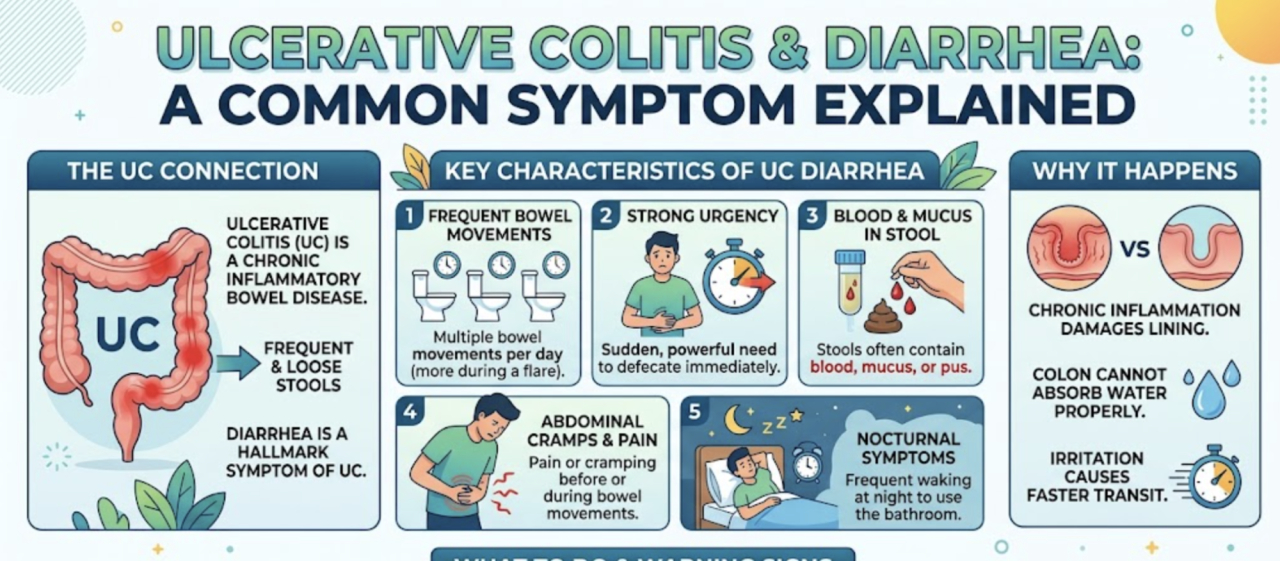
Now, we also have to remember that some people have had spectacular success using kratom to cure Crohn’s disease or ulcerative colitis. Kratom certainly has healing effects on the digestive system, but it does not behave in the body like an over-the-counter anti-diarrheal medication. Kratom does not stop diarrhea without providing some assistance with the underlying problem at the same time and this herb also acknowledges that diarrhea can be detoxifying and necessary in order to promote health. If you stop diarrhea from happening, it can be damaging to the body, in fact. Kratom is a good choice for acute diarrhea and it can be continued past the first dose to treat intestinal infection, but if diarrhea continues, black tea could be a useful adjunct treatment to treat diarrhea naturally without causing toxic build-up in the body as a result of using pharmaceuticals that alter physiology without regard for the importance of diarrhea as a way to purge infection or toxins.One of the reasons why kratom can be so useful in treating diarrhea, including gastrointestinal issues like Crohn’s disease, ulcerative colitis, Small Intestinal Bacterial Overgrowth / SIBO, and Irritable Bowel Syndrome / IBS is because it has the ability to promote positive changes in gut flora. Studies have shown that kratom can promote beneficial bacterial growth and suppress the growth of pathogens in the gut. Scientists have even considered the production of a “functional food” for obese patients that includes kratom because this plant can help patients control weight gain naturally under certain conditions while altering gut flora in positive ways.
Click here to buy Kratom.
Beneficial bacteria in the gut that are promoted by taking kratom include:- Candidatus stoquefichus
- Prevotellaceae UCG-001
Pathogenic bacteria like Corynebacterium are decreased by taking kratom. Corynebacterium is the genus that produces diphtheria when the bacterium is infected by a particular bacteriophage / virus.
Click here to learn more about the DreamLight.app, a guided meditation and brain-entrainment tool for natural trauma-release.
In one study, Mitragyna speciosa leaves were fermented with Lactobacillus rhamnosus. The aqueous extract of these kratom leaves had significant effects against free radicals and pro-inflammatory cytokines. A tea made with leaves fermented with Lactobacillus rhamnosus had significant antibacterial activity against the following:- Staphylococcus aureus
- Methicillin-Resistant Staphylococcus Aureus / MRSA
- Escherichia coli O157:H7
- Erysipelaclostridiaceae
Fermented kratom leaves also have strong Staphylococcus aureus and Escherichia coli biofilm inhibition which means that fermented leaves aren’t just covering up symptoms like diarrhea, but rather they’re actually treating the underlying problem that caused diarrhea in the first place. Scientists report that fermented kratoms like Gold or Yellow vein kratom can act as a nutraceutical that has antibacterial, antibiofilm, antioxidant, and anti-inflammatory effects.
Click here to do a free trial of EMDR to Release Trauma.
Mitragyna speciosa significantly alters the gut microbiome in ways that can be healing, but gut flora is a complicated topic that relates holistically to the rest of the body, so while these digestive effects do seem to be positive, it’s important to acknowledge that every person is unique and that gut flora is a complex issue. For example, while Candidatus Stoquefichus can be beneficial, when populations of this bacteria increase too far, it can have negative effects on gut health. Increases in this bacteria, for example, are linked to dysbiosis that can occur in the early stages of Chronic Kidney Disease (CKD).In summary, kratom significantly changes the gut flora to promote beneficial bacteria while also potentially elevating levels of bacteria that might be associated with negative health outcomes. Despite this assessment in the scientific literature though, a number of people have anecdotally reported that kratom helped them overcome ulcerative colitis, Crohn’s disease, and other digestive issues.
Become an Expert. Do our Anticancer Video Course Series Online.
Resources:
• Chittrakarn, S. et al. (2008). Inhibitory effects of kratom leaf extract (Mitragyna speciosa Korth.) on the rat gastrointestinal tract. Retrieved June 1, 2026 from sciencedirect.com/science/article/abs/pii/S0378874107006083?__cf_chl_tk=tOipoSGkPeeA1CEqRIusjyvnRPNTrUpUeMY_S8zBjfY-1780328206-1.0.1.1-vruofgFpY1emUX7RJk5ImOsSjwiVXLj2xfrlzw0Cy0s
• Thongsepee, N. et al. (2025). Modulatory effects of Kratom extract on the gut microbiota of rats: implications for health. Retrieved June 1, 2026 from https://pmc.ncbi.nlm.nih.gov/articles/PMC11866890/
• Tampanna, N. et al. (2025). The role of kratom (Mitragyna speciosa Korth.) extract in medical foods for obese patients: Effects on gut microbiota in a colon model. Retrieved June 1, 2026 from https://www.sciencedirect.com/science/article/abs/pii/S0963996925002728
• Sornssenee, P. et al. (2023). Evaluation of Antibacterial, Antibiofilm, Antioxidant, and Anti-Inflammatory Activities of Kratom Leaves (Mitragyna speciosa) Fermentation Supernantant Containing Lactobacillus rhamnosus GG. Retrieved June 1, 2026 from https://pubmed.ncbi.nlm.nih.gov/37713167/