Kratom: Anti-Inflammatory Effects
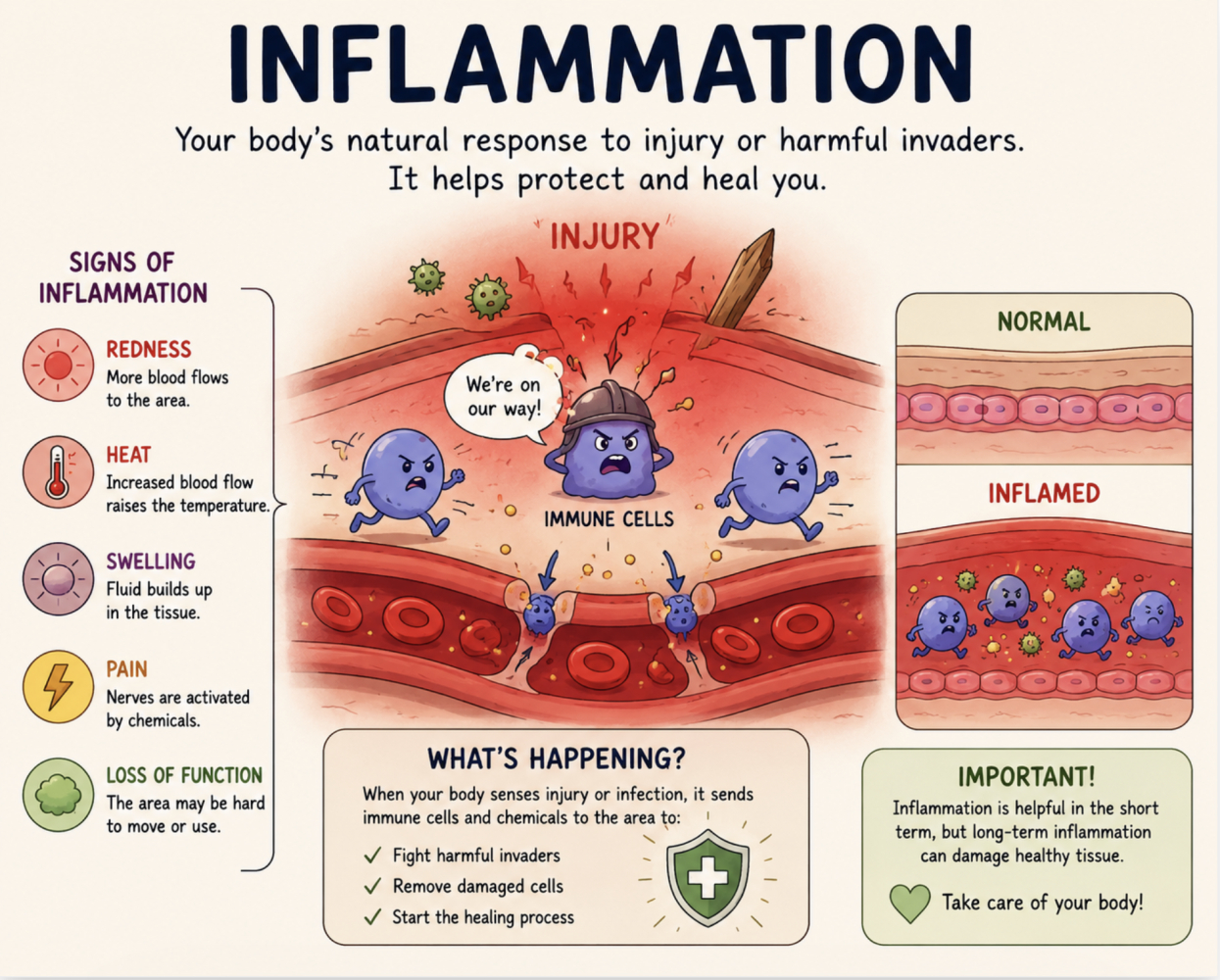
You don't have to fully understand inflammation in order to treat it using kratom. You may be seeking out an herbal remedy for chronic illness that involves ongoing inflammation in the body, or you might need to find an herbal remedy for an injury in one part of the body that regularly flares up. In either case, kratom can help. Indeed, kratom can even help get chronic digestive inflammation under control. Ulcerative colitis and Crohn's disease, for example, may be alleviated by kratom.
Cyclooxygenase (COX) and lipoxygenase (LOX) enzymes play a vital role in the production of pro-inflammatory molecules such as:
- Eicosanoids
- Prostaglandins
- Leukotriens
Click here to schedule a health coaching session with us.
The substance mitragynine, which is found in the whole kratom plant suppresses COX-2 mRNA translation. This results in a reduction in prostaglandin production. Extracts of kratom that contain at least 46% mitragynine inhibit both COX-2 and LOX-5 enzymes. The extract of kratom suppresses inflammation through several mechanisms of action including:- Reactive Oxygen Species reduction
- Nitric Oxide reduction
- Tumor Necrosis Factor-alpha / TNF-alpha reduction
- Interleukin-6 / IL-6 production
- Interleukin-1beta / IL-1beta
The extract of kratom may differ in terms of its anti-inflammatory effects in comparison to kratom powder that’s mixed in honey or that’s prepared as a tea, but nonetheless, kratom is a COX-2 inhibitor that works to reduce prostaglandin production which in turn reduces inflammation in the body. In other words, it shares a few similarities with ibuprofen, diclofenac, and other NSAIDs in terms of how it reduces inflammation. Kratom does not carry the same risk of digestive bleeding as aspirin and ibuprofen and the other NSAIDs though. Nonetheless, you should avoid taking kratom with NSAIDs at the same time because they share some of the same mechanisms of action.
Click here to buy Kratom.
The anti-inflammatory effects of kratom complement studies showing that kratom is an antidepressant and anticancer herb. Depression and cancer are two diseases that are powerfully correlated with widespread, chronic inflammation in the body. Kratom reduces inflammation in the body which, in turn, treats both depression and cancer. Kratom is a good herb to have in the medicine cabinet because it has antibiotic activity and it can be used to treat headaches, fever, and body aches, in addition to its anti-inflammatory activity.If you wish to take an NSAID after taking kratom be sure to wait for at least 6 hours after your last dose of kratom. On the other hand, if you wish to take an NSAID before taking kratom, be sure to wait 4 hours before taking kratom after taking your NSAID.
Click here to learn more about the DreamLight.app, a guided meditation and brain-entrainment tool for natural trauma-release.
Note that Cinchona officinalis is a kratom potentiator that can complement the medicinal action of kratom for inflammatory states. Cinchona bark is a powerful treatment for infections of all kinds, but this herb also contains quinine, which also interacts with mu-opioid receptors to reduce restlessness and pain in the body. Kratom is potentiated by a wide variety of different herbs and substances, so don’t mix this herbal medicine with other medicinal agents unless you know that the mixture is safe. For example, kratom should never been used in tandem with antihistamines.Become an Expert. Do our Anticancer Video Course Series Online.
Resources:
• Heywood, J. et al. (2024). Beneficial and adverse health effects of kratom (Mitragyna speciosa): A critical review of the literature. Retrieved May 26, 2026 from https://www.sciencedirect.com/science/article/abs/pii/S0278691524004794
• Metastasio, A. et al. (2020). Can Kratom (Mitragyna speciosa) Alleviate COVID-19 Pain? A Case Study. Retrieved May 26, 2026 from https://pmc.ncbi.nlm.nih.gov/articles/PMC7717955/