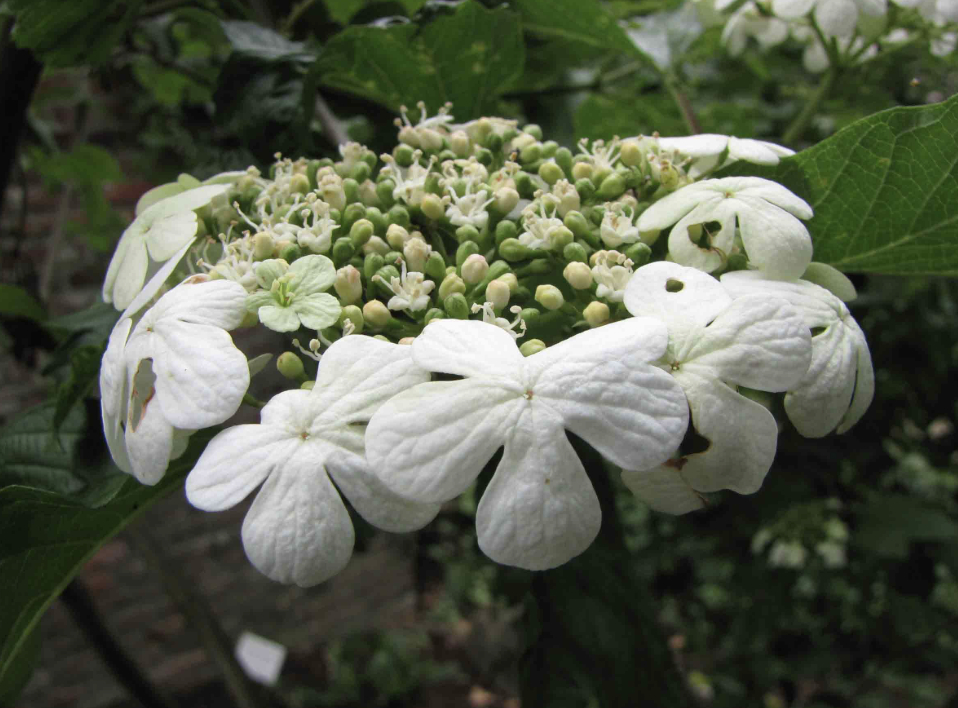
Cinchona officinalis vs. Viburnum opulus
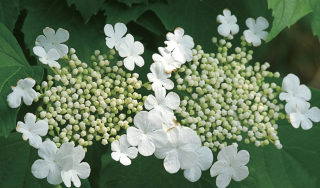
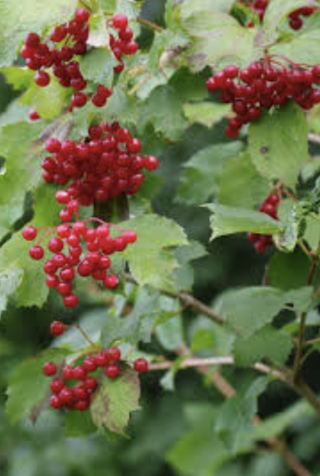
Cinchona officinalis is an anti-arrhythmic herb as well. It can be used to treat certain types of heart arrhythmia. Quinine is sometimes prescribed by doctors to treat short QT syndrome / Brugada syndrome and ventricular fibrillation, for example. But Viburnum opulus is used for heart palpitations in traditional medicine too. It is also prescribed by herbalists for the treatment of rapid heart rate and high blood pressure. It works by relaxing the smooth muscles in the arteries, thereby reducing strain on the heart. Viburnum opulus is sometimes cited as a specific natural treatment for pulsus bigeminus, a heart rhythm issue involving premature heartbeats. Though Viburnum opulus is less famous for its antiarrhythmic effects on the heart than Cinchona officinalis, these two herbs nonetheless share this medicinal effect.
Click here to schedule a health coaching session with us.
Viburnum opulus is known as “cramp bark” and it has been used for centuries as a treatment for menstrual cramps. Theoretically, the quinine in Cinchona bark could lessen menstrual cramping, but Cinchona also alters women’s hormone levels. Quinine inhibits sperm production and it completely blocks ovulation in animals through the inhibition of luteinizing hormone. As a woman, it’s best to avoid things that will alter your hormone levels unless you have some guidance in regard to how to do that safely. If you’ve taken Cinchona bark or quinine and you believe that it has altered your hormone levels in a negative way, consider working with Garcinia kola to rebalance women’s hormones or to kickstart sperm production in men.Both C. officinalis and V. opulus can be used to lower a fever, another medicinal effect that they share in common. Cinchona might be a more reliable fever-reducing medicine in situations involving malaria, for example, or other types of intermittent fever, but Viburnum opulus can also reduce fever. Viburnum opulus tends to work better the longer that you administer it so its impact on body temperature might take several days or even several weeks to produce a noticeable effect.
Click here to buy Viburnum opulus oil.
Chlorogenic acids which are found in Viburnum opulus are derived from quinic acids which are found in Cinchona bark. Chlorogenic acid and quinic acid are both healing and nutritive for the gastrointestinal system. They have an anti-inflammatory effect on digestive organs.Scopoletin is one of the major medicinal substances found in Viburnum opulus. Scopoletin is a pain-killing, fever-reducing, and anti-inflammatory medicinal substance that also calms muscles. Scopoletin has antibacterial, antiviral, antiprotozoal, and antifungal effects.
Become an Expert. Do an AlivenHealthy Video Course Now.
Quinine is a pain-killing, fever-reducing, and anti-inflammatory medicinal substance that also calms muscles. Scopoletin and quinine are both antibacterial, antiviral, antiprotozoal, and antifungal which makes them extremely beneficial in the treatment of infection. Unlike scopoletin, which can be used to heal neurological issues and promote mental health though, quinine can cause tryptophan deficiency and a corresponding deficiency of vitamin B3, serotonin, and melatonin. As such, quinine and Cinchona officinalis must be managed in terms of its effects on mental health while scopoletin and Viburnum opulus tend to produce a healing effect on the nervous system and overall mood.Click here to buy Viburnum opulus / Cramp Bark tincture.
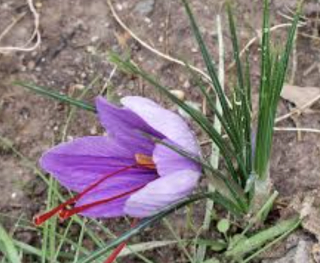
All that being said, though Viburnum opulus and Cinchona officinalis share many medicinal effects and while Cinchona is definitely a medicine that can produce more serious side effects, there are times when Cinchona is absolutely the correct medicine to work with to overcome disease. Cinchona and the medicinal substance known as quinoline, for example, can be used to overcome HIV, cancer, or tuberculosis, to name just a few diseases that it can cure. Viburnum has an impressive medicinal effect against infection and disease, as well, but Cinchona is an important medicine for malaria. Also, the quinine in Cinchona bark enhances the effects of opioidergic plant medicines like Mitragyna speciosa or Papaver rhoeas. As such, Cinchona or tonic water that contains quinine can be used to enhance the effects of opioidergic herbs.After one works with Cinchona or quinine short-term (ideally for less than 2 weeks at a time), herbs like Garcinia kola and Crocus sativus can be useful in rebalancing the body. Supplements such as L-tryptophan and vitamin B3 / niacin as well as a vitamin B100 complex can be essential to restore the body to a healthy state. For example, if you or a loved one has HIV or tuberculosis, you might opt to work with Cinchona because it has an established track record for treating these diseases. In contrast, Viburnum might be useful if your unvaccinated child gets a rash and a fever and you don’t know exactly what’s wrong just yet. Viburnum opulus is a gentler herb that can be used to overcome serious diseases, albeit without producing the same imbalancing side effects. Also, Viburnum opulus can be applied to the skin as an oil in patients who aren’t willing or able to take treatments orally.
Click here to buy Cinchona officinalis.
It can be useful to have both Viburnum opulus and Cinchona officinalis on hand if you have young children at home. I have administered Cinchona to my 2 year old granddaughter for hand, foot, and mouth disease because I know that the Coxsackievirus can cause diabetes later in life if it is not properly treated when it causes the acute infection symptoms. I followed dosing guidelines carefully, knowing that in Africa, Cinchona and Artemisia annua are administered to children regularly for malaria out of impoverished clinics with successful results that saves lives. I would not leave home without Cinchona after observing its effect on myself and on the youngest members of our family despite its potential side effects. But I also calibrate to treat the side effects and reset the body after treatment with Cinchona. And I watch the progression of treatment closely to make sure side effects stay within a manageable range and not severe enough to stop treatment.All medicines can become like poison if they’re used improperly or at the wrong dose. Both Cinchona officinalis and Viburnum opulus have a place in the medicine cabinet, but both should be studied in order to understand when and how to use both at the appropriate time.
Click here to subscribe to the Living Database now.
Resources
Kundu, S. et al. (2024). Scopoletin alleviates high glucose-induced toxicity in human renal proximal tubular cells via inhibition of oxidative damage, epithelial-mesenchymal transition, and fibrogenesis. Retrieved April 25, 2026 from https://pubmed.ncbi.nlm.nih.gov/38709349/
Joshi, H. et al. (2021). Review on Scopoletin: A Phenolic Coumarin with Its Medicinal Properties. Retrieved April 25, 2026 from https://ijpsr.com/bft-article/review-on-scopoletin-a-phenolic-coumarin-with-its-medicinal-properties/#:~:text=Scopoletin%20has%20a%20number%20of%20pharmacological%20activities%2C,Antibacterial%20*%20Antifungal%20*%20Antitubercular%20*%20Antioxidant
Al-Harbi, L. N. et al. (2022). Cinchona officinalis Phytochemicals-Loaded Iron Oxide Nanoparticles Induce Cytotoxicity and Stimulate Apoptosis in MCF-7 Human Breast Cancer Cells. Retrieved April 25, 2026 from https://pmc.ncbi.nlm.nih.gov/articles/PMC9565860/#:~:text=Plant%2Dbased%20nanoparticles%20have%20the,phytosterols%20have%20also%20been%20identified.
Gbotolorun, S. C. et al. (2018). Quinine inhibits ovulation and produces oxidative stress in the ovary of cyclic Sprague-Dawley rats. Retrieved May 8, 2026 from https://pmc.ncbi.nlm.nih.gov/articles/PMC6306975/
Keri, R. S. and Patil, S. A. (2014). Quinoline: A promising antitubercular target. Retrieved May 8, 2026 from https://www.sciencedirect.com/science/article/abs/pii/S075333221400136X