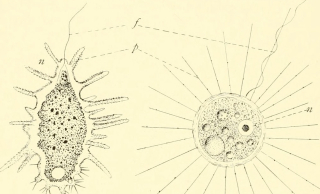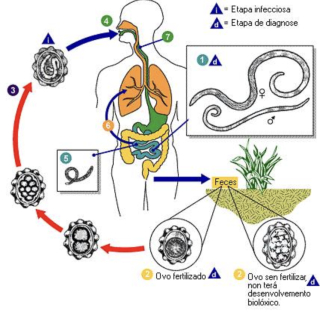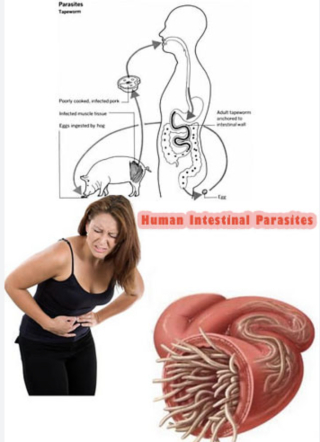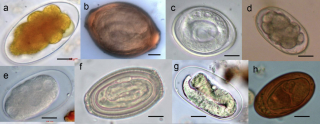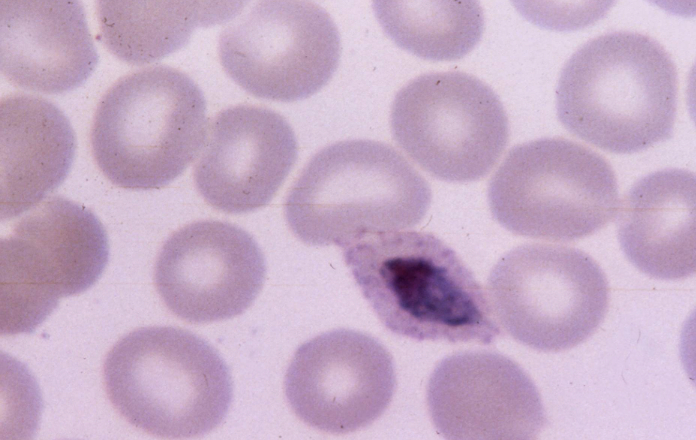
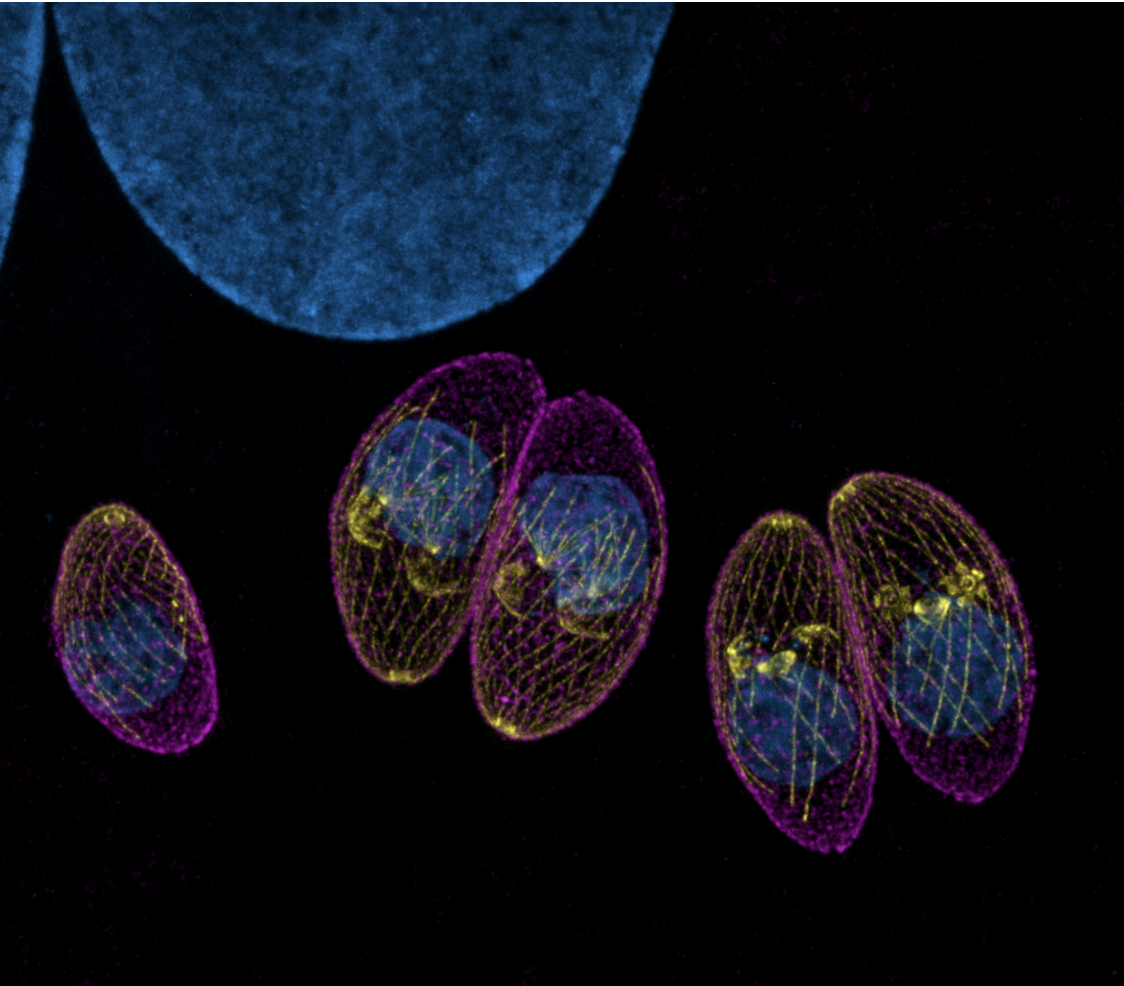
 Parasites are unicellular or multicellular organisms that are broadly classified as protozoa, helminths, or arthropods. When certain protozoa or helminths colonize the human gut, the result can be gastroenteritis, an inflammatory condition of the gastrointestinal tract that ranges in severity from mild and self-limiting to chronic and life-threatening, depending on the host's immune status and the nature of the parasite involved.
The frequency of parasitic gastroenteritis varies around the world. The propaganda that we’ve been taught in developed countries is that the incidence and prevalence track closely with how common the parasites are in any given geography, endemic versus non-endemic. But most readers who have been forced to find their own at home treatment for parasites because doctors in developed nations are taught that parasites don’t exist or that infections with parasites aren’t possible in patients who have not traveled to another country (despite rampant globalization that’s widely recognized in mainstream media), know that this idea that parasitic gastroenteritis is less common in the developed world is only “true” because doctors in the developed world don’t believe that parasites exist in their patients.

Click here to schedule a health coaching call with us.
Nonetheless, certain human behaviors, like drinking river water or eating raw meats, increase susceptibility to parasite infection regardless of where a person lives. Certain patient populations likeorgan transplant recipients, for example, face a disproportionately high risk of serious parasitic infection simply because immunosuppressive drugs lower the body's defenses.

Click here to subscribe to the Living Database!
In the United States, protozoal infections are the most common acknowledged cause of parasitic gastroenteritis. Helminthic infections, on the other hand, tend to only be diagnosed by doctors in countries where parasites are an acknowledged issue. In other words, if you live in a country where Big Pharma will profit tremendously from your symptoms of parasite infection and from your belief that parasites don’t exist, your doctor will be unlikely to acknowledge that you have a parasite infection. On the other hand, if you live in a country where the healthcare system is at least partially subsidized and the government does not want people to be sick and exhausted for their entire lives (because those people don’t have the money to pay for medicines to cover up exhaustion, depression, and the various other symptoms of parasite infections), doctors will know about medicines that can be used to treat parasites.
Diarrhea is a hallmark symptom of protozoal gastroenteritis, though it's less consistent with helminth infections. Helminths in particular can cause eosinophilic inflammation, which means that parasitic infection, and specifically helminth infection, should always be on the differential diagnosis list when a patient presents with peripheral eosinophilia or when gut biopsies reveal eosinophilic infiltrates. Stool studies are recommended by doctors but in reality, they are almost never conclusive and often the results of stool studies are simply wrong. Essentially, in helminth infection, constipation can also be an issue. Patients with digestive system issues like chronic diarrhea, chronic constipation or an oscillation between the two should consider doing a parasite cleanse for at least 6 months as part of a general protocol of healing.

Click here to do a free trial of EMDR to Release Trauma.
It's worth pausing here to note something that conventional medicine tends to underemphasize: some parasites appear to benefit human health. Certain helminths, in particular, can improve the diversity of the intestinal microbiota and support the development of a healthy, well-regulated immune system. In this context, parasites that enhance immunoregulation may actually help protect against allergy, autoimmunity, and other immune-mediated disorders. This is not a fringe idea. Rather it’s backed by a growing body of research and is discussed further at the end of this piece. The relationship between humans and parasites is, in other words, more nuanced than a simple host-versus-invader story. Nevertheless, if you have a severe parasite infection, you are probably reading this material with the goal of obliterating whatever it is that’s making you sick. Again, note that its best to aim for a balanced gut ecology that will eventually still include some helminths that will keep the immune system at a healthy level of reactivity.
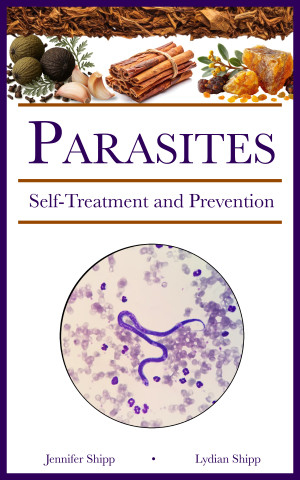
Parasites: Self-Treatment and Prevention - BUY THE eBOOK HERE!!!
Resources:
• ISGlobal (2017). An Old Drug to Combat a Re-Emerging Intestinal Parasite. Retrieved March 17, 2026 from https://www.isglobal.org/en/-/un-antiguo-farmaco-para-combatir-un-parasito-intestinal-reemergente
• Microbiology (2024). Dyes could fight intestinal parasites. Retrieved March 17, 2027 from https://ibsal.es/en/dyes-could-fight-intestinal-parasites/
• Sanchez-Montejo, M. M. et al. (2024). Deciphering Chemical Rules for Drug Penetration into Strongyloides. Retrieved March 16, 2026 from https://gredos.usal.es/handle/10366/163236
• Google Patents (n.d.). Methylene Blue Therapy of Parasitic Infections. Retrieved March 16, 2026 from https://patents.google.com/patent/WO2007038201A1/en
• MMWR (1984). Update: Treatment of Cryptosporidiosis in Patients with Acquired Immunodeficiency Syndrome. Retrieved March 16, 2026 from https://www.cdc.gov/mmwr/preview/mmwrhtml/00000296.htm
• Murphy, J. L. et al. (2014). Efficacy of Chlorine Dioxide Tablets on Inactivation of Cryptosporidium Oocysts. Retrieved March 17, 2026 from https://pubs.acs.org/doi/10.1021/es500644d
• Sohn, H. J. et al. (2024). Amoebicidal effect of chlorine dioxide gas against pathogenic Naegleria fowleri and Acanthamaoeba polyphaga. Retrieved March 18, 2026 from https://pubmed.ncbi.nlm.nih.gov/38652173/#:~:text=ClO2%20gas%20has%20an%20amoebicidal,of%20pathogenic%20free%2Dliving%20amoeba%20contamination.
• Sellards, A. W. and Leiva, L. (1923). The Experimental Therapy of Amoebic Dysentery. Retrieved March 18, 2026 fromhttps://www.sciencedirect.com/science/article/abs/pii/S0022356525057222#:~:text=the%20pathogenic%20E.-,histolytica%20have%20yielded%20results%20of%20some%20value%20in%20the%20development,advanced%20cases%20of%20amoebic%20dysentery.